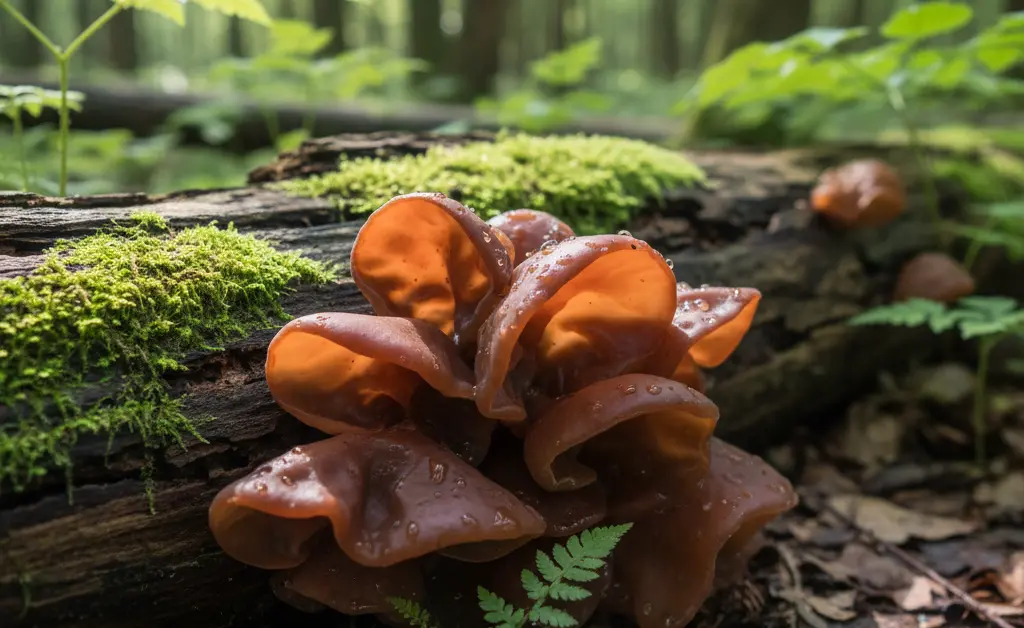
Have you ever noticed those intriguing, ear-shaped fungi clinging to decaying wood, wondering if they might be edible? The wood ear mushroom, a fascinating fungus found across the globe, is known for its unique gelatinous texture and subtle flavor, making it a popular ingredient in various cuisines. However, with several similar-looking species in the wild, accurate wood ear mushroom identification is crucial for both culinary enthusiasts and foragers to ensure safety and enjoyment. This guide delves into the distinctive characteristics that set the true wood ear apart from its imposters, offering a comprehensive look at its visual and tactile features.
Wood Ear Mushroom Identification
The first step in identifying wood ear mushrooms is becoming familiar with their fundamental characteristics. These fungi are part of a group known as jelly fungi, which are distinguished by their unusual texture and growth habits. They almost exclusively grow on wood, playing an important role as decomposers in forest ecosystems. Understanding their typical appearance and habitat is foundational for distinguishing them from other fungi.
Common and Scientific Names
The most widely recognized scientific name for the wood ear mushroom is Auricularia auricula-judae. However, several closely related species exist within the Auricularia genus, and they are often grouped together under common names. These names frequently allude to its distinctive form, including “jelly ear,” “tree ear,” and simply “wood ear.” Knowing these names can be helpful when cross-referencing field guides and other resources.
Shape and Form
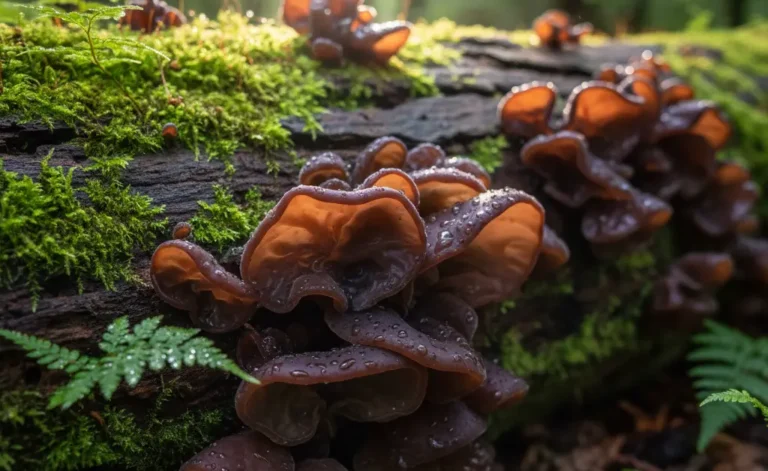
The shape is one of the most telling features of the wood ear mushroom. It typically grows in an irregularly cup-shaped or auriculate (ear-like) form. The fungus can be lobed, folded, and wavy, often resembling a contorted human ear attached directly to wood without a noticeable stem. When young, it may appear as a small, gelatinous knob before expanding into its characteristic form.
Color and Surface Details
Wood ear mushrooms exhibit a range of colors, usually from a pale, reddish-brown to a much darker brown or even black, often becoming darker with age or when dry. The upper, or outer, surface is frequently covered in a very fine, downy hair, giving it a slightly velvety feel and a matte appearance. The underside, which is the spore-bearing surface, is typically smoother, may have a few veins or wrinkles, and can have a whitish or grayish bloom. Accurate color assessment is a helpful component of wood ear mushroom identification.
Size and Thickness
The size of wood ear mushrooms can vary considerably depending on age and growing conditions. Individual specimens can range from being quite small to several inches across. They are characteristically thin and flexible, with a rubbery, cartilaginous consistency. The flesh is not thick or bulky, which contributes to its unique texture when cooked. Understanding what wood ear mushroom tastes like can further enhance its appeal in the kitchen.
Key Visual Characteristics for Wood Ear Mushroom Identification
Beyond the basic shape and color, specific visual details provide further clues for positive identification. Observing how the mushroom interacts with moisture and light reveals its unique physical properties. These characteristics are consistent across different environments and are crucial for separating true wood ears from potential lookalikes.
Texture and Consistency
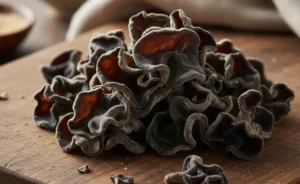
One of the most defining features is its texture. When fresh and hydrated, the wood ear is remarkably gelatinous, rubbery, and flexible to the touch. If you bend it, it will not snap but rather fold like soft cartilage. When it dries out, the fungus shrinks dramatically, becoming hard, brittle, and almost plastic-like. A key trait is its ability to rehydrate; a dried wood ear will absorb water and return to its pliable, gelatinous state. This textural quality is a cornerstone of proper wood ear mushroom identification.
Flesh and Underside Appearance
The flesh of a wood ear mushroom is translucent, especially when held up to the light. It lacks the opaque, fibrous quality of many other mushrooms. The underside, or hymenium, is where spores are produced. This surface is generally smoother and often slightly lighter in color than the top side. It can appear somewhat glossy or may be covered in a fine, pale powder, which is the spore deposit.
Tactile and Internal Features of Wood Ear Mushrooms
Examining the mushroom more closely, including features that are not immediately visible, can solidify an identification. Tactile feedback and microscopic details like spores offer a deeper level of confirmation, especially when visual cues alone are not definitive. These internal features are often consistent and reliable identifiers.
Spore Print
While often not necessary for casual identification due to its other distinct features, a spore print can provide conclusive evidence. To take a spore print, a fresh specimen is placed with its underside down on a dark surface. The resulting print for a true wood ear mushroom will be white to whitish-yellow. This technical step is an excellent practice for anyone serious about the discipline of wood ear mushroom identification, as it helps differentiate it from other fungi that might have brown or darker spores.
Distinguishing Wood Ear Mushrooms from Lookalikes
Safety in foraging hinges on the ability to reliably distinguish edible species from non-edible or toxic ones. For general health guidance related to wild edibles, information from reputable sources such as the NHS can be helpful. While wood ear mushrooms do not have any notoriously poisonous lookalikes, several other jelly fungi can be mistaken for them. Knowing the subtle differences is key to ensuring you have found the correct mushroom.
Important Identification Cues to Avoid Misidentification
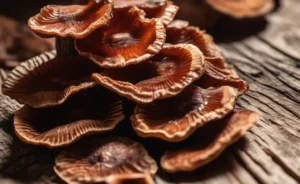
The primary mimics of wood ear are other types of jelly fungi, such as those in the Exidia and Tremella genera. For example, Amber Jelly Roll (Exidia recisa) has a similar brownish, gelatinous appearance but often forms more tightly clustered, ridged lobes rather than a distinct ear shape. Some Exidia species also have tiny, glandular dots on their surface, which are absent in Auricularia. Fungi in the Tremella genus, like Witch’s Butter, are typically brighter yellow or orange and have a more brain-like, lobed structure instead of a cup or ear form. Paying close attention to the substrate is also vital; true wood ear almost always grows on dead or dying hardwood, with a particular preference for elder trees. These careful observations are the final and most critical step in proper wood ear mushroom identification.
In conclusion, identifying wood ear mushrooms is a skill that combines the observation of several key features. The distinctive ear-like shape, the gelatinous and rubbery texture when fresh, and its unique ability to dry out and rehydrate are its most telling characteristics. By also considering its color, translucent flesh, and preferred habitat on decaying hardwood, foragers can confidently distinguish it from other jelly fungi. Careful and methodical examination is essential for enjoying this unique wild edible safely.
The content provided in this article is intended for informational learning, not clinical application. Misidentification of any fungus can lead to adverse effects, and this guide is not a substitute for in-person expert identification. Never consume a wild mushroom unless you are absolutely certain of its identity. When in doubt, it is always best to consult a local mycological expert.
FAQ
What are the identifying features of wood ear mushrooms?
Wood ear mushrooms are characterized by their distinctive, ear-shaped or shelf-like fruiting bodies that grow on decaying wood. They typically have a gelatinous, somewhat rubbery texture and often appear wrinkled or wavy. Their habitat on dead trees is a key identifying characteristic.
How do you know if a mushroom is a wood ear?
Observing the mushroom’s growth habit on wood and its unique, ear-like or fan-shaped appearance are important clues. The texture, which is notably gelatinous and flexible, further helps distinguish it from other fungi. These visual and tactile elements are crucial for proper identification.
What color is a wood ear mushroom?
Wood ear mushrooms generally range in color from a dark, reddish-brown to a more muted brown or purplish-brown. The underside is typically paler, often a grayish-brown. Their color can vary slightly depending on moisture levels and age.
What texture do wood ear mushrooms have?
These mushrooms possess a distinctly gelatinous, pliable, and somewhat rubbery texture when hydrated. When dried, they become brittle and shrunken, but rehydrate to their characteristic flexible consistency. This unique texture is a hallmark of the species.
Are there any mushrooms that look like wood ear?
Several other wood-decaying fungi can bear a superficial resemblance to wood ear mushrooms, making accurate wood ear mushroom identification important. Some species of *Auricularia* may look similar, and other jelly fungi might also be confused if not examined closely for specific morphological and textural differences. It is always recommended to consult with an expert or reliable field guide before consuming any wild mushroom.