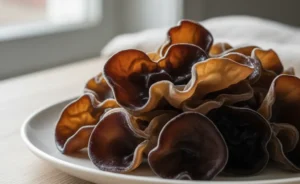

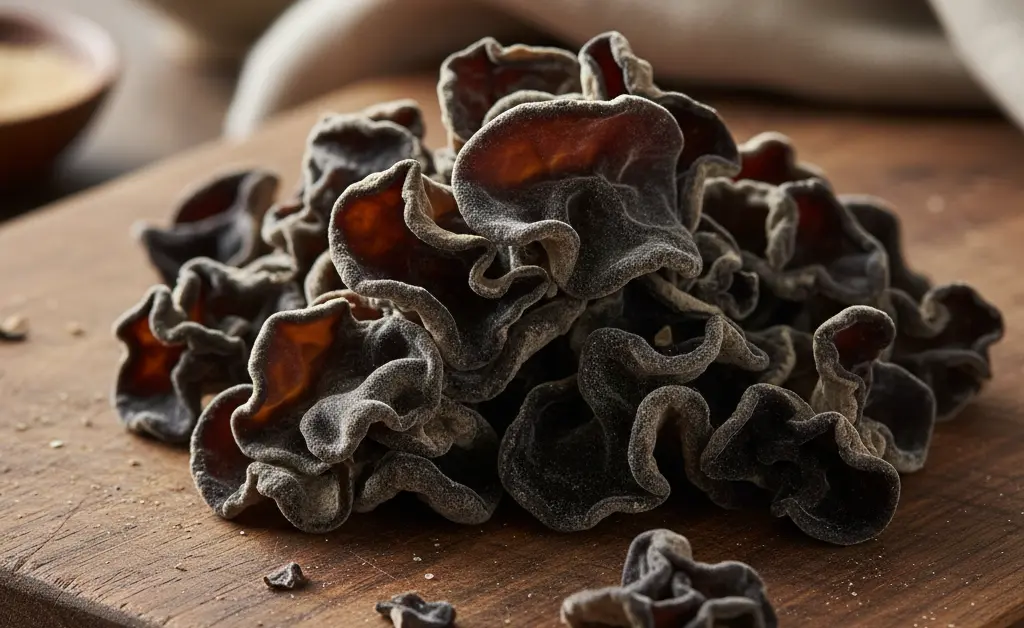
Incorporating unique ingredients into your culinary repertoire can elevate everyday meals into delightful gastronomic experiences. For those exploring the diverse world of fungi, the wood ear mushroom, also known as Auricularia auricula-judae, offers a distinct textural and subtle flavor profile that many find intriguing. Its gelatinous yet slightly crisp bite, especially after rehydration, is a hallmark of its appeal in various Asian cuisines, often found in stir-fries, soups, and salads. Understanding its sensory characteristics, particularly what does wood ear mushroom taste like, is key to effectively utilizing this versatile ingredient in your kitchen, bridging the gap between traditional use and modern healthy eating trends.
What Does Wood Ear Mushroom Taste Like?
When approaching this unique fungus, many cooks wonder what does wood ear mushroom taste like. Proper wood ear mushroom identification is crucial before culinary use. The answer is surprisingly simple: not much at all. Unlike more robust mushrooms such as shiitake or porcini, the wood ear is not known for a powerful or complex flavor. Instead, its culinary value is deeply rooted in its texture and its ability to complement other ingredients. The taste is best described as exceptionally mild and neutral, serving as a blank canvas in a wide array of dishes.
Subtlety and Mildness
The defining characteristic of the wood ear mushroom’s taste is its profound mildness. Its wood ear mushroom scientific name, Auricularia auricula-judae, points to its ear-like shape. Eaten on its own, it has a very clean, almost watery flavor with little to no lingering aftertaste. This subtlety is a significant advantage, as it ensures the mushroom will not overpower the other components of a meal. It blends in seamlessly, adding substance and texture without competing for the spotlight, making it a versatile team player in complex recipes.
Subtle Earthy or Umami Notes
While overwhelmingly mild, some discerning palates may detect very faint undertones. These can be described as slightly earthy or woody, reminiscent of the forest floor after a light rain. Others might perceive a subtle hint of umami, the savory fifth taste, although it is far less pronounced than in mushrooms like shiitake. These notes are delicate and often only noticeable when the mushroom is prepared simply, without the addition of strong sauces or seasonings.
Similarities to Lightly Cooked Cabbage
For those seeking a more familiar comparison, the flavor profile of wood ear mushrooms can be loosely compared to that of very lightly cooked or steamed cabbage. It shares a similar, slightly vegetal and clean taste that is fresh but not grassy. This comparison, however, primarily applies to the flavor, as the texture is entirely different and a key part of its unique identity.
Other Culinary Analogies
To further contextualize its taste, one might draw parallels to other ingredients known more for texture than flavor. It has a neutrality similar to that of tofu, which also takes on the flavor of its surrounding ingredients. Some might find its subtle, almost oceanic freshness slightly reminiscent of certain types of seaweed, particularly in its rehydrated, gelatinous state, though it lacks any of the brininess associated with marine vegetables.
Flavor Absorption Properties
Perhaps the most celebrated culinary trait of the wood ear mushroom is its remarkable ability to act as a flavor sponge. Its mild taste and porous, gelatinous structure make it an exceptional vehicle for absorbing the nuances of broths, sauces, and marinades. In a spicy and sour soup, it soaks up the liquid to become a carrier of heat and tang. In a savory stir-fry, it becomes infused with the flavors of soy sauce, ginger, and garlic. This quality is central to its use in Asian cuisine, where balance and the interplay of flavors are paramount. The mushroom itself contributes very little taste, instead amplifying the character of the dish it inhabits.
The Unique Texture of Wood Ear Mushrooms
While its flavor is understated, the texture of the wood ear mushroom is its main attraction. Its distinctive wood ear mushroom appearance, often described as ear-like, contributes to its unique appeal. It offers a fascinating combination of sensations that is hard to find in other ingredients. When fresh or properly rehydrated, it has a signature crunch that is both firm and crisp. This is paired with a distinctly gelatinous and slightly chewy quality. This dual texture—a crisp bite that gives way to a slippery, smooth chewiness—adds a wonderful contrast to dishes. It can make a simple soup more interesting or add a surprising snap to a soft noodle dish. The overall flavor profile is therefore best understood as a partnership between its neutral taste and this dominant, complex texture.
Taste Comparisons to Other Foods
When comparing wood ear to other mushrooms, the contrast is stark. It’s interesting to note the variety of wood ear mushroom other names used across different cultures. It lacks the meaty, umami-rich depth of a portobello, the nutty notes of a cremini, or the intense, smoky flavor of a dried shiitake. Its purpose in a dish is fundamentally different. Instead of providing a primary flavor, it provides a textural experience. In this regard, it shares more in common with ingredients like bamboo shoots or water chestnuts, which are also prized for the crisp textural element they add to a meal. The texture can also be compared to that of jellyfish, as prepared in some Asian salads, which has a similar gelatinous and slightly crunchy quality.
Factors Influencing Wood Ear Mushroom Flavor and Texture
Several factors can affect the sensory experience of eating wood ear mushrooms, though these changes primarily impact texture rather than flavor. The mushroom’s inherent taste remains consistently mild. One of the biggest influences is whether the mushroom is used fresh or dried. Dried wood ear mushrooms, which are more common in many markets, must be rehydrated before use. The duration of this soaking process can affect the final texture, with longer soaks yielding a more tender, gelatinous consistency. Preparation methods also play a critical role. A quick stir-fry preserves its distinctive crunch, while simmering it in a soup or braise for an extended period will soften it, emphasizing its chewy, gelatinous qualities. The cooking time and technique allow a chef to customize the textural contribution of the mushroom to fit the specific needs of a dish. Accessing up-to-date global health guidance from organizations like the WHO can further inform healthy culinary practices.
In conclusion, the wood ear mushroom is not an ingredient one chooses for its bold taste. Its flavor profile is characterized by extreme mildness, with only the faintest hints of earthy or vegetal notes. Instead, its culinary superpower lies in its unique and satisfying texture—a delightful blend of gelatinous chewiness and a firm, crisp bite. This, combined with its fantastic ability to absorb the flavors of sauces and broths, makes it a versatile and valuable component in the kitchen. It excels at adding textural contrast and substance to a wide variety of dishes, from soups and salads to stir-fries, proving that an ingredient doesn’t need a strong taste to make a powerful impact.
This information is provided for educational purposes only. It is not intended as a substitute for professional dietary or medical advice. Always consult with a qualified healthcare professional or registered dietitian for any health concerns or before making any changes to your diet. The content of this article is not meant to diagnose, treat, cure, or prevent any disease.
FAQ
Is wood ear mushroom tasteless or mild?
Wood ear mushrooms possess a very mild, almost neutral flavor profile. Their taste is subtle, which allows them to readily absorb the flavors of the ingredients they are cooked with. This characteristic makes them a versatile addition to a wide range of dishes.
Does wood ear mushroom have a strong flavor?
No, wood ear mushrooms do not have a strong flavor. They are known for their subtle taste, which is often described as earthy but very mild. This neutrality is a key reason for their popularity in many cuisines, especially when a textural element is desired without overpowering other ingredients.
What foods taste similar to wood ear mushrooms?
Due to their mild taste, other mushrooms with subtle flavors might be considered similar in taste. However, the distinctive chewy, slightly crisp texture of the wood ear mushroom is what truly sets it apart. When considering what does wood ear mushroom taste like, its ability to absorb adjacent flavors is more defining than any inherent taste it possesses.