
Many people associate mushrooms solely with a soft, yielding bite, often overlooking the nuanced textural experiences they can offer. While some varieties certainly fit this description, the wood ear mushroom presents a fascinating departure from the expected. Rather than being uniformly spongy, this unique fungus provides a surprisingly complex mouthfeel that has captivated chefs and home cooks alike. Its distinctive characteristics, often described as both crisp and tender, creamy and slightly chewy, make it a versatile ingredient. Understanding what contributes to the peculiar yet appealing wood ear mushroom texture is key to unlocking its culinary potential.
Understanding the Unique Texture of Wood Ear Mushrooms
The experience of eating wood ear mushrooms is defined by a series of textural contrasts that unfold in the mouth. Unlike the soft and fleshy feel of more common mushrooms like cremini or portobello, the wood ear offers a complex journey. Its composition is largely responsible for this unique character, which has made it a prized ingredient in many culinary traditions, particularly in Asian cuisine, where texture is often as important as flavor. Accurate wood ear mushroom identification is essential for safe foraging and culinary use.
The Signature Crispy-Soft Sensation
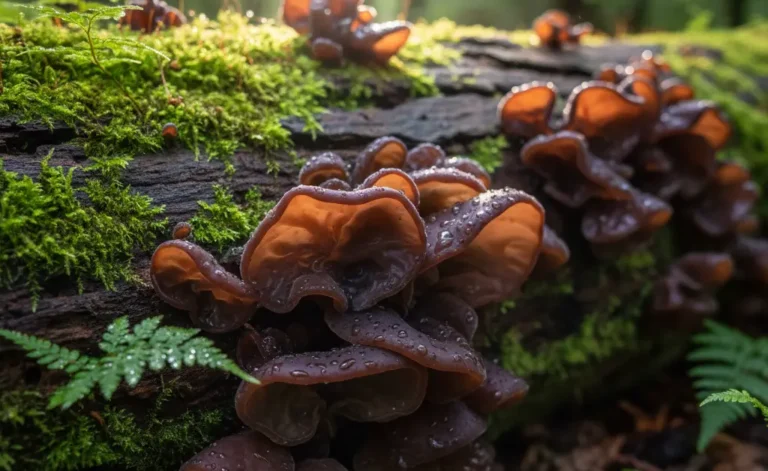
The most immediate and surprising quality of a wood ear mushroom is its dual texture. The thinner, frilled edges provide a delicate, almost crisp snap upon biting, similar to the resistance of tender cartilage. This initial crispness quickly gives way to a much softer, more yielding body. This combination of a firm bite and a tender chew is what sets it apart. The sensation is not a hard crunch but rather a satisfying, subtle resistance that makes each bite interesting. Its distinctive wood ear mushroom appearance, resembling a human ear, contributes to its intriguing nature.
Gelatinous and Slightly Chewy Qualities
Beyond the initial crisp-softness, wood ear mushrooms possess a distinct gelatinous quality. This is due to the presence of polysaccharides that, when cooked, create a smooth and slightly slippery mouthfeel. Further research on the nutritional composition of these mushrooms can be found on NCBI. This gelatinous nature is coupled with a pleasant chewiness that is firm but never tough or rubbery when prepared correctly. This characteristic allows the mushroom to add body to soups and sauces, contributing to the overall richness of a dish without overpowering it with flavor.
Factors Influencing Wood Ear Mushroom Texture
Several factors can alter the final mouthfeel of wood ear mushrooms, making them a remarkably adaptable ingredient. From their initial state—fresh or dried—to the way they are cooked, each step in the preparation process plays a crucial role in defining their bite and consistency. A cook’s ability to manipulate these variables is key to achieving the desired outcome in a dish.
How Hydration Changes Consistency
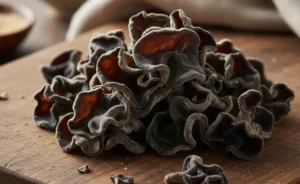
Wood ear mushrooms are most commonly sold in a dried, shriveled state and require rehydration before use. The process of soaking them in water dramatically transforms their consistency from hard and brittle to pliable and gelatinous. The duration of the soak is important; a proper rehydration results in a mushroom that is tender yet retains its signature crisp bite. Under-soaking can leave them tough, while over-soaking may result in a texture that is overly soft and loses its distinctive chewiness. The final rehydrated wood ear mushroom texture is a crucial component of its culinary appeal.
The Effect of Cooking Methods on Bite
The cooking method chosen has a profound impact on the mushroom’s texture. Quick cooking methods, like a rapid stir-fry, tend to emphasize the crisp and snappy qualities of the fungus. The high, fast heat sears the outside while leaving the interior tender-crisp. Conversely, slower cooking methods, such as simmering in a broth or stew, soften the mushroom considerably. In these preparations, it becomes more gelatinous and tender, fully absorbing the surrounding liquid and contributing a silky, rich body to the dish.
Absorption of Flavors and Oils
Wood ear mushrooms have a very mild, almost neutral flavor. This characteristic, combined with their unique structure, makes them exceptional at absorbing the flavors of other ingredients. The gelatinous and slightly porous nature allows them to act like a sponge for broths, sauces, marinades, and oils. This absorption not only infuses the mushroom with flavor but also enhances its texture, making it juicier and more succulent. The oils and liquids it soaks up contribute to a richer, more satisfying mouthfeel. While commonly known, its wood ear mushroom scientific name is *Auricularia auricula-judae*.
Comparing Wood Ear Texture to Other Foods
Describing the feel of a wood ear mushroom can be challenging because it does not fit neatly into common food texture categories. Its unique combination of features is best understood by comparing it to other familiar foods, both within and outside the fungi kingdom. These analogies help to paint a clearer picture of what to expect.
The Characteristic “Earthy” Crunch
When compared to other mushrooms, the wood ear stands out. While varieties like shiitake offer a meaty and dense chew, and oyster mushrooms are known for their delicate, velvety feel, the wood ear provides a different experience. The “crunch” is not a dry crispness but a moist, cartilaginous snap. Distinguishing it from other mushroom varieties is simple once you experience its unique bite. This specific quality is a key reason why the wood ear mushroom texture is so highly valued in dishes that require textural contrast. It is also known by several wood ear mushroom other names depending on the region.
Non-Mushroom Texture Analogies
To better grasp the singular wood ear mushroom texture, it can be helpful to look at non-mushroom comparisons. The tender-crisp quality is often likened to that of al dente seaweed salad (wakame) or the soft cartilage found in some slow-cooked meat dishes. Some people also compare the slippery, gelatinous feel to that of aloe vera jelly or a very firm, unsweetened gummy. These parallels highlight the slippery, chewy, and slightly snappy nature that makes this fungus unlike any other common vegetable or protein.
In conclusion, the texture of the wood ear mushroom is its most defining and celebrated attribute. It defies simple categorization, offering a multifaceted experience that is at once crisp, tender, gelatinous, and chewy. This textural complexity is not static; it can be skillfully manipulated through hydration and cooking, allowing the mushroom to adapt to a wide array of culinary applications. From providing a snappy contrast in a vibrant stir-fry to adding a silky body to a slow-simmered soup, its ability to absorb flavors while contributing its unique mouthfeel makes it an invaluable ingredient. Understanding and appreciating this texture is the first step toward mastering its use in the kitchen.
This article is meant for general informational use and awareness. The content provided is not intended to be a substitute for professional culinary, dietary, or health advice. Individuals should consult with qualified professionals for guidance related to their specific circumstances and dietary needs. Always ensure proper identification and preparation of any foraged or purchased mushrooms.
FAQ
How would you describe the mouthfeel of wood ear mushrooms?
Wood ear mushrooms are known for their unique, gelatinous texture that provides a satisfying chew. They have a slightly crisp yet yielding quality that absorbs flavors beautifully. This interesting mouthfeel makes them a delightful addition to various dishes.
Do wood ear mushrooms stay crunchy when cooked?
When cooked, wood ear mushrooms typically become tender rather than remaining crunchy. Their inherent crispness softens considerably with heat, transforming into a more pliable consistency. This change allows them to integrate seamlessly into stir-fries and soups.
Are wood ear mushrooms chewy or rubbery?
Wood ear mushrooms are generally characterized as chewy, offering a pleasant resistance without being overly rubbery. The chewiness is a key attribute that contributes to their appeal in culinary applications. This textural quality is distinct and widely appreciated.
What happens to wood ear mushroom texture when rehydrated?
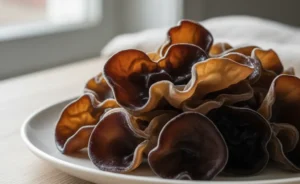
Upon rehydration, dried wood ear mushrooms swell and develop a more robust, gelatinous texture. They transition from being brittle to becoming pliable and slightly crisp. The wood ear mushroom texture after rehydration is ideal for adding body and interest to meals.
What is the texture of fresh wood ear mushrooms?
Fresh wood ear mushrooms possess a firm yet somewhat flexible texture with a subtle crispness. They are noticeably more yielding than their dried counterparts, offering a delicate bite. This fresh texture is quite distinct and highly prized.