
For many culinary enthusiasts and outdoor adventurers, the seasonal appearance of wild mushrooms marks a cherished moment. Beyond a simple ingredient, embracing these natural treasures speaks to a desire for authentic flavors and a deeper connection to nature. Among the most sought-after is the exquisite chanterelle mushroom, renowned for its distinctive peppery taste and fruity aroma. Whether you’re a seasoned chef looking to elevate your dishes, a novice forager eager to explore forest edibles, or simply someone interested in healthy, unique ingredients, understanding these golden gems is key. This comprehensive guide delves into everything from identifying and harvesting chanterelles safely to appreciating their unique nutritional benefits and discovering delicious ways to incorporate them into your kitchen, transforming your meals with a touch of gourmet wildness.
What Are Chanterelle Mushrooms?
Chanterelle mushrooms belong to the genus *Cantharellus* and are among the most popular and widely recognized wild edible fungi. Unlike many common mushrooms that have blade-like gills, chanterelles are distinguished by their false gills, which are actually forked ridges or wrinkles that run down the underside of the cap and onto the stem. They are mycorrhizal, meaning they form a symbiotic relationship with the roots of specific host trees, which is why they have proven exceptionally difficult to cultivate commercially. This makes traditional chanterelle mushroom cultivation a challenge. This relationship is fundamental to their life cycle and the health of the forest ecosystems where they thrive.
Chanterelle Mushroom Varieties
While the golden chanterelle is the most famous, the genus includes several other notable varieties. The White Chanterelle (*Cantharellus subalbidus*) is similar in shape but has a creamy white color and is often found with conifers. The Yellowfoot or Winter Chanterelle (*Craterellus tubaeformis*) is smaller, with a brownish cap and a distinct hollow yellow stem, often appearing later in the season. Each variety offers subtle differences in flavor and texture, but all share the characteristic ridges instead of true gills. Beyond chanterelles, other fascinating fungi like the Tremella mushroom also have unique properties.
Chanterelle Taste and Aroma
One of the most captivating qualities of chanterelles is their unique sensory profile. They are celebrated for a distinct aroma often compared to apricots or peaches. This fruity scent is a key identifying feature for many foragers. When cooked, their flavor is delicate, with nutty and mildly peppery notes that complement a wide range of ingredients without overpowering them. Their texture is equally prized; they are firm and slightly chewy, holding their shape well during cooking, unlike more fragile mushrooms.
Guide to Golden Chanterelle Mushrooms
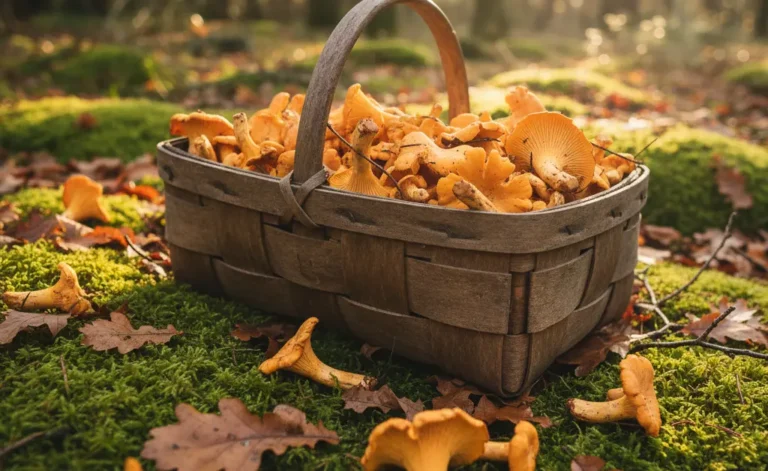
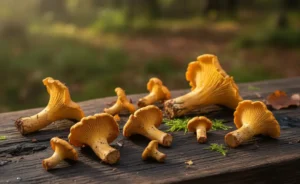
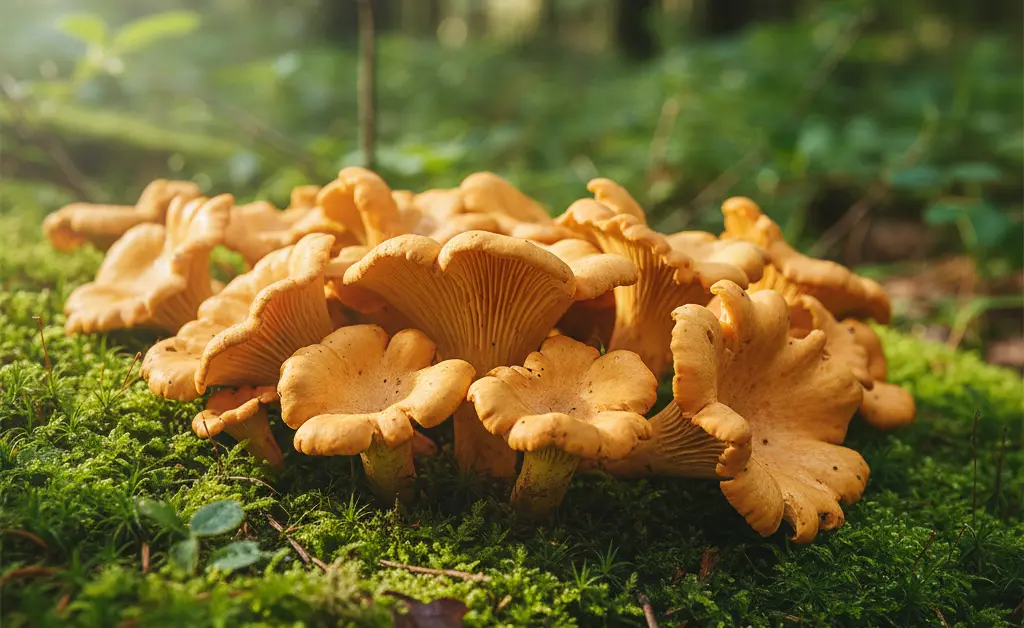
The Golden Chanterelle, scientifically known as *Cantharellus cibarius*, is the quintessential chanterelle and the benchmark by which others are judged. Its vibrant, egg-yolk yellow to golden-orange color makes it a stunning find in the dappled light of the forest floor. These mushrooms are typically funnel- or vase-shaped, with a cap that is often wavy and irregular at the edges. The entire mushroom is solid and meaty. Its widespread availability in temperate forests across the Northern Hemisphere, combined with its excellent flavor and texture, has cemented its status as a gourmet delicacy sought by chefs and foragers worldwide.
Chanterelle Mushroom Benefits
Beyond their culinary appeal, chanterelles have been studied for their potential contributions to a healthy diet. As a natural food source, the chanterelle mushroom is valued for its unique compounds. They have been a part of traditional diets in many cultures for centuries, appreciated not just for their flavor but also for their perceived role in overall wellness. Some research has focused on the antioxidant properties associated with fungi, suggesting they may play a role in supporting the body’s natural defense systems. Incorporating these wild mushrooms into meals can be a delicious way to diversify one’s intake of natural, unprocessed foods. These benefits often lead people to consider the chanterelle as a type of natural supplements.
Nutritional Value of Chanterelles
Chanterelles are a nutrient-dense food, meaning they offer a good profile of micronutrients while being low in calories and fat. They are a good source of dietary fiber, which is important for digestive health. Their composition makes them an excellent addition to a balanced diet, providing flavor and substance to meals without adding significant caloric load. The Lion’s Mane mushroom is another well-known type of functional fungi.
Vitamins and Minerals
These golden mushrooms are noted for containing several essential vitamins and minerals. They are particularly recognized as a natural source of vitamin D, especially when exposed to sunlight. Additionally, chanterelles may provide minerals such as potassium, which is important for bodily functions, and iron. The specific nutrient content can vary based on the soil, habitat, and growing conditions.
Foraging Chanterelle Mushrooms
Foraging for chanterelle mushrooms is a rewarding activity that combines hiking, nature observation, and the thrill of discovery. However, it is an endeavor that demands caution, respect for nature, and absolute certainty in identification. Successful foraging is not just about finding mushrooms but also about understanding the ecosystem and practicing sustainable harvesting to ensure future growth. For beginners, it is highly recommended to learn from an experienced local forager or mycological society.
Identifying Chanterelles
Proper identification is the most critical skill for any mushroom forager. Consuming a misidentified mushroom can have serious consequences. Learning to distinguish chanterelles from their look-alikes is a non-negotiable step before ever considering them for the table. This requires careful observation of multiple features, not just a single characteristic like color.
Key Identifying Features
- False Gills: This is the most important feature. Chanterelles do not have true, blade-like gills that are separate from the stem. Instead, they have rounded, forked ridges or veins that run seamlessly from the underside of the cap down the stem.
- Color: Most common varieties are a uniform egg-yolk yellow or golden orange. The color should be consistent, not significantly lighter at the edges or darker in the center.
- Shape: They typically have a funnel or vase-like shape, often with a wavy, irregular cap margin.
- Interior: When sliced in half, a true chanterelle has solid, dense flesh that is pale white or yellowish inside.
- Growth Habit: They grow on the ground, never directly on dead wood. They are often found scattered or in small groups near host trees.
False Chanterelles and How to Distinguish Them
There are two primary look-alikes that foragers must be able to distinguish. The Jack-O’-Lantern mushroom (*Omphalotus olearius*) is a poisonous mushroom that causes severe gastrointestinal distress. It has true, sharp, non-forked gills, and it grows in dense clusters on wood or buried roots, not scattered on the soil. The False Chanterelle (*Hygrophoropsis aurantiaca*) is another look-alike. While not as toxic, it can cause digestive upset. It also has true gills that are thin and sharply defined, and its color is often a more intense orange with a darker center.
Misidentification Risks
The primary risk of misidentification is accidentally consuming poisonous mushrooms. The Jack-O’-Lantern is a significant concern due to its toxicity. Symptoms of poisoning can include severe cramps, vomiting, and diarrhea. There is no room for error in mushroom foraging. The golden rule is simple and absolute: if you are not 100% certain of the mushroom’s identity, do not eat it. When in doubt, it is always best to consult an expert or discard the mushroom. For general health information, you can consult resources like the CDC.
Where to Find Chanterelles
Finding chanterelles requires knowing where to look. Their presence is tied directly to their preferred habitat and symbiotic tree partners. They do not grow just anywhere, but once you find a patch, they will often reappear in the same area year after year, provided the conditions are right.
Chanterelle Habitats (Forest Types)
Chanterelles are mycorrhizal and thrive in a partnership with tree roots. They are commonly found in mature hardwood forests, particularly those with oak and beech trees. Some varieties also associate with conifers like Douglas fir and hemlock. Look for them in mossy, damp areas with well-drained soil, often on gentle slopes or along old logging roads and trails. They prefer areas with dappled sunlight rather than deep, dark shade.
Geographic Distribution
The chanterelle genus has a broad geographic distribution and can be found in temperate forests across North America, Europe, Asia, and parts of Africa. In North America, they are particularly abundant in the Pacific Northwest, the Midwest, and along the East Coast. Different species dominate in different regions, but the general characteristics and habitats remain similar.
How to Harvest Chanterelles
Sustainable harvesting practices are crucial to ensure that chanterelle patches remain productive for years to come. When you find a chanterelle, it is best to use a knife to cut the stem just above the ground. This method minimizes disturbance to the mycelium—the underground fungal network from which the mushrooms grow. Alternatively, you can gently twist and pull the mushroom, but cutting is often preferred. Using a basket or a mesh bag for collection is highly recommended. These containers allow spores from the mushrooms to disperse throughout the forest as you walk, potentially helping to propagate new growth. Harvesting a chanterelle mushroom with care is a sign of a respectful forager.
Cleaning and Preparing Chanterelles
Chanterelles are notoriously difficult to clean because their funnel shape and ridges easily trap dirt, pine needles, and small insects. It is best to avoid soaking them in water, as they are absorbent and can become soggy. The preferred method is to use a soft mushroom brush or a dry pastry brush to gently whisk away debris. For stubborn dirt, a damp paper towel can be used. After cleaning, they are ready for preparation. A simple tip for preparation is to tear larger mushrooms into uniform pieces by hand rather than cutting them, which helps them maintain a more natural, rustic texture when cooked.
Storage of Fresh Chanterelles
Fresh chanterelles are perishable and should be used as soon as possible for the best flavor and texture. For short-term storage, place them in a paper bag or a container with a loose-fitting lid in the refrigerator. This allows them to breathe and prevents them from becoming slimy, which can happen in a sealed plastic bag. For longer preservation, chanterelles can be sautéed in butter or oil and then frozen, or they can be dehydrated.
Chanterelle Mushroom Recipes
In the kitchen, the chanterelle mushroom is prized for its versatility and gourmet appeal. Its firm texture holds up exceptionally well to various cooking methods, including sautéing, roasting, and braising. The flavor is delicate enough to be the star of a simple dish but complex enough to add a sophisticated layer to sauces, soups, and stews. They are a favorite ingredient for chefs looking to create seasonal, high-end dishes.
Culinary Uses of Chanterelles
The culinary applications for chanterelles are nearly endless. One of the best ways to enjoy their pure flavor is in a simple sauté with butter, garlic, and fresh thyme or parsley. This can be served as a side dish or on top of toasted bread. Creamy chanterelle pasta is another classic, where the mushrooms are cooked down with cream and shallots to create a luxurious sauce. They are also an excellent addition to risottos, omelets, savory tarts, and as a topping for steak or chicken. Another popular edible fungus is the Oyster mushroom.
Chanterelle Mushroom Season
The appearance of chanterelles is a highly anticipated seasonal event for foragers. Unlike cultivated mushrooms available year-round, these wild fungi have a distinct window of availability that is dictated by nature. Understanding their seasonality is key to planning a successful foraging expedition.
Peak Season for Chanterelles
In most temperate regions of the Northern Hemisphere, the peak season for chanterelles generally runs from early summer through mid-autumn. The exact timing can vary significantly by location and elevation. In some coastal areas with mild, wet winters, certain varieties like the Yellowfoot chanterelle can even be found into the early winter months.
Factors Affecting Seasonality
The primary driver for chanterelle growth is weather. They require significant rainfall, especially after a dry period, to trigger the fruiting of the mycelial network. Temperature is also a key factor; they need warm soil but will not fruit in extreme heat. A good, soaking rain in July or August followed by several days of warm, humid weather often creates the perfect conditions for a bountiful harvest.
Chanterelle mushroom price
The chanterelle mushroom often commands a high price at markets and restaurants, placing it firmly in the category of gourmet ingredients. This cost is not arbitrary but is a direct reflection of several factors. First and foremost, chanterelles are wild and cannot be commercially cultivated on a large scale due to their complex symbiotic relationship with tree roots. This means supply is entirely dependent on what foragers can sustainably harvest from forests. The process is labor-intensive, seasonal, and unpredictable, all of which contribute to the final price for consumers. For culinary enthusiasts, the option to buy chanterelle mushrooms from reputable sources is often sought.
Common Chanterelle Mushroom Misconceptions
Several misconceptions surround chanterelle mushrooms, particularly for those new to foraging. One common myth is that they can be cultivated at home like button or shiitake mushrooms; however, their mycorrhizal nature makes this nearly impossible for hobbyists. Another fallacy is that all brightly colored mushrooms are dangerous. The vibrant golden chanterelle serves as a perfect counterexample, proving that color alone is not a reliable indicator of toxicity. Finally, some believe that washing mushrooms ruins them. While it is true that chanterelles can absorb water, a quick rinse is sometimes necessary and is far better than consuming dirt or grit. When fresh chanterelles are unavailable, knowing how to find a good chanterelle mushroom substitute can be helpful.
Chanterelles represent a remarkable fusion of nature’s elegance and culinary delight. From their golden hue lighting up the forest floor to their apricot-like aroma and peppery taste, they offer a sensory experience that connects us to the wild. While the pursuit of foraging them is a rewarding journey, it underscores the critical importance of knowledge, caution, and respect for the environment. Accurate identification is paramount to avoid poisonous look-alikes. Whether foraged with expert guidance or purchased from a trusted source, the chanterelle mushroom provides a delicious opportunity to elevate everyday cooking into something truly special, bringing a touch of the wild forest directly to your table.
This article is meant for general informational use and awareness. It is not intended as a guide for identifying or consuming wild mushrooms, an activity that carries significant risks. Never consume a wild mushroom unless you are 100% certain of its identity, preferably confirmed by a local expert. The information provided here is not a substitute for professional advice and should not be used for medical diagnosis or treatment. Always exercise extreme caution and consult with mycological experts before foraging or eating any wild fungi.
FAQ
What do chanterelle mushrooms taste like?
Chanterelle mushrooms possess a delicate, slightly peppery, and subtly fruity flavor profile, often described as having notes of apricot or peach. Their unique taste makes them a sought-after ingredient in gourmet cuisine.
How do you identify a chanterelle mushroom?
True chanterelles are identified by their vase or trumpet shape, wavy or irregular cap edges, and false gills that run down the stem like wrinkles or ridges. They typically have a distinct, somewhat sweet aroma.
Where are chanterelle mushrooms found?
These mushrooms are mycorrhizal, meaning they form symbiotic relationships with tree roots, and are most commonly found in deciduous and coniferous forests across various continents. They often grow in mossy areas, on the forest floor, or near decaying wood.
When is chanterelle mushroom season?
Chanterelle mushroom season typically occurs during the warmer, wetter months, often starting in late spring and continuing through summer and into early fall, depending on local climate and rainfall patterns. Optimal foraging conditions are usually after significant rain.
Are chanterelle mushrooms poisonous?
No, true chanterelle mushrooms are not poisonous and are widely considered edible and delicious. However, it is crucial to be able to distinguish them from potentially toxic look-alikes, which requires careful identification.
What are the different types of chanterelle mushrooms?
While the “golden chanterelle” (Cantharellus cibarius) is the most well-known, there are several related species recognized globally, varying in size, color, and subtle flavor nuances. Examples include the black trumpet and smooth chanterelle.
Can chanterelle mushrooms be cultivated?
Cultivating chanterelle mushrooms is challenging because they are difficult to grow outside of their natural symbiotic relationship with specific trees. While research is ongoing, they are primarily harvested from the wild.