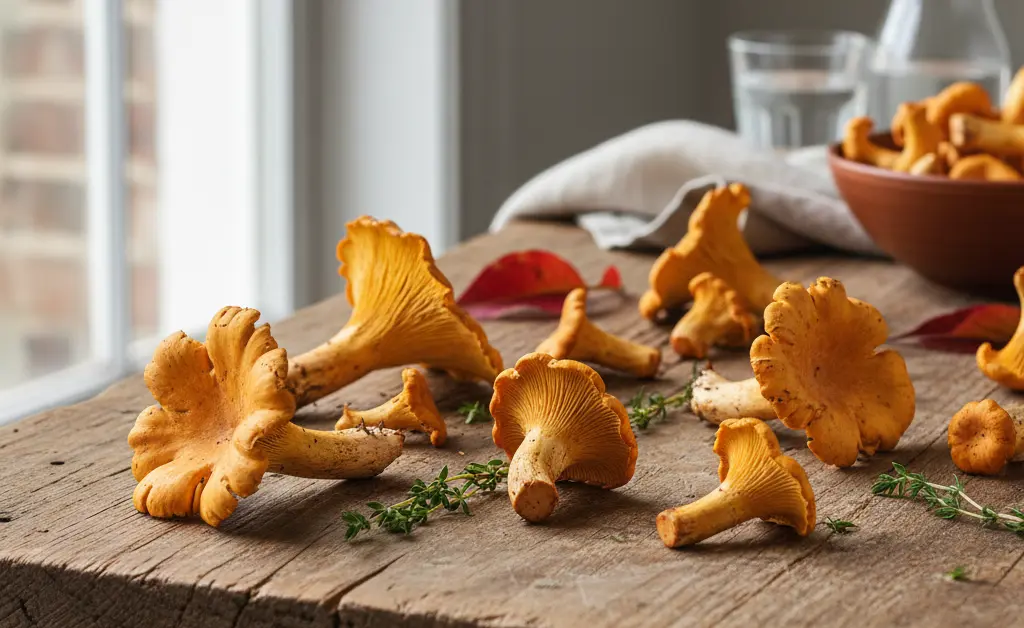
Chanterelle mushrooms are highly prized edible fungi, celebrated by chefs and home cooks alike for their unique flavor, often described as peppery, fruity, or earthy. They are recognizable by their distinctive trumpet-like shape, wavy caps, and gill-like ridges that run down the stem. Beyond their culinary appeal, understanding chanterelle mushroom facts is essential for identification, safe foraging, and appreciating their ecological role. These vibrant, golden-orange fungi emerge in specific habitats and seasons, making them a sought-after delicacy. Their delicate texture and aromatic profile make them versatile ingredients, perfect for sautéing, stirring into risottos, or as an accompaniment to various dishes. This guide aims to provide a comprehensive overview of these fascinating fungi, covering their characteristics, habitat, nutritional value, and safety considerations for enthusiasts and culinary explorers.
Chanterelle Mushroom Facts
Classification and Scientific Name
Chanterelle mushrooms belong to the genus Cantharellus within the family Cantharellaceae. The most famous species is the golden chanterelle, scientifically known as Cantharellus cibarius. However, the genus is complex and includes many other edible species that vary in color, size, and geographic location, such as the smooth chanterelle (Cantharellus lateritius) and the winter chanterelle (Craterellus tubaeformis), which is technically in a closely related genus. Genetic studies continue to refine the classification of these fungi, revealing a greater diversity than previously understood.
General Characteristics
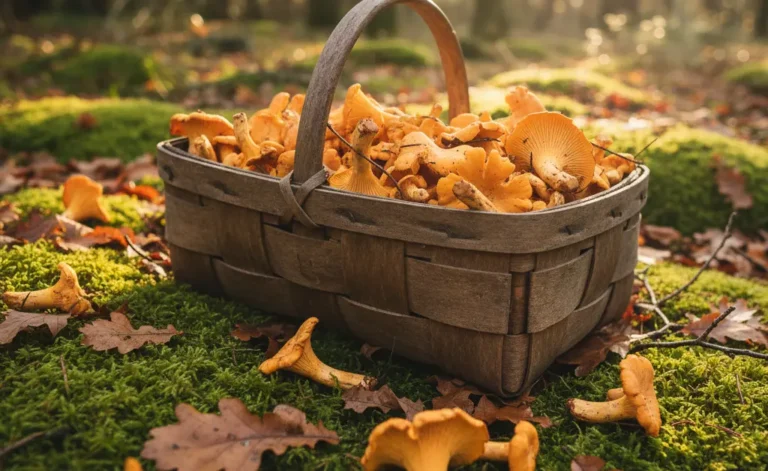
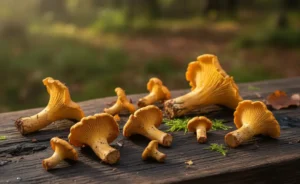
Chanterelles are distinguished by their unique form and structure. They typically have a funnel or trumpet-like shape, with the cap and stem forming a single, integrated unit. The cap margin is often wavy or irregular, and the color ranges from pale yellow and vibrant gold to orange or even reddish hues. When sliced open, the flesh of a true chanterelle is solid and white or pale yellow. One of their most beloved characteristics is their distinct aroma, which is frequently compared to apricots or peaches, adding to their culinary allure.
Key Identifying Features
Proper chanterelle mushroom identification is crucial for safe foraging. The most definitive feature is the underside of the cap. Instead of true, blade-like gills that are separate from the stem, chanterelles have “false gills.” These are actually blunt, forked ridges or veins that run down the stem (a feature known as decurrent) and cannot be easily separated from the cap. Another key identifier is that they always grow on the ground, never directly on wood. Finally, the flesh is firm and does not easily crumble, and their faint, fruity scent is a reliable clue.
Distinguishing from Look-alikes
The most dangerous chanterelle look-alike is the Jack-o’-lantern mushroom (Omphalotus olearius). While similar in color, the Jack-o’-lantern has true, sharp, non-forking gills and grows in dense clusters on decaying wood or buried roots, not singly from the soil. It is also toxic, causing severe gastrointestinal distress. Another look-alike is the false chanterelle (Hygrophoropsis aurantiaca), which has true, thin, deep-orange gills and softer, less pleasant-tasting flesh. Learning the key differences is one of the most important chanterelle mushroom facts for any forager.
Habitat and Growing Conditions
Geographic Distribution
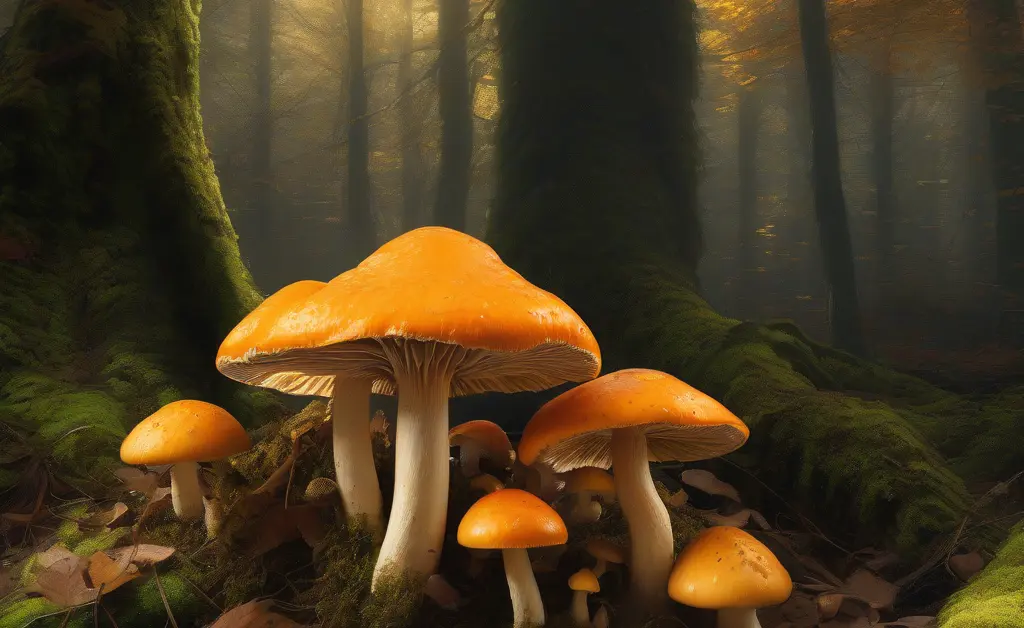
Chanterelles are found on multiple continents, including North America, Europe, Asia, and Africa. They thrive in forested areas, where they form a symbiotic mycorrhizal relationship with the roots of host trees. This means the fungus helps the tree absorb water and nutrients, and in return, the tree provides the fungus with sugars. Common host trees include oaks, birches, pines, and Douglas firs. They often appear in the same spots year after year if the habitat remains undisturbed.
Seasonal Availability
The season for finding chanterelle mushrooms varies depending on the climate and specific region. In most temperate zones, such as parts of North America and Europe, the peak season is from summer through fall, typically beginning in July and lasting until the first hard frost. However, in warmer climates like the West Coast of the United States, a second season can occur during the mild, wet winter and spring months. Knowing where and when to find chanterelle mushrooms requires an understanding of local weather patterns.
Factors Affecting Foraging Season
The appearance of chanterelles is heavily dependent on environmental triggers. The most critical factor is moisture. They typically “fruit” or emerge from the ground several days after a significant rainfall. Temperature and humidity also play a huge role; they prefer warm, humid conditions but not extreme heat. The health of the forest ecosystem, including the soil composition and the vitality of their host trees, directly impacts their abundance. These interconnected chanterelle mushroom facts show how sensitive they are to their environment.
Chanterelle Mushroom Nutritional Value and Health Benefits
Vitamins and Minerals
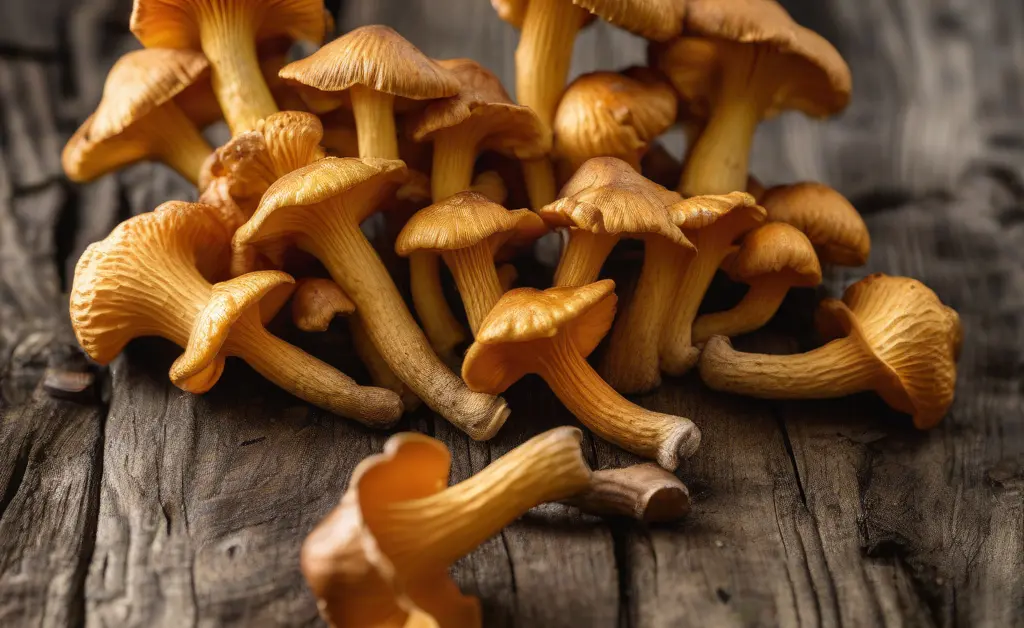
Chanterelle mushrooms are considered a nutritious food. They are a good source of several vitamins and minerals that contribute to a healthy diet. Notably, they are often rich in vitamin D, particularly when exposed to sunlight. They also contain B vitamins, such as niacin and riboflavin. In terms of minerals, chanterelles can provide potassium, which is important for bodily functions, as well as iron, which is essential for red blood cell formation.
Potential Health Properties
Beyond their basic nutritional content, chanterelles have been studied for other potential health-promoting properties. They contain various antioxidant compounds, including carotenoids, which give them their vibrant color. These antioxidants may help protect the body’s cells from damage. Furthermore, some research suggests that polysaccharides found in chanterelles could be associated with immune-supporting effects. For more information on general health guidance, resources from the NHS can be highly beneficial. These aspects are part of a growing body of research into the functional properties of edible fungi.
Common Chanterelle Misconceptions and Safety
Edibility
True chanterelles are considered choice edible mushrooms and are highly sought after for their exquisite flavor and texture. Their taste is complex, often described as mildly peppery with fruity undertones. They have a firm, slightly chewy texture that holds up well during cooking. For the best flavor, they should always be cooked. Common cooking methods include sautéing in butter with garlic and herbs, which brings out their unique aroma. They are versatile and can be added to pasta, sauces, soups, and egg dishes. Due to their desirability and the difficulty of cultivating them commercially, chanterelles can be quite expensive, especially when sold fresh.
Potential for Poisoning
The primary safety concern with chanterelles is misidentification. Consuming a look-alike, particularly the toxic Jack-o’-lantern mushroom, can lead to significant poisoning, characterized by vomiting, diarrhea, and abdominal cramps. While not typically fatal for a healthy adult, the symptoms can be severe. It is absolutely essential that foragers be 100% certain of their identification before eating any wild mushroom. Relying on multiple identifying features—false gills, growth from soil, solid white flesh, and fruity scent—is critical. Consulting field guides and, ideally, an experienced local mycologist can prevent dangerous mistakes. These crucial chanterelle mushroom facts underscore the importance of caution and expertise in foraging.
In summary, chanterelle mushrooms are a celebrated culinary delicacy with a fascinating ecological story. From their unique appearance with distinctive false gills to their symbiotic relationship with forest trees, they represent the complexity of the natural world. While they offer nutritional value and a gourmet flavor profile, the importance of correct identification cannot be overstated to avoid toxic look-alikes. Appreciating chanterelles involves understanding their habitat, seasonality, and the safety measures required for responsible foraging.
This material is shared for educational insight, not for clinical decision-making. The information presented here is not intended to diagnose, treat, cure, or prevent any disease and should not be used as a substitute for professional medical advice. Foraging for wild mushrooms carries inherent risks, and positive identification should be confirmed by a trained expert before consumption. Always consult with a qualified healthcare provider for any health concerns or before making any changes to your diet.
FAQ
What are chanterelle mushrooms?
Chanterelle mushrooms are a type of wild edible fungus recognized for their distinctive trumpet shape and often vibrant yellow-orange color. They are prized in culinary circles for their unique aroma and delicate flavor.
Are chanterelle mushrooms edible?
Yes, chanterelle mushrooms are widely considered edible and are a popular choice for foraging and gourmet cooking. They are known for their delicious taste and firm texture, making them a versatile ingredient.
What do chanterelle mushrooms taste like?
Chanterelle mushrooms typically have a mild, slightly peppery flavor with fruity undertones, often described as reminiscent of apricots. Their taste is delicate and earthy, making them a favorite among chefs.
Where do chanterelle mushrooms grow?
Chanterelle mushrooms are found in various forest ecosystems worldwide, often growing in association with specific tree species. They commonly thrive in deciduous and coniferous forests, preferring mossy areas or the bases of trees.
When is chanterelle season?
The season for chanterelle mushrooms generally occurs during the warmer months, typically from late spring through early fall. Their fruiting times can vary depending on the specific species and local climate conditions.
How do you identify chanterelle mushrooms?
Identifying chanterelle mushrooms involves observing their characteristic funnel or trumpet shape, wavy cap edges, and blunt, ridge-like “gills” that run down the stem. True chanterelles lack sharp, blade-like gills and have a solid, un-hollow stem.
What is the scientific name for chanterelle mushrooms?
The scientific name for the most commonly recognized chanterelle mushroom is *Cantharellus cibarius*. This binomial nomenclature helps distinguish this species from other similar-looking fungi.