
“`html
What makes the slopes of Mount Hood a coveted destination for mushroom enthusiasts each spring? For many, it’s the thrill of discovering elusive morels amidst the rich forest floor. This guide delves into the unique conditions that make the Mount Hood area an ideal habitat for these sought-after fungi, offering insights into optimal timing and locations. We will explore the specific environmental factors that contribute to successful harvests, providing foragers with the knowledge needed to maximize their chances. From understanding the best post-wildfire zones to identifying key plant indicators, this resource aims to equip you with essential information for a rewarding experience. Mastering the art of hunting for morel mushrooms at Mount Hood can turn a simple hike into an unforgettable culinary adventure, connecting you deeply with the natural world.
When and Where to Find Morels at Mount Hood
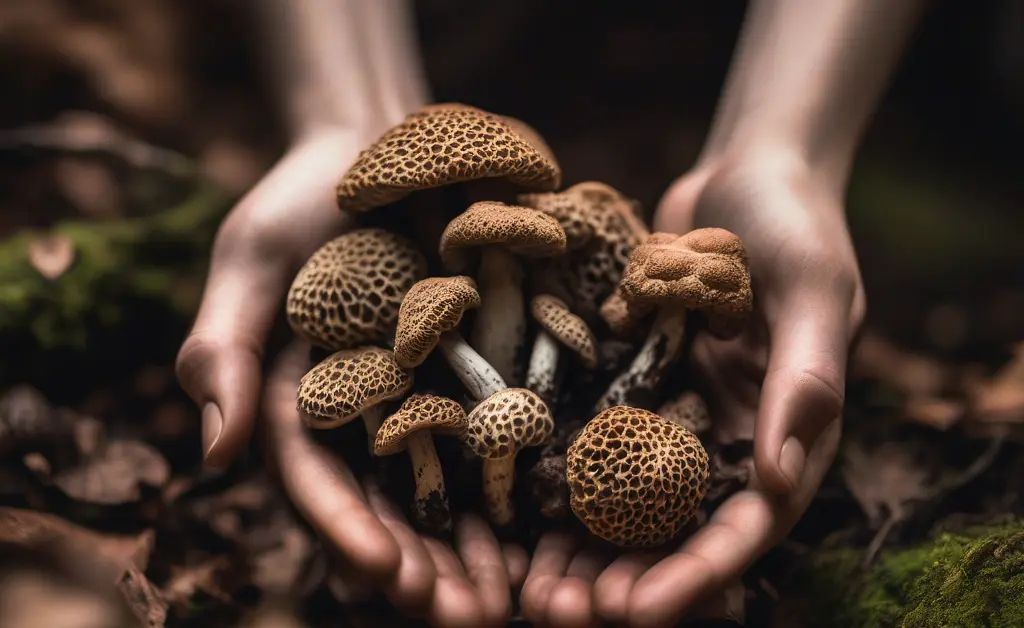
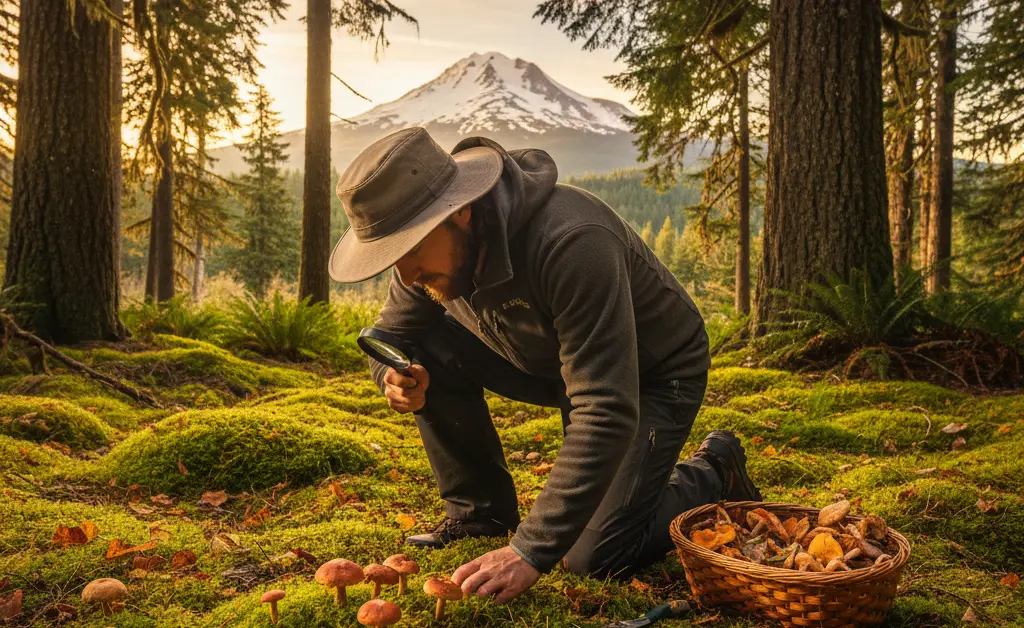
Understanding the interplay between season, elevation, and habitat is fundamental to a successful mushroom hunting expedition on Mount Hood. Morels are famously particular, and their appearance is a direct response to specific environmental cues. The mountain’s vast and varied landscape offers numerous pockets where these conditions align perfectly, but knowing what to look for is the key to finding them.
Why Mount Hood is a Prime Location
Mount Hood’s unique geology and ecology make it a premier destination for morel foraging. The volcanic soil is rich in minerals, and the mountain’s history of wildfires creates ideal conditions for certain types of morels, often called “burn morels,” which flourish in the seasons following a fire. The diverse forests, which include a mix of conifers like fir and pine as well as hardwoods such as cottonwood, provide the specific symbiotic relationships that morel mycelium requires to thrive. This combination of disturbed ground, nutrient-rich soil, and correct tree associations establishes the perfect foundation for prolific morel growth.
Optimal Season for Morel Hunting
The morel season on Mount Hood is a moving target, dictated more by environmental conditions than by the calendar. Generally, it begins in the spring as the snow melts and the soil warms. Foraging starts at lower elevations and gradually moves higher up the mountain as the season progresses. Instead of focusing on specific dates, successful foragers track soil temperatures and rainfall. The ideal time to look is when the ground has warmed sufficiently but retains ample moisture from spring rains or snowmelt. This window can be fleeting, making timing a critical element of the hunt.
Specific Locations and Microclimates
While no one will give away their secret patch, understanding the types of environments morels prefer is more valuable. Focus on areas with disturbed ground, such as the edges of logging roads, campgrounds, and, most famously, burn scars from previous years’ wildfires. Microclimates play a crucial role; early in the season, south-facing slopes warm up first and may produce the first flush of morels. As the weather warms, shift your focus to shadier, north-facing slopes where the soil stays cooler and moister for longer. Pay close attention to the trees, as morels often grow in association with Douglas fir, grand fir, and cottonwood trees.
Signs of a Good Foraging Spot
Experienced foragers learn to read the forest for clues. The presence of certain indicator plants can signal that conditions are right for morels. Many foragers aim to find morel mushrooms by looking for dandelions and ensuring the soil temperature is around 50 degrees Fahrenheit. When you see plants like trillium, fawn lily, or miner’s lettuce emerging, it’s a good sign that the soil has reached the right temperature. Look for ground that is moist but not waterlogged. A forest floor that is too dry or completely saturated is unlikely to yield mushrooms. The practice of hunting for morel mushrooms at Mount Hood is as much about observing these subtle ecological signs as it is about spotting the fungi themselves. For those just starting out, here is a helpful morel mushroom hunting for beginners guide.
Essential Gear and Ethical Practices
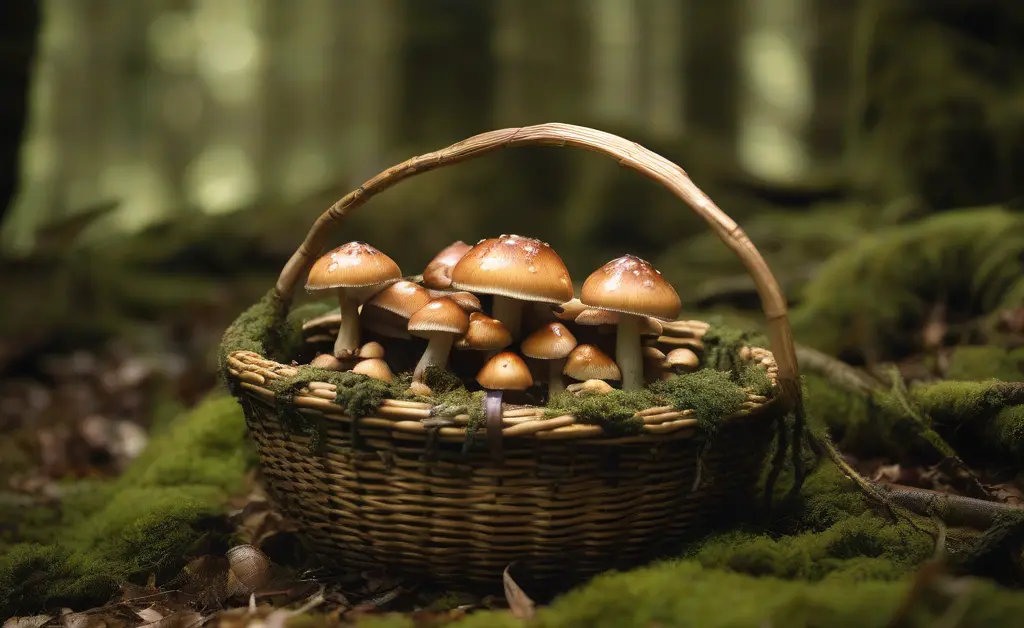
Being well-prepared not only increases your chances of a successful harvest but also ensures your safety and the long-term health of the forest ecosystem. Further scientific research on mycological practices can be found on PubMed. The right equipment makes the process of finding, gathering, and transporting morels easier, while a commitment to ethical foraging helps preserve this natural resource for years to come.
Tools for Gathering and Transport
Bringing the right tools is essential for an efficient and responsible foraging trip. A few key items will make your experience much more enjoyable and help protect the mushroom patch.
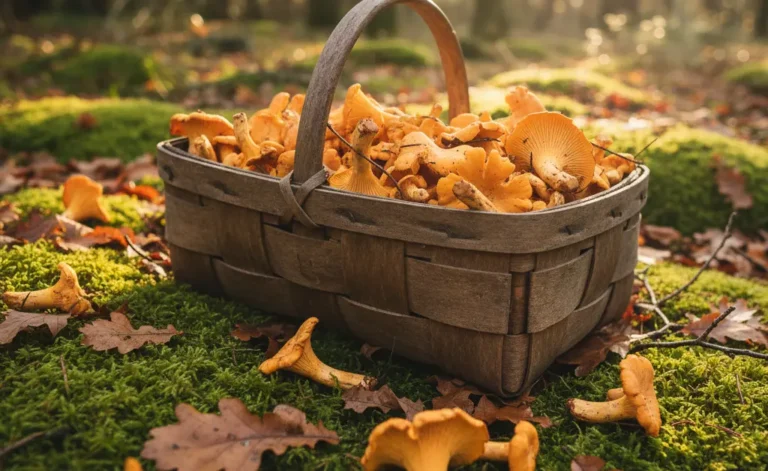
- Mesh Bag or Basket: This is the most important piece of equipment. Using a bag with a porous weave, such as a mesh laundry bag or a wicker basket, allows mushroom spores to disperse back into the forest as you walk. This helps to propagate morels for future seasons. Plastic bags should be avoided as they prevent spore dispersal and can cause the mushrooms to become slimy.
- Harvesting Knife: A small knife or pair of scissors is used to cut the morel at the base of its stem. This method is cleaner and helps to keep dirt out of your collection bag.
- Navigation Aids: The forests on Mount Hood can be vast and disorienting. Always carry a reliable map, compass, and a GPS device or a fully charged phone with offline maps. Knowing how to use them is just as important as having them.
- Appropriate Attire: Sturdy, waterproof hiking boots are a must for navigating uneven and often damp terrain. Dress in layers to adapt to changing weather conditions, which are common at higher elevations.
Sustainable Harvesting Techniques
Practicing sustainable harvesting is a core tenet of responsible foraging. These techniques ensure that mycelial networks remain healthy and that others have a chance to enjoy the bounty. When you find a morel, it’s best to gently cut the stem just above the ground rather than pulling it. This leaves the underground mycelium—the living part of the fungus—undisturbed, allowing it to continue producing mushrooms in the future. It is also considered good practice to leave very small, immature morels in place, giving them a chance to grow and release spores. Adhering to Leave No Trace principles by packing out everything you bring in is also a critical part of ethical hunting for morel mushrooms at Mount Hood.
A successful morel hunt on Mount Hood is a rewarding experience that blends hiking, nature observation, and the excitement of discovery. By understanding the mountain’s unique environment, learning to recognize the subtle signs of a promising location, and equipping yourself with the right gear, you can significantly improve your chances. Equally important is a commitment to ethical and sustainable practices, which ensures that these incredible fungi will continue to flourish on the mountain’s slopes for generations of foragers to come. With patience and knowledge, you can turn a walk in the woods into a memorable culinary pursuit.
This information should be viewed as educational rather than medical advice. Consuming wild mushrooms comes with inherent risks, as many poisonous species can resemble edible ones. Proper identification is critical before consuming any wild fungus. It is highly recommended to consult with a seasoned mycologist or an experienced local forager to confirm the identity of any mushroom you plan to eat. Never consume a mushroom unless you are absolutely certain of its species and edibility.
“`
FAQ
What is the best time of year to find morel mushrooms at Mount Hood?
Morel mushrooms typically emerge in the spring, with the prime season at Mount Hood generally running from April through June. This timing is dependent on snowmelt and soil temperatures, so conditions can vary year to year.
Where are the best spots on Mount Hood to hunt for morels?
Specific locations can be elusive and are often closely guarded secrets among experienced foragers, but morels at Mount Hood tend to favor areas that have experienced disturbances. Think about forests with recent fire activity or areas where logging has occurred, as these conditions can provide ideal habitats.
What equipment do I need for morel mushroom foraging?
Essential gear for this activity includes a breathable mesh bag to allow spores to disperse as you walk, a sturdy basket, a knife for harvesting, and a field guide for proper identification. Comfortable hiking boots and layers of clothing are also important for navigating the terrain and changing mountain weather.