More and more people are embracing a deeper connection with their food, moving beyond the grocery store to explore the natural bounty around them. This has sparked a renewed passion for foraging, turning a simple walk in the woods into a culinary treasure hunt. Among the most prized finds are the elusive morel mushrooms, celebrated by chefs and home cooks for their unique, earthy flavor. As this trend grows, so does the desire for success, leading many enthusiasts to wonder about The Fastest Way to Find Morel Mushrooms! This guide is designed to answer that question, offering practical advice and seasoned tips to help you locate these delicious fungi more efficiently and enjoy the rewarding experience of foraging.
The Fastest Way to Find Morel Mushrooms!
The quest to find morels quickly is less about a single secret and more about a strategic approach that combines knowledge, timing, and keen observation. True efficiency in morel hunting comes from deeply understanding their life cycle and habitat preferences. Morels have a complex, symbiotic relationship with their environment, particularly with certain types of trees. This relationship, known as a mycorrhizal association, means the fungus and tree roots work together, exchanging nutrients. Understanding this is fundamental to narrowing your search area. For a comprehensive overview, consult this morel mushroom hunting guide.
Furthermore, morels are highly sensitive to environmental triggers. They only produce their fruiting bodies—the mushrooms we harvest—when specific conditions of soil temperature, moisture, and seasonal progression are met. Therefore, learning to read these environmental cues is essential. Success isn’t just about walking in the woods; it’s about walking in the right woods at the right time. Combining this ecological knowledge with effective search techniques is truly The Fastest Way to Find Morel Mushrooms!, turning a potentially fruitless wander into a targeted and rewarding hunt. Understanding the morel mushroom weather is crucial for this timing.
How to Spot Morel Mushrooms
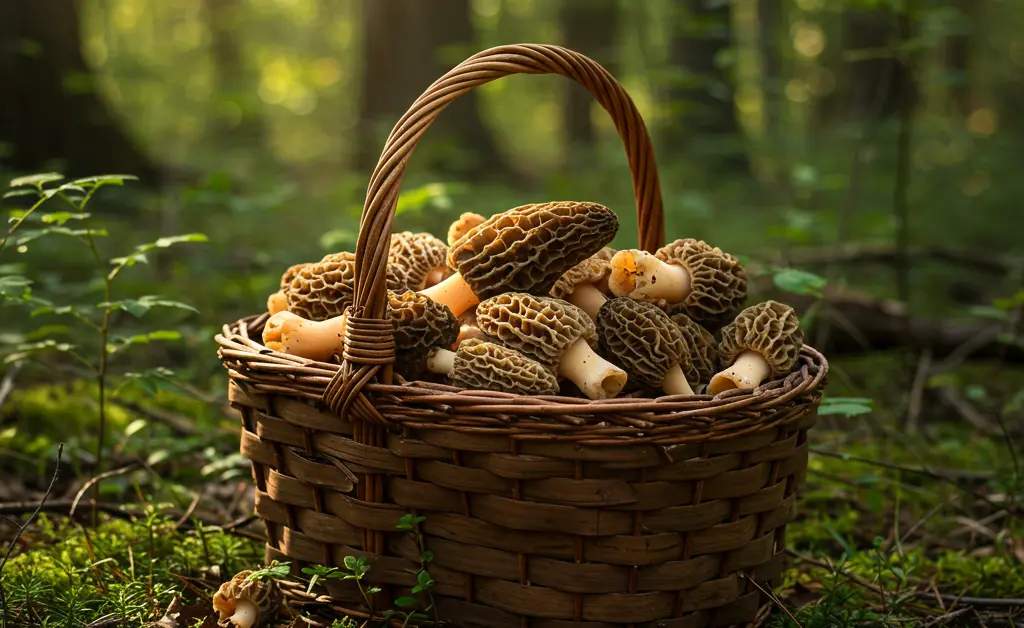
Morel mushrooms possess a unique and distinctive appearance that sets them apart from most other fungi, yet they can be masters of camouflage. Their most recognizable feature is the cap, which is deeply pitted and ridged, resembling a honeycomb or a natural sponge. The cap is fully attached to the stem, from the top to the bottom edge. Colors can vary widely, ranging from light yellow and gray in young specimens to deep tan and almost black in mature ones, often depending on the species and their habitat.
A critical identification feature is that a true morel is completely hollow inside. When sliced in half lengthwise, the entire mushroom, from the top of the cap to the bottom of the stem, should be a single, hollow chamber. This is the most reliable way to distinguish them from potentially toxic “false morels,” which often have a cottony, fibrous, or chambered interior and a cap that hangs freely from the stem rather than being fully attached. Training your eye to look for their unique texture and conical or bell-like shape against the forest floor is the first skill every forager must develop. This is especially important for morel mushroom hunting for beginners.
Tips for Hunting the Morel Mushroom
Effective morel hunting involves a blend of science and art. Success often hinges on timing your search with key natural events. Many experienced foragers don’t rely on the calendar but on “indicator species.” When plants like dandelions, trilliums, or mayapples begin to bloom, it’s often a sign that soil temperatures are right for morels to emerge. Monitoring soil temperature directly can also be effective; morels typically fruit when the ground reaches and maintains a certain temperature range.
Your search should focus on prime habitats. Morels are famously associated with specific trees. In many regions, they are commonly found near ash, elm (especially dying ones), old apple orchards, and sycamore trees. They also thrive in disturbed ground, so areas that have experienced logging, flooding, or even a forest fire in the previous year can be incredibly productive. When you enter a promising area, adjust your search pattern. Walk slowly, scanning the ground from different angles, as morels can be nearly invisible from one direction but obvious from another. Using a walking stick to gently move aside leaf litter can reveal hidden treasures. Knowing the right time is key, as discussed in the guide on morel mushroom when to pick.
Morel-Hunting Tips From a Fourth-Generation Forager
Wisdom passed down through generations of morel hunters often highlights the importance of patience and a deep connection with the forest. One of the most common pieces of advice is to “train your eyes.” When you find your first morel of the day, stop and take a moment. Study how it looks in its environment—the way the light hits it, its color against the leaves, and its shape. This helps create a mental search image, making it much easier to spot the next one. After finding one, it’s always wise to search the immediate vicinity carefully, as morels often grow in groups.
Another classic tip is to understand the life cycle of the trees. Seasoned foragers know to look for “host trees” that are in a specific state of decline, particularly elm and ash trees that are dying but not yet completely dead. These trees seem to trigger a final, abundant fruiting of the morel mycelium they are associated with. Finally, there’s the philosophy of the hunt: respect the woods. Only take what you need, use a mesh bag to allow spores to fall and propagate the next generation, and leave the habitat as you found it. The most successful hunt is one that ensures there will be more morels to find for years to come. For health and safety information regarding wild food consumption, consult the CDC.
Ultimately, finding morel mushrooms is an art that rewards preparation and patience. The thrill of the hunt comes from combining your knowledge of tree species, soil conditions, and weather patterns with the simple act of walking in the woods. Each successful find is a testament to your growing understanding of the forest’s intricate web of life. More than just a culinary ingredient, the morel represents a deeper connection to the natural world, a reward for those willing to look closely and appreciate the subtle signs of the season. With each trip, your skills will sharpen, and the forest will become a more familiar and generous place.
This article is written for general understanding and not for medical decision-making. The information provided is not a substitute for a comprehensive field guide or the guidance of an experienced mycologist. Never consume a wild mushroom unless you are 100% certain of its identification. Misidentification of mushrooms can lead to serious illness or other severe health consequences. Always exercise extreme caution and consult with an expert when foraging for wild edibles.
FAQ
What Month is Best for Morels?
The ideal time to find morel mushrooms generally falls within the spring months, often beginning around April and extending through May, depending on your geographic location. Warmer temperatures and adequate moisture create favorable conditions for their emergence.
Where are the best places to find morel mushrooms?
Morels tend to thrive in areas with disturbed soil, such as along stream banks, in old burn sites, or near decaying wood. They can also be found in woodlands and forests, often favoring damp environments.
When is the best time of year to find morel mushrooms?
The prime season for morel hunting is typically in the spring, coinciding with the warming soil temperatures and increased rainfall after winter. This period allows the mycelium to produce fruiting bodies, offering The Fastest Way to Find Morel Mushrooms!
What kind of trees do morel mushrooms grow near?
Morel mushrooms are frequently associated with hardwood trees, particularly those like ash, elm, oak, and apple trees. They have a symbiotic relationship with the roots of these trees, benefiting from the nutrients they provide.
How can I tell if a mushroom is a morel?
True morels are characterized by their distinctive honeycomb-like cap, which is deeply pitted and ridged, and their hollow interior. Unlike their poisonous look-alikes, the cap of a true morel is attached directly to the stem.