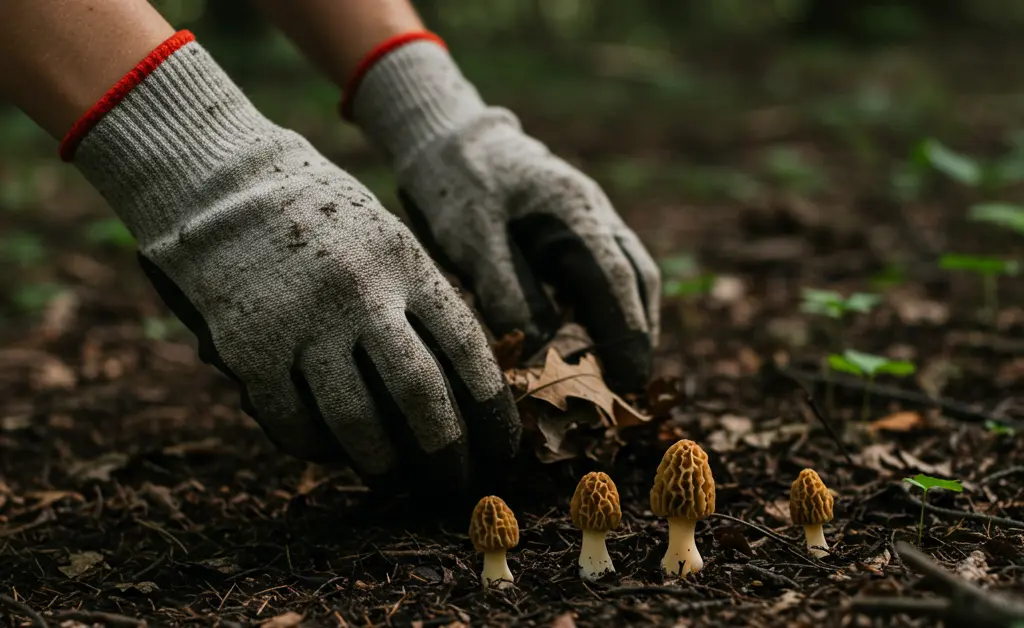
There’s nothing more discouraging for a mushroom forager than returning from a long day in the woods with an empty basket. Often, the difference between a bountiful harvest and a fruitless search comes down to timing. While many hunters rely on air temperature or the budding of certain trees, these indicators can be misleading. Focusing on a more reliable metric can dramatically increase your success rate. Understanding the ideal morel mushroom ground temp is the scientific key that unlocks the secret to when these elusive fungi actually begin to fruit. This guide will explore the precise soil conditions that trigger morel growth, helping you move beyond guesswork and time your foraging trips with confidence and precision.
Ideal Ground Temperature For Morel Mushrooms
While many factors contribute to a successful morel season, soil temperature is arguably the most critical and reliable indicator for hunters. It acts as the primary signal for the subterranean mycelial network to begin its reproductive cycle, which results in the mushrooms we eagerly seek. Foragers who learn to track this metric often find themselves in the right place at the right time, year after year. For a comprehensive understanding of the foraging process, consult this morel mushroom hunting guide.
The Magic Number: 53 Degrees Fahrenheit
Among seasoned morel hunters, a specific soil temperature is often referenced as the “magic number” that triggers the first appearance of morels. This temperature is widely considered to be around 53 degrees Fahrenheit (approximately 11.7 degrees Celsius). When the soil, measured a few inches below the surface, consistently reaches and holds this temperature, the conditions become favorable for the initial “popping” of morel mushrooms. It’s the moment when the mycelium receives its cue that spring has truly arrived and it’s safe to expend the energy required for fruiting.
Optimal Daytime vs. Nighttime Soil Temperatures
A single daytime reading is not the whole story. The optimal condition is a sustained warmth. The ground temperature should not only reach the low 50s during the day but also remain above the low 40s at night. If the soil cools down too much overnight, it can slow or halt the growth process. A period of several days where the soil temperature stays within this stable, warm range is the ideal scenario for a significant flush of morels. This consistent warmth tells the fungus that the danger of a hard, damaging frost has likely passed.
Variations in Ideal Temperatures by Morel Species
It’s also important to recognize that not all morels are the same. Different species may have slightly different preferences for soil temperature. For example, black morels are often the first to appear in the spring and may start fruiting when the soil is slightly cooler, perhaps in the upper 40s to low 50s. Half-free morels and gray morels follow, with the large yellow morels typically appearing last, often when the ground has warmed into the mid-to-upper 50s. Understanding which species are common in your area can help you fine-tune your temperature-based timing.
The Critical Role of Soil Temperature for Morels
Understanding why soil temperature is so important provides a deeper appreciation for the lifecycle of these fascinating fungi. It’s not just a random number but a fundamental biological trigger that governs the morel’s brief appearance above ground. This knowledge transforms a hunter from a passive searcher into an informed observer of a complex natural process. For those new to the hobby, a guide to morel mushroom hunting for beginners can be invaluable.
Why Soil Temperature Matters for Morel Fruiting
The mushroom we pick is only the fruiting body of a much larger organism. The main part of the fungus is the mycelium, a vast, web-like network of threads that lives in the soil and decaying wood. This network can live for years, waiting for the perfect conditions to reproduce. Fruiting is an energy-intensive process, and the mycelium will not undertake it unless it senses that the environment is stable and conducive to spreading its spores. Soil temperature is the most reliable signal of seasonal change and the arrival of these favorable conditions.
How Soil Temperature Triggers Morel Growth
When the soil warms to the optimal range, it initiates a series of biochemical reactions within the mycelial network. This warmth, combined with adequate moisture from spring rains and snowmelt, signals that the time is right. The mycelium begins to consolidate its resources and form tiny knots of tissue known as primordia, which are the embryonic beginnings of mushrooms. As the right morel mushroom ground temp is maintained, these primordia absorb water and nutrients, swell rapidly, and push their way up through the soil to emerge as the pitted, cone-shaped fungi that foragers treasure.
Morel Mushroom Ground Temp Chart
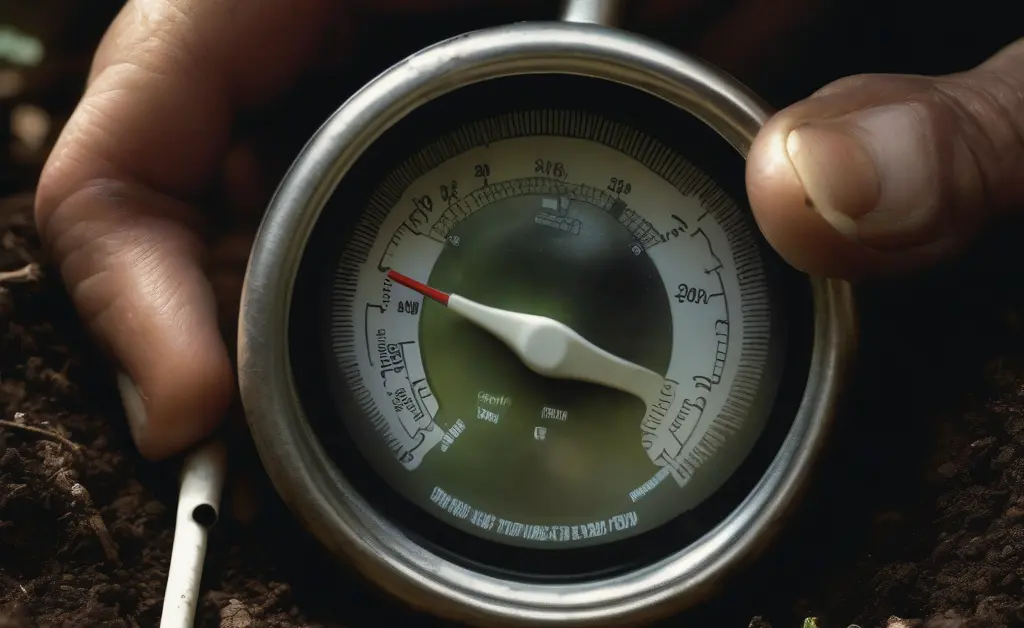
Monitoring soil temperature provides a clear advantage in timing your hunts. While not a guarantee, tracking these changes can help you predict the different phases of morel development in your local woods. Using a simple soil thermometer, you can gather data that tells a story about what’s happening beneath the surface. The following table provides a general guide to what different temperature ranges might indicate.
| Soil Temperature (Fahrenheit) | Corresponding Morel Stage |
|---|---|
| Below 45°F | Dormant Phase: Mycelium is waiting. Too cold for significant activity. |
| 45°F – 52°F | Awakening Phase: Mycelium is becoming active. Primordia may be forming below ground. Black morels may begin to appear at the upper end of this range. |
| 53°F – 59°F | Peak Fruiting Zone: The ideal range for most morel species, including yellows. This is the prime time to be actively hunting. |
| Above 60°F | Waning Phase: Conditions may be becoming too warm. The season is likely ending in this area, though some late-season finds are possible. Mushroom quality may decline. |
When to Start Looking for Morels Based on Soil Temperature
Shifting from traditional, often unreliable indicators to a data-driven approach centered on soil temperature can revolutionize your foraging strategy. It allows you to anticipate the season’s start, peak, and end with much greater accuracy, saving you from fruitless trips during periods when conditions are not yet right or have already passed.
Using Soil Temperature as a Morel Hunting Indicator
To use soil temperature effectively, invest in a quality soil thermometer. When you check your spots, insert the thermometer about four inches into the ground, as this depth provides a more stable reading than the surface layer. Check temperatures in various locations—sunny spots, shaded areas, and south-facing slopes—to get a complete picture of how your woods are warming up. When you start seeing consistent readings in the low 50s, it’s time to begin your search in earnest.
Typical Morel Hunting Seasons Correlated with Soil Temps
The calendar dates for morel season vary widely by geographic location, but the soil temperature requirements remain remarkably consistent. In southern regions, the ideal morel mushroom ground temp might be reached in March, while in northern latitudes or at higher elevations, it might not occur until May or even June. The “season” is not a date on the calendar but a window of opportunity defined by soil conditions. A particularly warm spring can lead to an early season, while a long, cold spring will delay it. Some foragers might even plan trips to specific locations, like hunting for morel mushrooms at Mount Hood.
Soil Temperatures as Predictors for Mushroom Emergence
By tracking soil temperatures early in the spring, you can become a morel forecaster. When temperatures are consistently in the mid-40s, you know the mycelium is likely waking up. This is a good time to scout your locations, checking for moisture levels and confirming the health of associated tree species. As the thermometer readings climb toward 50°F, you can increase the frequency of your visits, knowing that the emergence of the first mushrooms is imminent.
Factors Influencing Morel Soil Temperature
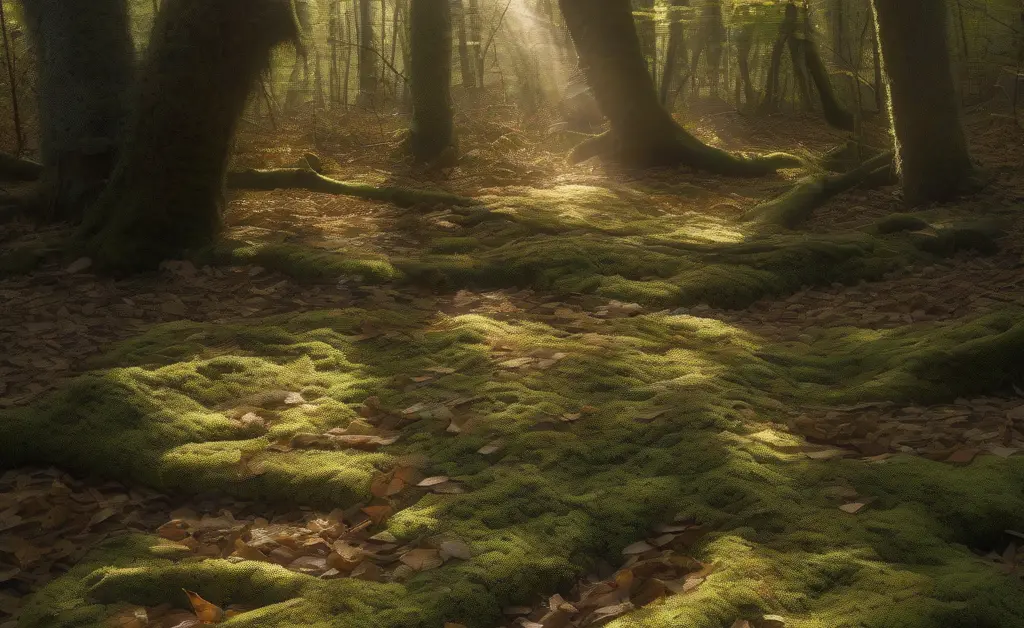
Soil temperature is not a uniform variable; it’s a dynamic metric influenced by a host of environmental factors. Understanding these factors will help you identify microclimates where morels might appear earlier or later than in the surrounding landscape. A successful hunter knows that a forest is not a single environment but a mosaic of different conditions.
Impact of Air Temperature on Soil
Air temperature is a primary driver of soil temperature, but the relationship is not one-to-one. Soil has high thermal mass, meaning it heats up and cools down much more slowly than the air. Several days of warm air temperatures are needed to raise the soil temperature by just a few degrees. Conversely, a brief cold snap might not significantly impact the soil if it has already been warmed. Look for patterns of sustained warmth rather than reacting to a single warm day.
Role of Sunlight and Shade
The amount of direct sunlight a piece of ground receives is a crucial factor. South-facing slopes receive more direct sun and will warm up much faster in the spring than north-facing slopes. Likewise, areas with an open canopy, such as the edges of forests, clearings, or woods with smaller, leaf-bare trees, will have warmer soil earlier in the season. Dense, shaded stands of conifers, on the other hand, will keep the ground cooler for longer. The ideal morel mushroom ground temp will be reached at different times in these varied locations, often just yards apart.
Morel Mushroom Ground Temp Fahrenheit
Focusing on the morel mushroom ground temp in Fahrenheit provides American foragers with a clear, actionable metric. While there is a celebrated “magic number,” it’s best to think in terms of a target range. When the soil, measured four inches deep, consistently holds between 50°F and 60°F, you are in the prime window for morel fruiting. Temperatures climbing into the low 50s signal the start of the season, often with the emergence of black morels. As the ground warms into the mid-and-upper 50s, conditions become perfect for the larger yellow morels. Tracking this temperature range is far more reliable than watching for specific flowers to bloom or trees to bud, as it is a direct measurement of the conditions the fungus itself is experiencing. A specialized tool like a morel mushroom knife can be helpful for harvesting.
Ultimately, while mastering soil temperature is a giant leap toward consistent success, it remains just one part of the complex puzzle of morel hunting. It must be considered alongside other critical factors, especially moisture. A warm forest that is bone dry will not produce mushrooms. The ideal scenario is for the ground to reach the optimal temperature range after receiving adequate spring moisture from rain or snowmelt. By combining knowledge of temperature, moisture, geography, and associated tree types, the dedicated forager moves beyond luck and begins to truly understand the forest and its hidden treasures.
This information is provided for educational purposes only. It is not intended to be a substitute for professional advice. Always be 100% certain of your identification before consuming any wild mushroom, as many poisonous species can resemble edible ones. If you are not absolutely sure, do not eat it. Consulting local experts and field guides is essential for safe foraging. For general health information, consult the WHO.
FAQ
What is the ideal soil temperature for morel mushrooms?
The morel mushroom ground temp is a critical factor for their emergence. Soil temperatures ideally fall within the range of 55-65°F (13-18°C) for optimal fruiting. This warmth signals to the mycelium that conditions are favorable for reproduction.
How does air temperature affect morel mushroom growth?
While soil temperature is key, air temperature also plays a significant role. Morel mushrooms typically emerge when daytime air temperatures are consistently between 60-70°F (15-21°C) and nighttime temperatures do not drop too drastically. This consistent, mild weather provides a conducive environment for their development after the initial soil warming.