
While many foragers and chefs issue a blanket warning against pairing morels with alcoholic beverages, the reality of the interaction is far more complex than a simple prohibition. The concern isn’t entirely unfounded, as a subset of people do experience adverse reactions. However, for every cautionary tale, there are countless diners who have enjoyed this combination without issue, leading to considerable confusion. This discrepancy often prompts the question, why cant you eat morels with alcohol? Exploring the science behind this culinary pairing reveals that the answer involves specific compounds, individual sensitivities, and even the type of beverage consumed, rather than a universal toxic effect. Understanding these nuances is key to safely enjoying these prized fungi without unnecessary fear.
Are Morels Toxic with Alcohol?
The relationship between morels and alcohol is not one of straightforward toxicity in the way that poisonous mushrooms are toxic. Instead, it’s better characterized as a conditional intolerance that affects certain individuals. The reaction is not guaranteed, and many people consume the combination without any ill effects. However, for those who are sensitive, the experience can be quite unpleasant. You can learn more about morel mushroom safety here.
The Nature of the Toxin or Compound
Scientists have not yet definitively identified the exact compound in morels responsible for this reaction. It is often compared to coprine, a substance found in certain inky cap mushrooms that famously causes a severe reaction when mixed with alcohol. However, research has confirmed that morels do not contain coprine. The current hypothesis is that morels contain a different, yet-to-be-isolated compound that has a similar effect. This substance is believed to be thermolabile, meaning it can be partially broken down by heat, which is why thoroughly cooking morels is always critical. Even with proper cooking, enough of the compound may remain to cause a reaction in susceptible people. This is a key aspect of understanding morel mushroom side effects.
How Alcohol Exacerbates the Effect
The presumed mechanism involves the way the body processes alcohol. Normally, alcohol is broken down into acetaldehyde, which is then quickly converted into a harmless substance by an enzyme. The compound in morels is thought to interfere with this enzyme, leading to a buildup of acetaldehyde in the bloodstream. This accumulation is what causes the collection of unpleasant symptoms, which are often similar to a very rapid and intense hangover.
Individual Sensitivities and Factors
The most puzzling aspect of the morel-alcohol interaction is its inconsistency. Whether a person experiences a reaction seems to depend heavily on individual biochemistry. Genetic factors likely play a significant role in how efficiently a person’s body processes both the compound in the morels and alcohol. The quantity of morels eaten, the amount of alcohol consumed, and a person’s overall health and metabolism can also influence the outcome. For some, even a small glass of wine with a large portion of morels might trigger a reaction, while others may notice nothing. This highlights the importance of knowing morel mushroom vs poisonous distinctions.
Origin of the Warning
The warning against mixing morels and alcohol is deeply rooted in foraging traditions and anecdotal evidence. For generations, mushroom hunters and home cooks have observed that some people get sick after consuming this combination. These personal accounts and case reports have been passed down, solidifying into a widely accepted piece of folk wisdom. This cautionary advice serves as a practical, safety-first guideline in the absence of complete scientific understanding.
Debunking Common Misconceptions
A primary misconception is that everyone who combines morels and alcohol will become ill. This is demonstrably false, as many people enjoy the pairing regularly. Another common myth is that the reaction is a form of classic mushroom poisoning. In reality, it is an intolerance or sensitivity reaction, not a life-threatening toxic event for most. It is also important to distinguish this interaction from the sickness caused by eating raw or undercooked morels, which can cause significant gastrointestinal distress on their own, with or without alcohol.
Scientific Evidence vs. Anecdotal Reports
The vast majority of evidence supporting the morel-alcohol sensitivity comes from anecdotal reports and a handful of published case studies. While these accounts are numerous and consistent enough to be taken seriously, they lack the rigor of controlled scientific studies. There have been no large-scale clinical trials to determine the prevalence of the sensitivity, identify the exact compound, or confirm the metabolic mechanism. This gap between widespread personal experience and limited scientific data is at the heart of the ongoing confusion. Research into mushroom toxicity can be found via resources like Cochrane Library.
Can Morels Be Eaten with Alcohol?
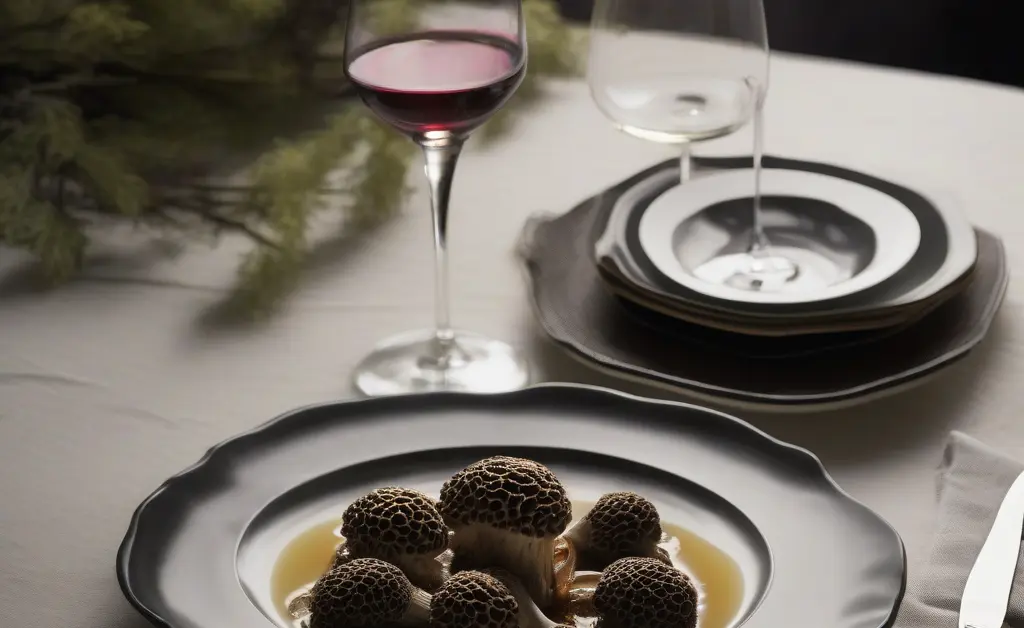
For many individuals, the answer is yes. Countless diners have paired morel mushrooms with wine, beer, or spirits without any adverse effects. However, the inability to predict who will react makes it a gamble. The guiding principles for safe consumption should always be moderation and personal caution. Those who have never tried the combination are often advised to test it in a very small quantity first, if at all. Answering the question of `Why cant you eat morels with alcohol?` involves acknowledging this risk, even if it only affects a minority.
Is It Safe to Have a Beer with Morels?
Whether it is safe to have a beer with morels depends entirely on the individual. Since the reaction is tied to alcohol in general, beer is not necessarily safer or more dangerous than wine or liquor. For a person who is sensitive, any alcoholic beverage has the potential to trigger symptoms. If you have previously enjoyed morels with other types of alcohol without issue, it is likely that beer will be fine as well. For those trying the pairing for the first time, caution is the best approach.
Morels and Beer
There is no scientific evidence to suggest that beer interacts with morels differently than other alcoholic drinks. The key ingredient is the alcohol itself. Some anecdotal reports may suggest that certain types of drinks are more or less likely to cause a reaction, but this is highly subjective and varies from person to person. The interaction is linked to the metabolism of alcohol, a process that is the same regardless of whether it comes from beer, wine, or spirits.
Timing of Alcohol Consumption
The timing of alcohol consumption appears to be a crucial factor. The reaction is believed to occur when the mushroom compounds and alcohol are being metabolized at the same time. Therefore, drinking alcohol shortly before, during, or immediately after a meal containing morels poses the greatest potential for a reaction. Some people who are sensitive to the combination report being able to tolerate it if they space out their consumption, such as waiting a few hours after eating morels before having a drink.
Understanding the Morel-Alcohol Interaction
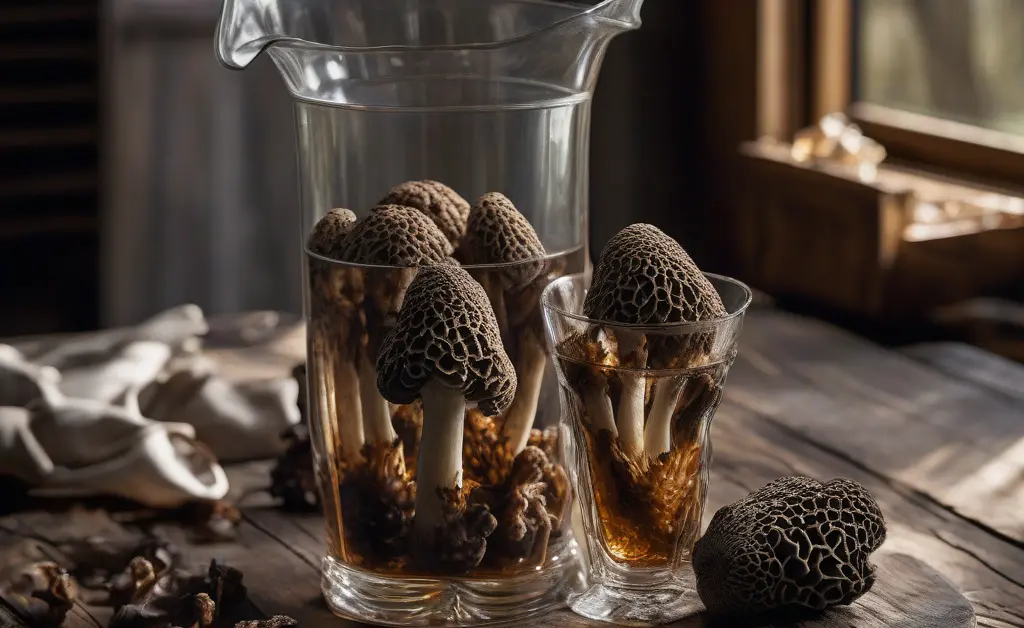
At its core, understanding the morel-alcohol interaction is about recognizing a specific food-drug incompatibility that affects a subset of the population. It is not a universal law of toxicology but a matter of individual biochemistry. The central question of `Why cant you eat morels with alcohol?` stems from the unpleasant symptoms that can arise when a specific, heat-resistant compound in the mushrooms interferes with the body’s ability to process alcohol. This leads to a buildup of acetaldehyde, a toxic intermediate metabolite of alcohol, causing a range of uncomfortable physical reactions in sensitive individuals.
Potential Risks and Symptoms
The symptoms associated with morel-alcohol sensitivity can range from mild and brief to severe and distressing, though they are not typically considered life-threatening. They usually appear relatively quickly after consuming the combination, often within 30 minutes to a couple of hours.
Gastrointestinal Distress
The most commonly reported symptoms are gastrointestinal in nature. Individuals may experience sudden onset of nausea, stomach cramps, bloating, and sometimes vomiting or diarrhea. The severity of these symptoms can vary widely, from a mild stomachache to more intense and disruptive discomfort that resolves after a few hours.
Neurological Effects
In addition to digestive upset, some people report neurological or vascular symptoms. These can include a flushing or reddening of the face, neck, and upper torso, sometimes accompanied by a sensation of heat. Other potential effects are dizziness, a rapid or pounding heartbeat (palpitations), and headaches. These symptoms closely mirror the effects of the coprine-alcohol interaction, lending credence to the theory of a similar metabolic blockage.
Why cant you eat morels with alcohol?
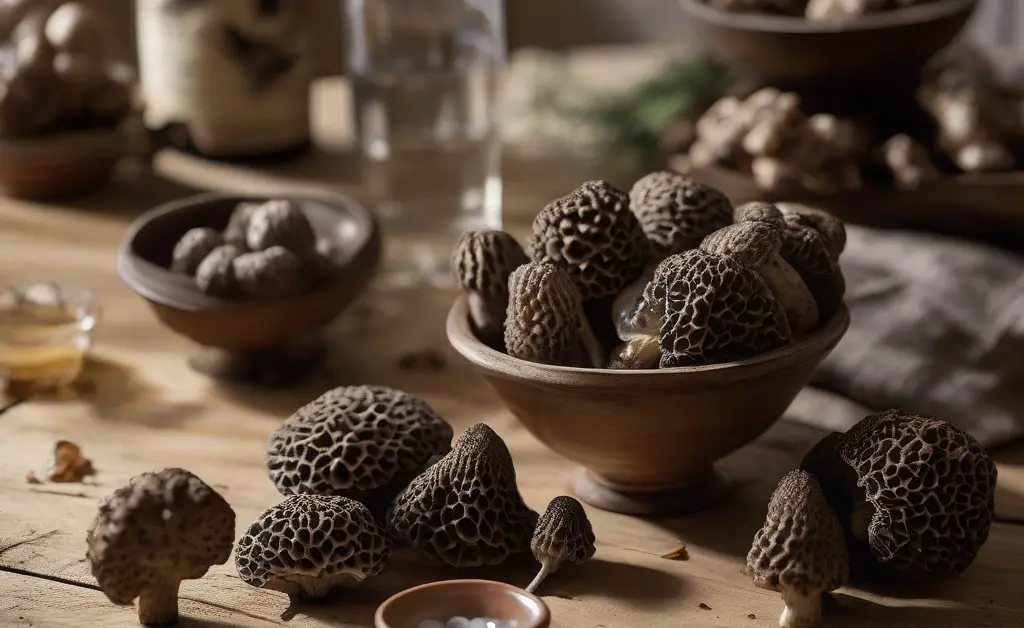
The question of `Why cant you eat morels with alcohol?` is best answered with a principle of caution. You “can’t” eat them together because of the unpredictable risk of a negative reaction for a minority of people. Since there is no way to know in advance if you are one of the individuals who are sensitive, the most common advice is to avoid the pairing altogether. The reaction is not a true poisoning but an intolerance, caused by a compound in the morels that disrupts normal alcohol metabolism. This can lead to unpleasant symptoms like facial flushing, nausea, and a rapid heartbeat. Furthermore, it’s crucial to distinguish this interaction from the sickness caused by improperly cooked morels. All morels must be thoroughly cooked to break down other potentially irritating compounds. Confusing symptoms from undercooked mushrooms with the alcohol interaction only adds to the confusion.
In conclusion, while many people can and do enjoy morels with alcohol without any issue, the potential for a very unpleasant reaction in sensitive individuals is real. The interaction is not fully understood scientifically, but the volume of anecdotal evidence is significant enough to warrant a cautious approach. The decision to combine them is a personal one, weighing the culinary pleasure against the potential for discomfort. Regardless of alcohol consumption, the most important safety rule is to always cook morels thoroughly, as consuming them raw or undercooked can cause gastrointestinal distress on its own. Special considerations may also apply if you are pregnant, and you can find out more about morel mushroom for pregnancy.
While this article discusses health-related topics, it does not provide medical guidance. The information presented is for educational purposes only and should not be considered a substitute for professional medical advice, diagnosis, or treatment. If you experience an adverse reaction after consuming morels or any food, it is important to seek consultation from a qualified healthcare provider or contact poison control for immediate assistance.
FAQ
What happens if you eat morels with alcohol?
Consuming morels with alcohol can lead to an upset stomach and gastrointestinal distress for some individuals. This combination may exacerbate potential sensitivities or digestive issues, making it less comfortable.
Is it safe to drink alcohol after eating morels?
While generally considered safe for most, combining alcohol with morels has been anecdotally linked to digestive upset in some people. Individuals may want to observe their own body’s reaction to this combination.
How long after eating morels can you drink alcohol?
There is no specific recommended waiting period after consuming morels before drinking alcohol. It is advisable to listen to your body and consume them separately if you experience any discomfort.