Many foragers and culinary enthusiasts eagerly await the arrival of spring, as it signals the start of morel hunting season. These prized fungi are celebrated for their unique flavor and texture, making them a sought-after delicacy. However, this rewarding activity comes with a significant risk due to the presence of toxic look-alikes. Mastering the key differences in the morel mushroom vs false morel debate is not just an academic exercise; it’s a critical safety skill for anyone venturing into the woods. Mistaking one for the other can lead to severe illness, highlighting the importance of accurate identification. This guide provides a detailed breakdown of the essential characteristics to help you distinguish between them, ensuring your foraging experience is both successful and safe.
Morel Mushroom vs False Morel: Key Differences
The most reliable way to tell true morels apart from their toxic impersonators is by examining several key physical features side-by-side. While no single characteristic should be used for identification alone, a combination of these traits provides a confident confirmation. Relying on a checklist of features rather than a single glance is the hallmark of a safe and knowledgeable forager.
Cap Structure
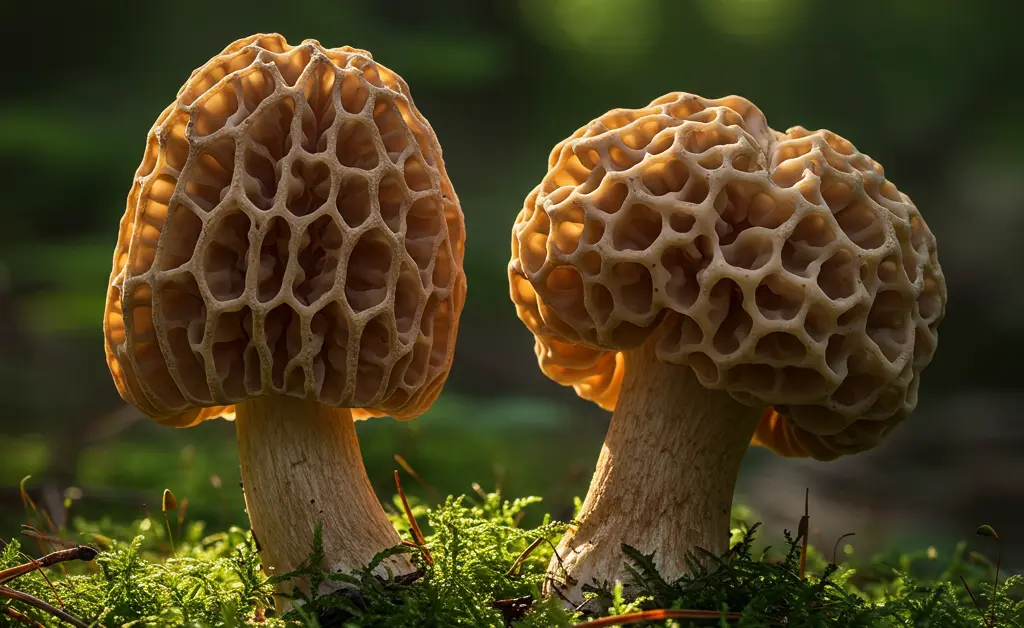
The cap is often the first and most telling indicator. A true morel has a cap that is completely attached to the stem from the top to the bottom edge. Its surface is covered in a network of pits and ridges, resembling a honeycomb or a natural sponge. In contrast, a false morel’s cap is often attached only at the very top of the stem, with the lower portion hanging freely like a skirt. The cap’s shape is convoluted and irregular, more closely resembling a brain or a saddle than a honeycomb. This difference is crucial for morel mushroom identification.
Stem Appearance
A definitive test to distinguish the two is to slice the mushroom lengthwise from top to bottom. A true morel will be completely hollow inside, forming a single, continuous chamber from the tip of the cap down through the entire stem. A false morel, when cut open, will not be hollow. Its stem is typically filled with cottony fibers, tissue, or divided into a series of smaller chambers. This internal difference is one of the most conclusive identifiers.
Surface Texture
The external texture provides additional clues. True morels feature a deeply pitted surface with distinct ridges that are integral to the cap’s structure. The feel is firm and structured. False morels tend to have a surface that is wavy, wrinkled, or lobed, but it lacks the deep, uniform, honeycomb-like pits of a true morel. Their surface might appear smoother or more velvety in places.
Color Variations
While color can be a helpful guide, it is the least reliable characteristic for identification because it can vary widely based on age and environment. True morels typically come in shades of gray, tan, yellow, or black. False morels often present in reddish-brown, yellowish, or purplish-brown hues. Since there can be some overlap, color should only be used as a secondary check after examining the cap, stem, and internal structure.
Understanding True Morels
True morels, belonging to the genus Morchella, are highly prized by chefs and foragers for their rich, earthy flavor and meaty texture. They are one of the most recognizable spring mushrooms, but their elusiveness adds to their allure. Identifying their preferred environments is key to a successful hunt. The ongoing discussion about the **morel mushroom vs false morel** often starts with a deep understanding of what makes a true morel unique in its natural setting.
Habitat and Growth Patterns
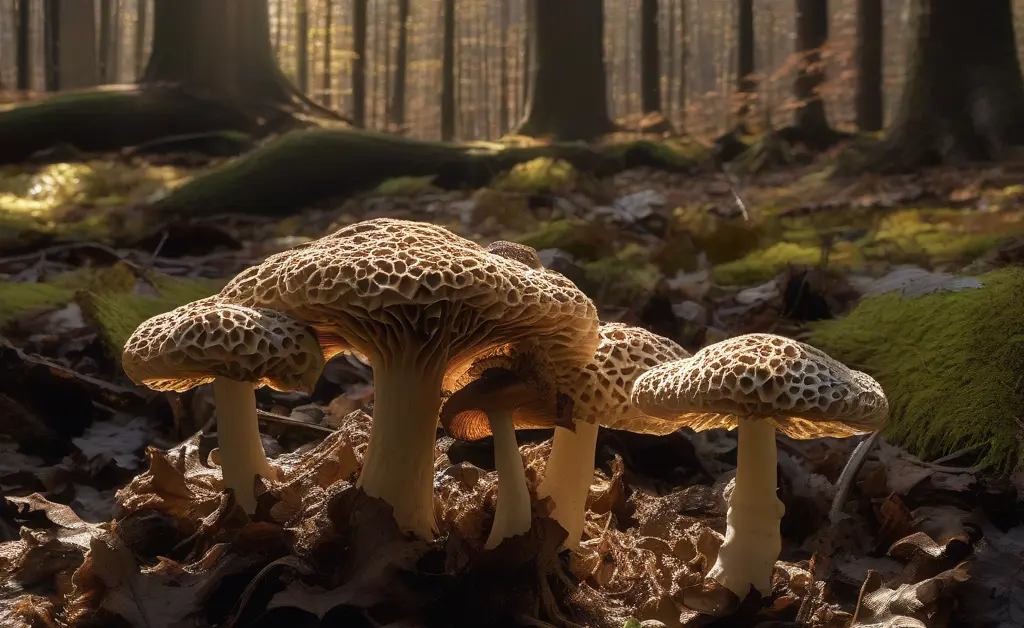
True morels are saprophytic and mycorrhizal, meaning they feed on dead organic matter and form symbiotic relationships with the roots of living trees. They commonly appear in the spring when soil temperatures are right. Look for them in wooded areas, particularly near ash, elm, poplar, and sycamore trees, as well as in old apple orchards. They also have a known affinity for disturbed ground, often fruiting abundantly in areas that have experienced recent forest fires, logging, or flooding. Learning about the various morel mushroom types can further assist foragers.
Understanding False Morels
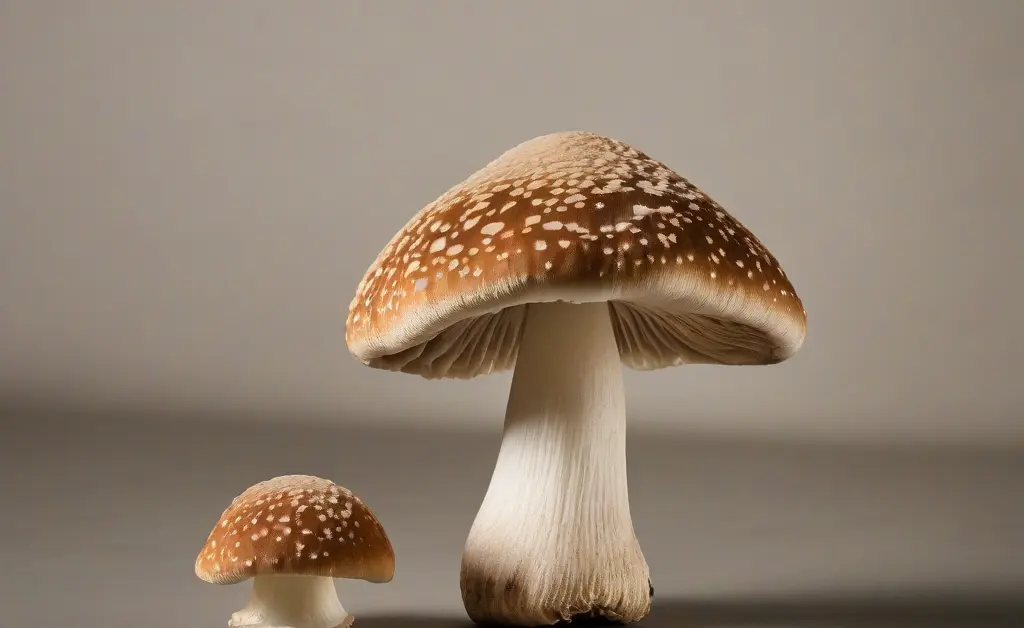
False morels are a group of mushrooms that bear a superficial resemblance to true morels but belong to different genera, most notably Gyromitra and Verpa. These mushrooms contain compounds that can be toxic to humans, making them dangerous to consume. Their appearance can be deceivingly similar to true morels at a quick glance, which is why a thorough examination is critical for any forager. Fully grasping the features of these look-alikes is a mandatory part of resolving the **morel mushroom vs false morel** identification challenge.
Risks of Misidentification
Mistaking a false morel for a true morel can lead to serious health consequences. Certain species of false morels, especially those in the Gyromitra genus, contain a compound that the body can metabolize into a toxic substance. Ingesting these mushrooms may cause a range of adverse effects, from severe gastrointestinal distress, including vomiting and diarrhea, to more systemic issues affecting the liver and central nervous system. The severity of the reaction depends on the species, the amount consumed, and individual sensitivity. Therefore, a mistake in the **morel mushroom vs false morel** comparison is not a minor error but a significant health risk. Information on mushroom toxins can be found at the National Library of Medicine.
Edibility and Consumption
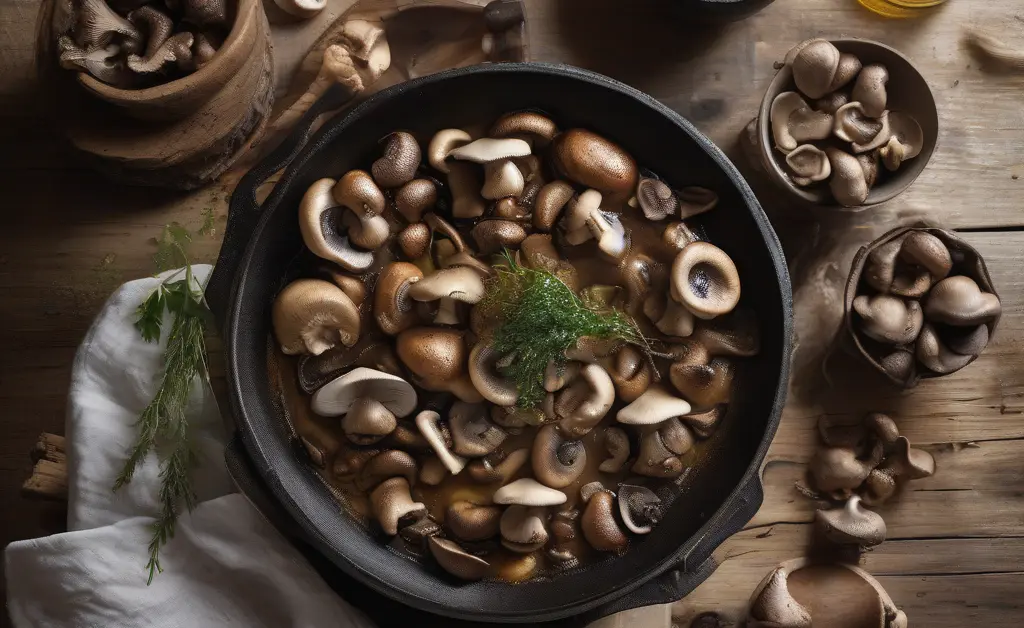
The topic of edibility is where the distinction between these mushrooms becomes a matter of safety. True morels are considered a choice edible mushroom and are highly sought after for culinary use. However, they must always be cooked thoroughly, as consuming them raw is known to cause stomach upset. False morels, on the other hand, are broadly classified as toxic and should not be eaten. While some cultures have traditions of preparing certain false morel species, the process is complex and risky, and modern mycological advice is to avoid them entirely. This clear-cut difference in edibility underscores why the **morel mushroom vs false morel** identification is a crucial skill for anyone harvesting wild fungi. Learn more about which morels are morel mushroom edible.
Ultimately, the practice of foraging for wild mushrooms is a rewarding hobby that connects people with nature. However, it demands respect, caution, and a commitment to learning. The differences between true and false morels are distinct and identifiable, but they require careful observation. For beginners, the safest approach is to learn from an experienced guide. When you are foraging on your own, the golden rule is simple: when in doubt, throw it out. No mushroom is worth the risk of serious illness. This comprehensive guide covers many morel mushrooms 2026 species guide.
This material is shared for educational insight, not for clinical decision-making. The information provided is not a substitute for the guidance of a trained mycologist or expert forager for mushroom identification. Never consume a wild mushroom unless you are absolutely certain of its identity. If you suspect you have ingested a poisonous mushroom, seek immediate medical attention. Relying solely on written descriptions or photos for identification can be dangerous, as mushroom characteristics can vary.
FAQ
How can you tell a true morel from a false morel?
True morels have a distinct honeycomb-like appearance on their cap with pits and ridges, and the cap is attached directly to the stem. False morels, on the other hand, often have a wrinkled or brain-like cap that is not distinctly pitted and ridged, and their caps are typically hollow or irregularly filled with a cotton-like substance, with the cap often appearing as if it’s hanging loosely from the stem. Identifying a morel mushroom requires careful observation of these key structural differences.