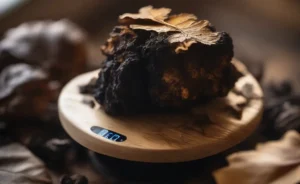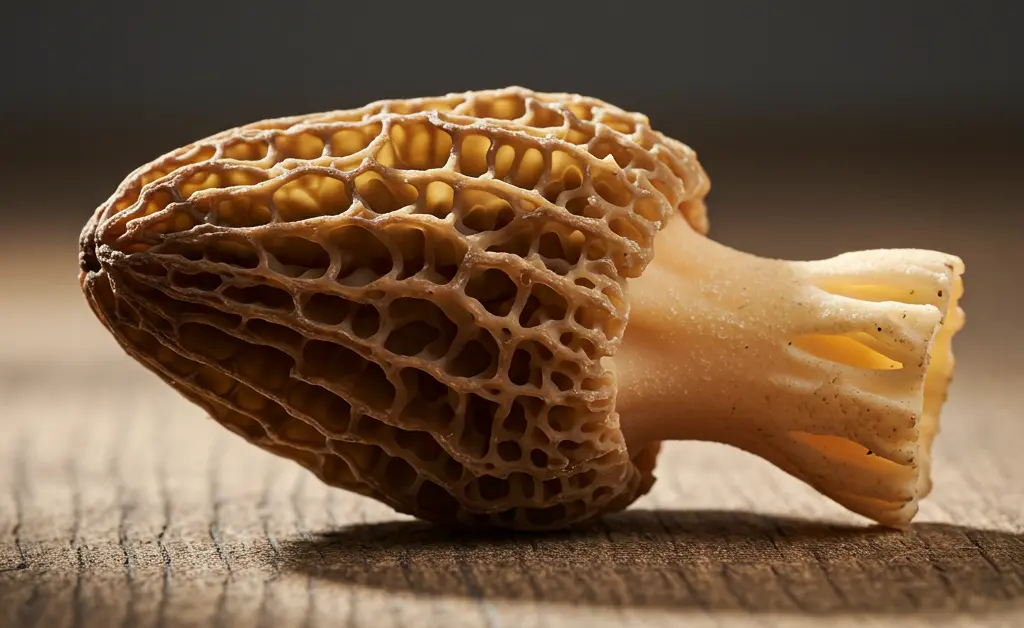
There’s a special kind of curiosity that surrounds ingredients foraged from the wild. For chefs and food lovers, finding morels is like discovering treasure, their honeycomb-like caps hinting at a unique culinary experience. But what is it about them that inspires such devotion? Many struggle to put the flavor into words, often resorting to vague descriptions like “earthy” or “nutty.” Understanding the true morel mushroom taste requires a deeper dive into its complex profile. This elusive flavor is a delicate blend of woodsy, savory, and subtly meaty notes that can transform a simple dish into something extraordinary. This guide will explore the nuances that make this mushroom one of the most sought-after delicacies in the culinary world.
Defining the Morel Mushroom Taste and Flavor Profile
The flavor of the morel mushroom is famously complex and layered, making it difficult to describe with a single word. It is a harmonious blend of several distinct notes that come together to create a unique sensory experience. Unlike the more common, straightforward flavor of a button or cremini mushroom, the morel offers a profile that evolves on the palate. Its aroma is just as captivating, often described as a mix of fresh earth and a faint, sweet perfume that intensifies during cooking. For more detailed information on morels, consult this Morel Mushroom Information Guide.
Core Flavors: Earthy, Nutty, and Woodsy Notes
The foundation of the morel’s flavor profile lies in three core characteristics: earthy, nutty, and woodsy. The earthy quality is not one of dirt, but rather the clean, rich scent of a forest floor after a spring rain. This is complemented by a distinct nutty flavor, often compared to hazelnuts or almonds, which adds depth and a subtle richness. Finally, the woodsy notes tie everything together, evoking the natural habitat of the mushroom and providing a deep, savory base that is both comforting and sophisticated.
Subtle Meaty and Umami Undertones
Beyond its earthy core, the morel possesses a remarkable meaty quality. While it is not a meat substitute in texture, its flavor carries a savory, umami-rich depth that can satisfy in a similar way. This umami component is what gives the mushroom its satisfying, mouth-filling character. It’s a key reason why morels are so prized in vegetarian dishes and why they pair so well with rich ingredients like butter, cream, and stocks. The combination of savory and meaty undertones makes the morel a culinary powerhouse, capable of elevating simple recipes into gourmet meals.
Is the Taste Considered Strong or Mild?
The taste of a morel mushroom is best described as delicate yet distinct. It is not an overwhelmingly strong or pungent flavor that dominates a dish. Instead, its complexity is its strength. The flavor is prominent enough to be the star of a meal but refined enough to pair beautifully with other ingredients without clashing. Its mildness allows the subtle nutty and woodsy notes to shine through, creating a balanced and elegant flavor profile that is highly sought after by chefs.
Comparing the Taste to Truffles and Other Mushrooms
When comparing morels to other prized fungi, truffles are a common point of reference. While both are considered earthy delicacies, their flavors are quite different. Truffles possess a much more pungent, musky aroma and an intense flavor that is used sparingly. Morels are subtler and more versatile in cooking. Compared to common mushrooms like portobello or shiitake, the morel mushroom taste is far more complex and refined, lacking the sometimes overpowering “fungal” taste and offering a more nuanced, savory experience.
Understanding Morel Mushroom Texture
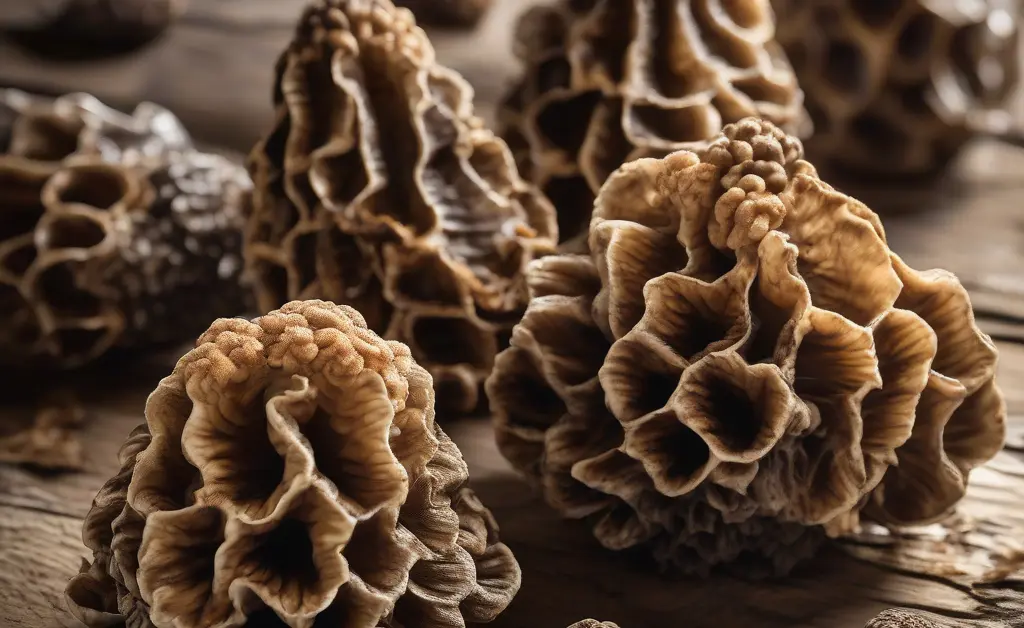
The texture of a morel is as unique and celebrated as its flavor. A true morel mushroom is hollow from the tip of its cap all the way down through its stem. This hollow structure, combined with the intricate, honeycomb-like ridges and pits on its cap, creates a very distinct mouthfeel. When cooked, morels have a wonderfully tender consistency that is firm but never tough or rubbery. They offer a slight, pleasant chew that gives way to a soft interior. This texture allows them to absorb sauces and flavors exceptionally well, making each bite a rich and savory experience.
The Impact of Cooking Method on Taste
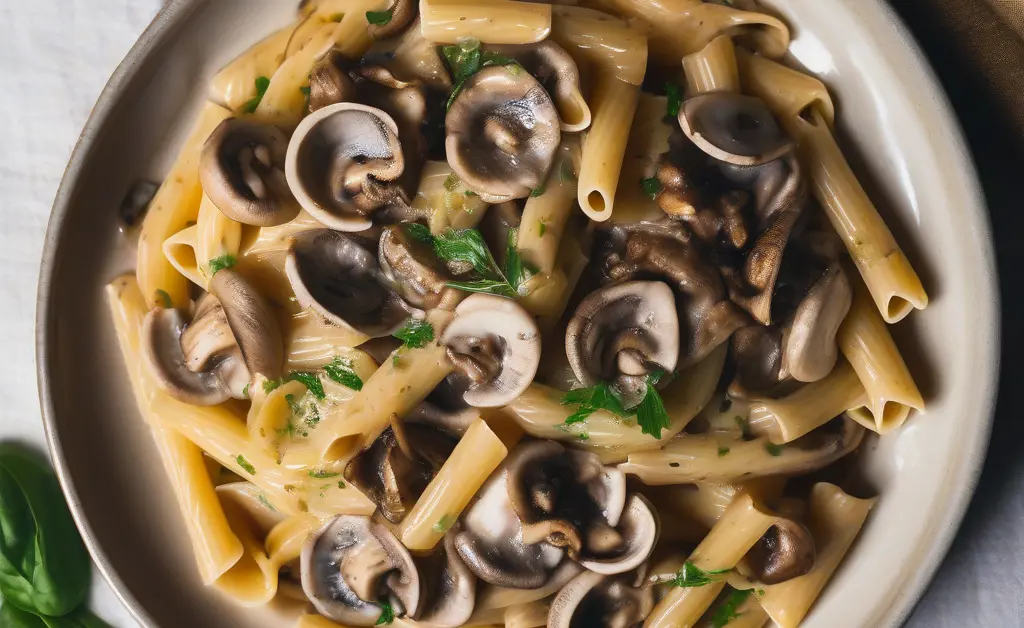
The way morels are prepared has a profound impact on their final flavor and texture. Because their natural taste is so prized, simple cooking methods are often favored. Sautéing in butter with a touch of garlic and salt is a classic preparation that allows the mushroom’s inherent earthy and nutty notes to shine. Pan-frying can create a slightly crisp exterior while keeping the inside tender, concentrating the savory flavors. Morels are also exceptional in cream-based sauces for pasta or chicken, as their flavor infuses the cream to create a rich, luxurious morel mushroom sauce. The cooking method should aim to enhance, not mask, the delicate morel mushroom taste.
Flavor Differences: Fresh vs. Dried Morels
There is a noticeable difference in flavor between fresh and dried morels. Fresh morels, available only for a short time during the morel mushroom season, have a more delicate, subtle, and nuanced flavor profile with prominent woodsy notes. Drying is a common preservation method that concentrates their flavor significantly. When rehydrated, dried morels offer a much deeper, smokier, and more intense umami punch. The liquid used to rehydrate them becomes a potent, flavorful broth that is a prized ingredient in its own right for soups, risottos, and sauces.
The Influence of Mushroom Size on Taste
While freshness and preparation are the most significant factors influencing flavor, the size of a morel can also play a subtle role. Many foragers and chefs believe that smaller, younger morels are slightly more tender and have a more delicate flavor. Larger, more mature specimens may possess a deeper, earthier, and more robust taste. However, this is a general observation rather than a strict rule. Ultimately, any fresh, properly handled morel, regardless of size, will deliver a superior culinary experience.
Factors That Can Alter Morel Flavor
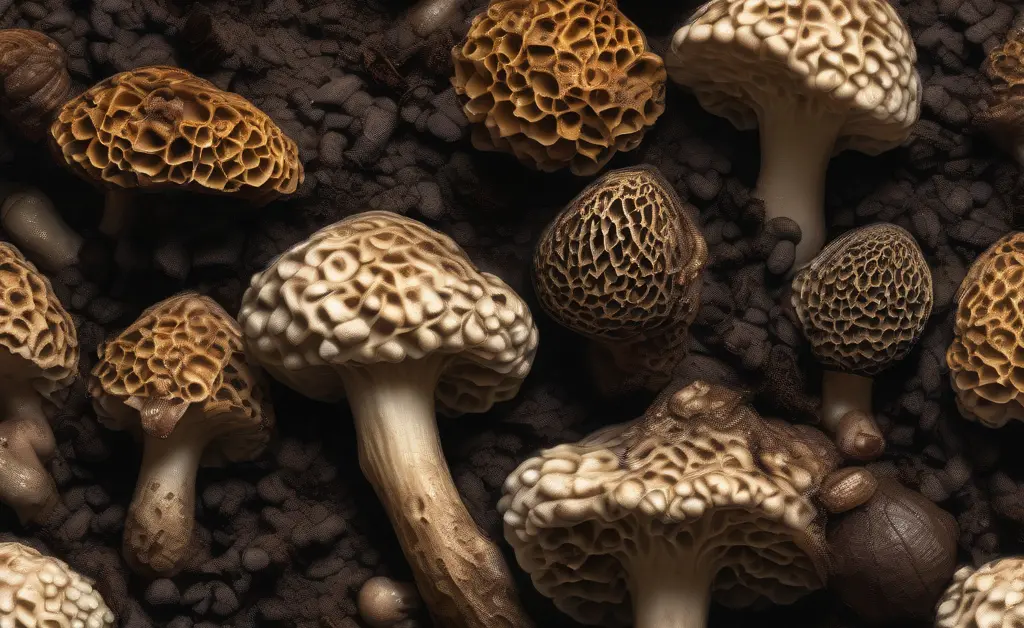
Several factors beyond the cooking pot can influence the final flavor of a morel. The specific environment in which a morel grows—including the type of soil and the nearby trees—can impart subtle variations in its taste. A morel growing near an ash tree might taste slightly different from one growing near an elm. Freshness is paramount; a morel tastes best when cooked as soon as possible after foraging. Improper storage can lead to a decline in flavor and texture. Finally, cleaning is crucial. Because of their pitted caps, morels can trap dirt and grit. Failing to clean them properly can introduce an unpleasant sandy texture and taste, which can ruin the delicate morel mushroom taste.
The allure of the morel mushroom stems from its perfectly balanced and complex flavor profile. It is at once earthy, nutty, woodsy, and subtly meaty, all delivered with a delicate touch that never overwhelms the palate. Its unique hollow and tender texture makes it a joy to eat and allows it to pair beautifully with a variety of ingredients, from simple butter to rich creams. Whether they are found fresh during their fleeting season or enjoyed dried throughout the year, morels offer a sophisticated and memorable taste that solidifies their status as a true culinary treasure.
The purpose of this content is to educate, not to diagnose or treat. The information provided about mushrooms is for culinary and informational purposes only. You should never consume a wild mushroom unless you are absolutely certain of its identification, as many poisonous mushrooms can resemble edible ones. Always consult with a trained expert before foraging for or eating wild fungi.
FAQ
Do morels have a strong taste?
Morel mushrooms possess a distinct and savory flavor profile. Their taste is often described as rich and earthy, with a subtle nutty undertone that sets them apart from many other fungi.
What flavors are morel mushrooms known for?
Morel mushrooms are celebrated for their deep, woodsy, and slightly smoky flavor notes. This unique taste is attributed to the compounds they absorb from their environment as they grow.
What do morels taste like compared to other mushrooms?
Compared to common button mushrooms, morels offer a much more complex and intense flavor experience. Their taste is less mild and carries a richer umami quality with a delicate sweetness, making the morel mushroom taste highly sought after by chefs and foragers alike.