
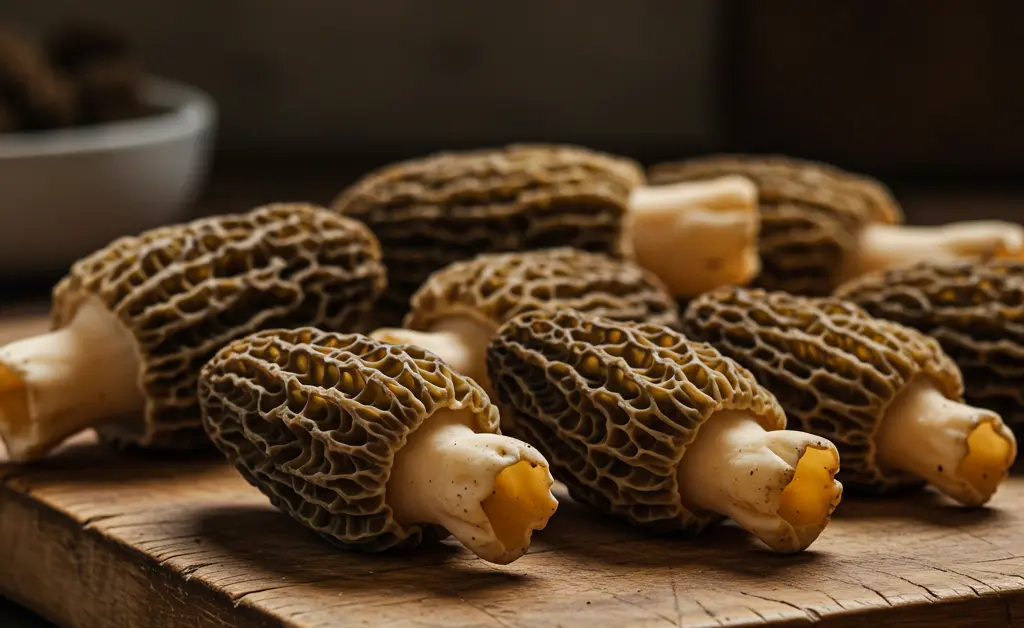
What is it about the ephemeral morel mushroom that captures the imagination of chefs and home cooks every spring? With their unique honeycomb structure and a deeply earthy, nutty flavor, these fungi are one of the most prized wild-foraged ingredients. Their arrival signals a special, albeit brief, culinary season. For those lucky enough to acquire them, understanding how to properly prepare and cook these delicacies is key to unlocking their full potential. This guide will explore the essential techniques and a variety of morel mushroom uses, from simple sautés that highlight their natural taste to rich sauces and comforting pasta dishes. Learning to handle them correctly ensures that every bite of this seasonal treasure is a memorable one.
Essential Preparation for Cooking Morels
Before you can enjoy their exceptional flavor, fresh morel mushrooms require careful preparation. Their intricate, hollow structure is notorious for trapping soil, debris, and tiny insects from the forest floor. Proper cleaning and trimming are non-negotiable steps to ensure your final dish is a gourmet delight, not a gritty disappointment.
Cleaning Morel Mushrooms
There are two primary schools of thought on cleaning morels: brushing versus soaking. For relatively clean specimens, a soft brush can be used to gently dislodge any surface dirt. However, most foraged morels benefit from a brief bath. To do this, place the mushrooms in a large bowl of cold, lightly salted water. Swish them around gently for a minute or two; this encourages any hidden debris or critters to float out. Avoid prolonged soaking, as it can make the mushrooms waterlogged. After their bath, lift the morels out of the water rather than pouring them into a colander, which would just redeposit the grit back onto them. Pat them thoroughly dry with paper towels or a clean kitchen towel before cooking.
Trimming and Slicing Morels
Once clean and dry, the next step is trimming. Use a small knife to slice off the very bottom of the stem, as this part can be tough and woody. The most important preparation step is to slice each morel in half lengthwise. This is crucial for two reasons: it allows for a final inspection inside the hollow cap for any remaining dirt or unwelcome guests, and it creates more surface area for browning, leading to a richer flavor and more even cooking. For very large morels, you can quarter them if desired.
Morel Mushroom Uses
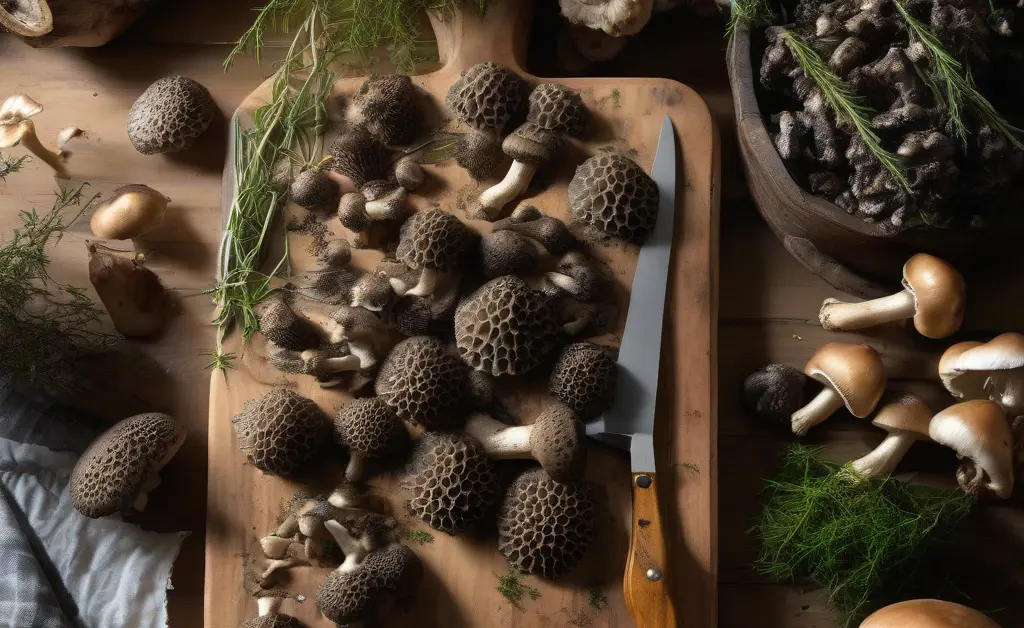
Morels are incredibly versatile, lending their deep, umami-rich character to a wide array of dishes. While they are a delicacy that can stand alone, they also serve as a phenomenal component in more complex recipes. Understanding how to apply different cooking techniques will help you make the most of this seasonal ingredient. For more information on morel mushrooms, check out this morel mushroom information guide.
Sautéing and Searing to Maximize Flavor
One of the most effective morel mushroom uses involves high-heat cooking. Sautéing or searing in a hot pan is the best way to develop their signature nutty and earthy flavor. Use a quality cooking fat like unsalted butter or a neutral oil with a high smoke point. Get the pan hot before adding the morels in a single layer, ensuring they are not overcrowded. Let them cook without moving for a few minutes until they develop a deep golden-brown crust. This caramelization process is key to unlocking their rich, savory taste. A simple finish with salt, pepper, and perhaps a sprig of thyme is all that is needed for a truly sublime experience.
Incorporating Morels into Pasta and Risotto
Morel mushrooms are a classic addition to creamy pasta dishes and risotto. Their robust flavor holds its own against rich ingredients, and their slightly chewy texture provides a wonderful contrast. For a simple pasta, sauté sliced morels with garlic and shallots, then deglaze the pan with a splash of white wine before adding cream to create a luxurious sauce. In risotto, the mushrooms are typically cooked separately and folded in near the end of the cooking process, along with parmesan cheese and butter, to preserve their texture and distinct flavor.
Classic Cooking Methods for Morel Mushrooms
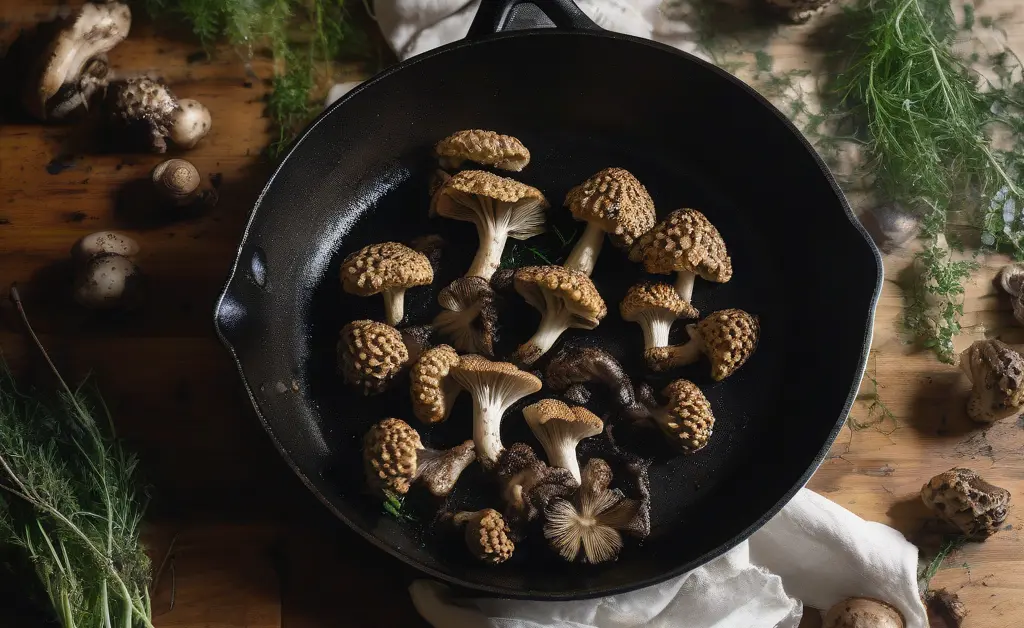
Generations of cooks have relied on a few tried-and-true methods to prepare morels. These classic techniques are popular for a reason—they are simple, effective, and let the mushroom’s unique qualities shine. From a quick pan-fry to a velvety soup, these preparations are foundational to morel cookery. Learn more about how to cook morel mushrooms with this comprehensive guide.
Simple Sautéed or Fried Morels
Perhaps the most beloved of all morel mushroom uses is the simple sauté. This method is all about honoring the mushroom itself. After cleaning and slicing, the morels are pan-fried in a generous amount of butter until golden brown and slightly crispy at the edges. Many traditional recipes call for a light dusting of flour before frying to enhance the browning. Seasoned simply with salt and pepper, and sometimes a bit of minced garlic or fresh parsley added at the end, sautéed morels are a perfect side dish or a standalone treat.
Creamy Morel Mushroom Soup
A creamy morel mushroom soup is the epitome of comfort and elegance. This preparation captures the mushroom’s essence in a smooth, velvety broth. The process typically begins with sautéing chopped morels with aromatics like onions or shallots. Broth or stock is then added, and the mixture is simmered to allow the flavors to meld. Finally, a touch of heavy cream is stirred in to create a rich, luxurious consistency. The soup can be served as-is with chunks of mushroom or puréed for an even smoother texture.
Rich Morel Sauce for Steak or Chicken
Creating a rich morel sauce is an excellent way to elevate a simple protein like steak or chicken into a gourmet meal. After searing your meat, use the same pan to cook the sliced morels. The mushrooms will absorb the flavorful browned bits left in the pan. Deglaze with brandy, cognac, or a dry white wine, then add beef or chicken stock and heavy cream. Let the sauce simmer and reduce until it thickens and the flavor concentrates. The resulting sauce is deeply savory and complex, a perfect complement to grilled steak or roasted chicken.
Popular Morel Mushroom Recipes
Beyond the classic preparations, morels feature in countless recipes that celebrate their unique character. They pair wonderfully with other spring ingredients and can be used in creative ways to make a dish truly special. These recipes showcase the mushroom’s ability to be both the star of the show and a harmonious team player.
Morel Mushroom and Asparagus Bake
Morels and asparagus are a quintessential spring pairing, as their seasons overlap. A simple bake or gratin combines these two ingredients beautifully. Blanched asparagus spears and sautéed morels can be layered in a baking dish, covered with a light cream or cheese sauce, and topped with breadcrumbs or Gruyère cheese. Baked until golden and bubbly, this dish is a celebration of the season’s best produce, with the earthy mushrooms complementing the fresh, green notes of the asparagus.
Morel Mushroom Stuffed Chicken Breast
For a more sophisticated main course, stuffed chicken breast is a fantastic application. This approach highlights one of the most elegant morel mushroom uses. Finely chopped morels are sautéed and then mixed with ingredients like ricotta cheese, herbs, shallots, and breadcrumbs to create a flavorful stuffing. The mixture is then carefully placed inside a pocket cut into a chicken breast. The chicken is pan-seared and then finished by roasting in the oven, which keeps the meat moist while the mushroom stuffing infuses it with its incredible flavor.
How to Use Dried Morel Mushrooms
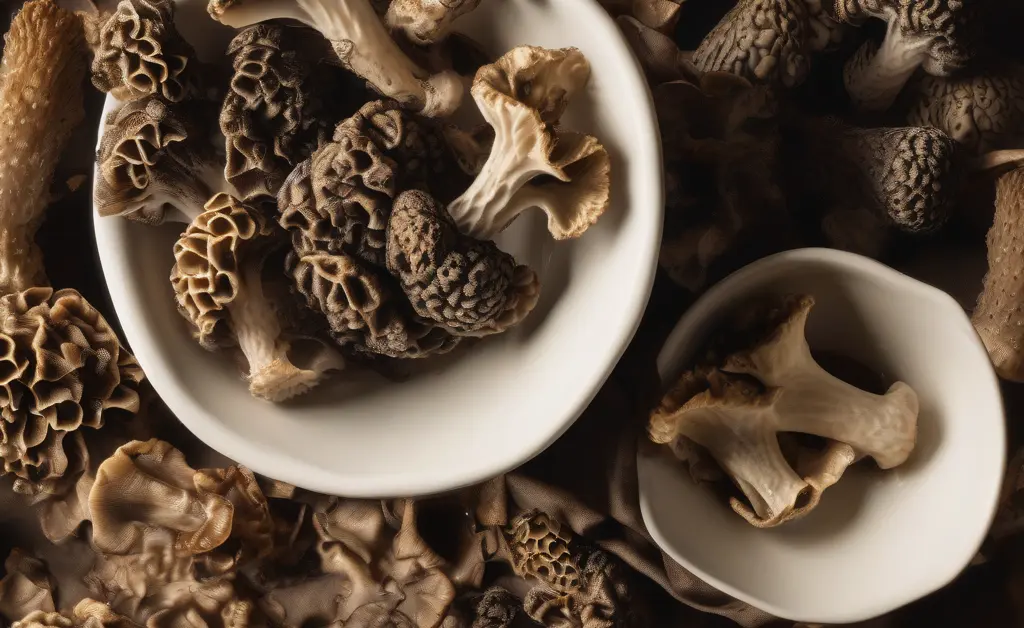
If you are not able to find fresh morels, dried morels are an excellent alternative available year-round. They possess an even more concentrated, smoky flavor than their fresh counterparts. Learning how to properly rehydrate and cook with them unlocks a world of culinary possibilities, even outside of the brief spring season.
Cooking with Reconstituted Morels
To use dried morels, you must first rehydrate them. Place the dried mushrooms in a bowl and cover them with warm water, broth, or wine. Let them soak until they become soft and pliable. Once reconstituted, gently lift them from the liquid, giving them a final rinse to remove any potential grit that settled at the bottom of the bowl. They can now be sliced and cooked as you would fresh morels, though their texture will be a bit chewier. Their intense flavor makes them ideal for a wide range of morel mushroom uses, especially in sauces and soups where their concentrated taste can truly shine. The European Food Safety Authority (EFSA) provides guidelines on food safety. EFSA
Using the Flavorful Soaking Liquid
Do not discard the liquid used to rehydrate your morels. This dark, fragrant liquid is essentially a powerful mushroom stock, packed with earthy flavor. It is a valuable ingredient that can add incredible depth to your cooking. To use it, carefully pour it into another container, leaving behind the last bit of liquid at the bottom of the bowl where any grit will have settled. For an even cleaner result, you can strain it through a coffee filter or fine cheesecloth. This “morel tea” is perfect for using as the base for a sauce, enriching a risotto, or adding a savory boost to a soup.
The fleeting season of the morel mushroom is a reminder of nature’s culinary gifts. Whether you have foraged them yourself or found them at a local market, their preparation is a rewarding experience. From a simple sauté in butter that honors their pure, earthy flavor to an elegant cream sauce draped over pasta, their versatility is remarkable. By understanding how to clean, prepare, and cook these unique fungi, you can transform this seasonal delicacy into a truly memorable meal, capturing the distinct taste of spring in every bite. The unique morel mushroom taste is highly sought after.
It is important to note that this content is not intended as medical advice. The information provided is for culinary and informational purposes only. Always consult with a qualified professional before making decisions about your health or diet. Extreme caution and expert identification are necessary when foraging for wild mushrooms, as many poisonous species can resemble edible ones. Consuming misidentified mushrooms can lead to severe illness or death.
FAQ
What is the best way to cook fresh morel mushrooms?
Fresh morel mushrooms are best when treated with care to preserve their delicate texture and earthy flavor. Sautéing them gently in butter or olive oil, perhaps with a touch of garlic and shallots, allows their unique taste to shine through. Due to their porous structure, a quick rinse is often sufficient, but they should be thoroughly dried before cooking to achieve a pleasant bite.
What flavors go well with morel mushrooms?
Morel mushrooms possess a rich, earthy, and slightly nutty flavor profile that pairs wonderfully with many ingredients. Creamy sauces, fresh herbs like parsley and chives, and aromatics such as garlic and shallots are classic complements. Their flavor is also enhanced by ingredients like asparagus, peas, and rich meats such as veal or chicken, highlighting the diverse morel mushroom uses in gourmet cooking.