
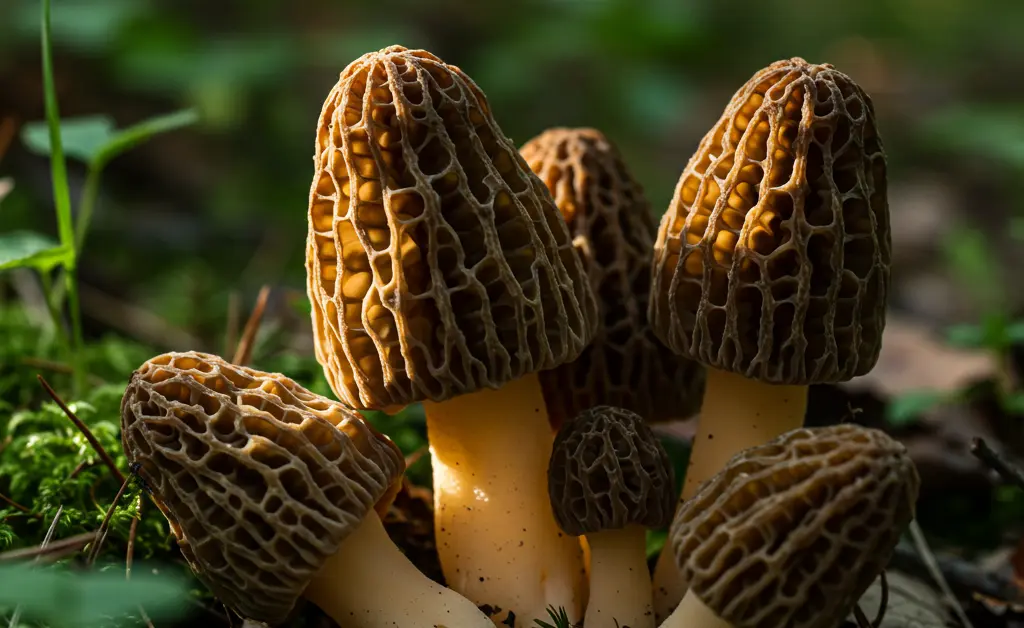
Many believe that successful morel hunting relies on closely guarded family secrets or inherited maps passed down through generations. While local knowledge is valuable, the idea that you can’t find these elusive fungi without a secret spot is a common misconception. The truth is, success comes from understanding the local ecosystem—the trees, soil temperatures, and seasonal timing. For those seeking morel mushrooms quincy il, learning to read the environment is far more effective than hoping for a treasure map. This guide is designed to equip you with the practical knowledge needed to identify promising habitats and increase your chances of a successful harvest, focusing on the unique conditions of the West-Central Illinois region.
Best Morel Mushrooms Quincy IL
Finding the best morels in the Quincy area starts with knowing where to look, and that almost always means looking for the right trees. Morel mushrooms form a complex relationship with the root systems of specific trees, making tree identification a critical skill for any successful forager. Rather than wandering aimlessly through the woods, focusing your search on areas with a high concentration of these host trees will dramatically improve your odds of making local finds. You can find general morel mushroom information here.
Identifying Promising Tree Species (Elm, Ash, Apple)
The most legendary association for morel hunters is with the elm tree. Specifically, dying or recently dead elm trees are prime indicators of potential morel growth. As the tree’s root system decays, it often triggers a significant fruiting of morels in the surrounding area. Learning to identify the distinctive bark of an American elm can lead you to very productive spots. Similarly, mature ash trees are excellent companions for morels, particularly the prized yellow morels. Look for healthy, established ash groves in moist, loamy soil. Finally, old, often-neglected apple orchards are classic hunting grounds. The soil chemistry and decaying roots around these historic trees create an ideal environment for morels to flourish. While these three are the most well-known, also keep an eye out for sycamore trees, especially in the river bottoms and along creek beds common to Adams County.
Understanding the Morel Season in Quincy, IL
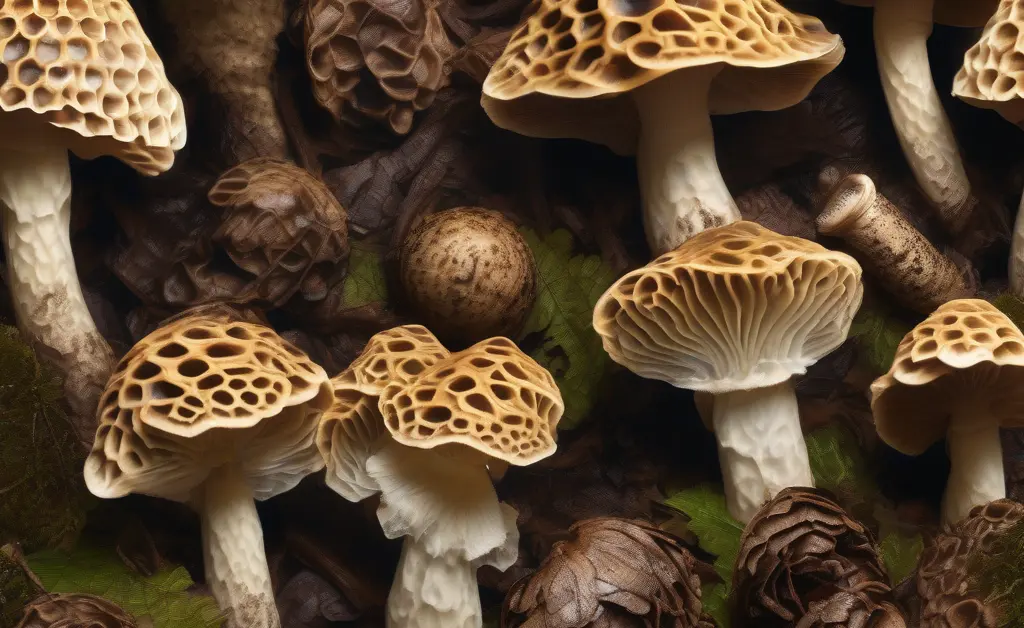
Timing is everything in morel hunting. The morel season is a fleeting window in the spring, dictated entirely by environmental conditions. A few days too early and you’ll find nothing; a few days too late and the mushrooms will be past their prime. Foragers in West-Central Illinois must become keen observers of nature, paying close attention to the subtle shifts in weather and ground conditions that signal the start of the season. The success of the annual harvest often depends on whether these natural cues align favorably.
Typical Start and End Dates for the Season
In the Quincy region, the morel season generally begins sometime in early spring, often kicking off after the first few consistently warm days. The initial finds are typically the smaller black morels, which are soon followed by the larger yellow morels as the ground continues to warm. The season can last for several weeks, usually wrapping up by mid-May or whenever daytime temperatures become consistently hot. However, these are just general guidelines. The exact start and end dates can shift by a week or more from year to year depending on the specific weather patterns of that spring. Similar seasons can be observed in other regions, such as for morel mushroom wisconsin.
Key Weather and Soil Temperature Indicators
Morel hunters rely on a few key indicators to know when to start searching. The most critical factor is soil temperature. Morels will not appear until the ground warms to a specific range. Consistent daytime air temperatures in the 60s with overnight lows staying above the 40s are a good sign that the soil is approaching the right conditions. Spring rain is another essential trigger. A good soaking rain followed by a few days of warm, humid, or overcast weather often causes morels to pop up seemingly overnight. Experienced mushroom hunters learn to correlate these weather events with the appearance of local finds. Foragers should also be aware of other edible mushrooms, such as the porcini mushroom in english.
How Yearly Conditions Affect the Harvest
The abundance of morel mushrooms quincy il can vary significantly from one year to the next. A winter with little snow cover or a very dry early spring can lead to a sparse harvest. A sudden, late frost after the ground has started to warm can also damage the delicate mycelial network and hinder mushroom production. Conversely, a year with ample moisture and a gradual, steady warm-up in spring often results in a bumper crop. Understanding how these macro-level conditions affect the local ecosystem is part of the challenge and reward of foraging. The safe consumption of wild mushrooms is paramount; always consult reliable sources like the FDA for guidance on food safety.
Potential Morel Hunting Grounds Near Quincy
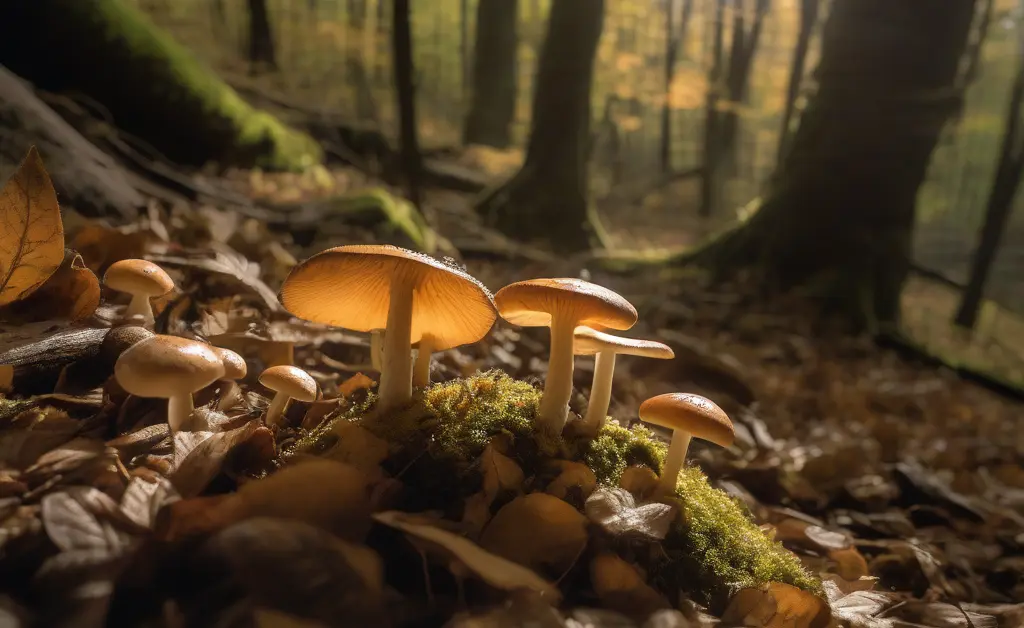
While no one will give you a pin on a map, knowing the types of areas to explore is the next best thing. The landscape around Quincy, with its proximity to the Mississippi River and numerous creeks and forested bluffs, offers abundant habitat for morels. The key is to match the right type of terrain with the right tree species and timing. Both public and private lands can be productive, but each comes with its own set of rules and responsibilities. The patterns observed here can also be relevant for finding morels in other states, like morel mushroom virginia.
Exploring Public Lands and Conservation Areas
For those new to the area or without access to private land, public lands are a great place to start. State parks, wildlife management areas, and conservation areas often contain the ideal habitat for morels. For instance, areas within Siloam Springs State Park, which straddles Adams and Brown counties, are known to have the rolling hills and hardwood forests that morels love. When exploring a public conservation area, focus on north-facing hillsides early in the season and move to other slopes as the ground warms. Always check the specific regulations for foraging at any public land you plan to visit, as rules can differ.
Respecting Private Property and Local Regulations
A significant portion of the ideal territory for morel mushrooms quincy il is on private property. It is absolutely critical to obtain explicit permission from the landowner before setting foot on their land. Trespassing is not only illegal but also damages the reputation of the entire foraging community. When you do get permission, be a good steward of the land by packing out everything you bring in and causing minimal disturbance. Adhering to these simple rules of etiquette ensures that hunters and landowners can maintain a positive relationship for years to come.
Tips for a Successful Hunt in the Quincy Area
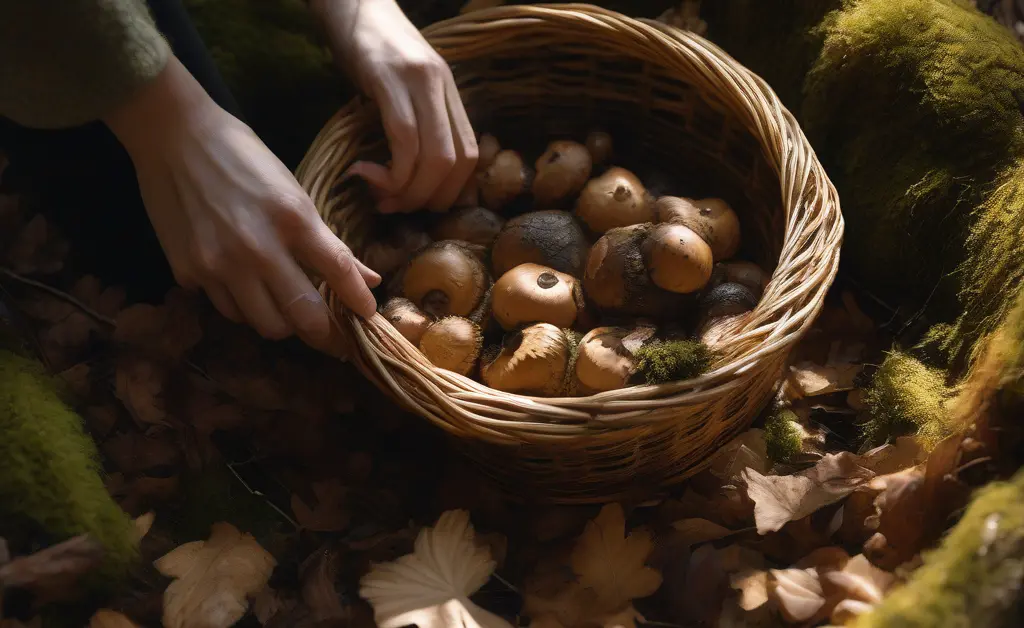
Success in morel hunting is a combination of preparation, observation, and community knowledge. Beyond knowing which trees to look for and when, having the right equipment and knowing how to tap into local information streams can make a huge difference. From using online resources to following responsible harvesting practices, a few extra tips can elevate your experience from a simple walk in the woods to a fruitful foraging adventure.
Essential Gear for West-Central Illinois Terrain
The terrain in West-Central Illinois can be challenging, with steep ravines, muddy creek beds, and thick undergrowth. Sturdy, waterproof hiking boots are essential for comfort and safety. A walking stick or trekking pole can provide stability on slippery hillsides. For harvesting, a knife is useful for slicing the morel at the stem, leaving the base in the ground to potentially regrow. Most importantly, carry your harvest in a mesh bag. This allows the mushroom spores to disperse as you walk, helping to seed future patches throughout the forest. A plastic bag will suffocate the mushrooms and prevent this vital ecological process.
Online Groups for Illinois Morel Sightings
Connecting with the wider community of Illinois mushroom hunters through online social media groups can be incredibly valuable. These forums are filled with enthusiasts sharing their first finds of the season. Watching these posts can give you a real-time indication of when the morel season is starting in different parts of the state. It’s a great way to gauge when the “front line” of morel emergence is approaching the Quincy area. However, it’s considered poor etiquette to ask for specific locations. Instead, use the information to understand the timing.
Following Local Foraging Reports
While not as common as fishing or hunting reports, some regional conservation or outdoor websites may offer a general foraging report during the spring. These reports typically won’t pinpoint locations but will confirm that the season has started in the area. Keeping an eye on these resources can provide another layer of confirmation that it’s time to head out and start your search for morel mushrooms quincy il.
Using Local Sighting Maps
A morel sighting map is a modern tool that many hunters use to track the progress of the season. These maps are often crowd-sourced, with hunters from across the state or country logging their finds. By viewing a sighting map, you can see a visual representation of where morels are currently being found. This is less about finding a specific spot and more about understanding the geographic progression of the season. If you see numerous reports just south of Adams County, it’s a good sign that your local spots will be active very soon.
Ultimately, the journey of morel hunting is as rewarding as the harvest itself. It requires patience, a keen eye, and a deep respect for nature. Remember to always be certain of your identification, as false morels can be toxic. If you are ever in doubt, do not consume the mushroom. Practicing sustainable harvesting—by using a mesh bag and not over-picking a single area—ensures that these delicious fungi will be available for generations of mushroom hunters to come. By understanding the local trees, soil, and weather patterns of the Quincy area, you are well-equipped to start your own successful foraging tradition.
This article is meant for general informational use and awareness. The information provided is not a substitute for expert knowledge, and proper identification of any wild mushroom is critical before consumption. Consuming misidentified fungi can lead to serious illness. It is highly recommended to consult with an experienced local forager or mycologist to confirm the identity of any mushroom you intend to eat.
FAQ
When is the best time to find morel mushrooms in Quincy, IL?
The prime season for morel mushroom foraging in Quincy, Illinois typically begins in early to mid-spring, often coinciding with the period after the last frost when the soil begins to warm. Many foragers observe that the peak harvest window usually falls between April and May, though this can vary with annual weather patterns.
Are the morels up yet in Adams County, Illinois?
Determining if morels are currently fruiting in Adams County, Illinois requires current local observation, as their emergence is highly dependent on specific soil temperatures and moisture levels. Factors such as recent rainfall and average daily temperatures play a significant role in their appearance.
Where can I find public land to hunt for morels near Quincy?
Several areas of public land near Quincy offer potential for morel mushroom hunting, including state parks and national forest lands within reasonable driving distance. Researching local wildlife management areas and conservation lands can also reveal suitable locations.
Are there any Illinois morel mushroom sighting maps?
While there isn’t one singular, official state-run map for morel sightings, enthusiasts often share information through online forums, social media groups, and local foraging communities. These informal networks can provide valuable insights into current morel mushroom activity in various regions of Illinois.
What trees do morels grow under in Illinois?
In Illinois, morel mushrooms are frequently found in association with mature deciduous trees, with ash, elm, and poplar trees being particularly common habitats. They also show a preference for disturbed areas, such as old orchards or along fencerows, where they may grow near diverse tree species.