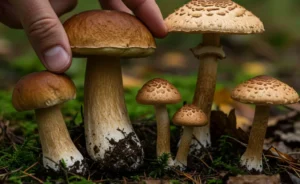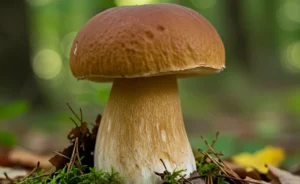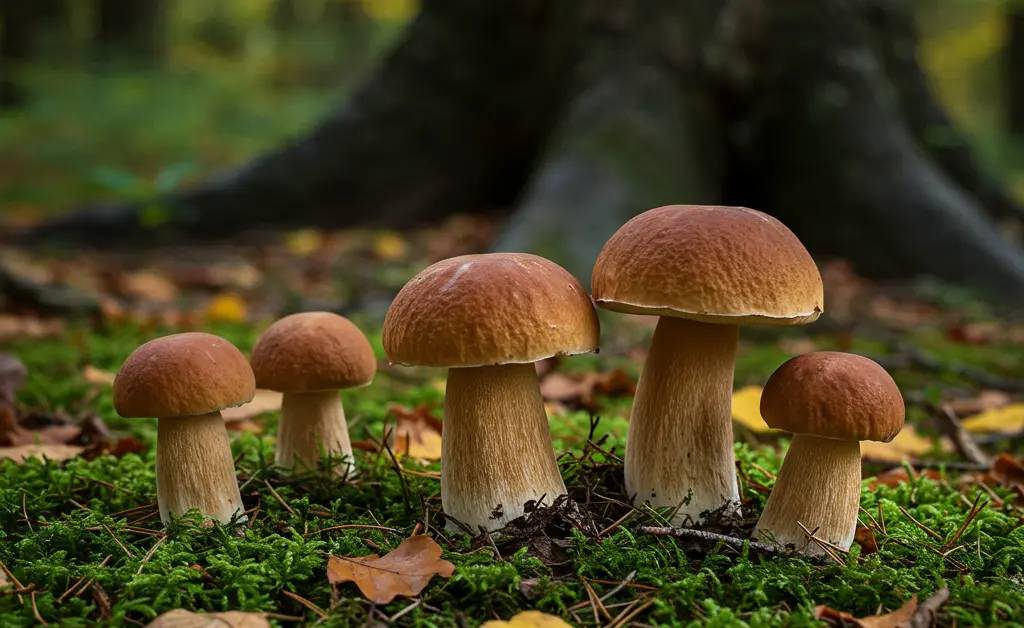
Many aspiring mycologists and gourmet food enthusiasts dream of harvesting their own porcini mushrooms, often assuming the cultivation process might be similar to other popular edible fungi. However, the reality of porcini mushroom cultivation presents a unique and considerably more complex challenge than commonly perceived. Unlike many other cultivated mushrooms that thrive on dead organic matter, porcini form an intricate and specific mycorrhizal relationship with living trees, making their controlled propagation exceptionally difficult. This comprehensive guide will explore the feasibility, methods, and significant hurdles involved in attempting to grow these prized fungi, offering a realistic perspective for those dedicated to understanding and perhaps even mastering this demanding mycological pursuit.
Porcini Mushroom Cultivation Guide
Feasibility of Cultivating Porcini Mushrooms
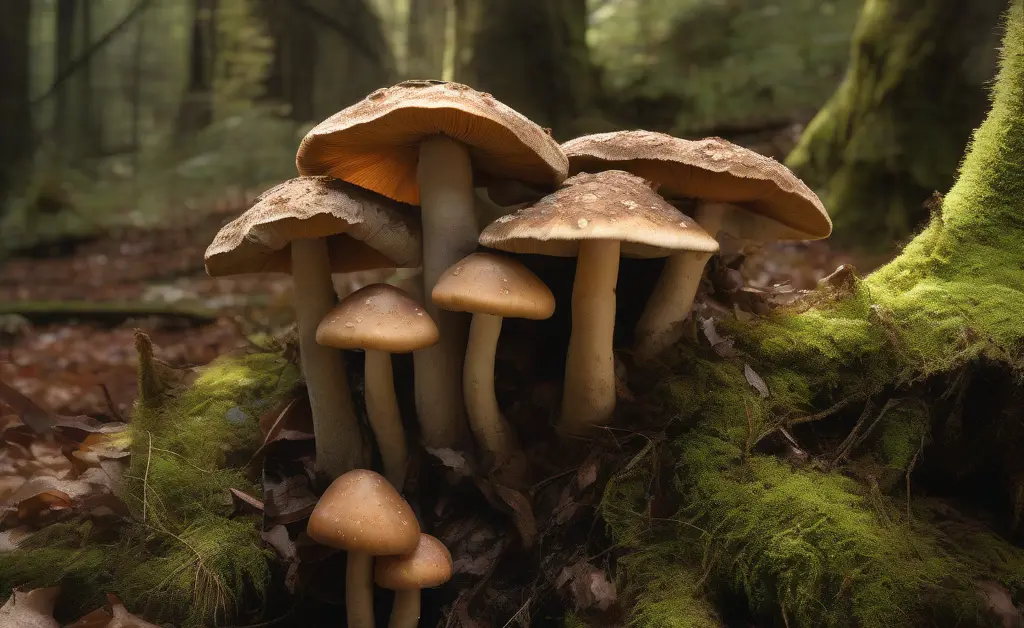
The feasibility of cultivating porcini mushrooms, known scientifically as Boletus edulis, is a topic of intense interest among mycologists and gourmet chefs alike. While many common edible mushrooms are saprophytic, meaning they feed on dead organic matter, porcini are ectomycorrhizal. This fundamental difference means they do not simply grow on a substrate like sawdust or straw. Instead, they form a symbiotic relationship with the roots of specific living trees. This requirement significantly increases the difficulty level and reduces the typical success rate compared to more conventional mushroom growing. Despite extensive research, large-scale commercial porcini mushroom cultivation remains elusive, often limited to experimental setups and specific environmental conditions that mimic their natural habitat. For those who find porcini hard to obtain, exploring a suitable porcini mushroom powder substitute can be a practical alternative.
Can Porcini Mushrooms Be Grown at Home?
Attempting to grow porcini mushrooms at home is possible, but it comes with substantial challenges that differ significantly from typical home growing projects for other fungi. Unlike indoor cultivation of species like oyster or shiitake mushrooms, true porcini do not readily produce fruiting bodies from inoculated bags or logs in a controlled indoor environment. Their reliance on a host tree means that any successful home growing effort would likely involve outdoor cultivation, carefully preparing an environment where the mycelial network can establish a mycorrhizal connection with young, suitable trees. The process is lengthy and requires a deep understanding of fungal ecology, making it more of a long-term ecological project than a rapid harvest cycle.
Understanding Porcini’s Unique Growth Habits
Porcini mushrooms exhibit a unique growth habit characterized by their obligatory mycorrhizal association with certain trees. This means the fungal mycelium grows in intimate contact with the tree’s root system, forming a specialized structure called a mycorrhiza. In this symbiotic relationship, the tree provides the fungus with sugars produced through photosynthesis, while the fungus enhances the tree’s ability to absorb water and nutrients from the soil. Understanding this complex exchange is crucial because it dictates every aspect of their potential cultivation; without a living host tree, porcini simply will not thrive or produce fruiting bodies. This intricate interdependence is what makes the mushroom’s life cycle so challenging to manipulate for human cultivation efforts.
Selecting Suitable Cultivation Methods
Given the specific needs of porcini, selecting suitable cultivation methods involves a focus on establishing the mycorrhizal symbiosis. Traditional mushroom growing techniques, such as growing on sterilized substrates or logs, are largely ineffective for porcini. Instead, methods primarily revolve around inoculation. This involves introducing porcini mushroom spores or mycelial spawn to the root systems of young host trees, typically in a forest setting or a carefully prepared outdoor plot. Techniques may include planting trees that have already been inoculated in a nursery, or directly inoculating the soil around existing young trees with a spawn mixture. The goal is to encourage the formation of a robust mycelial network capable of forming the critical connection with the host tree roots, leading eventually to the development of fruiting bodies.
Porcini Mushroom Cultivation in USA
Porcini mushroom cultivation in the USA faces specific regional challenges and opportunities. Natural porcini populations are found across various regions, particularly in temperate forests, indicating that suitable environmental conditions exist. However, replicating these conditions for controlled cultivation is difficult. Researchers and enthusiasts in the USA have experimented with inoculating common host trees like oak, pine, and fir in experimental plots. The success rate remains low, often limited by the slow establishment of the mycorrhizal connection and the precise environmental requirements. Projects typically focus on establishing inoculated tree nurseries or dedicated outdoor plots in areas that naturally support these fungi, hoping to stimulate natural fruiting over many years. When foraging for these natural populations, it’s crucial to understand how to identify porcini mushrooms correctly.
For public health guidelines related to food safety and environmental factors in the USA, consult resources like the CDC.
Porcini Mushroom Cultivation in California
California, with its diverse forest ecosystems and distinct microclimates, presents unique conditions for potential porcini mushroom cultivation. The state is home to several native porcini species, particularly under certain oak and conifer species. Efforts to cultivate porcini in California would need to consider the specific local ecology, including soil composition, temperature fluctuations, and humidity levels. Some native species, for instance, are associated with specific oak varieties found in the state’s woodlands. Cultivation attempts might involve inoculating young oak or conifer seedlings with locally sourced porcini spores or mycelium and planting them in a carefully managed outdoor setting that mimics their natural habitat, such as shaded areas with consistent moisture, especially during the rainy season. Foragers should also be aware of common porcini mushroom look-alikes to avoid misidentification.
Challenges and Key Considerations for Porcini Growers

Mycorrhizal Symbiosis: The Primary Hurdle
The fundamental challenge in porcini mushroom cultivation is mastering the mycorrhizal symbiosis. Unlike saprophytic mushrooms that can be grown on prepared substrates, porcini are obligate symbionts, meaning they cannot complete their life cycle without a living host plant. The successful establishment of this intricate relationship between the fungal hyphae and the host tree’s roots is not only difficult to initiate but also highly sensitive to environmental factors. Researchers work on developing effective inoculation methods and identifying specific strains of porcini that readily form this symbiotic bond, often focusing on which host trees are most compatible. This complex biological interaction represents the primary hurdle that distinguishes porcini growing from other forms of mushroom agriculture.
Controlling Environmental Requirements
Once mycorrhizal symbiosis is established, controlling the environmental requirements becomes the next major consideration for porcini growers. Porcini thrive within a narrow range of specific environmental conditions that are challenging to replicate consistently outside of their natural forest habitat. Factors such as temperature, humidity, and soil composition play crucial roles in triggering the formation of fruiting bodies. For instance, suitable soil pH, adequate moisture levels, and specific temperature fluctuations often associated with seasonal changes are thought to be necessary cues. Maintaining these precise conditions over extended periods in a managed outdoor setting is complex, requiring careful site selection, soil amendment, and possibly irrigation or shade management to create an optimal microclimate that encourages the fungi to produce mushrooms.
The Significant Time and Patience Investment
Successfully cultivating porcini mushrooms demands a significant time and patience investment, often spanning several years before any fruiting bodies appear. Unlike faster-growing saprophytic mushrooms that might yield harvests within weeks or months, the porcini life cycle, from inoculation to mushroom production, is protracted. The mycelial network needs ample time to colonize the host tree’s root system, establish the symbiotic relationship, and mature sufficiently to generate mushrooms. This timeline can extend from several years to a decade or more, making it a long-term commitment. Growers must also be prepared for potential failures, as the success of establishing and maintaining the delicate mycorrhizal balance is not guaranteed.
Setting Realistic Expectations for Home Cultivation
For individuals interested in home cultivation, setting realistic expectations is paramount. Given the inherent challenges associated with the mycorrhizal nature of porcini, achieving consistent, bountiful harvests in a home setting is highly unlikely with current techniques. Home growing efforts should be viewed more as an experimental, long-term gardening project rather than a reliable source of culinary mushrooms. While it is not impossible to encourage porcini to grow in a suitable outdoor environment with host trees, the yield is often unpredictable and may only occur sporadically. Understanding these limitations helps manage expectations and appreciate the immense difficulty and unique biology involved in attempting to grow these highly prized fungi outside their natural forest habitats. It’s always important to be aware of potential porcini mushroom side effects when consuming any wild or cultivated fungi.
In conclusion, while the allure of cultivating porcini mushrooms is strong, their unique mycorrhizal relationship with living trees presents considerable challenges not encountered with other edible fungi. Success requires a deep understanding of mycology, ecology, and a significant investment of time and patience. For most, the most reliable source of these prized mushrooms will continue to be foraging in natural habitats or purchasing from reputable suppliers. However, for those dedicated to the long-term pursuit of understanding and fostering this symbiotic relationship, the journey into porcini cultivation can be a rewarding exploration of nature’s intricate processes.
This article is written for general understanding and not for medical decision-making. Information presented here is for educational purposes only and should not be considered as professional medical advice, diagnosis, or treatment. Always consult with a qualified healthcare professional before making any health-related decisions or changes to your diet or lifestyle, especially concerning wild or cultivated fungi. The content is not intended to be a substitute for professional guidance.
FAQ
— Is it possible to grow porcini mushrooms at home?
While highly challenging and generally not feasible for typical home growers, porcini mushrooms are mycorrhizal, meaning they form a critical symbiotic relationship with specific tree roots. This complex interdependence makes independent cultivation exceedingly difficult outside of their natural habitat. Therefore, cultivating them reliably in a home environment is not currently possible.
— How difficult is it to cultivate porcini mushrooms?
It is exceptionally difficult to cultivate porcini mushrooms due to their specific ecological requirements. Unlike many edible mushrooms that can grow on decaying organic matter, porcini need a living tree partner to thrive, which adds immense complexity to any cultivation efforts. This reliance on host trees is a significant hurdle that limits widespread cultivation.
— What makes porcini mushrooms hard to grow?
The primary challenge stems from their obligate mycorrhizal relationship with certain conifer and broadleaf trees, such as pines, oaks, and spruces. The fungal mycelium must intertwine with the tree roots, exchanging nutrients and sugars in a delicate balance that is difficult to replicate artificially. Without this specific biological partnership, the porcini mushroom simply cannot complete its life cycle and produce fruiting bodies.
— Can porcini mushrooms be grown indoors?
Attempting to grow porcini mushrooms indoors presents significant obstacles because of their fundamental need for a living tree partner. Indoor environments cannot typically provide the scale, stable conditions, and complex root systems required for a mycorrhizal relationship to establish and flourish. Therefore, indoor cultivation is not considered a viable method for these fungi.
— What are the environmental requirements for porcini cultivation?
Successful porcini mushroom cultivation depends entirely on replicating their very specific natural forest environment, which includes the presence of suitable host trees and particular soil conditions. They require well-draining, acidic to neutral soil, consistent moisture, and the specific microclimate found in mature temperate or boreal forests. These precise ecological needs underpin any efforts in porcini mushroom cultivation.
— How long does it take to grow porcini mushrooms?
Establishing the necessary symbiotic relationship between the fungi and host trees is a process that typically spans several years in natural or experimental settings. Even when successful, it takes time for the mycorrhizal network to develop sufficiently before any fruiting bodies might appear. It is not a quick or easily predictable process from inoculation to harvest.