
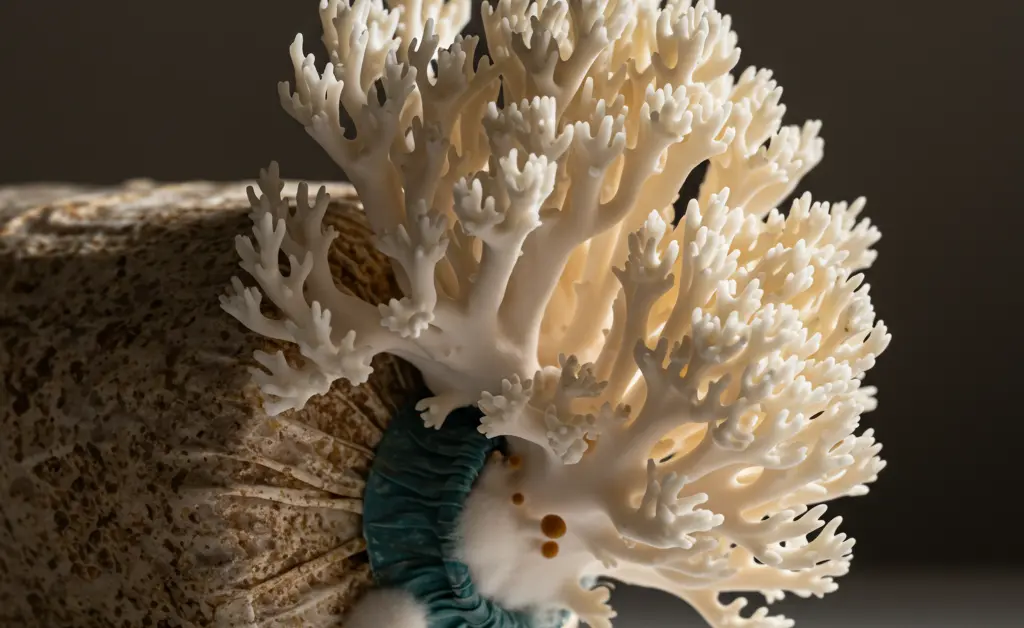
Tremella fuciformis, often known as snow fungus or silver ear mushroom, is prized for its unique texture and purported health benefits, particularly in traditional Asian cuisines and wellness practices. Cultivating this delicate mushroom can be a rewarding endeavor, allowing enthusiasts to produce fresh, high-quality specimens at home. Unlike many other gourmet fungi, tremella has a distinctive growth requirement, involving a symbiotic relationship with another fungus to thrive. Understanding this unique aspect is crucial for successful cultivation. This guide will explore the essential steps and conditions necessary, detailing everything from substrate preparation to harvesting, for anyone interested in how to grow tremella mushroom effectively.
How to Grow Tremella Mushroom: A Comprehensive Guide
Overview of the Cultivation Process
Cultivating Tremella fuciformis, often called snow fungus, involves several distinct stages that require careful attention to detail. The process begins with securing a viable culture and preparing an appropriate substrate. Unlike many other cultivated mushrooms, Tremella necessitates the presence of a host fungus to initiate and support its growth. This symbiotic relationship is a cornerstone of successful cultivation. After inoculation, a period of incubation allows the mycelium to colonize the substrate and integrate with its host. Subsequently, environmental adjustments are made to induce fruiting, leading to the formation of the distinctive gelatinous fruiting bodies. Finally, knowing when and how to harvest ensures the best possible yield and quality. Mastering how to grow tremella mushroom requires understanding each of these steps thoroughly.
Understanding Tremella Mushroom Cultivation & Its Unique Needs
The Essential Symbiotic Relationship
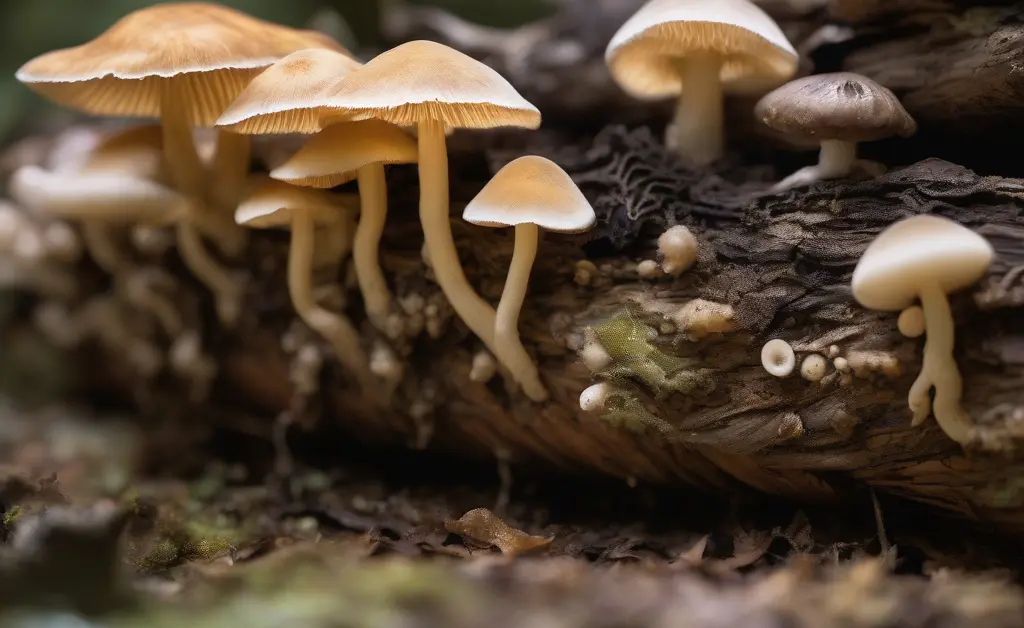
Tremella fuciformis is unique among cultivated mushrooms due to its obligate parasitic or mycoparasitic relationship with another fungus. Specifically, Tremella does not directly consume the substrate material as many other fungi do. Instead, it relies on another wood-decaying fungus, typically from the *Hypoxylon* genus, to break down the substrate. Tremella then derives its nutrients from this host fungus. This essential symbiosis means that growers must cultivate both the Tremella and its host fungus simultaneously, or ensure the host is already established on the growing medium, for successful Tremella mushroom cultivation.
Identifying the Host Fungus (e.g., Annulohypoxylon archeri, Hypoxylon acheri)
For tremella mushroom cultivation, the choice of host fungus is critical. Species like *Annulohypoxylon archeri* (formerly *Hypoxylon archeri*) are commonly identified as suitable hosts. These fungi are typically wood-decaying species found in various natural environments. When planning to grow tremella at home, sourcing a reliable culture of the host fungus is as important as obtaining the Tremella culture itself. The host fungus acts as the primary decomposer of the substrate, making its health and colonization crucial for the subsequent growth of the snow fungus.
Choosing the Right Tremella Fuciformis Strain
Selecting an appropriate strain of Tremella fuciformis can significantly impact cultivation success. Different strains may exhibit variations in growth rate, yield, appearance, and preferred environmental conditions. Growers often seek out strains known for their robust growth, good fruiting characteristics, and adaptability to indoor cultivation setups. Researching and acquiring cultures from reputable suppliers is essential to ensure genetic purity and vigor. Further research on the purported health benefits of various Tremella strains can be explored through resources such as the Cochrane Library. Understanding the specific characteristics of your chosen strain will help tailor the growing conditions for optimal performance.
Tremella Fuciformis Culture Medium and Cultivation
Tremella fuciformis cultures are typically maintained and expanded on agar slants or in liquid culture. For initial propagation and storage, agar-based media, often enriched with nutrients, provide a stable environment for mycelial growth. When preparing for cultivation on a larger scale, a healthy and vigorous culture is paramount. This foundational step ensures that you have strong, contaminant-free mycelium ready for inoculation onto your prepared substrate. Maintaining aseptic conditions during all culture work is vital to prevent unwanted microbial growth that could compromise your efforts to grow tremella mushroom.
Getting Started: Setting Up Your Tremella Grow
Tremella Mushroom Grow Kit Essentials
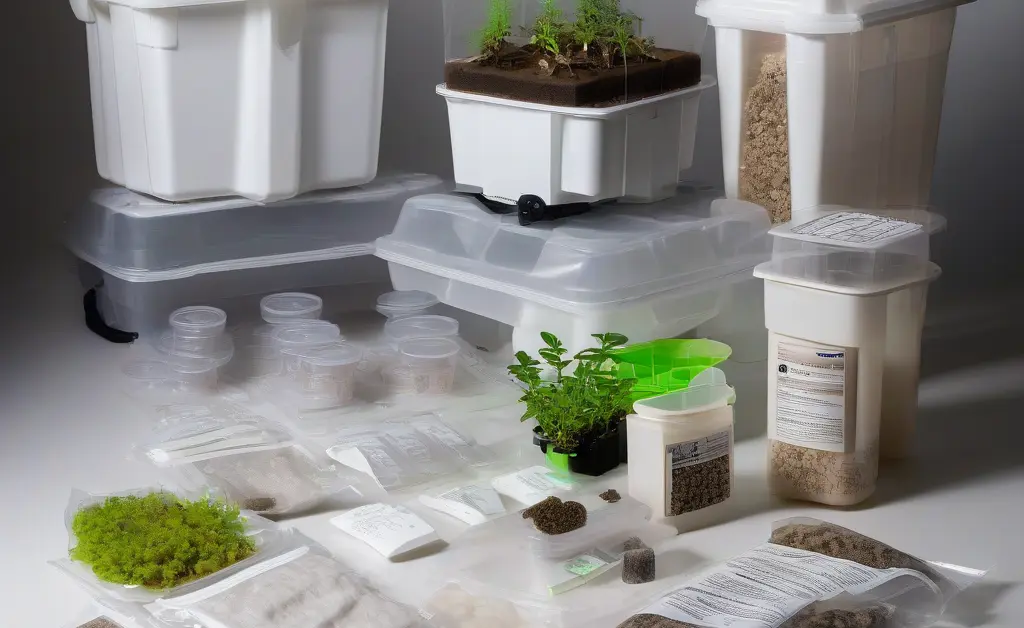
For those new to mushroom farming or seeking a convenient way to grow tremella at home, a specialized tremella mushroom grow kit can be an excellent starting point. These kits typically include pre-sterilized substrate blocks already inoculated with both the Tremella and its host fungus, or separate cultures with clear instructions for inoculation. A good kit should also provide a suitable humidity tent or bag and guidance on environmental conditions. While more experienced cultivators might prefer to source components individually, a kit simplifies the initial setup, offering a higher chance of success for beginners.
Selecting and Preparing Substrates
The substrate is the nutritional foundation for both the host fungus and, subsequently, the Tremella. Hardwood sawdust, particularly from oak, maple, or beech, is a common and effective choice. This can be supplemented with nutritional additives such such as wheat bran or rice bran to boost growth. The substrate must be properly hydrated and then sterilized to eliminate competing microorganisms. Sterilization is usually achieved through autoclaving or pressure cooking, a critical step that ensures a clean slate for the fungi to colonize without competition. Careful substrate preparation is key to fostering a healthy environment for your tremella mushroom cultivation.
Essential Tools and Equipment
A successful tremella grow operation relies on having the right tools and equipment. Key items include a pressure cooker or autoclave for sterilization, heat-resistant bags or jars for substrate, a still air box or laminar flow hood for aseptic transfers, and instruments for measuring temperature and humidity. Other useful tools include scalpels, inoculation loops, alcohol for sterilization, and gloves. Investing in quality equipment ensures efficiency, sterility, and ultimately, a higher likelihood of achieving a good yield when you grow tremella at home.
Maintaining a Sterile Environment
Sterility is paramount throughout the tremella mushroom cultivation process, particularly during substrate preparation and inoculation. Contamination from airborne spores, bacteria, or other fungi can quickly ruin a batch. Utilizing a still air box or a laminar flow hood is highly recommended for all aseptic transfers. All tools, surfaces, and hands should be thoroughly cleaned and disinfected with alcohol or other sanitizers. By rigorously adhering to sterile techniques, growers can minimize the risk of contamination and provide an optimal environment for the Tremella and its host fungus to thrive.
Methods for Growing Tremella Mushrooms (Snow Fungus)
Utilizing Snow Fungus Liquid Culture Syringes
One popular method for inoculating substrate blocks is using snow fungus liquid culture syringes. Liquid cultures contain active mycelium suspended in a nutrient-rich solution, making them ideal for rapid colonization. The syringe allows for precise and sterile injection of the culture directly into the sterilized substrate. This method is generally faster than using spores and can lead to more consistent results. Ensuring the liquid culture is healthy and free from contamination before use is a critical step in the process of how to grow tremella mushroom effectively.
Inoculating Your Substrate
The inoculation process involves introducing the Tremella and its host fungus cultures into the prepared substrate. This must be done under sterile conditions to prevent contamination. If using a pre-inoculated host substrate, you would only introduce the Tremella culture. If inoculating both, the host fungus is typically introduced first, allowed to establish, and then the Tremella is introduced. The method of inoculation can vary, from injecting liquid culture to transferring agar wedges or grain spawn. The goal is to evenly distribute the fungal cultures throughout the substrate to promote thorough and rapid colonization.
Inoculation and Mycelium Growth
Preparing Tremella Mycelium Cultures (e.g., on agar slants)
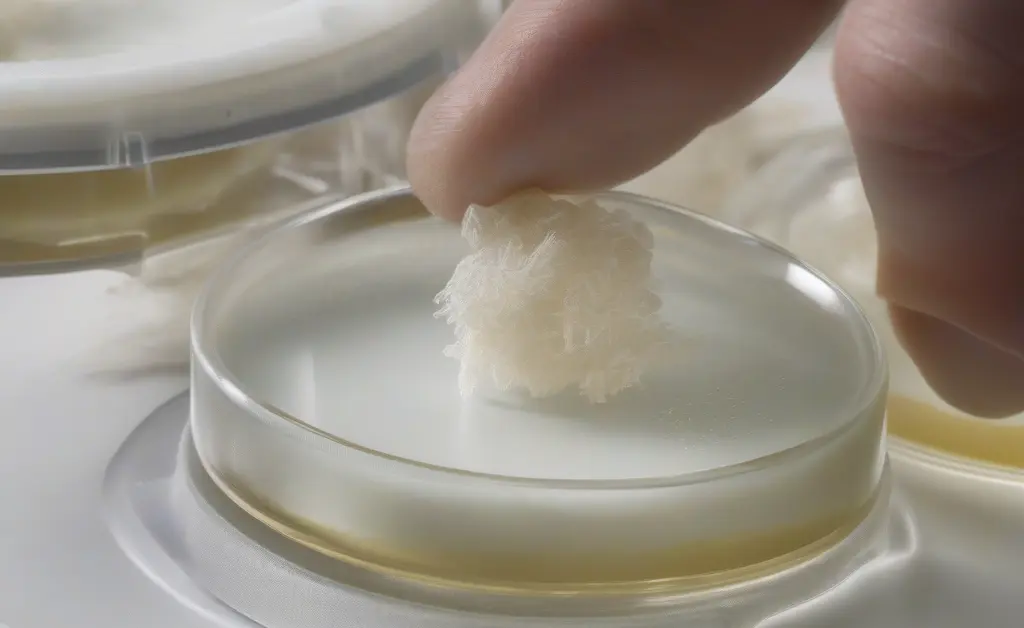
Before inoculating larger substrates, it’s often beneficial to expand and prepare Tremella mycelium cultures. This can be done by transferring a small piece of a mother culture (e.g., from a spore syringe or a previous agar plate) onto fresh agar slants or plates. Agar slants are test tubes containing a solidified nutrient medium, ideal for long-term storage and maintaining pure cultures. Growing mycelium on agar allows for visual inspection to ensure no contamination is present and helps build a robust, vigorous culture ready for larger-scale inoculation. This step provides a strong foundation for how to grow tremella mushroom successfully.
Cultivating the Host Fungus
As Tremella fuciformis relies on a host fungus, ensuring the vigorous growth of the host is paramount. The host fungus, such as *Annulohypoxylon archeri*, is typically inoculated onto the substrate first. It needs a sufficient period to colonize the substrate and establish itself firmly before the Tremella is introduced. This initial colonization creates the necessary nutritional base upon which the Tremella will thrive. Monitoring the host fungus’s growth and health during this phase is crucial for the subsequent success of the Tremella mycelium and eventual fruiting.
Incubation Period and Conditions
Following inoculation, the substrate blocks containing both the Tremella and its host fungus enter the incubation phase. During this time, the mycelium of both fungi colonizes the substrate. This period generally requires stable, moderate temperatures, often within a specific range, and a consistent level of humidity, though typically lower than fruiting conditions. It’s important to keep the blocks in a dark or dimly lit area during incubation. This phase can last several weeks, and careful monitoring for signs of contamination is essential. Patience during incubation is a virtue, as it allows the mycelial network to fully develop.
Optimizing for Fruiting and Crop Management
Inducing Fruiting Body Formation
Once the substrate is fully colonized by both the Tremella and its host fungus, the conditions need to be adjusted to induce fruiting body formation. This involves a change in environmental parameters, signaling to the fungi that it’s time to reproduce. Typically, a drop in temperature, an increase in humidity, and the introduction of indirect light act as triggers. Some growers may also introduce a fresh air exchange to further stimulate pinning. Observing the blocks closely for the initial formation of primordia (tiny mushroom beginnings) is key to knowing if your efforts to grow tremella mushroom are progressing.
Environmental Factors: Temperature, Humidity, and Light
For Tremella fuciformis to produce robust fruiting bodies, precise control over environmental factors is necessary.
Temperature plays a significant role; a specific range is often ideal for primordia formation and subsequent growth.
High humidity, typically above a certain percentage, is crucial to prevent the delicate, gelatinous mushrooms from drying out. This can be achieved through misting, humidifiers, or humidity tents.
While Tremella doesn’t require direct sunlight, some indirect ambient light is beneficial for guiding development and ensuring proper coloration of the fruiting bodies. Consistent air exchange is also important to prevent carbon dioxide buildup, which can inhibit mushroom growth.
Recognizing and Preventing Contamination
Contamination is a constant threat in mushroom cultivation. Recognizing common contaminants early, such as green molds (Trichoderma), black molds (Aspergillus), or bacterial blotches, is vital. Prevention is the best strategy, emphasizing strict sterile practices during all stages, from culture work to substrate preparation and inoculation. Good air filtration, clean grow spaces, and careful handling of cultures and substrates significantly reduce the risk. If contamination is detected, isolated blocks should be removed immediately to prevent spread to other healthy grows.
Addressing Common Growth Challenges
Growers may encounter several challenges when trying to grow tremella mushroom. These can include slow colonization, lack of fruiting, or underdeveloped mushrooms. Slow colonization might indicate a weak culture, improper substrate preparation, or unsuitable incubation temperatures. A lack of fruiting could be due to incorrect environmental triggers, insufficient humidity, or poor air exchange. Addressing these issues often involves re-evaluating each cultivation step, adjusting environmental parameters, and ensuring the health and vigor of both the Tremella and its host fungus. Persistent observation and adaptation are key to overcoming these hurdles.
Harvesting and Post-Harvest Care
When and How to Harvest Tremella Mushrooms
Knowing when to harvest Tremella fuciformis is important for maximizing yield and quality. The mushrooms are typically ready for harvest when they have reached a good size, are plump, and have a clear, often translucent, gelatinous appearance. Overly mature Tremella can become less palatable or lose some of its desired texture. To harvest, gently twist or cut the base of the mushroom where it attaches to the substrate. Care should be taken not to damage the underlying mycelium, as this can encourage subsequent flushes. After harvesting, proper storage, often in a refrigerator, helps maintain freshness, ensuring you get the most from your efforts to grow tremella mushroom.
The process of cultivating Tremella fuciformis, while requiring a unique approach due to its symbiotic nature, can be a deeply rewarding experience for dedicated growers. By understanding the intricate relationship between Tremella and its host fungus, meticulously preparing substrates, maintaining sterile conditions, and carefully controlling environmental factors, enthusiasts can successfully grow tremella mushroom at home. This detailed guide provides a comprehensive framework, offering insights into each critical stage from initial culture management to the final harvest. With patience, attention to detail, and a commitment to learning, producing your own fresh snow fungus is an achievable goal, opening up possibilities for culinary exploration and personal wellness practices.
The information presented in this article is educational and not meant as professional medical counsel. This content is for informational purposes only and is not intended to provide medical advice, diagnosis, or treatment. It should not be used as a substitute for professional medical advice from a qualified healthcare provider. Always consult with a healthcare professional before making any decisions about your health or treatment.
FAQ
— What are the basic steps to grow Tremella mushrooms?
Understanding how to grow tremella mushroom begins with preparing a suitable substrate, often hardwood sawdust blocks, which is then inoculated with the mycelium of a specific wood-decaying host fungus. Once this host fungus colonizes the substrate, Tremella spawn is introduced, which then parasitizes the host, eventually leading to the formation of its characteristic fruiting bodies under proper environmental conditions. This sequential cultivation method supports the unique symbiotic relationship required for Tremella’s development.
— Does Tremella fuciformis require a host organism?
Yes, Tremella fuciformis is a mycoparasite, meaning it derives nutrients from another fungus. It specifically parasitizes certain species of wood-decaying fungi, such as Annulohypoxylon archeri or Hypoxylon sp., which must first establish on the growing medium. This distinct biological relationship is essential for its successful cultivation and development.
— What kind of substrate is best for Tremella cultivation?
The ideal substrate for Tremella cultivation typically consists of hardwood sawdust, such as oak, poplar, or alder, mixed with nutritional supplements like wheat bran. This substrate is first prepared and sterilized to support the growth of its fungal host. After the host fungus colonizes this mixture, Tremella mycelium is introduced to parasitize it.
— How long does it take for Tremella mushrooms to grow?
The growth timeline for Tremella mushrooms can vary significantly depending on environmental conditions, substrate type, and the specific strain being cultivated. Generally, after the host fungus has established and Tremella has been introduced, it can take several weeks for the first fruiting bodies to emerge. Subsequent flushes of mushrooms may continue over an extended period under favorable conditions.
— Can Tremella fuciformis be cultivated indoors?
Yes, Tremella fuciformis can be successfully cultivated indoors within controlled environments. This approach allows for precise management of temperature, humidity, and fresh air exchange, which are critical factors for its growth and fruiting. Indoor cultivation often utilizes sterilized substrate blocks to ensure a clean growing environment.
— What is the ideal temperature and humidity for growing Tremella?
Tremella fuciformis generally prefers moderate temperatures, typically around 20-25°C for mycelial growth and slightly cooler, 18-22°C, for fruiting. High humidity levels, often above 90%, are crucial throughout its life cycle, especially during fruiting, to maintain the mushroom’s characteristic gelatinous texture and prevent desiccation. Consistent fresh air exchange is also important to prevent carbon dioxide buildup.
— How do you get Tremella mushrooms to fruit?
To induce fruiting in Tremella mushrooms, specific environmental changes are typically introduced after the substrate has been fully colonized by both the host fungus and the Tremella mycelium. This usually involves reducing the temperature slightly, increasing ambient humidity significantly, and providing adequate fresh air exchange. These adjustments signal to the mycelium that conditions are suitable for producing fruiting bodies.