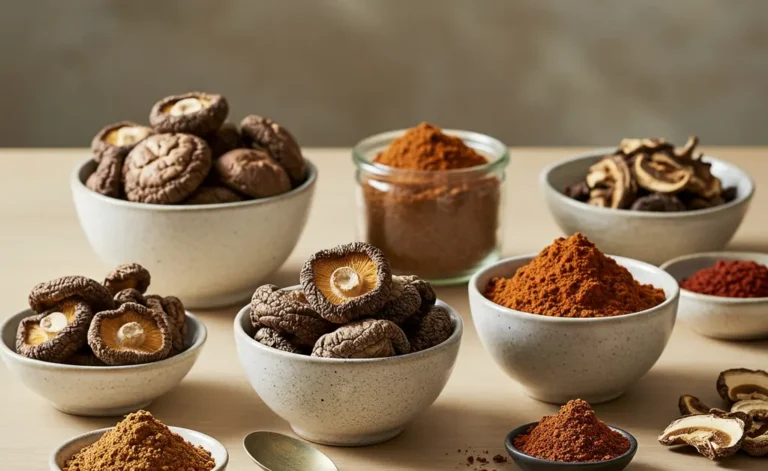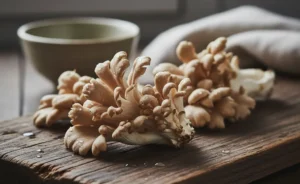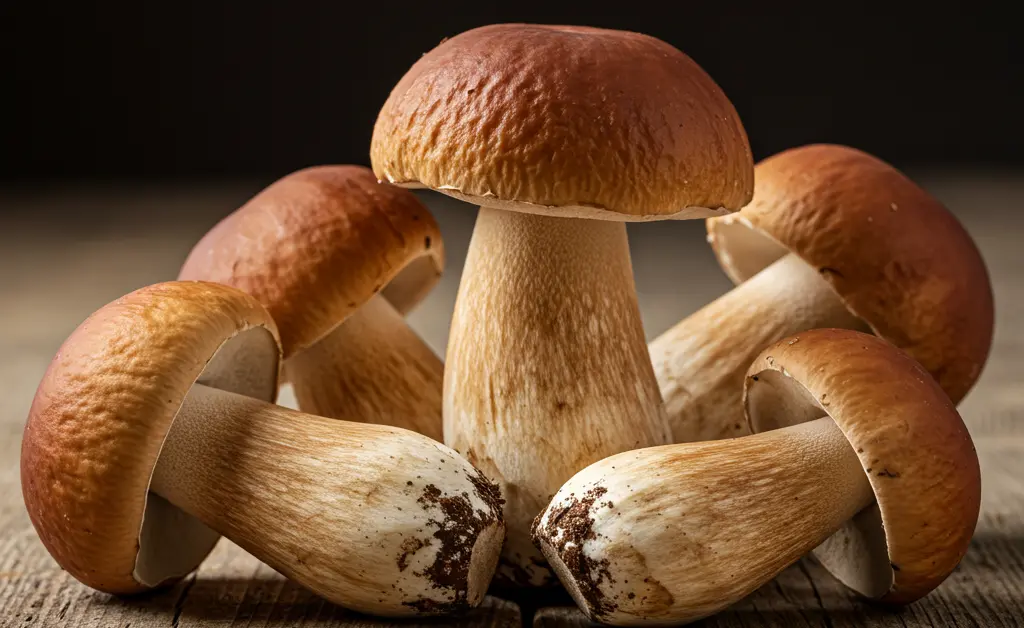
Have you ever considered the profound impact that natural, wholesome ingredients can have on your daily well-being? There’s a particular comfort in discovering that delicious foods can also be powerful allies for our health. Among nature’s most esteemed culinary gifts, the porcini mushroom offers not just a rich, earthy flavor but also an impressive array of nutritional advantages. This article invites you to explore the extensive porcini mushroom benefits, delving into how this highly prized fungi can contribute significantly to a healthier lifestyle. We will uncover the scientific basis behind its nourishing properties, from potent antioxidants to essential vitamins and minerals, highlighting why it is revered by both gourmands and health enthusiasts around the globe.
Porcini Mushroom Benefits
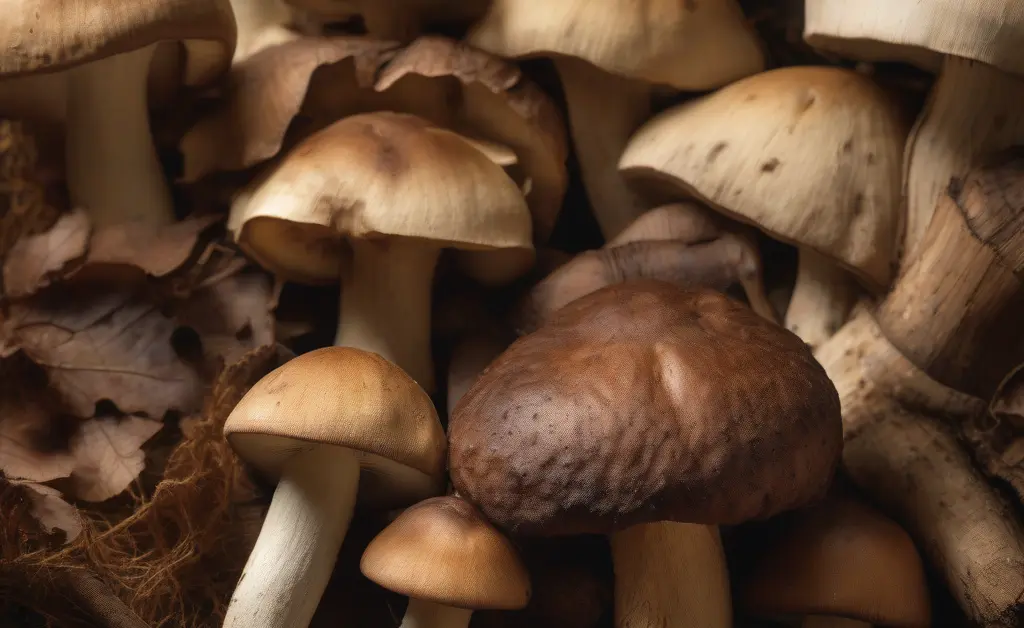
The culinary world often celebrates porcini mushrooms for their robust flavor, but their health properties are equally noteworthy. These wild fungi, scientifically known as Boletus edulis, are a powerhouse of essential nutrients and bioactive compounds that contribute to overall wellness. Exploring the various porcini mushroom benefits reveals a compelling case for including them in a balanced diet, offering more than just a gourmet experience.
Porcini mushroom benefits for skin
The skin, as the body’s largest organ, greatly benefits from a nutrient-rich diet, and porcini mushrooms may offer support in this area. Their high content of antioxidants plays a crucial role in protecting skin cells from environmental stressors. Additionally, some of the vitamins and minerals found in porcini mushrooms, such as B vitamins and selenium, are traditionally associated with maintaining healthy skin appearance and function. Regular consumption, as part of a varied diet, may contribute to the skin’s natural resilience and radiance. Exploring the specific porcini mushroom benefits for skin can reveal targeted dietary support.
Rich Source of Antioxidants
One of the standout health properties of porcini mushrooms is their significant antioxidant content. Antioxidants are vital compounds that help neutralize free radicals in the body, which can cause oxidative stress and cellular damage. Porcini mushrooms contain various types of antioxidants, including phenolic compounds and flavonoids, which collectively contribute to cellular protection. This rich supply of antioxidants is a key factor in the numerous porcini mushroom benefits, supporting overall cellular health.
Anti-Inflammatory Effects
Chronic inflammation is a concern for many, and certain foods are studied for their potential to help manage it. Porcini mushrooms contain bioactive compounds that have been traditionally associated with anti-inflammatory effects. While research is ongoing, these compounds may play a role in modulating inflammatory responses within the body. Incorporating foods with such properties into your diet can be a proactive step toward supporting a healthy inflammatory balance. Further information regarding inflammation and its effects can be found through resources like the NIH.
Supports Digestive Wellness
Digestive health is foundational to overall well-being, and dietary fiber is a critical component for a healthy gut. Porcini mushrooms are a good source of dietary fiber, which aids in promoting regular bowel movements and supports the growth of beneficial gut bacteria. This contribution to digestive wellness is an important aspect of the holistic porcini mushroom benefits, helping to maintain a healthy and efficient digestive system.
Contributes to Weight Management
For those mindful of their weight, porcini mushrooms can be a valuable addition to meals. Their relatively low calorie count combined with their fiber and protein content can contribute to feelings of satiety and fullness, which may help in managing food intake. The fiber helps slow digestion, while the protein can aid in muscle maintenance. Including such nutrient-dense, yet lower-calorie, options can be a supportive strategy for weight management.
Porcini Mushrooms Rank Among Highest in the World for Health
When considering the broad spectrum of edible fungi, porcini mushrooms are often highlighted for their exceptional nutritional profile and health properties. Their combination of essential vitamins, minerals, antioxidants, and dietary fiber places them in a distinguished category among natural foods that support human health. This high ranking is a testament to the extensive porcini mushroom benefits, making them a valued component in both traditional and modern health-conscious diets.
Porcini Mushroom Nutrition and Chemical Profile

Beyond their delightful taste, the nutritional composition of porcini mushrooms is what truly underscores their health value. A detailed look into their chemical profile reveals why they offer such comprehensive porcini mushroom benefits, ranging from immune system support to contributing to cardiovascular health. Understanding these components helps appreciate the full spectrum of advantages this fungi provides.
Essential Vitamins and Minerals
Porcini mushrooms are a valuable source of several essential vitamins and minerals that are crucial for various bodily functions. They provide a range of B vitamins, including riboflavin (B2), niacin (B3), and pantothenic acid (B5), which are important for energy metabolism and nervous system health. Furthermore, they contain minerals such as potassium, copper, and selenium. Selenium, in particular, is an important trace mineral with antioxidant properties that supports the immune system.
Dietary Fiber
Dietary fiber is an indispensable component of a healthy diet, and porcini mushrooms offer a notable amount. This fiber contributes to digestive regularity and can play a role in blood sugar management by slowing down the absorption of sugars. The fiber content also contributes to the feeling of fullness, which can be beneficial for appetite regulation. These fibrous components are part of what makes porcini mushrooms good for you.
Protein Content
While often not considered a primary protein source, porcini mushrooms do contribute a modest amount of protein, especially for a plant-based food. Protein is vital for muscle repair, enzyme production, and overall cellular function. For individuals looking to diversify their protein intake, especially those following vegetarian or vegan diets, porcini mushrooms can be a delicious and nutritious option. The protein, combined with other nutrients, demonstrates why porcini mushrooms are good for overall health.
The porcini mushroom, with its rich flavor and impressive nutritional profile, truly stands out as a culinary and health-promoting ingredient. From supporting digestive wellness and skin health to providing a wealth of antioxidants, the diverse array of porcini mushroom benefits makes it a valuable addition to any diet. Whether enjoyed fresh in a hearty stew or rehydrated for a flavorful sauce, incorporating these magnificent fungi can contribute significantly to a healthier and more vibrant lifestyle, underscoring why many consider porcini mushrooms good for you.
Readers should understand that this article does not offer medical diagnosis or treatment. The information provided is intended for general knowledge and informational purposes only, and does not constitute medical advice. It is essential to consult with a qualified healthcare professional for any health concerns or before making any dietary changes, especially if you have existing health conditions or are taking medications. Individual results may vary, and scientific evidence regarding the effects of natural ingredients can differ.
FAQ
— What are the health benefits of eating porcini mushrooms?
Consuming porcini mushrooms is linked to several positive effects due to their rich nutritional profile and bioactive compounds. The diverse porcini mushroom benefits stem from their content of vitamins, minerals, fiber, and various antioxidants. Including them in your diet can contribute to overall health and well-being.
— Are porcini mushrooms anti-inflammatory?
Many fungi, including porcini mushrooms, contain specific compounds that have been studied for their potential influence on the body’s inflammatory responses. These compounds are thought to interact with immune pathways, which is relevant to modulating inflammation.
— Can porcini mushrooms aid in digestion?
Porcini mushrooms naturally contain dietary fiber, which is known for its role in supporting digestive regularity and gut health. Fiber helps maintain a healthy digestive system by adding bulk to stool and promoting the smooth passage of food through the intestines.
— Do porcini mushrooms support weight loss?
As a low-calorie and nutrient-dense food, porcini mushrooms can be a valuable component of a balanced eating plan focused on calorie management. Their fiber content also contributes to feelings of fullness and satiety, which can assist in controlling overall food intake.
— What nutritional value do porcini mushrooms offer?
Porcini mushrooms provide a range of essential nutrients, including several B vitamins, potassium, phosphorus, and copper. They are also a notable source of dietary fiber and contain some protein, contributing to a well-rounded nutritional intake.
— Are porcini mushrooms rich in antioxidants?
Yes, porcini mushrooms are recognized for containing various antioxidant compounds, such as phenolic compounds and selenium. These substances are understood to help protect cells from oxidative stress by neutralizing free radicals within the body.