
As home cooks increasingly seek out ways to elevate their culinary creations and explore diverse flavors, there’s a growing appreciation for dishes that offer richness and depth without relying solely on traditional ingredients. Many are turning to sophisticated, plant-forward alternatives that deliver robust taste profiles. This shift reflects a desire for both healthier eating and exciting gastronomic experiences right in one’s kitchen. Among these innovative preparations, the porcini mushroom bolognese stands out as a prime example, offering a deeply savory and satisfying experience that rivals its meat-based counterparts. This guide will delve into crafting this exquisite dish, exploring everything from selecting the finest ingredients to mastering cooking techniques, ensuring a truly memorable meal.
Understanding Porcini Mushroom Bolognese
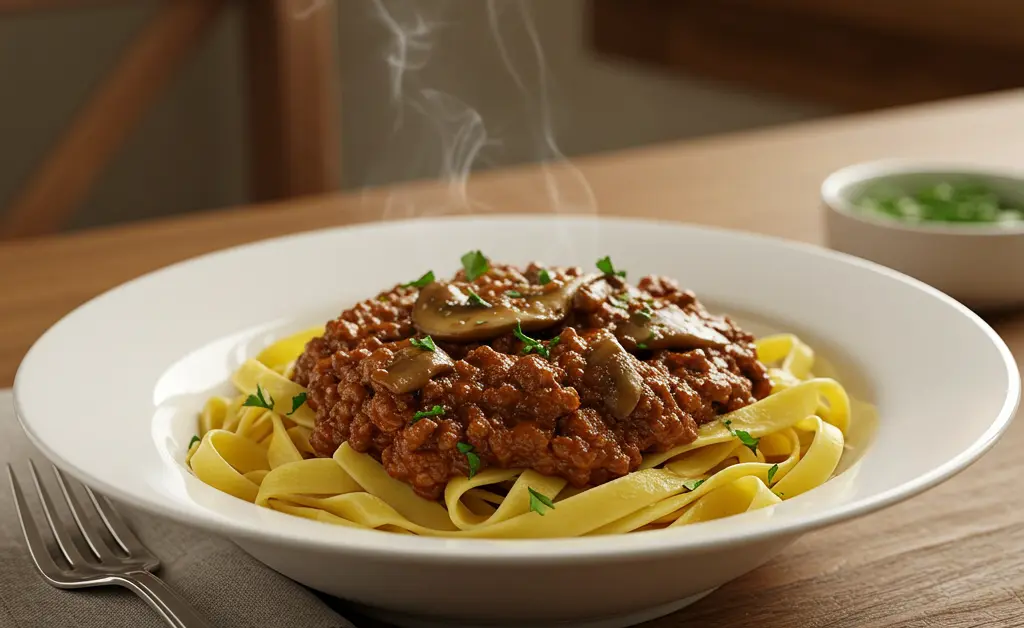
A porcini mushroom bolognese offers a luxurious and deeply flavorful alternative to its meat-based namesake, delivering a rich, hearty, and intensely savory experience. This dish celebrates the earthy depth of porcini mushrooms, transforming them into a sauce that is both robust and complex. It’s an excellent option for those seeking a vegetarian or even vegan bolognese sauce without compromising on the umami characteristics traditionally associated with the classic Italian preparation. For another substantial meat-free meal, an oyster mushroom burger recipe can be a delightful and filling option. The preparation allows the natural sweetness of vegetables to meld with the distinct flavor of porcini, creating a truly satisfying pasta topping.
Selecting Porcini Mushrooms (Fresh vs. Dried Porcini)
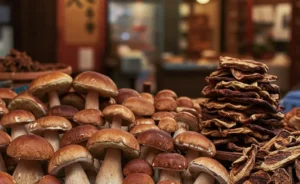
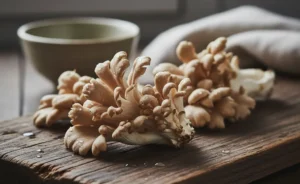
The choice between fresh and dried porcini mushrooms significantly impacts the flavor and texture of your bolognese. Fresh porcini, when available, offer a more delicate texture and a milder, yet still distinctly earthy, aroma. They are best suited for dishes where their tender bite can be appreciated. However, fresh porcini can be seasonal and expensive. Dried porcini mushrooms, on the other hand, are culinary powerhouses. Their flavor is far more concentrated and intense, imparting a deep, robust umami that forms the backbone of a truly exceptional porcini mushroom bolognese. When rehydrated, the soaking liquid itself becomes a flavorful broth, invaluable for deepening the sauce’s complexity. Most recipes for this dish will primarily leverage dried porcini for their concentrated flavor and availability, complemented by other fresh mushrooms for texture if desired. Alternatively, for a different culinary experience, a king oyster mushroom steak provides a satisfying, savory main course.
Essential Ingredients for a Rich Porcini Bolognese
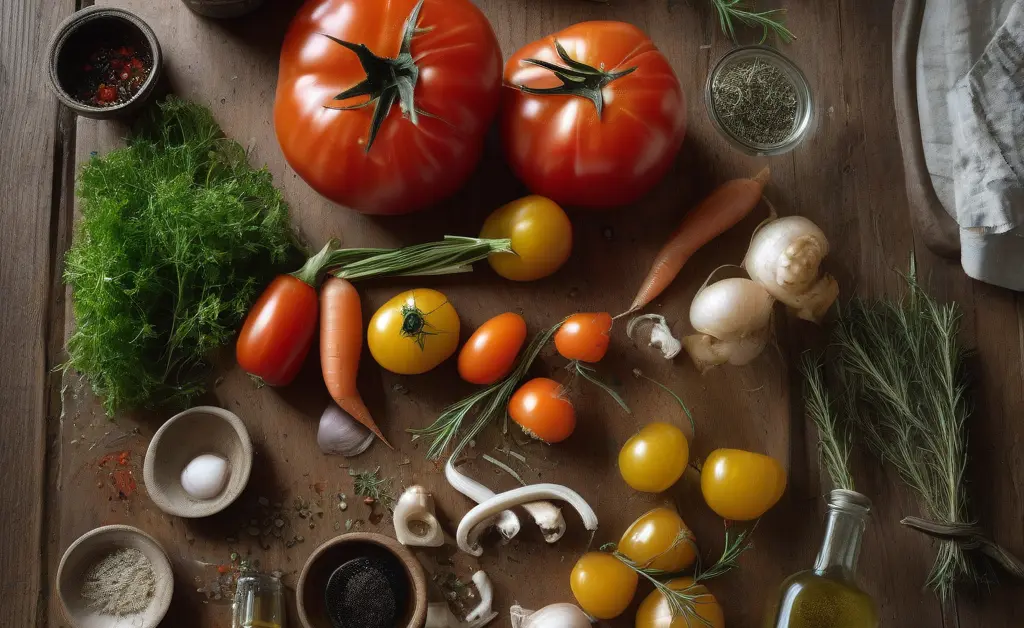
Crafting an outstanding porcini mushroom bolognese begins with selecting high-quality ingredients that build layers of flavor. Information regarding food safety and nutritional guidelines can be found on authoritative sources such as EFSA. Beyond the stars of the dish, the porcini mushrooms, a classic Italian soffritto forms the aromatic foundation. This typically includes finely diced onion, carrot, and celery, sautéed until softened to release their natural sweetness and fragrance. For the liquid component, crushed tomatoes or tomato paste provide a tangy backdrop, while vegetable broth and a splash of red wine contribute depth and complexity. Fresh herbs like thyme, rosemary, or bay leaves infuse the sauce with aromatic notes, complementing the earthy tones of the mushrooms. Finishing touches might include a drizzle of olive oil, a sprinkle of fresh parsley, or a grating of Parmesan cheese for those not following a vegan diet. The careful selection of these essential ingredients is key to achieving a truly rich and satisfying porcini mushroom bolognese.
Step-by-Step Guide: Crafting Your Porcini Mushroom Bolognese
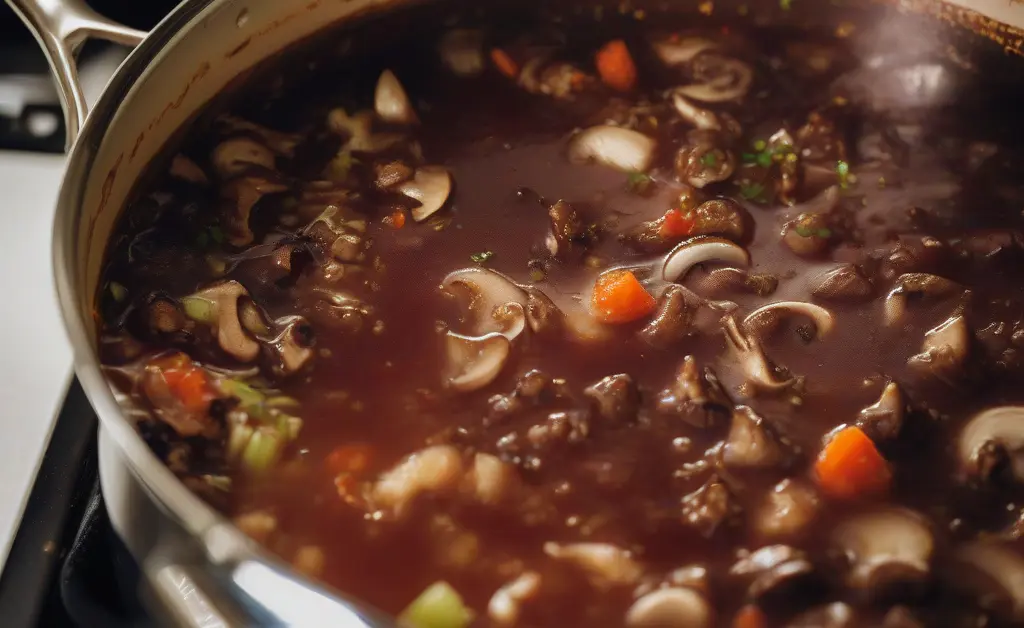
Creating a delicious porcini mushroom bolognese is a rewarding process that involves careful attention to each step. The journey begins with preparing your mushrooms, whether rehydrating dried varieties or cleaning fresh ones. Following this, you’ll embark on building the flavor base, starting with the classic soffritto. This foundational step involves slowly sautéing finely diced onions, carrots, and celery until they are soft and translucent, allowing their natural sugars to caramelize and create a sweet, savory foundation. Next, the mushrooms are added and cooked until tender, releasing their moisture and deepening their earthy notes. Tomato paste is often incorporated at this stage, toasted briefly to enhance its sweetness and reduce its acidity. Liquids like broth and red wine are then introduced, bringing the sauce to a gentle simmer. This allows the flavors to meld and deepen over time, transforming individual ingredients into a harmonious and rich sauce. The cook time will vary, but patience during the simmering phase is key to developing a robust flavor. Finally, the sauce is seasoned to perfection before being served.
Preparing Your Porcini Mushrooms
Proper preparation of porcini mushrooms is crucial for maximizing their flavor in your bolognese. If using dried porcini, they must first be rehydrated. Place the dried mushrooms in a bowl and cover them with hot water or vegetable broth. Allow them to soak for a duration that ensures they become soft and pliable, typically around 20 to 30 minutes. Once rehydrated, carefully lift the mushrooms from the liquid, reserving the soaking liquid. This flavorful liquid, strained through a fine-mesh sieve or coffee filter to remove any grit, is a treasure trove of umami and should be incorporated into your bolognese sauce. The rehydrated porcini can then be roughly chopped. If using fresh porcini, gently clean them with a soft brush or damp cloth to remove any dirt, avoiding excessive washing, which can diminish their flavor. Then, slice or chop them according to your recipe’s instructions.
Exploring Porcini Bolognese Variations and Popular Recipes
The versatility of porcini mushroom bolognese allows for numerous adaptations, catering to different preferences and dietary needs. Beyond the classic vegetarian rendition, popular recipes often explore ways to enhance the sauce’s richness or introduce new textures. For those looking to explore other fungi-based dishes, a variety of oyster mushroom recipes can provide similar umami experiences. For instance, a Vegan Porcini Mushroom Bolognese might incorporate plant-based milks or nutritional yeast to replicate creaminess and cheesy notes, ensuring it remains deeply satisfying without dairy. Some recipes, while centered on mushrooms, might even include a small amount of lean ground meat or lentils to provide a different textural element, creating a hybrid like Porcini Mushroom and Beef Bolognese for those who enjoy both. Recipes such as a Garlicky Mushroom Bolognese with Fettuccine often emphasize a bolder garlic flavor and suggest specific pasta pairings to complement the sauce. Another popular approach is a Mushroom Bolognese with Creamy Sauce, where a touch of cream or plant-based cream is folded in at the end to add a luxurious finish. Many home cooks seek the best mushroom bolognese recipe that balances earthiness, umami, and a perfectly hearty texture, making it a staple in their culinary repertoire.
Tips for an Exceptional Porcini Bolognese
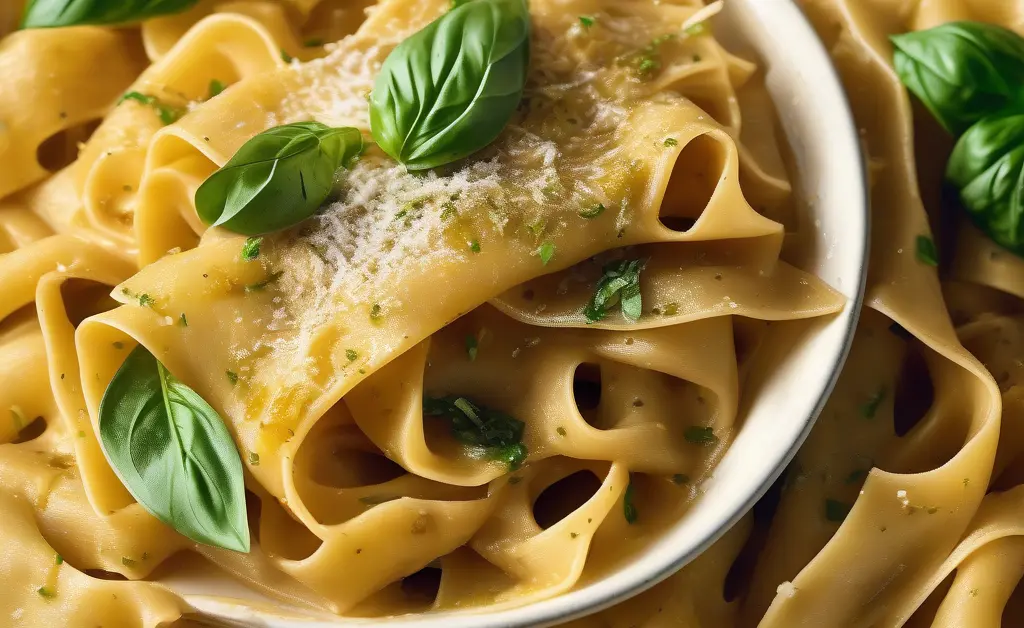
Achieving an exceptional porcini mushroom bolognese involves a few key techniques that elevate the dish from good to gourmet. To truly deepen umami flavors, don’t rush the initial sautéing of your soffritto and mushrooms. Allow them to caramelize slightly, coaxing out their full flavor potential. When using dried porcini, always reserve and strain the soaking liquid, as it’s packed with concentrated mushroom essence that will significantly enhance your sauce. For achieving perfect sauce consistency, allow the bolognese to simmer gently for an adequate duration, allowing the liquids to reduce and the flavors to meld. If the sauce becomes too thick, you can gradually add a little vegetable broth or water. Conversely, if it’s too thin, a longer simmer or a small amount of tomato paste can help. Don’t forget the importance of proper seasoning throughout the cooking process. Tasting and adjusting salt, pepper, and herbs regularly will ensure a well-balanced flavor profile. Consider One-Pot Adaptations for convenience, where the sauce is cooked in a single pot, often integrating the pasta directly for a truly cohesive meal. For quick preparations, an oyster mushroom air fryer recipe offers another convenient cooking method. Finally, consider best pasta pairings, such as fettuccine, pappardelle, or tagliatelle, which have broad surfaces to cradle the rich sauce, and garnishes and accompaniments like fresh basil, grated vegan parmesan, or a drizzle of high-quality olive oil to finish your porcini mushroom bolognese beautifully.
Serving and Storage Suggestions
Serving your porcini mushroom bolognese optimally enhances the dining experience. It pairs wonderfully with wide, flat pasta shapes like tagliatelle, pappardelle, or fettuccine, which are ideal for holding the hearty sauce. Garnish with fresh herbs, such as parsley or basil, and for those who consume dairy, a generous grating of Parmesan cheese. A side salad or crusty bread can complement the rich flavors. For storage, allow the bolognese to cool completely before transferring it to an airtight container. It can be safely stored in the refrigerator for a few days, making it an excellent option for meal prepping.
Freezing and Reheating Guidelines
Porcini mushroom bolognese freezes exceptionally well, making it convenient for future meals. Once cooled, transfer the sauce into freezer-safe containers or heavy-duty freezer bags, ensuring you leave some headspace if using rigid containers. It can be kept in the freezer for a few months. When ready to reheat, thaw the bolognese overnight in the refrigerator, or gently reheat it directly from frozen in a saucepan over low heat, stirring occasionally. You may need to add a splash of vegetable broth or water to achieve the desired consistency. Ensure the sauce is heated thoroughly until bubbling before serving.
The porcini mushroom bolognese offers a deeply satisfying culinary experience, blending rich, earthy flavors with a hearty texture that stands proudly alongside traditional bolognese. By understanding the unique qualities of porcini mushrooms, mastering the foundational techniques, and exploring diverse variations, home cooks can consistently create a dish that is both comforting and sophisticated. This guide provides the framework for crafting an exquisite meal, ensuring that every spoonful delivers a taste of Italian-inspired comfort and umami richness.
This content is for informational use and should not be considered medical instruction. It is not intended to be a substitute for professional medical advice, diagnosis, or treatment. Always seek the advice of your physician or other qualified health provider with any questions you may have regarding a medical condition.
FAQ
— How long does porcini mushroom bolognese take to cook?
A rich porcini mushroom bolognese typically benefits from a slow simmer to allow the flavors to meld and deepen, often requiring at least 45 minutes to an hour of cooking time after initial preparation. This extended cooking process ensures the mushrooms soften properly and their earthy notes infuse the entire sauce, creating a more complex and satisfying dish.
— What pasta is best served with porcini mushroom bolognese?
Hearty, broad pasta shapes like tagliatelle, pappardelle, or fettuccine are excellent choices because their wide surfaces effectively capture the rich, chunky texture of the sauce. The substantial nature of these pasta types also provides a good counterpoint to the robust flavor of the mushrooms, ensuring a balanced mouthful.
— Is porcini mushroom bolognese always vegetarian?
While porcini mushrooms themselves are vegetarian, a bolognese sauce is traditionally meat-based, so its vegetarian status depends entirely on the other ingredients used. Many recipes specifically create a plant-based version featuring the mushrooms as the primary “meat” substitute, though some interpretations might incorporate a small amount of meat for added depth.
— How do you prepare dried porcini mushrooms for bolognese sauce?
Dried porcini mushrooms first need to be rehydrated by soaking them in warm water for about 20 to 30 minutes until they become tender. This process not only softens the mushrooms but also creates a flavorful liquid, often referred to as “mushroom liquor,” which can be strained and added to the sauce to enhance its overall depth.
— Can porcini mushroom bolognese be frozen?
This type of sauce freezes exceptionally well, making it a convenient option for meal prep or future use. To maintain quality, allow the sauce to cool completely before transferring it to airtight containers, where it can be stored in the freezer for several months without significant loss of flavor or texture.
— What ingredients are commonly used in porcini mushroom bolognese?
Beyond the essential porcini mushrooms, a classic porcini mushroom bolognese often includes aromatic vegetables like onions, carrots, and celery, along with crushed tomatoes, garlic, and herbs such as thyme or bay leaves. A touch of red wine or vegetable broth is also frequently added to enrich the sauce and deepen its savory profile.