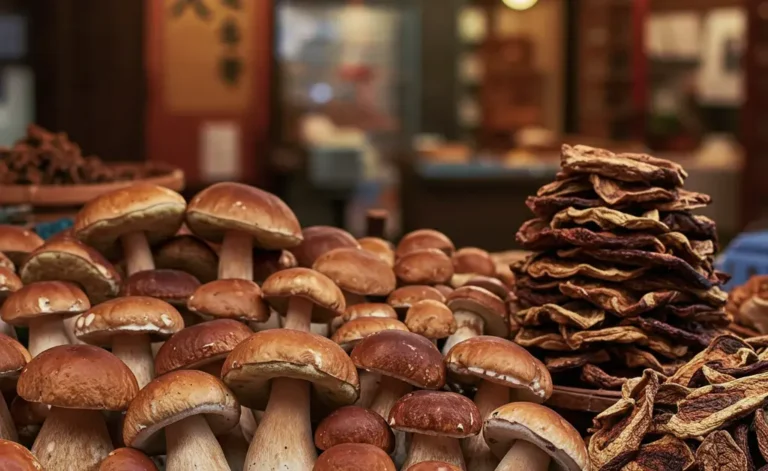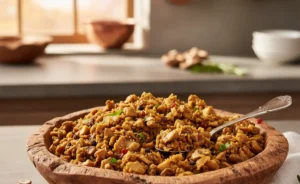

Many culinary enthusiasts appreciate how a well-crafted sauce can elevate a dish from simple to sublime, often wondering what foundational elements contribute to such a profound transformation. Among the most revered ingredients capable of imparting depth and umami to a sauce are porcini mushrooms, known for their distinct earthy aroma and rich flavor profile. Whether fresh or dried, these fungi bring a unique complexity that is highly sought after in gourmet cooking. This guide delves into the art of creating an exquisite porcini mushroom sauce, exploring various preparation methods and offering expert tips for achieving the perfect consistency and taste. We will also cover ideal pairings to help you integrate this versatile condiment into a range of dishes, ensuring every meal becomes a memorable dining experience.
How to Make Porcini Mushroom Sauce
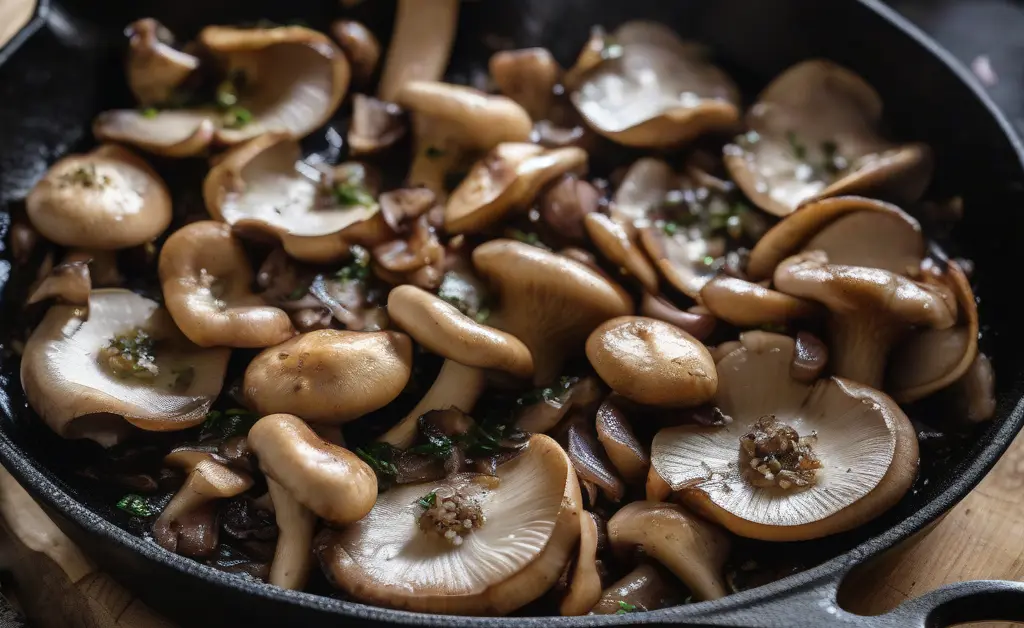
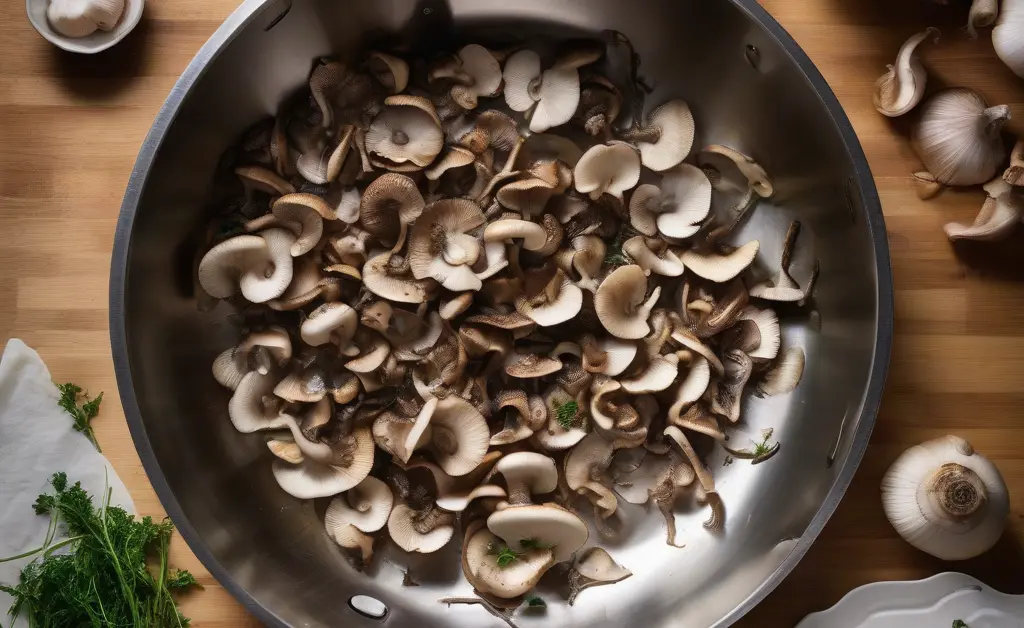
Crafting a delicious porcini mushroom sauce involves a thoughtful combination of ingredients and techniques designed to extract and concentrate the rich, earthy flavor of porcini mushrooms. The foundation often begins with aromatics like finely diced shallots and minced garlic, gently sautéed in olive oil or butter until fragrant. This initial step sets the stage for the deep flavors to come. Once the aromatics are softened, the porcini mushrooms, whether fresh or rehydrated dried porcini, are added and cooked until they release their moisture and begin to brown, intensifying their umami character. A liquid component, such as mushroom stock, vegetable broth, or a splash of dry sherry or white wine, is crucial for deglazing the pan and building the sauce’s body. Simmering allows the flavors to meld beautifully, creating a complex and savory profile. Seasoning with fresh or dried thyme, salt, and black pepper is essential to balance the rich mushroom flavor. Depending on the desired consistency, some recipes may call for a touch of heavy cream at the end for a luxurious, creamy texture, or a brief pureeing step for a smoother sauce. This versatility makes porcini mushroom sauce a staple for many culinary applications, including unexpected delights like a rich porcini mushroom cappuccino.
Easy Porcini Mushroom Sauce
An easy porcini mushroom sauce recipe focuses on simplicity and speed without compromising flavor. This approach often utilizes dried porcini mushrooms, which are readily available and provide a concentrated earthy essence. Begin by rehydrating the dried porcini in hot water for about 20-30 minutes until soft. Strain the rehydration liquid, reserving it for later, and roughly chop the rehydrated fungi. In a saucepan, sauté minced garlic and perhaps a small amount of finely chopped onion in olive oil or butter until tender. Add the chopped porcini, cook for a few minutes, then pour in the reserved porcini liquid along with some vegetable broth. Simmer gently, allowing the sauce to reduce and thicken slightly, perhaps for 10-15 minutes. A quick blend with an immersion blender or a whisk can help create a smoother consistency. Finish with a seasoning of salt, pepper, and a sprinkle of fresh parsley for a quick yet flavorful sauce that is ready to serve.
Fresh Porcini Mushroom Sauce
A fresh porcini mushroom sauce celebrates the delicate texture and distinct aroma of freshly harvested porcini. The key is to handle these gourmet fungi with care to preserve their unique qualities. Start by cleaning the fresh porcini thoroughly with a damp cloth or soft brush, avoiding excess water. Slice them into bite-sized pieces. In a pan, melt butter with a little olive oil, then add finely chopped shallots and cook until translucent. Add the fresh porcini and sauté over medium-high heat until they release their moisture and start to turn golden brown, developing a deep, earthy flavor. Deglaze the pan with a splash of white wine or dry sherry, scraping up any browned bits from the bottom. Pour in mushroom or vegetable stock, a sprig of fresh thyme, and simmer gently for about 15-20 minutes, allowing the flavors to deepen. The sauce will naturally thicken as it reduces, offering a vibrant and aromatic experience that truly captures the essence of fresh porcini. For those interested in exploring diverse gourmet fungi preparations, a Japanese king oyster mushroom recipe offers another unique culinary journey.
Dried Porcini Mushroom Sauce
Making a dried porcini mushroom sauce harnesses the intense, concentrated flavor of these preserved fungi. The initial and most crucial step is rehydration. Place the dried porcini in a bowl and cover them with hot water, mushroom stock, or even warm milk for a creamier base. Allow them to soak for at least 30 minutes until plump and tender. Carefully lift the rehydrated mushrooms from the liquid, squeezing out any excess, and chop them as desired. Strain the soaking liquid through a fine-mesh sieve or cheesecloth to remove any grit; this liquid is a treasure trove of umami and should be incorporated into the sauce. Sauté aromatics like garlic and onions, add the chopped dried porcini, then deglaze with wine or broth. Introduce the strained porcini soaking liquid along with additional stock, and simmer until the sauce achieves the desired consistency and the flavors are fully developed. This method yields a robust and deeply savory sauce, perfect for hearty dishes. You might also find a oyster mushroom curry recipe to be a hearty and flavorful dish.
Fresh Porcini Cream Sauce
A fresh porcini cream sauce offers a rich, velvety texture that beautifully complements the earthy notes of the mushrooms. This variant typically begins with the preparation of fresh porcini, similar to the fresh porcini mushroom sauce, sautéing them with aromatics like shallots and garlic until fragrant and lightly browned. After deglazing with a white wine or vegetable broth, the essential component of heavy cream or a lighter alternative like half-and-half is introduced. Once the cream is added, the sauce is brought to a gentle simmer, allowing it to thicken and coat the mushrooms. Care should be taken not to boil the cream vigorously. A touch of grated Parmesan cheese can enhance the richness and savory depth. For an exceptionally smooth fresh porcini cream sauce, a portion of the mixture can be blended using an immersion blender or a standard blender, then stirred back into the remaining sauce, creating a luxurious consistency. This type of sauce is particularly delightful with pasta or as a decadent topping for various main courses. For general information on nutrition and food preparation safety, global resources like the WHO offer valuable guidance.
Porcini Mushroom Sauce Pairings and Serving Suggestions
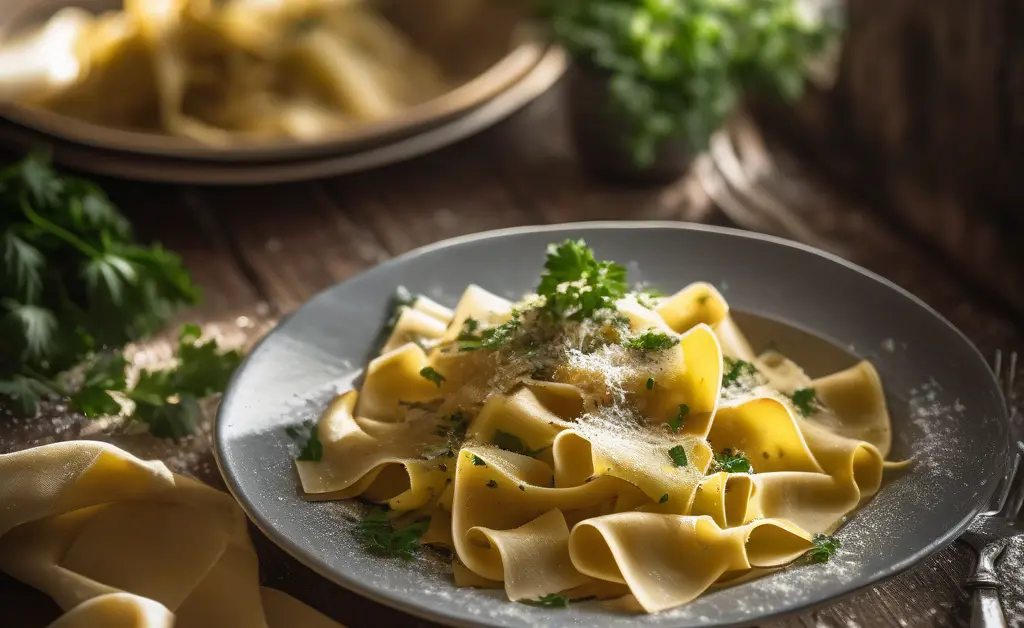
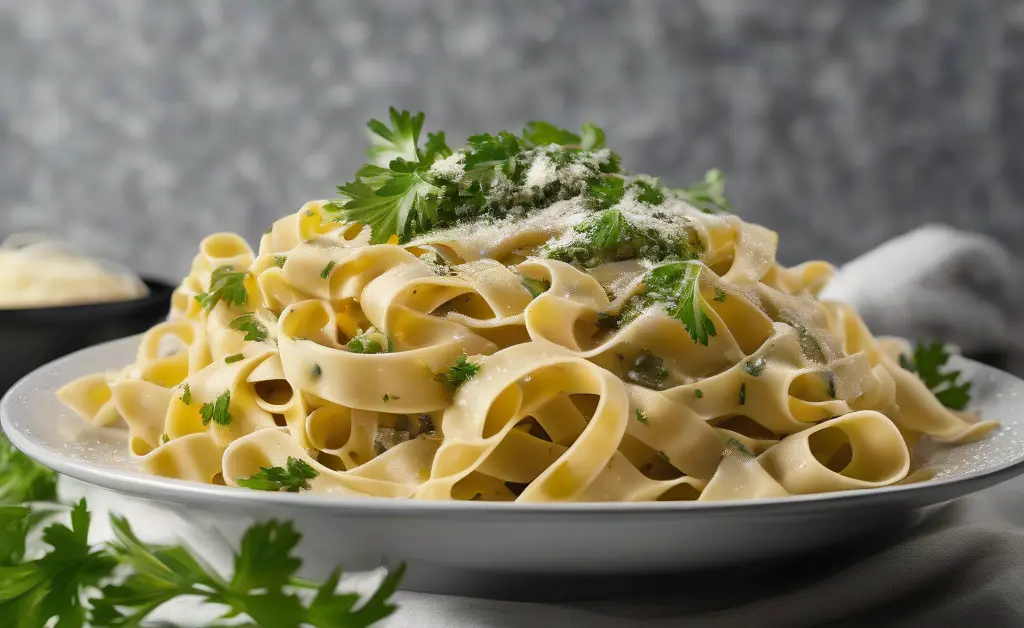
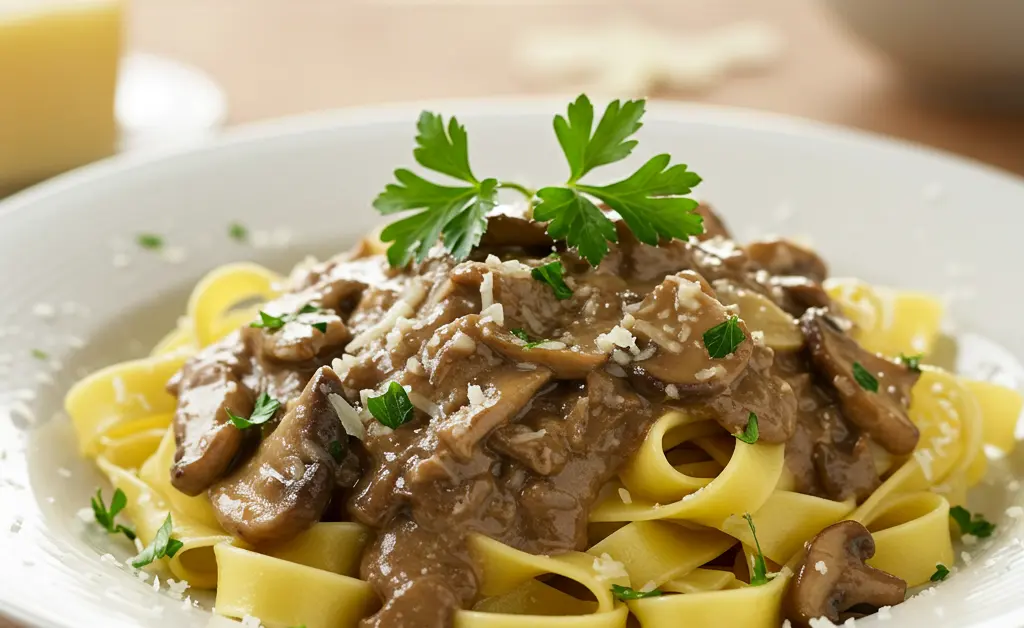
The versatility of porcini mushroom sauce makes it an exceptional accompaniment for a wide array of dishes, elevating simple meals into gourmet experiences. When considering porcini mushroom sauce for pasta, it harmonizes beautifully with fresh, broad noodles like tagliatelle or pappardelle, allowing the sauce to cling effectively. It is also an ideal partner for filled pastas such as ravioli or tortellini, providing a savory counterpoint to their rich fillings. Beyond pasta, this luxurious sauce shines as a complement to various proteins. Serve porcini mushroom sauce for steak, chicken, or pork, where its earthy depth can enhance the savory notes of the meat. It can transform a grilled chicken breast or a pan-seared pork chop into a truly special meal. For vegetarians, it pairs wonderfully with creamy polenta, gnocchi, or roasted root vegetables. Consider serving it over crispy potato cakes or as a sophisticated base for a mushroom tart. Garnishing with fresh parsley, chives, or a dusting of finely grated Parmesan cheese can add both visual appeal and a fresh flavor highlight. A rustic slice of crusty bread is perfect for soaking up every last bit of this delectable porcini mushroom sauce, making it a memorable addition to any dinner table or even a refined appetizer spread. You might also enjoy exploring various oyster mushroom recipes for other culinary adventures.
From its humble origins to its refined culinary applications, porcini mushroom sauce stands as a testament to the transformative power of a single ingredient. Whether you opt for the convenience of dried porcini or the nuanced freshness of seasonal fungi, the result is a rich, umami-laden condiment capable of elevating countless dishes. By mastering the techniques for rehydration, sautéing, and simmering, you can unlock the full potential of these cherished mushrooms. Experiment with different liquids and creamy additions to tailor the sauce to your preference, and explore its incredible versatility with various pairings, from classic pasta dishes to elegant meat and vegetable preparations. This guide aims to inspire confidence in your kitchen, empowering you to create a truly exceptional porcini mushroom sauce that will impress and delight.
The information presented in this article is educational and not meant as professional medical counsel. It is intended for general knowledge and informational purposes only, and does not address individual circumstances. Always consult with a qualified healthcare professional for any health concerns or before making any decisions related to your health or treatment. Reliance on any information provided in this article is solely at your own risk.
FAQ
— What distinguishes functional mushrooms from typical culinary varieties?
Functional mushrooms are recognized for their unique compounds, beyond basic nutrition, that interact with bodily systems in specific ways. While many edible mushrooms offer health benefits, functional varieties are specifically studied for their potential to support various aspects of well-being, including immune function or cognitive processes. A delicious porcini mushroom sauce is primarily valued for its flavor and culinary appeal, whereas functional mushrooms are selected for their distinct bioactive properties.
— How do compounds like beta-glucans contribute to the effects of functional mushrooms?
Beta-glucans are complex carbohydrates found in the cell walls of functional mushrooms, playing a significant role in their observed effects. These compounds are particularly relevant for their interaction with the immune system, helping to modulate and support its normal function. The unique structure of these molecules allows them to engage with various receptors in the body, influencing cellular communication.
— What is the primary focus of research surrounding Lion’s Mane mushroom?
Lion’s Mane mushroom is a functional mushroom primarily studied for its potential influence on cognitive health and nerve support. It contains specific compounds, such as hericenones and erinacines, which are relevant to nerve growth factor production. Research explores how these unique constituents might support brain and nerve cell integrity.
— In what ways is Reishi mushroom traditionally valued?
Reishi mushroom has a long history in traditional practices, where it is often referred to as the “mushroom of immortality” due to its broad traditional applications. It is known for its adaptogenic properties, which are considered to help the body maintain balance and adapt to stress. Its triterpenes and polysaccharides are key compounds often associated with these traditional benefits.
— Can functional mushrooms be incorporated into a daily wellness routine?
Many people choose to integrate functional mushrooms into their daily wellness practices to support various aspects of health over time. Consistent use aligns with the adaptogenic principle, where sustained engagement with the compounds helps the body maintain equilibrium. The benefits often emerge through regular interaction with the body’s systems, rather than isolated instances.