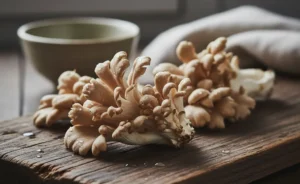
The king oyster mushroom, often celebrated in culinary circles for its firm, meaty texture and umami-rich flavor, is a versatile ingredient highly valued in many global cuisines. This distinctive fungus, recognizable by its thick stem and relatively small cap, lends itself well to various cooking methods, from grilling and roasting to sautéing. Its popularity has transcended geographical boundaries, leading to a fascinating array of local names. Understanding the king oyster mushroom name in other languages is not just a linguistic exercise but also offers insight into cultural perceptions and culinary traditions surrounding this remarkable edible fungi. Exploring these diverse designations reveals how different cultures embrace and incorporate this delicious mushroom into their diets and daily life.
King Oyster Mushroom Names in Other Languages
The global appeal of the king oyster mushroom, scientifically known as Pleurotus eryngii, has naturally led to a rich tapestry of names across various cultures and languages. Exploring the king oyster mushroom name in other languages highlights the mushroom’s culinary significance and how different regions perceive and classify this fungi. From direct translations emphasizing its “kingly” stature or “oyster-like” appearance to unique vernacular names, the terminology reflects local botanical understanding and culinary applications. This linguistic diversity makes understanding these common names essential for chefs, mycologists, and food enthusiasts alike who wish to navigate international markets and recipes. Accurate oyster mushroom identification is also key for those who forage.
Italian Names for King Oyster Mushroom
In Italy, the king oyster mushroom is widely known as “Cardoncello” or “Fungo Cardoncello.” This name refers to its association with the cardoon thistle, as the mushroom traditionally grows near the roots of this plant in the Mediterranean region. The Cardoncello holds a significant place in Italian regional cuisine, particularly in the south, where it is highly prized for its robust flavor and firm texture. Its culinary versatility makes it a staple in various traditional dishes, celebrated for its unique earthy notes. A deeper understanding of what are oyster mushrooms can further enhance appreciation for varieties like the Cardoncello.
Japanese Names for King Oyster Mushroom
The Japanese refer to the king oyster mushroom as “Eringi” (エリンギ). This name is a direct transliteration of “Eryngii,” derived from its scientific designation, Pleurotus eryngii. Eringi mushrooms are incredibly popular in Japan, valued for their pleasant texture and mild, savory taste. They are commonly used in stir-fries, hot pots, tempura, and grilled dishes, contributing a satisfying bite and umami depth to a wide array of Japanese culinary creations. Understanding the broader oyster mushroom scientific name context can illuminate the taxonomy of various species.
Chinese Names for King Oyster Mushroom
In Chinese cuisine, the king oyster mushroom is typically called “Xìng bào gū” (杏鮑菇). The name translates literally to “apricot abalone mushroom,” which beautifully captures its characteristics. “Xìng” (apricot) refers to the slight apricot-like aroma some perceive, while “bào” (abalone) references its firm, meaty texture, which is often compared to that of abalone seafood. This edible mushroom is a popular ingredient in various Chinese dishes, known for its ability to absorb flavors and maintain a delightful chewiness.
Korean Names for King Oyster Mushroom
Koreans commonly refer to the king oyster mushroom as “Sae-song-i beoseot” (새송이버섯). This name literally translates to “new pine mushroom” or “young pine mushroom,” which might relate to its appearance or growth habit. Sae-song-i beoseot is a beloved ingredient in Korean cooking, frequently grilled whole, sliced into various dishes, or added to stews and stir-fries. Its distinct texture and delicate flavor make it a versatile component in many traditional and modern Korean recipes.
French, German, and Spanish Equivalents
Across Europe, the king oyster mushroom also boasts several designations reflecting local linguistic and mycological traditions: For broader information on global health and food safety standards, consulting organizations like the WHO is advisable.
- French: Often referred to as “Pleurote du Panicaut,” directly translating to “oyster mushroom of the sea holly,” referencing its botanical association with the Eryngium plant species.
- German: Commonly known as “Kräuter-Seitling” (herb oyster mushroom) or sometimes “Königsausternpilz” (king oyster mushroom), a more direct translation of its English name, highlighting its esteemed status.
- Spanish: In Spanish-speaking regions, it is frequently called “Seta de cardo” (thistle mushroom) or “Seta eryngii,” again drawing a connection to its natural habitat or scientific classification.
Other European Language Designations
Beyond the major European languages, the king oyster mushroom has found its way into the culinary lexicon of several other countries. For instance, in Portuguese, it might be referred to as “Cogumelo Rei,” meaning “king mushroom,” or sometimes by a transliteration of its scientific name. In Dutch, it is known as “Koningsoesterzwam,” which is a direct translation of “king oyster mushroom.” These diverse names underscore the mushroom’s growing popularity and integration into various European culinary traditions, often reflecting its perceived qualities or botanical origins.
Other Asian Language Designations
The king oyster mushroom’s prominence extends across many other Asian cultures, each with its unique nomenclature. In Vietnamese, it is known as “Nấm đùi gà,” which amusingly translates to “chicken thigh mushroom,” a nod to its thick, meaty stem resembling a chicken drumstick. In Thailand, it might be called “Hed Khon,” and other regional languages will have their own distinct names. These designations reflect cultural interpretations of the mushroom’s appearance, texture, or even its perceived qualities, further illustrating its widespread appreciation throughout the continent. For a broader perspective on fungi, exploring the oyster mushroom name in different languages is also insightful.
The rich tapestry of names for the king oyster mushroom across various languages is a testament to its global culinary significance and adaptability. From its evocative scientific designation of Pleurotus eryngii to its numerous common names in different tongues, each name offers a glimpse into how cultures perceive and cherish this versatile fungi. Understanding these diverse terms not only enriches our linguistic knowledge but also deepens our appreciation for the king oyster mushroom’s universal appeal as a cherished ingredient in kitchens worldwide.
not applicable
FAQ
— What is king oyster mushroom called in different languages?
The king oyster mushroom name in other languages often reflects its distinctive appearance or culinary value. Beyond its common English titles, it is frequently known as the “trumpet mushroom” or “French horn mushroom,” highlighting its thick, cylindrical stem. Its scientific classification is Pleurotus eryngii, which is universally recognized among mycologists.
— How is Pleurotus eryngii referred to in Asian languages?
In Asian languages, this versatile mushroom holds several distinct and culturally significant names. It is widely recognized as “Eringi” in Japan, a name that has become popular even in Western culinary circles. In Korea, it is referred to as “새송이버섯” (saesong-i beoseot), often translating to “new pine mushroom” due to its unique texture and mild flavor.