A king oyster mushroom is prized in culinary circles for its firm, meaty texture and rich umami flavor, making it a versatile ingredient in various dishes. However, sourcing this specific variety can sometimes be challenging due to availability or cost fluctuations for commercial kitchens. Identifying an effective king oyster mushroom substitute is crucial for chefs and food service professionals seeking to maintain ingredient consistency and menu quality without compromise. This guide explores suitable alternatives that can replicate the unique characteristics of king oyster mushrooms, ensuring dishes retain their intended profile. Understanding the key attributes of potential substitutes allows for informed choices that uphold culinary standards and operational efficiency in a professional setting.
Key Qualities to Look for in a King Oyster Mushroom Substitute
When selecting a king oyster mushroom substitute, the goal is to find an alternative that closely mimics the distinctive texture and flavor profile of the original. The ideal replacement should contribute to the dish in a similar way, maintaining the culinary integrity. A successful king oyster mushroom substitute will help ensure menu consistency even when the primary ingredient is unavailable or cost-prohibitive. This thoughtful approach to ingredient selection is vital for commercial operations aiming for both quality and efficiency. Understanding the oyster mushroom scientific name can sometimes provide insight into its characteristics and classifications.
Mimicking Texture and Firmness
The firm texture and meaty texture of king oyster mushrooms are among their most celebrated attributes. They offer a satisfying bite that holds up well to various cooking methods, unlike many other mushrooms that can become soft or mushy. When seeking a texture substitute, look for varieties that retain a substantial, chewy texture even after cooking. This firmness is particularly important in dishes where the mushroom serves as a focal point or a “meat” substitute, providing a structural element that contributes to the overall mouthfeel of the dish.
Achieving a Similar Umami Flavor
Beyond texture, the rich umami flavor of king oyster mushrooms is a cornerstone of their appeal. This deep, savory quality, often described as an earthy flavor, adds complexity and depth to dishes. A suitable king oyster mushroom alternative should aim to provide a similar flavor profile, enhancing the dish without overpowering other ingredients. While exact replication may be difficult, alternatives that offer a robust, savory base can effectively contribute to the intended taste experience, especially when paired with complementary seasonings.
Popular Mushroom Substitutes for King Oyster Mushrooms
Exploring various mushroom alternatives can uncover several suitable options that serve as an effective king oyster mushroom substitute in commercial kitchens. Each variety brings its own set of characteristics to the table, and understanding these can help in making informed decisions for specific recipes and culinary applications. The common culinary applications of these alternatives often align with the reasons for seeking a substitution for king oyster mushrooms. Further details on oyster mushroom identification can inform broader mushroom knowledge.
Shiitake Mushrooms
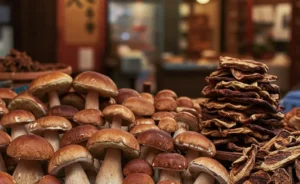
Shiitake mushrooms are widely appreciated for their rich, savory flavor and meaty texture, making them a popular choice among mushroom alternatives. Their flavor profile, especially when using dried shiitake mushrooms, offers a concentrated umami that can stand in for the king oyster’s depth. While their texture might be slightly less firm than a king oyster, larger shiitake caps can still provide a satisfying bite, particularly in stir-fries, soups, and braised dishes where they absorb flavors beautifully.
Shimeji mushroom
Shimeji mushrooms, also known as beech mushrooms, offer a delicate yet firm texture that holds up well during cooking. They possess a mild, slightly nutty umami flavor that can complement a wide range of dishes. While smaller than king oyster mushrooms, their clusters can provide an interesting visual and textural element. They are particularly effective in stir-fries, noodle dishes, and light sautés where their distinct appearance and subtle flavor can shine.
Choosing the Best King Oyster Mushroom Alternatives
Selecting the optimal king oyster mushroom substitute involves more than just taste and texture; factors such as availability, cost, and intended cooking methods play a significant role. The best king oyster mushroom alternative for one dish might not be suitable for another, emphasizing the importance of versatility in recipe applications. Commercial kitchens need reliable access to ingredients that can consistently meet demand and quality standards. Evaluating the specific requirements of your menu items will guide the choice towards an alternative that seamlessly integrates into your operational workflow and culinary vision. Considerations such as how the alternative reacts to different cooking methods and its overall flavor contribution are paramount. Knowing the oyster mushroom name in different languages can also be beneficial for global sourcing and culinary communication.
King Oyster Mushroom Alternatives for Vegan Dishes
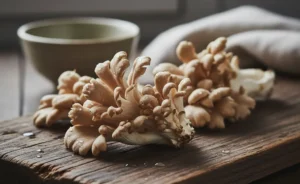
For vegan dishes, the king oyster mushroom is often celebrated for its ability to mimic meat or seafood due to its meaty texture and structural integrity. Finding suitable king oyster mushroom alternatives is particularly important for plant-based menus where the mushroom might be performing as a primary protein or texture element. Options that offer a substantial bite and absorb flavors well are key. For example, while not a direct textural match for “King Oyster Mushroom Scallops,” larger mushrooms like portobello can offer a hearty, savory base when prepared thoughtfully. The goal is to find a plant-based ingredient that contributes meaningfully to the dish, echoing the satisfying presence a king oyster mushroom meat substitute typically provides without trying to exactly replicate its specific morphology. Other robust options like maitake or lion’s mane can also be explored for their unique textures and ability to act as a significant component in plant-forward preparations. Research on the nutritional impact of plant-based ingredients can be found from reputable sources like the NIH.
The exploration of king oyster mushroom substitutes highlights the dynamic nature of professional cooking, where adaptability and informed ingredient selection are paramount. By understanding the unique qualities of various mushroom alternatives and their culinary potential, chefs can ensure their menus remain resilient, flavorful, and consistently high in quality, regardless of the challenges in sourcing specific ingredients.
It is important to note that this content is not intended as medical advice. The information provided is for general informational purposes only and should not be considered a substitute for professional health or nutritional guidance. Always consult with a qualified healthcare professional or registered dietitian before making any decisions related to your health or diet. Individual dietary needs and sensitivities can vary, and personal advice is recommended.
FAQ
— What can I use instead of king oyster mushrooms?
For a good culinary replacement, consider using portobello or cremini mushrooms. These alternatives offer a hearty texture and earthy, umami flavor that can mimic some of the qualities of king oysters in many recipes. Their versatility allows them to be incorporated into various cooking applications with satisfying results.
— What is a good substitute for king oyster mushrooms in vegan recipes?
In vegan cooking, large portobello caps are an excellent choice for replacing king oyster mushrooms due to their robust structure and substantial texture. Sliced thickly and pan-fried, they can absorb flavors well, providing a satisfying, meaty element to dishes. Another viable option is thick slices of eggplant, which can be prepared similarly to achieve a comparable mouthfeel.
— Do shiitake mushrooms taste similar to king oyster mushrooms?
Shiitake mushrooms possess a distinct savory, umami flavor that differs from the milder, more subtle taste of king oyster mushrooms. While both varieties are rich in natural glutamates, the flavor profile of shiitake is often described as woodier and more intense. This difference means they won’t provide an exact taste match, though they certainly contribute their own unique depth to dishes.
— What is the best texture substitute for king oyster mushrooms?
When prioritizing texture, portobello mushrooms, particularly their stems, are a strong contender. Their dense, fibrous nature allows them to hold up well to various cooking methods, providing a satisfying chewiness akin to king oysters. Artichoke hearts can also be surprisingly effective in replicating a firm, yet tender bite in certain preparations.
— Can dried shiitake mushrooms replace king oyster mushrooms?
Dried shiitake mushrooms, once rehydrated, offer a concentrated umami flavor and a slightly chewy texture, which can work as a king oyster mushroom substitute in specific dishes. However, their texture tends to be more delicate and less “meaty” than the thick, firm king oyster, so the textural experience won’t be identical. They excel particularly well in broths and sauces where their intense flavor can truly shine.