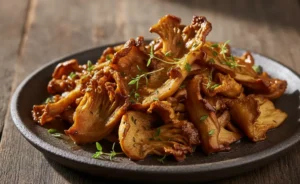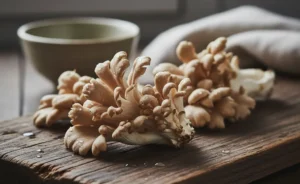

Understanding the various types of oyster mushrooms offers significant advantages for both culinary enthusiasts and home growers, enabling more informed choices and enhanced experiences. Each variety presents distinct flavors, textures, and appearances, allowing for more precise culinary applications and a richer gastronomic journey. From the delicate, peppery notes of the Pearl oyster to the robust, meaty chewiness of the King oyster, knowing these subtle differences empowers individuals to select the perfect mushroom for any dish or cultivation project. This comprehensive guide will explore the fascinating world of types of oyster mushrooms, highlighting their unique traits, preferred growing conditions, and diverse culinary uses, helping you appreciate the full spectrum of these versatile fungi.
Exploring the Diverse Types of Oyster Mushrooms
The culinary landscape is significantly enriched by the many types of oyster mushrooms, each offering a unique sensory experience. These edible fungi, primarily from the genus Pleurotus, are celebrated globally for their distinctive appearances, diverse flavor profiles, and adaptable textures. From delicate and mild to rich and savory, understanding these varieties can transform both cooking and cultivation endeavors. This section delves into some of the most prominent oyster mushroom varieties, detailing their characteristics and best uses.
Pearl Oyster Mushroom (Pleurotus ostreatus)
The Pearl oyster mushroom, scientifically known as Pleurotus ostreatus, is perhaps the most widely recognized among the types of oyster mushrooms. It typically features broad, fan-shaped caps that range in color from off-white to grey or tan, often growing in cascading clusters. Its gills are white and run down a short, sometimes absent, stem. Pearl oysters are known for their delicate, slightly peppery flavor and tender texture, making them exceptionally versatile in the kitchen. They are excellent when sautéed, roasted, or added to soups and stir-fries, absorbing flavors beautifully. This species is also one of the easiest to cultivate across various substrates, including straw and wood.
Elm Oyster Mushroom
While not a true Pleurotus species (it belongs to the genus Hypsizygus ulmarius), the Elm oyster mushroom is frequently grouped with oyster mushrooms due to its similar appearance and culinary applications. This variety typically has a firm, meaty texture and a mild, nutty flavor that deepens when cooked. Its caps are usually cream to tan in color, often growing singly or in small clusters on hardwood trees. Unlike many true oyster mushrooms, the Elm oyster often has a more pronounced central stem. It is highly valued for its robust texture, which holds up well in heartier dishes like stews, grills, and “pulled” mushroom preparations.
Brown Oyster Mushroom
The Brown oyster mushroom is a popular variety known for its earthy aesthetic and delightful culinary qualities. Often a darker strain of Pleurotus ostreatus, its caps can range from light brown to a rich, dark coffee hue, providing a striking contrast to its white gills. These mushrooms possess a slightly more robust flavor than their lighter counterparts, often described as savory and woodsy, with a pleasingly firm texture. They are exceptionally versatile and can be used in almost any dish that calls for mushrooms, from pasta sauces to gourmet pizzas, adding depth and umami richness.
Pink Oyster Mushroom (Pleurotus djamor)
The Pink oyster mushroom (Pleurotus djamor) is a visually striking variety, celebrated for its vibrant fuchsia coloration. These beautiful mushrooms grow in dense clusters and have a delicate, wavy cap edge. They possess a surprisingly meaty texture and a distinct, savory flavor often likened to seafood, particularly bacon or shrimp, when cooked until crispy. Due to their preference for warmer temperatures, Pink oysters are particularly popular in tropical and subtropical climates and are a favorite for home cultivation in summer months. Their bold color and unique taste make them a fantastic addition to stir-fries, tacos, and as a colorful garnish.
Blue Oyster Mushroom (Pleurotus ostreatus var. columbinus)
The Blue oyster mushroom, or Pleurotus ostreatus var. columbinus, is distinguished by its stunning steel-blue caps when young, which tend to fade to a greyish-blue or even grey as they mature. Like other members of the Pleurotus ostreatus complex, it grows in shelf-like clusters. It offers a slightly denser texture and a more robust, earthy flavor compared to the Pearl oyster. This variety is highly sought after for its culinary versatility and relatively easy cultivation, thriving in cooler conditions. Blue oysters are excellent in almost any dish, from simple sautéed sides to more complex gourmet meals, providing a firm bite and rich flavor.
Golden Oyster Mushroom (Pleurotus citrinopileatus)
Hailing from tropical and subtropical regions, the Golden oyster mushroom (Pleurotus citrinopileatus) is instantly recognizable by its brilliant, sunny yellow caps, which grow in profuse, delicate clusters. These mushrooms have a tender, almost velvety texture and a mild, nutty flavor that can sometimes carry a hint of citrus, becoming slightly chewy when cooked. Golden oysters are a popular choice for their aesthetic appeal and pleasant taste, brightening up any dish. They are best enjoyed lightly cooked to preserve their delicate texture and vibrant color, making them perfect for stir-fries, salads, and as a colorful addition to rice dishes.
King Oyster Mushroom (Pleurotus eryngii)
The King oyster mushroom (Pleurotus eryngii) stands apart from other types of oyster mushrooms due to its unique morphology: a thick, robust stem and a relatively small cap. This structure gives it a distinctly meaty texture and a rich, umami flavor often compared to scallops or abalone. Its firm flesh holds up incredibly well to various cooking methods, including grilling, roasting, pan-frying, and braising, making it a favorite among chefs. The stem can be sliced into medallions, scored, or shredded to mimic different textures, absorbing marinades and spices beautifully. King oysters are prized for their versatility and ability to add substantial body and flavor to plant-based and meat dishes alike.
Phoenix Oyster Mushroom (Pleurotus pulmonarius)
Also known as the Summer oyster or Indian oyster, the Phoenix oyster mushroom (Pleurotus pulmonarius) is closely related to the Pearl oyster but prefers slightly warmer growing conditions. It typically features caps that are lighter in color, ranging from white to tan, and often has a thinner, more delicate flesh. The Phoenix oyster offers a mild, subtle flavor and a tender texture, making it a delightful addition to light dishes. It shares many culinary uses with the Pearl oyster but is often noted for its slightly more refined texture. This variety is a good choice for those seeking a delicate mushroom flavor in their cuisine, suitable for omelets, stir-fries, and light sauces.
Other Notable Oyster Mushroom Varieties
Beyond the well-known varieties, there are several other notable types of oyster mushrooms that offer unique characteristics. The `Italian Oyster` is often a common name for certain strains of `Pleurotus pulmonarius`, prized for its thicker, meatier texture compared to some other summer oysters. Some growers cultivate specific `grey oyster mushroom` or `oyster mushroom white` strains, which are typically color variations within the Pleurotus ostreatus complex, each potentially offering slight differences in growth habit or subtle flavor nuances. There are also `black oyster mushroom` types, which are usually darker strains of Pleurotus ostreatus or Pleurotus ostreatus var. columbinus that develop a very deep grey to almost black hue, known for a robust flavor. For those interested in larger specimens, certain `Giant Oyster Mushrooms` can be cultivated, offering substantial yields and hearty texture suitable for large meals. Each of these varieties contributes to the rich diversity of edible mushrooms available to consumers and cultivators.
Oyster Mushroom Identification and Key Characteristics
Accurate identification is crucial when dealing with mushrooms, especially when foraging. Understanding the key characteristics of different types of oyster mushrooms helps ensure safe consumption and proper culinary use. While all true Pleurotus species are generally considered edible, there are instances of `poisonous oyster mushroom look alikes` that can cause confusion. Careful observation of specific features can aid in distinguishing these popular `edible mushrooms`. For further scientific information on mushroom identification and safety, resources like PubMed offer valuable insights.
When identifying oyster mushroom varieties, several physical `characteristics` are paramount. The `cap` is typically fan-shaped, shell-shaped, or spatulate, often growing in shelves or clusters from wood. The color of the cap varies greatly among `oyster mushroom types`, from white, cream, tan, brown, pink, blue, to golden yellow. Another key feature is the `gills`, which are usually white or off-white and run down the `stem` (decurrent). The stem itself can be short, stubby, or even absent, particularly in species that grow directly from their substrate without a prominent stalk. The `texture` of the flesh is generally tender yet firm, becoming meatier in varieties like the King oyster mushroom.
A crucial `identification` tool for `mushroom species` is the `spore print`. Most true oyster mushrooms produce a white to lilac-grey spore print, which is a key differentiator from many toxic look-alikes. Furthermore, the `aroma` of fresh oyster mushrooms is often mild and pleasant, sometimes described as earthy or subtly anise-like. `Habitat` and `substrate` are also important clues; oyster mushrooms are `saprophytic`, meaning they grow on dead or dying wood, preferring hardwoods but sometimes found on conifers. It’s important to differentiate them from other fungi that might share a similar appearance but grow on different materials or possess distinct features.
To avoid potential confusion with `poisonous` or `toxic` look-alikes, it is always recommended to be absolutely certain of `identification` before consuming any wild mushroom. While few truly toxic look-alikes closely mimic oyster mushrooms, species like the Ghost Fungus (Omphalotus nidiformis) or some types of mock oyster mushrooms exist in certain regions and can be mistaken by inexperienced foragers. For those new to foraging, consulting field guides with detailed `pictures` and `images`, learning about local `mushroom species`, and even participating in local `mycology` groups can significantly enhance `identification` skills. For guaranteed safety and consistency, oyster mushroom cultivation is a reliable method to enjoy these delicious fungi, offering various `oyster mushroom strains` to grow at home.
The world of oyster mushrooms is rich with diversity, offering a fascinating array of flavors, textures, and appearances suitable for every palate and culinary creation. From the delicate Pearl to the substantial King, understanding the unique characteristics of each type allows for more informed choices in both the kitchen and the garden. Whether for culinary exploration or home cultivation, these versatile fungi continue to captivate enthusiasts with their adaptability and delightful contributions to cuisine. Embracing the different types of oyster mushrooms opens up a world of gastronomic possibilities, encouraging experimentation and a deeper appreciation for the fungal kingdom.
The content provided in this article is intended for informational learning, not clinical application. This information is for general knowledge and educational purposes only, and does not constitute professional health or medical advice. Always consult with a qualified healthcare professional before making any decisions related to your health or incorporating new dietary elements. Individual results may vary, and the information presented here should not be used as a substitute for professional medical guidance.
FAQ
— How many types of oyster mushrooms are there?
There are numerous types of oyster mushrooms, with estimates ranging into the hundreds when considering wild and cultivated varieties worldwide. These different types of oyster mushrooms display a wide array of colors, sizes, and subtle flavor profiles, adapting to various climates and substrates. This variability makes them a fascinating subject for mycologists and chefs alike.
— What is the most common type of oyster mushroom?
The most widely recognized and cultivated variety is the Pearl Oyster mushroom, *Pleurotus ostreatus*. Its robust growth, ease of cultivation, and versatile culinary applications contribute to its widespread availability in markets globally. This makes it a staple for both home cooks and commercial growers.
— What is the rarest oyster mushroom?
Pinpointing a single “rarest” oyster mushroom is challenging due to varying regional abundance and ongoing mycological discoveries. However, some varieties are less commonly encountered in the wild, often due to specific habitat requirements or restricted geographic distribution. These specialized growing conditions limit their widespread presence compared to more ubiquitous species.