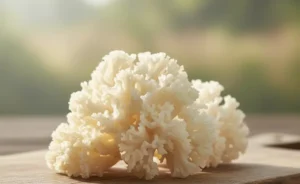
Shiitake mushrooms are frequently lauded for their unique umami flavor and extensive nutritional profile, often promoted for their immune-boosting properties and overall health benefits. Many enjoy them without incident, incorporating them regularly into diverse cuisines worldwide. However, it’s a misconception to assume that these popular fungi are universally benign for everyone. Despite their widespread acclaim, some individuals can experience adverse reactions that range from mild discomfort to more severe immune responses. Understanding these potential challenges is crucial, especially when considering the less commonly discussed phenomenon of shiitake mushroom allergy, which can manifest in various ways and requires careful attention for those affected.
Understanding Shiitake Mushroom Allergy
A shiitake mushroom allergy represents an immune response where the body mistakenly identifies proteins in the mushroom as harmful invaders. When exposed to these proteins, the immune system reacts by producing antibodies, leading to various allergic reactions. This sensitivity can develop over time, even in individuals who have previously consumed shiitake mushrooms without issue. Understanding this specific type of reaction is important for those who might be experiencing unexplained symptoms after consuming these fungi. It’s also useful to be aware of other potential shiitake mushroom side effects beyond allergic reactions.
Symptoms of Shiitake Mushroom Allergy
The symptoms of a shiitake mushroom allergy can vary widely in presentation and severity, from mild reactions to more severe manifestations. Individuals might experience immediate symptoms, while others could have a delayed reaction. Mild allergic reactions often include itchy skin, hives, or a feeling of tingling in the mouth. Gastrointestinal symptoms like stomach upset, nausea, vomiting, or diarrhea are also commonly reported. In more severe cases, individuals may develop breathing trouble, characterized by wheezing, shortness of breath, or a tight feeling in the throat. Swelling of the lips, face, tongue, or throat can also occur, which necessitates prompt attention. Recognizing the first signs of a mushroom allergy, particularly a shiitake mushroom allergic reaction, is crucial for timely management. For detailed food allergen information and guidance, authoritative sources like the EFSA offer valuable data.
Causes and Risk Factors for Shiitake Mushroom Allergy
Like other food allergy types, a shiitake mushroom allergy is triggered by specific proteins within the mushroom that the immune system perceives as threats. While the exact reasons why some individuals develop this sensitivity are not fully understood, genetic predisposition may play a role. Exposure to the mushroom, particularly raw mushrooms, can be a primary sensitizing factor, potentially leading to the development of an immune response over time. The specific allergens in Lentinus edodes (shiitake’s scientific name) are responsible for these adverse effects. While shiitake mushrooms are not typically considered high in histamine, some individuals may have a general sensitivity to biogenic amines found in fungi, contributing to sudden mushroom intolerance. Factors like previous consumption, the amount consumed, and individual immune system characteristics can all influence the likelihood and severity of a shiitake mushroom allergic reaction. Specific considerations may also apply for consuming shiitake mushroom during pregnancy.
Diagnosing a Shiitake Mushroom Allergy
Diagnosing a shiitake mushroom allergy typically involves a comprehensive approach by a healthcare professional. The process often begins with a detailed medical history, where the individual describes their symptoms, their relationship to mushroom consumption, and any potential triggers. This history is crucial for understanding the nature of the allergic reactions. Allergy tests, such as skin prick tests or specific IgE blood tests, may be conducted to identify antibodies related to mushroom allergens. However, these tests do not always provide a definitive answer, as false positives or negatives can occur. In some cases, an elimination diet followed by a supervised oral food challenge may be recommended to confirm the diagnosis and identify the precise triggers. This careful diagnostic process helps differentiate a true shiitake mushroom allergy from other sensitivities or intolerances.
Shiitake Dermatitis: A Unique Reaction
Shiitake dermatitis presents a unique reaction distinct from typical food allergies, primarily affecting the skin. It is characterized by a distinctive rash that appears after consuming raw or undercooked shiitake mushrooms. Unlike immediate allergic responses, shiitake dermatitis often involves a delayed reaction, with symptoms manifesting hours or even days after ingestion. This reaction is believed to be caused by a thermolabile polysaccharide called lentinan, which is destroyed by heat during cooking. Therefore, this specific skin reaction is generally associated with the consumption of raw or insufficiently cooked shiitake, distinguishing it from an immunological food allergy triggered by mushroom proteins.
Types of Shiitake Dermatitis (e.g., Flagellate Dermatitis)
The most recognized form of shiitake dermatitis is flagellate dermatitis, named for its distinctive appearance. This characteristic shiitake rash presents as linear, whip-like streaks on the skin, often described as resembling lash marks. While flagellate dermatitis is the predominant type, other forms of skin reactions such as itchy papules or urticaria (hives) can also occur, though less commonly associated with the unique lentinan-induced reaction. Reviewing mushroom allergy rash images or a shiitake mushroom rash picture can help individuals recognize this specific pattern.
Characteristics of the Rash
The rash associated with shiitake dermatitis typically consists of intensely itchy, erythematous (red) streaks that can appear on the trunk, neck, and extremities. These linear lesions are often parallel and may extend over large areas of the body. The intense itchiness can be significant, causing considerable discomfort. The rash usually develops 12 to 48 hours after consumption of the uncooked mushroom and can persist for several days to weeks before gradually fading. Unlike contact dermatitis, this rash is systemic, appearing on various parts of the body, indicating an internal trigger rather than external contact.
Is Shiitake Dermatitis Dangerous?
While shiitake dermatitis can be intensely uncomfortable due to the severe itching and visible rash, it is generally not considered dangerous or life-threatening. It typically does not involve the severe, systemic reactions seen in anaphylaxis or other severe allergic reactions that affect breathing or circulation. The condition is usually self-limiting, meaning it resolves on its own without specific medical intervention once the mushroom is no longer consumed. However, the discomfort can be significant, and scratching can lead to secondary skin infections, which would require medical attention.
How Common is Shiitake Mushroom Dermatitis?
Shiitake mushroom dermatitis is considered relatively rare, but its exact prevalence is not well-established, partly because it may be under-recognized or misdiagnosed. It appears to be more common in regions where shiitake mushrooms are a staple in cuisine and may be consumed raw or lightly cooked. Awareness of this unique reaction, sometimes referred to as a “Shiitake Dermatitis Alert,” is growing among dermatologists and allergists, leading to better identification. Its incidence can vary based on dietary habits and preparation methods of the mushroom within different populations.
Treatment and Management of Shiitake Mushroom Allergy
The primary treatment for a confirmed shiitake mushroom allergy is strict avoidance of shiitake mushrooms and any products containing them. This includes being vigilant about ingredients in processed foods, sauces, and restaurant dishes. For accidental exposures resulting in mild reactions, antihistamines may help alleviate symptoms like itching and hives. Topical corticosteroids can be used to manage skin rashes, including those associated with shiitake dermatitis. In cases of severe reactions, such as breathing trouble or anaphylaxis, emergency medical attention is crucial, and an epinephrine auto-injector may be prescribed for self-administration. Managing acute allergic reactions promptly is essential for preventing serious health complications. Understanding the shiitake mushroom FODMAP content can also be helpful for those managing dietary sensitivities.
When to Seek Medical Attention for a Shiitake Mushroom Allergy
It is important to seek medical attention if you suspect you have a shiitake mushroom allergy, especially if you experience more than mild symptoms. Prompt consultation with a healthcare professional is recommended for any breathing trouble, swelling of the face or throat, dizziness, or a sudden drop in blood pressure. These could be signs of a severe allergic reaction, such as anaphylaxis, which is a medical emergency requiring immediate treatment. Even for persistent mild symptoms or concerns about food triggers, a medical diagnosis can provide clarity and guidance on appropriate management and avoidance strategies. If you experience an allergic reaction to shiitake mushrooms, particularly a severe one, call for emergency medical help immediately.
The rising popularity of shiitake mushrooms means that awareness of potential allergic reactions, including the distinctive shiitake dermatitis, is more important than ever. While many enjoy these fungi safely, understanding the symptoms, causes, and management strategies for a shiitake mushroom allergy is crucial for affected individuals. From recognizing early signs to seeking timely medical attention for severe reactions, informed choices are key to navigating this specific dietary challenge.
This article is meant for general informational use and awareness. It does not provide medical advice, diagnosis, or treatment recommendations. Individuals with health concerns should consult with a qualified healthcare professional. Always seek the guidance of a medical expert for any health-related questions or before making any decisions related to your health or well-being.
FAQ
— What are the common symptoms of a shiitake mushroom allergy?
Skin reactions are frequently observed in cases of food allergies, manifesting as hives, rashes, or itching. Respiratory symptoms like wheezing, shortness of breath, or nasal congestion can occur. Digestive discomfort, such as nausea, vomiting, or abdominal pain, is also a common presentation.
— Can you suddenly develop an allergy to shiitake mushrooms?
Yes, it is possible for an individual to develop an allergy to shiitake mushrooms at any point in their life, even if they have consumed them previously without issue. Allergies can emerge after repeated exposure, as the immune system learns to recognize and react to specific proteins in the food. This phenomenon isn’t unique to mushrooms and applies to various food allergies.
— Are shiitake mushroom allergies common?
Compared to allergies to foods like peanuts or shellfish, a true systemic **shiitake mushroom allergy** is considered relatively rare. However, a distinct reaction known as “shiitake dermatitis” or “flagellate dermatitis” is more recognized; this is a non-allergic, toxic reaction causing a unique rash after consumption of raw or undercooked shiitake. It is important to distinguish between a true immune-mediated allergy and this specific dermatological reaction.
— Can a shiitake mushroom allergy be serious?
Like other food allergies, a systemic reaction to shiitake mushrooms can indeed be serious for some individuals. While less common, severe allergic reactions, including anaphylaxis, are a possibility in sensitive individuals. Anaphylaxis is a rapid and potentially life-threatening reaction that requires immediate attention.