
Many individuals find it challenging to maintain optimal vitamin D levels, a nutrient crucial for bone health, immune function, and overall well-being. This difficulty is particularly pronounced for those with limited sun exposure, specific dietary preferences like vegetarianism or veganism, or a desire to rely less on supplements. While fortified foods are common sources, people often seek natural, whole-food alternatives to enrich their diet. This search frequently leads to exploring unique contributions from various fungi. Understanding how shiitake mushroom vitamin d can play a role in this nutritional landscape is becoming increasingly relevant. This article delves into the specific benefits, natural concentrations, and practical methods for optimizing the vitamin D content in these versatile mushrooms, offering valuable insights for enhancing your dietary intake.
Exploring Shiitake Mushroom Vitamin D: An Overview
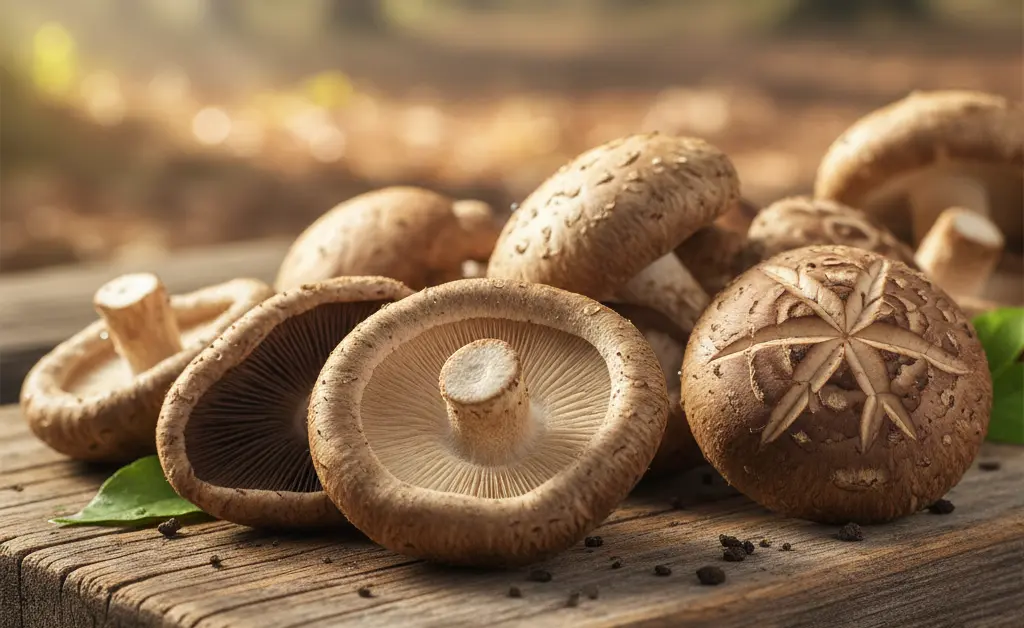
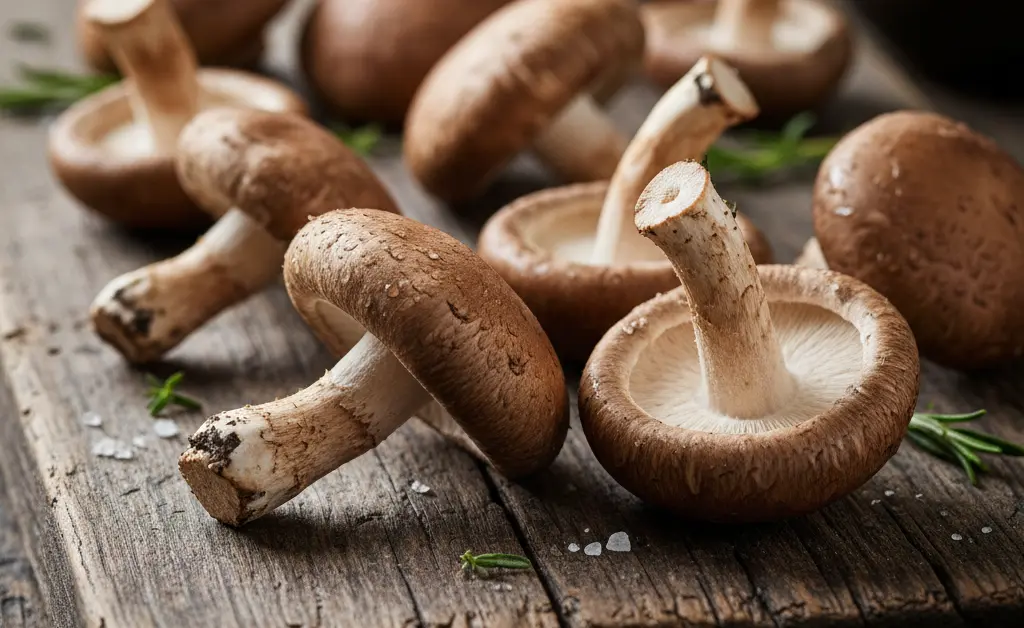
Shiitake mushrooms are not just a culinary delight; they are also a fascinating subject in nutritional science, particularly concerning their vitamin D content. Unlike animal sources that typically provide vitamin D3 (cholecalciferol), shiitake and other edible mushrooms primarily offer vitamin D2, known as ergocalciferol. This distinction is crucial for those looking for plant-based vitamin D sources. The presence of shiitake mushroom vitamin d makes these fungi a valuable addition to a balanced diet, offering a natural pathway to support overall health and potentially contribute to vitamin D levels. You can learn more about the complete shiitake mushroom nutrition facts.
Naturally Occurring Vitamin D2 in Shiitake
The unique ability of certain fungi, including shiitake, to produce vitamin D2 stems from a precursor compound called ergosterol. Ergosterol is a type of mycosterol, a sterol found in the cell membranes of fungi, and is structurally similar to cholesterol in animals. When exposed to ultraviolet (UV) radiation, ergosterol undergoes a photochemical reaction, converting into previtamin D2, which then isomerizes to ergocalciferol (vitamin D2). This natural process allows shiitake mushrooms to synthesize vitamin D without external fortification, directly contributing to their nutritional value. The shiitake mushroom protein content is also a notable aspect of its overall nutritional contribution.
Typical Vitamin D Levels per 100g (IU)
The vitamin D content in shiitake mushrooms is typically measured in International Units (IU). While specific values can vary significantly, fresh shiitake mushrooms generally contain lower levels of vitamin D than their dried counterparts or those specifically treated to enhance their vitamin D content. It’s important to understand that the amount can fluctuate based on several factors, including cultivation methods and post-harvest handling. The inherent vitamin D in mushrooms is often a key area of study for plant-based vitamin D sources. Despite their rich nutrient profile, the shiitake mushroom calories are relatively low, making them a good dietary choice.
Factors Affecting Measured Vitamin D Amounts
Several variables influence the vitamin D content found in shiitake mushrooms. These include the specific strain of the mushroom, the growing conditions, and importantly, the amount of light exposure during cultivation and after harvest. Mushrooms grown in darkness, as is common in many commercial settings, will naturally have very low levels of vitamin D. However, strategic exposure to UVB radiation, either from sunlight or specialized UV lamps, can dramatically increase the vitamin D synthesis within the mushroom. Even the mycelium, the vegetative part of the fungus, can synthesize precursors to vitamin D. The significant shiitake mushroom fiber content is also beneficial for digestive health.
Comparing Vitamin D in Fresh vs. Dried Shiitake
A significant difference in vitamin D content exists between fresh and dried shiitake. Fresh shiitake mushrooms typically have modest amounts of vitamin D2. However, the process of mushroom drying, especially when done in sunlight, can lead to a substantial increase in vitamin D levels. As mushrooms dry, their ergosterol is exposed to UV light, triggering the conversion to ergocalciferol. This makes sun-dried mushrooms, particularly shiitake, a more potent source of plant-based vitamin D, providing a convenient way to boost nutrient enrichment in the diet and overall mushroom consumption. For comprehensive health information, consult resources like the NLM.
Quantifying and Maximizing Vitamin D in Shiitake Mushrooms
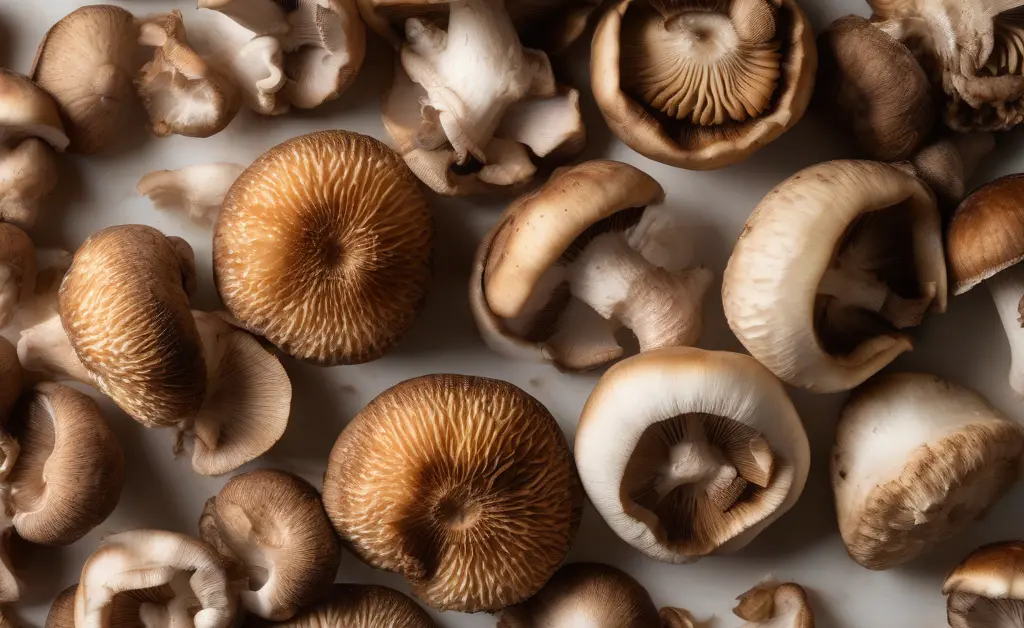
For those seeking to leverage edible mushrooms as a significant source of vitamin D, understanding the methods for enhancing their vitamin D content is key. The ability of shiitake mushrooms to produce vitamin D upon exposure to UVB light presents a unique opportunity for consumers to optimize their nutritional intake. By implementing specific strategies, the amount of shiitake mushroom vitamin d available for consumption can be considerably elevated, making them an even more valuable functional food, especially for those adhering to plant-based diets.
Methods to Enhance Vitamin D Through Sunlight Exposure
One of the most effective and natural ways to increase vitamin D in shiitake mushrooms is through exposure to direct sunlight. Placing fresh or even rehydrated dried mushrooms gill-side up in direct sunlight for a specific period can significantly boost their vitamin D content. This method harnesses the natural UVB exposure from the sun to convert ergosterol into vitamin D2. Sun-dried mushrooms, which have undergone this process, are widely recognized as excellent plant-based vitamin D sources. While the exact duration can vary, even a relatively short period of sunlight for mushrooms may have a noticeable effect on vitamin D enhancement.
The Impact of UVB Exposure on Ergosterol Conversion
The mechanism behind vitamin D synthesis in mushrooms is fascinating. When ergosterol, the precursor compound, absorbs UVB radiation, its molecular structure changes, initiating a cascade of reactions that result in the formation of ergocalciferol, or vitamin D2. This process is highly dependent on the intensity and duration of UVB exposure. Controlled environments using UV lamps can also be employed to achieve similar results, ensuring consistent and high levels of vitamin D2 synthesis. Understanding this ergosterol conversion helps in optimizing methods to enrich the vitamin D content of fungi like shiitake, producing more calciferol.
Optimizing Drying Methods for Higher Vitamin D Content
Beyond simply sun-drying, specific mushroom drying methods can be optimized to maximize vitamin D content. Techniques that ensure adequate exposure to UVB light during the drying process are paramount. For instance, slicing mushrooms before drying can increase the surface area available for UVB absorption. Air-drying or low-heat drying methods in conjunction with controlled UV light exposure are often more effective than rapid, high-heat dehydration in retaining and enhancing vitamin D levels. The goal is to facilitate the ergosterol conversion without degrading the newly formed vitamin D, thereby improving the bioavailability and overall vitamin D content of sun-dried shiitake mushrooms.
The exploration of shiitake mushroom vitamin D highlights the remarkable ability of these edible fungi to serve as a natural, plant-based source of this vital nutrient. From understanding the intrinsic conversion of ergosterol to vitamin D2 to employing simple sun exposure techniques, consumers can actively enhance the nutritional profile of shiitake mushrooms. Integrating vitamin D-enriched shiitake into the diet offers a delicious and effective way to support bone health, immune function, and overall well-being, especially for those seeking whole-food alternatives to conventional supplements. The versatility of fresh and dried shiitake, coupled with methods to boost their vitamin D content, positions them as a key player in a health-conscious lifestyle.
The information presented in this article is educational and not meant as professional medical counsel. It is intended for general knowledge and informational purposes only, and does not address individual circumstances. It is not a substitute for professional medical advice, diagnosis, or treatment. Always seek the advice of a qualified healthcare provider for any questions regarding a medical condition or before undertaking any diet, exercise, or other health program.
FAQ
— Do Shiitake mushrooms contain Vitamin D?
Shiitake mushrooms naturally contain ergosterol, a precursor that readily converts into Vitamin D upon exposure to ultraviolet (UV) light. This makes them a notable plant-based source of Vitamin D, particularly when appropriately exposed to light.
— How much Vitamin D is in 100g of Shiitake mushrooms?
The amount of Vitamin D in shiitake mushrooms can vary considerably, primarily depending on their exposure to ultraviolet light during growth or after harvest. Therefore, a consistent, fixed quantity for 100g is not universally applicable across all samples.
— Can you increase Vitamin D in Shiitake mushrooms?
You can indeed enhance the Vitamin D content in shiitake mushrooms by exposing them to ultraviolet (UV) light, mimicking how human skin produces Vitamin D from sunlight. This process converts their naturally occurring ergosterol into ergocalciferol, which is Vitamin D2.
— Are sun-dried Shiitake mushrooms high in Vitamin D?
Sun-dried shiitake mushrooms are generally recognized for their higher Vitamin D content, specifically because of their exposure to ultraviolet radiation during the drying process. This natural method effectively facilitates the conversion of ergosterol into Vitamin D2.
— What type of Vitamin D is found in Shiitake mushrooms?
The primary form of Vitamin D found in shiitake mushrooms is Vitamin D2, also known as ergocalciferol. This differs from Vitamin D3 (cholecalciferol), which is typically synthesized in animal skin upon sun exposure and is found in some fortified foods.
— How does sunlight exposure affect Shiitake mushroom Vitamin D content?
Sunlight exposure significantly increases the shiitake mushroom vitamin d content by triggering the conversion of ergosterol, a natural sterol present in fungi, into Vitamin D2. The intensity and duration of this exposure are crucial factors determining the final concentration of Vitamin D in the mushrooms.