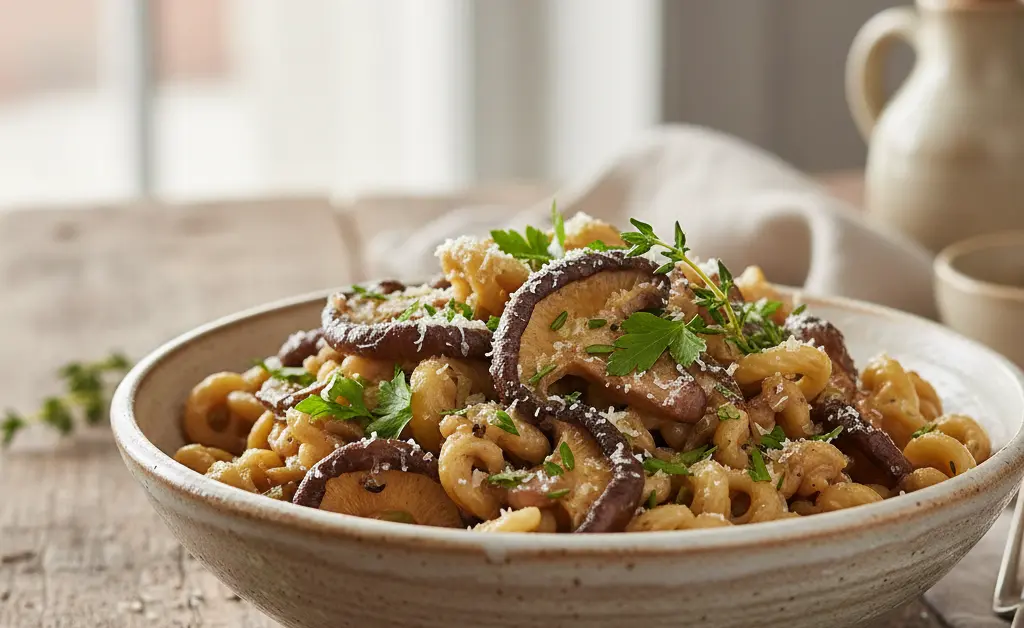
Ever wondered how to transform earthy shiitake mushrooms into a truly captivating meal? Shiitake mushrooms, celebrated for their rich umami flavor and meaty texture, are a fantastic addition to various culinary creations, particularly pasta. Their distinct taste elevates simple ingredients, creating a dining experience that is both comforting and sophisticated. This comprehensive guide delves into everything you need to know to master the art of making delicious shiitake mushroom pasta. From selecting the freshest ingredients and choosing the perfect pasta shape to exploring diverse recipes—whether you prefer creamy, tomato-based, or healthy vegan versions—we’ll provide step-by-step instructions and expert tips. Prepare to impress your taste buds with a dish that combines simplicity with gourmet appeal, bringing the rich flavors of shiitake right to your dinner table.
Shiitake Mushroom Pasta Recipes
Exploring the world of shiitake mushroom pasta opens up a realm of savory possibilities, from quick weeknight meals to gourmet dining experiences. This versatile ingredient pairs beautifully with a range of flavors and textures, making it a perfect foundation for countless pasta dishes.
Essential Ingredients for Shiitake Pasta
Crafting exceptional shiitake mushroom pasta begins with selecting quality ingredients. Beyond the star shiitake mushrooms, you’ll need aromatics like garlic and onions or shallots, which lay the flavorful groundwork. Good quality olive oil is crucial for sautéing, while fresh herbs such as parsley or thyme can add brightness. Depending on your desired sauce, you might include vegetable broth, white wine, heavy cream, or crushed tomatoes. Grated parmesan cheese is a common finishing touch for many recipes, enhancing the overall savory profile.
Choosing the Best Pasta Shape
The right pasta shape can significantly elevate your shiitake mushroom pasta experience. Wider, flatter noodles like tagliatelle or fettuccine are excellent for holding rich, creamy sauces and allow the meaty texture of shiitake to shine. For lighter, oil-based or broth-based sauces, spaghetti or linguine can work wonderfully, ensuring each strand is coated. Penne or rigatoni, with their ridges and tubes, are ideal for chunkier sauces that might include diced shiitake or other vegetables, capturing the flavors within their structure.
Fresh vs. Dried Shiitake: What to Use
Both fresh shiitake and dried shiitake mushrooms offer unique qualities for your pasta. Fresh shiitake provide a more delicate, earthy flavor and a softer texture when cooked. They are excellent when you want the mushrooms to blend seamlessly into the dish. Dried shiitake, once rehydrated, develop a much more intense, concentrated umami flavor and a slightly chewier texture. The rehydration liquid itself is a flavor powerhouse, often used as a base for sauces, especially for a rich shiitake mushroom pasta sauce. Consider dried shiitake for deep, robust flavors, and fresh for a milder, more immediate earthy taste.
Shiitake Mushroom Pasta with No Cream
For a lighter yet equally satisfying meal, shiitake mushroom pasta with no cream offers a refreshing alternative. This approach often relies on olive oil, garlic, and perhaps a splash of white wine or vegetable broth to create a delicate, flavorful sauce. A squeeze of lemon juice at the end can add a zesty brightness, complementing the umami of the shiitake without the richness of cream. Fresh herbs like parsley or basil are perfect for a vibrant finish.
Tomato-Based Shiitake Mushroom Pasta
A hearty tomato-based shiitake mushroom pasta combines the earthy depth of the mushrooms with the tang and sweetness of tomatoes. This classic pairing creates a comforting and robust dish. Begin by sautéing the shiitake with garlic and onions, then add crushed or diced tomatoes, letting the sauce simmer to meld the flavors. A touch of red pepper flakes can introduce a subtle warmth, while a sprinkle of fresh basil offers aromatic freshness. This type of sauce adheres well to various pasta shapes, from spaghetti to penne.
Healthy Shiitake Mushroom Pasta
Crafting a healthy shiitake mushroom pasta involves focusing on nutrient-dense ingredients and lighter preparation methods. Incorporate plenty of vegetables like spinach, cherry tomatoes, or bell peppers. Use whole wheat pasta for added fiber, and opt for a broth-based or light olive oil sauce instead of heavy creams. Nutritional yeast can provide a cheesy, umami flavor for those seeking a dairy-free option. This approach emphasizes fresh ingredients and balanced flavors, making for a wholesome and satisfying main course. For more information on nutrition and healthy eating, resources from the NIH can be valuable.
Jamie Oliver’s Shiitake Mushroom Pasta
While specific recipes vary, a “Jamie Oliver’s shiitake mushroom pasta” style often emphasizes fresh, high-quality ingredients and simple, robust flavors. His approach typically involves quick cooking techniques to preserve the integrity of the vegetables, often incorporating chili, garlic, and plenty of herbs. He might use a combination of wild mushrooms, including shiitake and possibly porcini, creating a deeply earthy and savory pasta experience. Expect bold flavors and a rustic charm that highlights the natural goodness of the ingredients.
Shiitake Mushroom Pasta Sauce
The foundation of any great shiitake mushroom pasta is its sauce. A well-crafted shiitake mushroom pasta sauce can be simple or complex, but it always brings out the best in the mushrooms. Key elements often include sautéed shiitake caps, garlic, and shallots, deglazed with white wine or vegetable broth. For a deeper flavor, consider adding a touch of soy sauce or miso. The sauce can be thickened with a touch of cornstarch slurry, or naturally reduced. Its rich, savory profile makes it incredibly versatile.
Zesty Shiitake Mushroom Pasta
A zesty shiitake mushroom pasta introduces a bright, refreshing counterpoint to the mushrooms’ earthy notes. This variation typically features a generous amount of lemon zest and juice, which can awaken the palate. Fresh herbs like parsley or cilantro are often included, along with a hint of chili flakes for a subtle kick. The sauce is usually light, perhaps olive oil-based, allowing the vibrant flavors to shine through without being overpowered. This makes for a delightful and surprisingly invigorating main course.
Miso Butter Shiitake Pasta
Miso butter shiitake pasta is a fusion dish that combines the rich umami of shiitake with the savory depth of miso and the luxuriousness of butter. To prepare, shiitake mushrooms are sautéed in butter until golden, then a spoonful of miso paste is melted into the pan, creating a deeply flavorful and aromatic sauce. A splash of pasta water helps to emulsify the sauce, ensuring it coats the pasta beautifully. This dish delivers a complex, satisfying flavor profile that is both comforting and exotic.
Shiitake and Cherry Tomato Pasta
The combination of shiitake and cherry tomato pasta offers a delightful balance of earthy and sweet-tart flavors. As cherry tomatoes burst during cooking, they release their juicy sweetness, creating a light yet flavorful sauce. Sautéing the shiitake with garlic and then adding the cherry tomatoes, perhaps with a splash of white wine or vegetable broth, allows the flavors to meld beautifully. A final garnish of fresh basil or oregano enhances this vibrant and simple dish.
Japanese-Style Shiitake Mushroom Pasta
A Japanese-style shiitake mushroom pasta often incorporates ingredients like soy sauce, mirin, sake, or dashi to impart distinct Japanese flavors. Beyond miso butter, variations might include a sprinkle of toasted sesame seeds, green onions, or a touch of shichimi togarashi for a spicy kick. The umami-richness of shiitake naturally complements these ingredients, creating a deeply flavorful and aromatic pasta dish that offers a unique culinary experience.
Step-by-Step Cooking Instructions
Creating a delicious shiitake mushroom pasta involves a few key stages. Begin by preparing your shiitake mushrooms, cleaning them and slicing the caps, while reserving the stems for broth if desired. Next, sauté your aromatics like garlic and onions in olive oil until fragrant. Add the shiitake and cook until they are tender and lightly browned, developing their rich umami. Introduce your chosen liquid—be it broth, wine, or tomato sauce—and allow it to simmer, building the flavor of your shiitake mushroom pasta sauce. Finally, toss the cooked pasta with the sauce, ensuring every strand is coated, and finish with fresh herbs or cheese as desired.
Expert Tips for Perfect Shiitake Pasta
To achieve perfect shiitake mushroom pasta, consider these expert tips. Always clean shiitake mushrooms with a damp cloth rather than washing, as they absorb water easily, which can dilute their flavor. Trim and discard the tough shiitake stems, using only the tender caps. When sautéing, don’t overcrowd the pan; cook the mushrooms in batches if necessary to ensure they brown properly instead of steaming. Use the pasta cooking water to thin and emulsify your sauce, adding richness and helping it cling to the pasta. Lastly, always taste and adjust seasonings, adding salt, pepper, or a splash of lemon juice as needed to balance the flavors.
Protein Additions for Shiitake Pasta
While shiitake mushrooms provide a satisfying, meaty texture, you might want to add extra protein to your shiitake mushroom pasta. Cooked chicken, shrimp, or Italian sausage are excellent choices that complement the earthy flavors of the mushrooms. For vegetarian options, consider adding cannellini beans or lentils, which also contribute to the dish’s heartiness and nutritional value. Ensure any added protein is cooked separately and then gently folded into the pasta and sauce at the end to prevent overcooking.
Adapting for Vegan or Gluten-Free Diets
Making shiitake mushroom pasta suitable for various dietary needs is straightforward. For a vegan version, simply ensure all ingredients are plant-based. This means using vegetable broth instead of chicken broth, nutritional yeast for a cheesy flavor instead of parmesan, and plant-based milks or creams if making a creamy sauce. To make it gluten-free, substitute traditional wheat pasta with gluten-free pasta varieties, which are widely available and come in various shapes. The earthy flavors of shiitake adapt beautifully to both vegan and gluten-free modifications. Shiitake mushrooms are also a delicious base for other meals, such as a comforting shiitake mushroom soup.
Creamy Shiitake Pasta Dishes
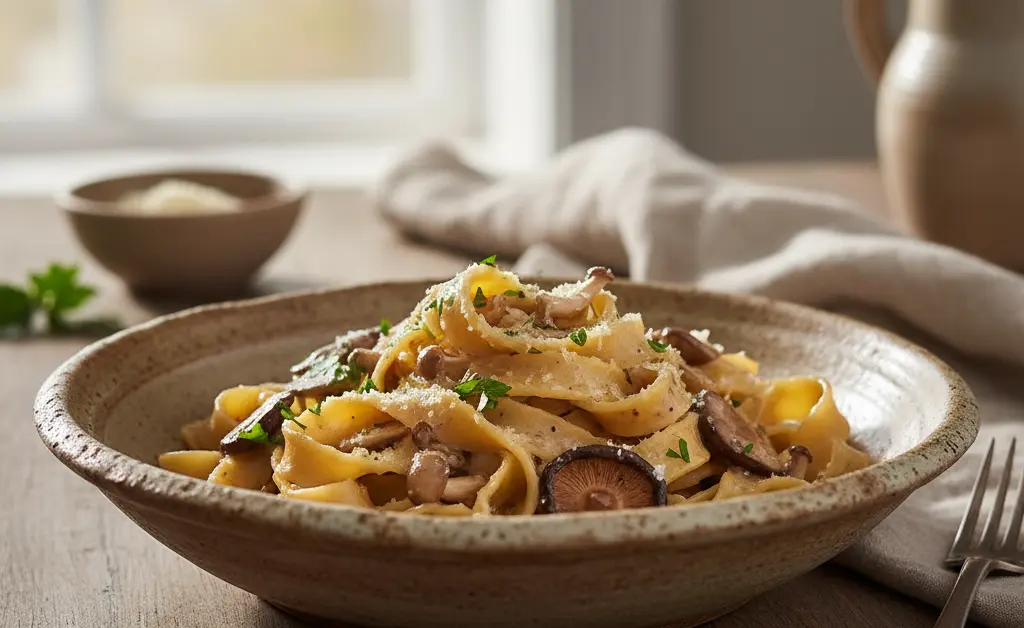
Creamy shiitake mushroom pasta dishes offer a truly indulgent and comforting dining experience, with the rich sauce beautifully enveloping the flavorful mushrooms and tender pasta. The velvety texture of cream or plant-based alternatives creates a luxurious base that perfectly highlights the umami notes of the shiitake.
Classic Creamy Shiitake Pasta
A classic creamy shiitake pasta is a celebration of rich flavors and textures. It typically involves sautéing fresh shiitake caps with garlic and shallots until tender, then deglazing the pan with a splash of white wine. Heavy cream is then added and simmered until it thickens into a luxurious sauce. This rich cream sauce coats pasta like fettuccine or tagliatelle beautifully, creating a satisfying and decadent dish. A final sprinkle of grated parmesan cheese and fresh parsley often completes this beloved meal.
Vegan Shiitake Pasta Creations
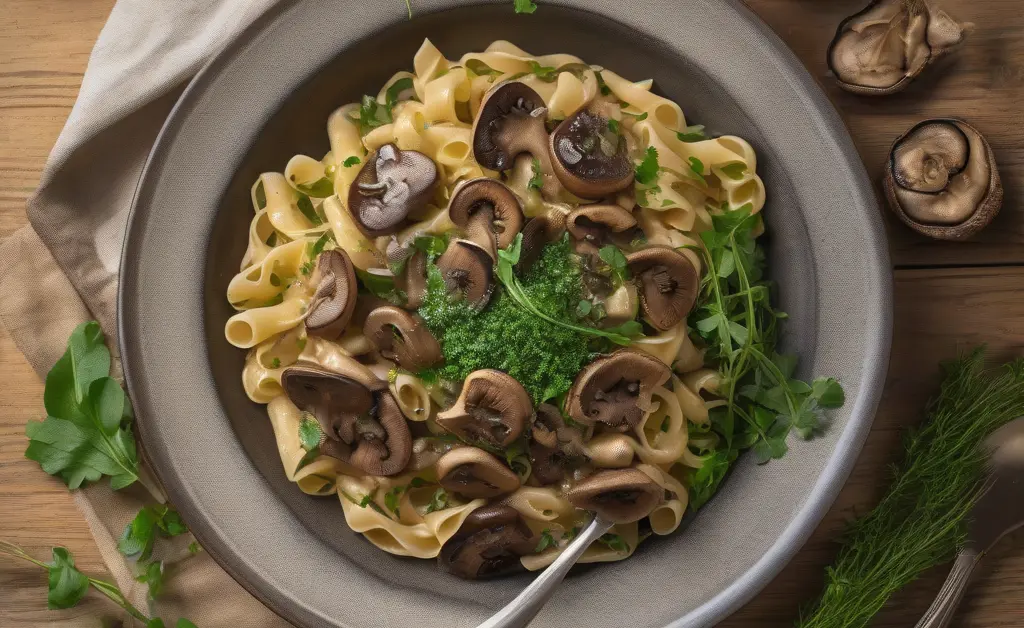
Vegan shiitake pasta creations demonstrate how easily these versatile mushrooms can be incorporated into plant-based meals, offering robust flavor and a satisfying texture without relying on animal products. These dishes prove that a truly delicious shiitake mushroom pasta can be enjoyed by everyone.
Simple Vegan Shiitake Mushroom Pasta
A simple vegan shiitake mushroom pasta focuses on the natural deliciousness of the mushrooms and fresh produce. Start by sautéing sliced shiitake mushrooms with garlic and olive oil until golden. Add a touch of vegetable broth and perhaps a squeeze of lemon juice for brightness. Incorporate ingredients like nutritional yeast for a cheesy undertone and plenty of fresh spinach or kale. Toss this light yet flavorful sauce with your favorite pasta for an easy recipe that is both healthy and deeply satisfying, showcasing the shiitake’s inherent savory appeal.
From the simplicity of a light, broth-based dish to the indulgence of a creamy sauce, shiitake mushroom pasta offers an incredible range of culinary possibilities. Their distinct umami and satisfying texture make them a star ingredient, capable of transforming any pasta dish into a gourmet experience. Whether you’re exploring healthy vegan options, classic creamy versions, or vibrant tomato-based creations, mastering the art of cooking with shiitake mushrooms will undoubtedly elevate your home cooking and delight your taste buds. Experiment with different pasta shapes, complementary ingredients, and cooking techniques to discover your own perfect shiitake mushroom pasta masterpiece.
It is important to note that this content is not intended as medical advice. The information provided is for general knowledge and informational purposes only, and does not constitute medical advice, diagnosis, or treatment. Always seek the advice of a qualified healthcare professional for any medical concerns or before making any decisions related to your health or diet.
FAQ
— What kind of pasta goes best with shiitake mushrooms?
Broad, flat pasta like tagliatelle or fettuccine often pairs beautifully with shiitake mushrooms because their wide surfaces effectively capture the rich, savory sauces. Shorter, textured shapes such as rigatoni or penne are also excellent choices, as their ridges and tubes can hold the mushroom pieces and creamy sauces well. Ultimately, the best choice enhances both the mushroom’s texture and the sauce’s consistency.
— How do you make shiitake mushroom pasta creamy?
To achieve a creamy texture, you can incorporate ingredients like heavy cream, crème fraîche, or plant-based alternatives such as cashew cream or coconut milk. Another common technique involves reserving some of the starchy pasta cooking water and adding it to the sauce, which helps emulsify the sauce and create a luscious consistency. This method leverages the starches released during cooking to thicken the sauce naturally.
— Can you use dried shiitake mushrooms in pasta?
Absolutely, dried shiitake mushrooms are an excellent option for pasta dishes, often providing a more concentrated umami flavor than fresh ones. Before use, they need to be rehydrated by soaking them in warm water for at least 30 minutes, and the resulting flavorful soaking liquid can even be added to your sauce for extra depth. This rehydration process brings them back to a tender, meaty texture perfect for cooking.
— What can I add to shiitake mushroom pasta for more flavor?
To enhance the rich, earthy flavor of shiitake mushroom pasta, consider adding aromatics like garlic and shallots sautéed until fragrant. Fresh herbs such as thyme or rosemary, a splash of dry white wine, or a sprinkle of Parmesan cheese can also significantly deepen the overall taste experience. A hint of balsamic vinegar or soy sauce introduced towards the end can further amplify the savory notes.
— Is shiitake mushroom pasta healthy?
The healthfulness of shiitake mushroom pasta largely depends on the specific ingredients used in its preparation, but shiitake mushrooms themselves are known for their nutritional value. These mushrooms are a good source of B vitamins, fiber, and certain minerals, and they are linked to supporting immune function. When prepared with whole-grain pasta, plenty of vegetables, and a modest amount of healthy fats, it can be a wholesome and satisfying meal.
— How long does shiitake mushroom pasta last in the fridge?
Cooked shiitake mushroom pasta, when stored properly in an airtight container, typically remains fresh and safe to eat for about three to four days in the refrigerator. Beyond this period, the quality and safety of the dish can begin to decline. Always ensure it’s cooled quickly after cooking before refrigerating to prevent bacterial growth.