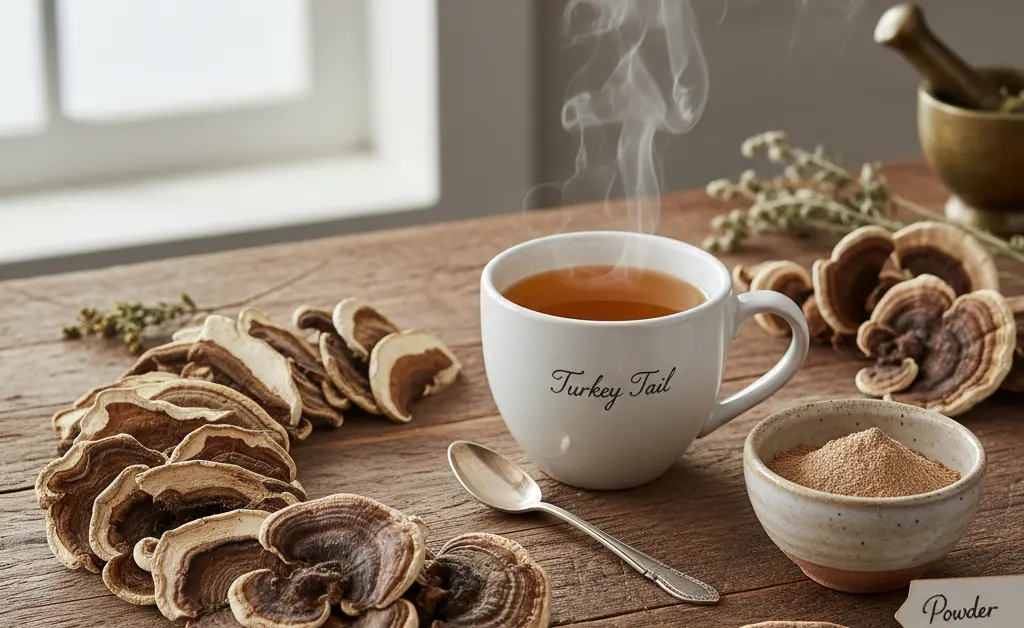
Turkey tail mushrooms (Trametes versicolor) are recognized globally for their distinctive fan-like appearance and the rich history of their use in traditional wellness practices. While often revered for their potential benefits, many people wonder about the most effective and enjoyable ways to incorporate this fascinating fungus into their routine. As a common query, understanding how to eat turkey tail mushroom involves more than just a simple recipe; it encompasses various preparation methods, from teas and tinctures to powders and culinary applications. My experience confirms that unlocking the full potential of this versatile mushroom lies in mastering these techniques, ensuring both potency and palatability. This guide will walk you through the essential steps, ensuring you can confidently prepare and consume turkey tail to best suit your needs.
Methods for Preparing and Consuming Turkey Tail Mushrooms
Incorporating turkey tail mushrooms into one’s wellness routine can be a rewarding experience, given their reputation as a functional mushroom. The methods for preparing and consuming them vary widely, influencing both their palatability and the ease with which their beneficial compounds may be accessed. From wild foraging to purchasing dried forms, understanding the journey from mushroom to table is key to effectively using this natural ingredient. Proper preparation is essential, especially given the tough texture of fresh turkey tail.
Sourcing and Cleaning Turkey Tail
Whether you’re foraging for fresh turkey tail mushrooms or purchasing them dried, careful sourcing and cleaning are the initial steps. If foraging, ensure positive identification, as many fungi can look similar. Look for the distinct concentric rings of various colors, resembling a turkey’s tail. Once collected, fresh turkey tail mushrooms should be gently brushed to remove any dirt or debris. A soft brush or damp cloth works well. Avoid excessive washing, as mushrooms can absorb water. For dried turkey tail, check for reputable suppliers to ensure quality and purity. For information on general health guidelines, consult resources like the NIH.
Slicing Fresh Turkey Tail Mushrooms
Fresh turkey tail mushrooms, though not typically eaten whole due to their tough texture, can be sliced thinly to prepare them for various applications. While their fibrous nature makes them unsuitable for typical culinary slicing, thinner pieces are ideal for brewing teas or creating decoctions. Use a sharp knife to carefully slice the tough caps into smaller, more manageable strips or pieces. This process increases the surface area, which is crucial for extracting compounds during simmering. Slicing fresh turkey tail mushrooms can also prepare them for drying, which is a common method for long-term storage and easier use.
Best Ways to Prepare Turkey Tail
The optimal way to consume turkey tail largely depends on personal preference and the intended application. For direct consumption of its compounds, brewing teas and making decoctions are highly favored preparation methods. These allow for the extraction of water-soluble compounds. Another popular approach involves creating powders from dried mushrooms, which can then be easily incorporated into a variety of dishes and drinks. For those seeking highly concentrated forms, tinctures and extracts are available, although these involve more complex preparation processes or commercial sourcing. Understanding the various preparation methods helps in deciding how to eat turkey tail mushroom in a way that aligns with individual goals.
How to Eat Turkey Tail Mushroom

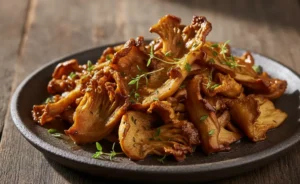
While turkey tail mushrooms are highly valued, their consumption differs significantly from common edible mushrooms like button or portobello varieties. Their texture is typically too tough to be enjoyed in raw or lightly cooked forms. Therefore, direct culinary use, such as sautéing, is not common. Instead, the focus is on extracting their beneficial compounds through methods like brewing, making them more suitable for regular incorporation into a diet. This section delves into the practicalities of how to eat turkey tail mushroom, emphasizing methods that allow for easier absorption of its properties rather than direct chewing.
Can You Eat Turkey Tail Raw?
Technically, you can eat turkey tail raw, but it is not recommended due to its woody, fibrous texture. Unlike many other mushrooms, turkey tail is extremely tough and difficult to chew or digest in its raw state. Eating it raw would likely offer very limited absorption of its compounds. The traditional and most effective methods for consuming turkey tail involve processes that break down its cell walls, such as hot water extraction (decoction or tea), to make its components bioavailable. Therefore, while not harmful, consuming turkey tail raw is impractical and inefficient for accessing its potential benefits.
Making Turkey Tail Mushroom Tea

One of the most traditional and effective ways to consume turkey tail is by preparing it as a tea or decoction. This method allows for the extraction of a wide range of water-soluble compounds from the mushroom, making them readily available for the body to use. Making turkey tail mushroom tea is a simple yet powerful preparation method that can be easily integrated into a daily routine. The resulting infusion is often mild in taste and can be customized with other ingredients to enhance its flavor profile.
How to Prepare Turkey Tail Mushroom Tea
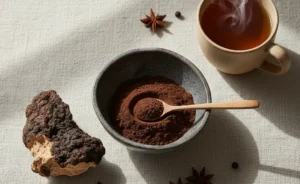
To prepare turkey tail mushroom tea, you’ll typically start with dried or sliced fresh turkey tail. For dried pieces, about a handful (approximately 10-15 grams) is a good starting point for a moderate batch. Place the mushroom pieces in a saucepan with water. The ratio of mushroom to water can vary, but generally, 3-4 cups of water per handful of mushrooms works well. Bring the water to a gentle simmer, cover, and let it cook for a period, which allows for thorough extraction of the mushroom’s compounds. This gentle heat process is crucial for breaking down the tough cell walls of the mushroom.
The Decoction Process for Tea
The decoction process is central to making effective turkey tail tea. After bringing the water and mushrooms to a simmer, maintain a low, consistent heat for at least 1-2 hours, and even up to 3 hours. The longer simmering time helps to draw out the deeper compounds from the tough caps. As the water reduces, the tea will become more concentrated. After simmering, remove the saucepan from the heat and strain the liquid to separate the mushroom pieces. The resulting liquid is your turkey tail decoction. You can reuse the mushroom pieces for a second, weaker decoction if desired, but discard them after that. This method is considered an optimal way to consume turkey tail for many people.
Creating a Flavorful Tea Base
While turkey tail tea has a mild, earthy taste, some find it too subtle or prefer to enhance its flavor. Creating a flavorful tea base can make daily consumption more enjoyable. You can add other ingredients during the simmering process, such as ginger slices, cinnamon sticks, or a few sprigs of mint. After straining, honey, maple syrup, or a squeeze of lemon can be added to taste. Some individuals also blend their turkey tail tea with other herbal teas, like green tea or rooibos, for a more complex profile. This makes it easier to consistently consume turkey tail as a part of a pleasant ritual.
Using Turkey Tail Mushroom Powder
For those seeking convenience and versatility, turkey tail mushroom powder offers an excellent alternative to brewing teas. This form is typically made from dried and finely ground turkey tail, often after undergoing an extraction process to concentrate the beneficial compounds. The powder is highly versatile and can be easily integrated into various foods and beverages, making it a popular choice for how to eat turkey tail mushroom without the need for extensive preparation. It’s a way to seamlessly add the mushroom’s properties to almost any part of your diet. Understanding the correct reishi mushroom dosage is also important for those who use other powdered mushroom supplements.
How to Use Turkey Tail Mushroom Powder
Turkey tail mushroom powder can be incorporated into your daily routine in numerous simple ways. One common method is to stir it into hot water to make an instant tea, similar to a traditional decoction but with less preparation time. It can also be blended into smoothies, protein shakes, or green juices for a quick nutritional boost. For culinary applications, the powder can be mixed into soups, stews, or sauces during cooking. Some people even sprinkle it over oatmeal, yogurt, or salads. Given its generally mild, earthy flavor, it tends to blend well without overpowering other ingredients. This ease of use makes turkey tail powder a practical option for consistent consumption.
Other Ways to Consume Turkey Tail Mushrooms
Beyond traditional teas and convenient powders, there are several other innovative ways to consume turkey tail mushrooms. These methods often integrate the mushroom into everyday culinary practices, allowing for creative exploration while still benefiting from its properties. For individuals looking to diversify their intake or who enjoy experimenting in the kitchen, these approaches offer enjoyable alternatives to how to eat turkey tail mushroom. The key remains in ensuring that the mushroom’s compounds are made bioavailable through proper preparation, even in more integrated recipes. Many individuals also consider the appropriate chaga mushroom dosage when exploring various functional fungi.
Adding Turkey Tail to Drinks
Beyond traditional tea, turkey tail can be added to a variety of other drinks. Its subtle, earthy notes make it a versatile ingredient for enhancing beverages. Consider infusing it into broths or stocks, which can then be used as a base for soups or simply sipped on their own. You can also blend prepared turkey tail decoction or powder into coffee or hot chocolate for a functional upgrade. Some enthusiasts even experiment with adding small amounts of powder to non-alcoholic cocktails or mocktails, where it can contribute to a more complex flavor profile. When adding to drinks, ensure the form used (liquid extract or fine powder) integrates smoothly without creating an unpleasant texture.
Mixing Turkey Tail into Meals
While the tough texture of fresh turkey tail means it’s not typically sautéed whole, its extracted forms can be seamlessly mixed into meals. The dried, powdered form is particularly well-suited for this. You can incorporate turkey tail powder into savory dishes such as curries, stir-fries, or pasta sauces, where its earthy flavor can complement other ingredients. It can also be baked into breads, muffins, or energy bars, though heat stability of some compounds should be considered. When integrating into recipes, ensure the cooking methods used are compatible with the form of turkey tail you’re using. For example, a liquid extract can be whisked into dressings or marinades, while powder is easily stirred into a simmering pot, allowing you to consume turkey tail as part of a balanced diet.
It is important to note that this content is not intended as medical advice. The information provided is for general knowledge and informational purposes only, and does not constitute medical advice, diagnosis, or treatment. Always seek the advice of a qualified healthcare professional for any questions you may have regarding a medical condition or before making any decisions about your health or treatment.
FAQ
— How do you prepare turkey tail mushrooms for consumption?
The most common way to prepare turkey tail mushrooms is through extraction, as their tough, woody texture makes them unsuitable for direct culinary use. This extraction process typically involves hot water or alcohol to draw out beneficial compounds. Understanding how to eat turkey tail mushroom primarily involves utilizing these concentrated extracts, which are often found in powders or tinctures.
— What is the best way to consume turkey tail mushrooms?
Consuming turkey tail mushrooms typically involves using extracts, such as powders or tinctures, because the raw mushroom itself is quite fibrous and difficult to digest. These concentrated forms deliver the beneficial compounds effectively. This approach ensures maximum accessibility of its active components.
— Can you eat fresh turkey tail mushrooms?
Fresh turkey tail mushrooms are generally not consumed directly due to their tough, woody texture. While they are not toxic, their fibrous nature makes them unpalatable and difficult for the human digestive system to break down effectively. This is why they are predominantly processed into extracts to harness their functional properties.