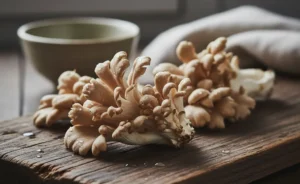
While the focus on HPV management often centers exclusively on clinical interventions and regular screenings, it’s worth considering that the body’s natural immune response plays a crucial role in clearing the virus. Many assume that beyond medical surveillance, there’s little individuals can proactively do to support their system. However, emerging interest highlights the potential of specific natural compounds to bolster immune function, offering a complementary perspective. This article explores how compounds like those found in turkey tail mushroom and hpv management might intersect, examining its potential to enhance the body’s defenses rather than just relying on observation.
Understanding Turkey Tail Mushrooms and HPV: Scientific Insights
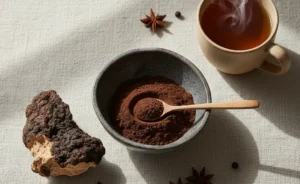
The turkey tail mushroom, scientifically known as Trametes versicolor or Coriolus versicolor, has a long history of traditional use, particularly in Eastern medicine. Modern scientific research has increasingly focused on its unique composition, specifically its rich content of polysaccharides like PSK (polysaccharide-K) and PSP (polysaccharopeptide). These active compounds are central to many of the observed benefits attributed to this medicinal mushroom. For individuals exploring complementary approaches for human papillomavirus (HPV) clearance support, understanding the scientific basis behind the potential of turkey tail mushroom and HPV interactions is essential. Further information on food safety and regulatory science can be found on sites like EFSA.
HPV, a common viral infection, can lead to various health concerns, including cervical dysplasia and other HPV-related conditions. While the immune system often clears the virus naturally, some HPV types can persist, making immune support a key area of interest. The general health benefits of turkey tail extend beyond viral defense, encompassing antioxidant properties and broad immune modulation, which may indirectly support the body’s ability to manage viral infections.
Key Studies and Clinical Findings
Numerous clinical studies and scientific research have investigated the immune-modulating properties of turkey tail mushroom, particularly its extracts containing PSK and PSP. These studies often highlight how these beta-glucans and other polysaccharides interact with the immune system, potentially enhancing its surveillance capabilities. While direct, large-scale clinical trials specifically on turkey tail mushroom effectiveness in HPV are still developing, existing research provides a foundation for its potential role in immune support against viral infections.
For example, some research has explored the impact of these compounds on cellular immunity, which is crucial for viral clearance. These findings contribute to a broader understanding of how natural supplements for immune support against HPV might operate, positioning turkey tail as a subject of ongoing interest in mycotherapy.
Community Discussions and Experiences (e.g., Turkey Tail HPV Reddit)
Beyond formal scientific literature, online communities and forums, such as those found on platforms like Reddit, often feature extensive discussions regarding personal experiences with natural supplements like turkey tail mushroom for various health concerns, including HPV. These community discussions, while not substitutes for scientific evidence or professional medical advice, offer anecdotal insights into how individuals are incorporating turkey tail into their wellness routines. Many users share observations about the benefits, uses, and considerations of turkey tail mushrooms, often focusing on perceived immune support and overall well-being. Discussions sometimes touch upon whether turkey tail mushroom is safe to take for various individuals. These conversations can sometimes highlight areas for future scientific investigation, though it’s important to approach such information with caution and always prioritize evidence-based information.
How Turkey Tail May Support the Immune System Against HPV
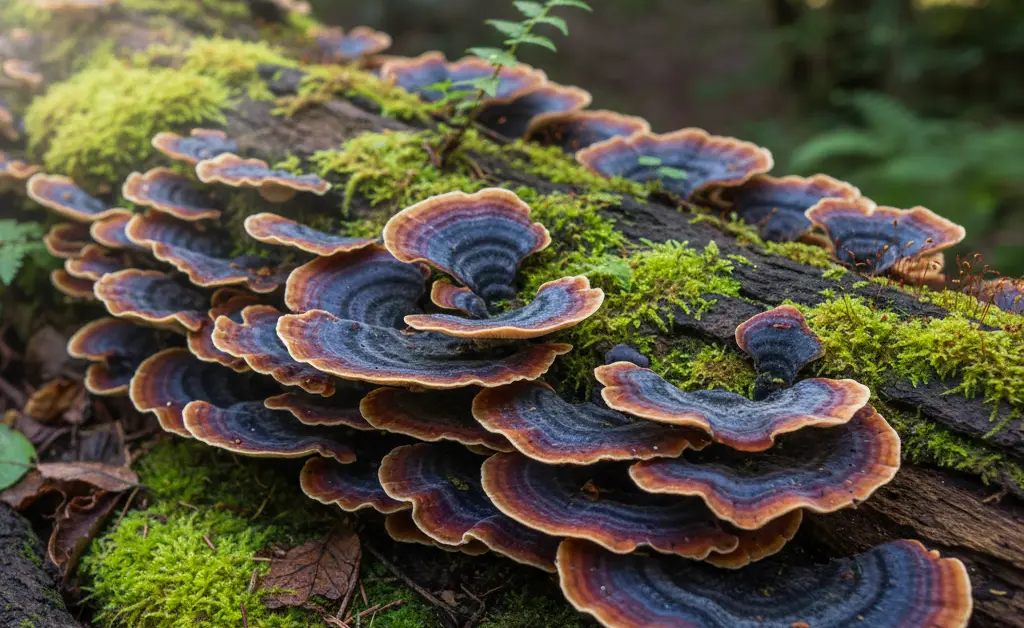
The potential role of turkey tail mushroom in supporting the immune system against viral challenges like HPV is primarily linked to its immunomodulatory compounds, particularly PSK and PSP. These polysaccharopeptides are recognized for their ability to interact with and regulate various components of the immune system, which is crucial for the body’s defense mechanisms. For individuals seeking to enhance their natural defenses, understanding how turkey tail mushroom and HPV immunity might intersect offers valuable perspective on complementary therapy.
Modulating Immune Response and Antiviral Activity
Turkey tail mushroom extracts are studied for their capacity to modulate the immune response, helping the body to respond more effectively to pathogens. This immune modulation can involve balancing different aspects of the immune system, rather than simply boosting it. Specifically, PSK and PSP have been shown to influence cytokine production, which are signaling molecules that regulate immunity and inflammation. This influence can contribute to a more robust antiviral environment, potentially making it harder for viruses like human papillomavirus to replicate and persist. The overall effect aims to optimize the immune system’s ability to recognize and clear viral infections, which is a key component of HPV management strategies.
Enhancing Natural Killer Cell Function
A significant area of research regarding turkey tail mushroom’s immune support capabilities involves its effects on natural killer (NK) cells. NK cells are a type of white blood cell that plays a critical role in the innate immune system, specifically in the direct killing of virus-infected cells and tumor cells. Studies suggest that certain compounds in turkey tail, such as beta-glucans, may enhance the activity and proliferation of NK cells. Improved NK cell function could translate into a more efficient immune response against cells infected with HPV, potentially aiding in the clearance of the virus and reducing the risk of HPV-related cervical lesions or other complications. This enhancement of natural killer cell function represents a key mechanism through which turkey tail mushroom may contribute to antiviral properties and overall immune resilience.
Turkey Tail vs. AHCC for HPV Support
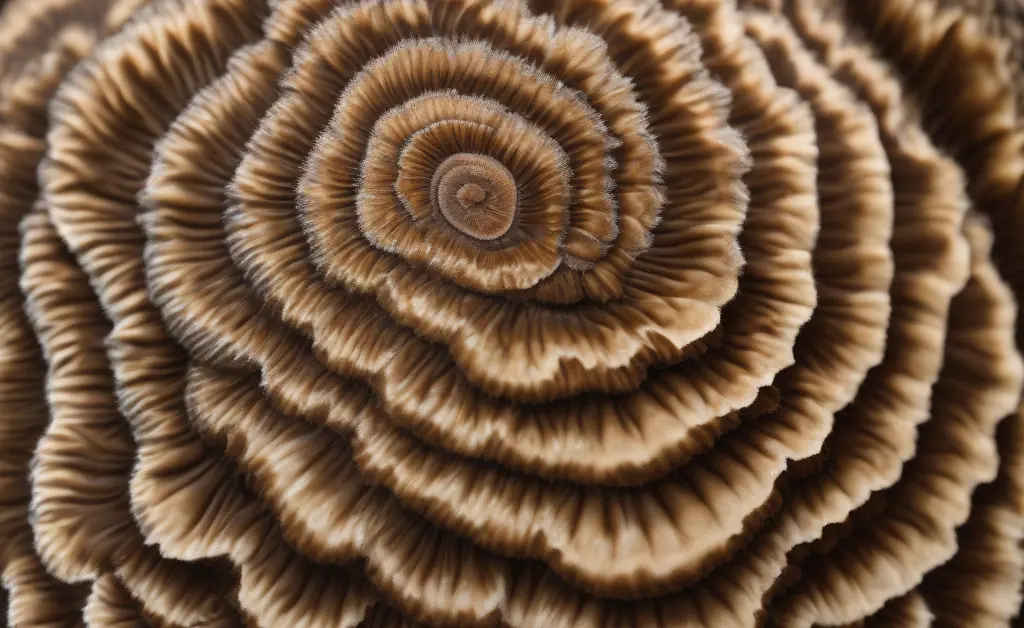
When exploring supplements for immune support against HPV, two natural compounds often arise in discussion: turkey tail mushroom and AHCC (Active Hexose Correlated Compound). While both are derived from fungi and are recognized for their immunomodulatory properties, there are key differences in their composition, research profiles, and specific applications. Understanding these distinctions is important for individuals considering their options for immune support related to human papillomavirus.
Turkey tail mushroom (Trametes versicolor) is known for its PSK and PSP compounds, which are complex polysaccharides. AHCC, on the other hand, is a proprietary blend of polysaccharides, amino acids, and minerals, primarily derived from hybridized medicinal mushrooms, typically shiitake. The active compounds in AHCC include alpha-glucans, which are smaller and potentially more bioavailable than the larger beta-glucans found in turkey tail. While both have demonstrated immune system support in various contexts, the specific mechanisms and research focus may differ.
It’s also important to clarify the question: Does turkey tail mushroom contain AHCC? No, turkey tail mushroom does not inherently contain AHCC. AHCC is a specific, patented extract, while turkey tail provides its own unique spectrum of active compounds. Both can be considered complementary approaches for HPV clearance support, but they are distinct entities.
Comparative Efficacy for HPV Management
Research into the comparative efficacy of turkey tail mushroom and AHCC for HPV management suggests that both may offer benefits, though direct head-to-head clinical trials comparing their effects on HPV specifically are limited. AHCC has garnered attention through certain clinical studies that have explored its potential to support HPV clearance, with some suggesting promising outcomes in specific populations. These studies often focus on AHCC’s ability to enhance natural killer cell activity and other aspects of cellular immunity.
For turkey tail mushroom and HPV, the existing scientific evidence is extensive regarding its general immune support and antiviral properties, particularly through PSK and PSP. While less specific to HPV than some AHCC studies, the broad immune-modulating effects of turkey tail are considered relevant for viral infections. Both compounds are viewed as potential tools in a broader strategy for immune system support against HPV, with individuals often choosing based on available research, personal preferences, and consultation with healthcare professionals. Ultimately, considerations for complementary therapy should always be made in conjunction with conventional HPV management strategies.
Integrating Turkey Tail with HPV Management Strategies
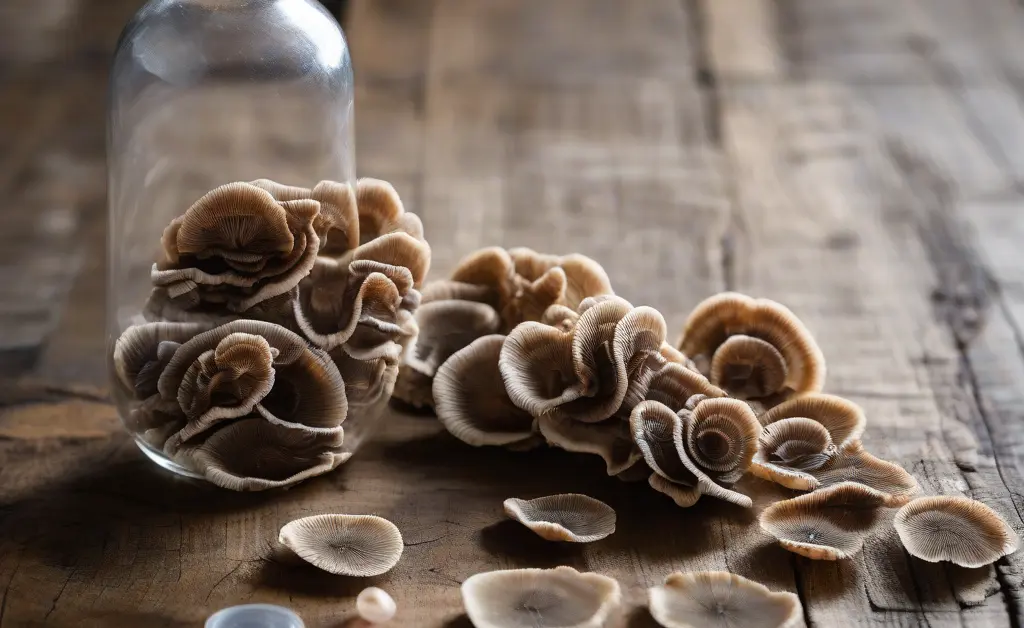
Integrating turkey tail mushroom into a comprehensive HPV management strategy involves understanding its potential role as a complementary approach to conventional medical care. While turkey tail is not a cure for HPV, its immune-supporting properties may offer a supportive role in enhancing the body’s natural defenses. This section explores practical considerations for incorporating turkey tail, including typical forms, its potential interactions with HPV vaccines, and its relevance for HPV-related conditions and lesions. When considering turkey tail mushroom and HPV, it’s vital to remember that supplements should always be discussed with a healthcare provider, especially if one is undergoing other medical treatments. This includes discussing potential interactions, such as those between turkey tail mushroom and Zoloft or other prescription medications. Understanding potential turkey tail mushroom side effects is part of a comprehensive approach to health. Turkey tail mushroom capsules and various extracts are common forms available, offering flexibility in how individuals might choose to include this medicinal mushroom in their routine. The goal is to support the immune system in its ongoing effort to manage the virus, aligning with dietary and lifestyle factors in HPV management that also contribute to overall immune health.
Recommended Turkey Tail HPV Dosage
Determining a recommended turkey tail HPV dosage requires careful consideration. Because turkey tail is a supplement and not a pharmaceutical drug, standardized dosage guidelines for specific conditions like HPV are not universally established by regulatory bodies. However, clinical studies and traditional usage patterns offer insights into typical intake ranges for immune support. Extract concentrations can vary significantly, so it’s crucial to follow the specific product’s instructions and consider the advice of a healthcare professional. They can provide personalized guidance based on an individual’s health status, specific needs, and other medications they may be taking. It’s also important to be aware of the rare possibility of a turkey tail mushroom allergy when starting any new supplement. Generally, consistent use over a period is often suggested to observe potential effects related to immune system support.
Synergistic Effects with HPV Vaccines
The potential for synergistic effects between turkey tail mushroom and HPV vaccines is an area of interest within the broader discussion of immune support. HPV vaccines are highly effective in preventing new infections from specific high-risk HPV types, thereby reducing the risk of associated cancers. While turkey tail mushroom does not replace the vaccine, its role in immune modulation might complement the body’s response to vaccination. Some research indicates that immunomodulators can enhance vaccine efficacy or prolong immune memory, although specific studies on turkey tail mushroom and HPV vaccine effectiveness are still emerging. The idea is that a well-supported immune system, potentially aided by turkey tail’s active compounds, might better recognize and respond to the antigens presented by the vaccine, thereby bolstering the overall protective response. This represents a proactive approach to enhancing immune system support.
Support for HPV-Related Conditions and Lesions
Turkey tail mushroom benefits are also explored for their potential to support individuals with existing HPV-related conditions and lesions, such as cervical dysplasia. The immune system plays a crucial role in clearing HPV infections and regression of lesions. By enhancing various aspects of immune function, including natural killer cell activity and a balanced inflammatory response, turkey tail may contribute to the body’s natural processes of managing these conditions. While turkey tail should not be seen as a standalone treatment, its inclusion as part of a holistic strategy that includes regular medical monitoring and other conventional treatments is where its potential lies. The focus is on providing comprehensive immune support that may help the body cope with the challenges posed by persistent HPV infections and their manifestations.
The information presented in this article is educational and not meant as professional medical counsel. It is essential to consult with a qualified healthcare professional before making any decisions related to your health or before starting any new supplement regimen, especially when dealing with medical conditions like HPV. This article does not endorse self-treatment or replace the advice of a medical doctor.
FAQ
— Is turkey tail mushroom effective against HPV?
Turkey tail mushroom has been studied for its potential to support immune function, which is relevant to the body’s natural defense against various pathogens, including HPV. While research explores its biological activities, it’s important to understand that this mushroom is not presented as a direct antiviral treatment for HPV itself.
— What does scientific research say about turkey tail for HPV?
Scientific research, particularly some human clinical trials, has investigated the immune-modulating properties of compounds like PSK and PSP derived from turkey tail in contexts involving HPV. These studies often focus on how these compounds might support the body’s immune response to clear persistent infections or address associated cellular changes.
— How does turkey tail mushroom support the immune system against HPV?
Turkey tail mushroom contains unique polysaccharopeptides, like PSK and PSP, which are known to influence various aspects of immune function. These compounds are linked to supporting the activity of immune cells, such as natural killer cells and T-cells, which play a critical role in recognizing and eliminating virally infected cells in the body. This enhanced immune surveillance is considered beneficial for managing persistent viral challenges.
— Can turkey tail mushroom help with HPV-related cervical lesions?
Research has explored turkey tail mushroom and HPV in the context of HPV-related cervical lesions, specifically focusing on its potential to support the body’s immune response against the persistent viral infection contributing to these changes. Some studies have observed a correlation between sustained immune support and the regression or management of certain low-grade lesions. This mechanism centers on enhancing the body’s natural ability to clear the underlying viral cause.
— Does turkey tail mushroom improve HPV vaccine effectiveness?
There is no direct scientific evidence indicating that turkey tail mushroom specifically improves the effectiveness of HPV vaccines. Vaccines work by priming the immune system to recognize specific viral proteins and produce antibodies, while turkey tail’s immune-modulating effects operate through different mechanisms, focusing on broad immune support rather than specific antibody production against vaccine antigens. Their roles are distinct within the broader context of immune health.
— What are the active compounds in turkey tail that fight HPV?
The primary active compounds in turkey tail mushroom linked to its health benefits are polysaccharide-K (PSK) and polysaccharopeptide (PSP). These unique compounds are recognized for their robust immune-modulating properties, meaning they can help balance and strengthen the body’s immune system to respond effectively to various cellular challenges, including those posed by viral presence. They are not direct antiviral agents but rather support the host’s natural defenses.
— Is it safe to use turkey tail mushroom for HPV?
Turkey tail mushroom is generally considered well-tolerated by many individuals, with studies reporting few significant side effects. However, as with any supplement, potential individual sensitivities or interactions with other medications can occur. It is always advisable to consult with a qualified healthcare professional before incorporating any new supplement into your regimen, especially when addressing specific health concerns.