Many individuals are increasingly exploring natural remedies for wellness, often feeling overwhelmed by the sheer volume of information and conflicting advice regarding their safety. This can lead to hesitation, as the desire for health benefits clashes with concerns about potential adverse effects or unknown risks. Among the popular choices, turkey tail mushroom has garnered significant attention for its purported immune-boosting properties. However, before integrating any new supplement into one’s routine, a critical question inevitably arises for consumers: is turkey tail mushroom safe to take? This article aims to address these critical safety concerns, delving into its general tolerability, potential side effects, specific precautions, and interactions to provide a comprehensive understanding for informed decision-making.
Is Turkey Tail Mushroom Safe to Take?
For many individuals considering its use, the crucial question, “is turkey tail mushroom safe to take?” often arises. Generally, Turkey Tail mushroom is considered to possess a favorable safety profile, particularly when consumed in standardized forms and within recommended guidelines. Extensive research and traditional use suggest that adverse effects are typically mild and infrequent for most healthy adults.
Overall Tolerability for Most Adults
For the majority of healthy adults, Turkey Tail mushroom appears to be well-tolerated. Studies exploring the safety profile of Turkey Tail mushroom for humans frequently report a low incidence of adverse effects. This general tolerability contributes to its popularity as a natural supplement. The mushroom has a long history of traditional use, which further supports its reputation for safety when consumed responsibly.
Considerations for Short-term vs. Long-term Use
While short-term use of Turkey Tail mushrooms is often regarded as safe, considerations change slightly for long-term daily use. Most clinical data on Turkey Tail Mushrooms focuses on use over several months. While these studies generally report continued tolerability, the full extent of very long-term (e.g., years) safety is less extensively documented. It is always prudent to monitor one’s body and consult with a healthcare professional when contemplating extended periods of supplementation, regardless of the supplement’s initial safety profile.
Overall Safety Profile and Precautions of Turkey Tail Mushroom

Understanding the overall safety profile of Turkey Tail mushroom involves reviewing available scientific data, traditional uses, and any reported warnings. While generally benign, certain precautions should always be considered to ensure the most beneficial and safe experience with this natural supplement.
Turkey tail mushroom liver toxicity
Concerns regarding Turkey Tail mushroom liver toxicity are infrequent in the scientific literature. Current research and clinical observations do not widely indicate that Turkey Tail mushroom poses a significant risk to liver function for most individuals. However, as with any supplement, the body’s detoxification pathways involve the liver and kidneys. Individuals with pre-existing liver conditions should approach any new supplement, including Turkey Tail mushroom, with caution and under the guidance of a healthcare professional. Ensuring the purity of Turkey Tail mushroom supplements, free from contaminants, is also a key factor in minimizing any potential, albeit rare, risks to organ health.
Common Side Effects of Turkey Tail Mushroom

While Turkey Tail mushroom is generally well-tolerated, some individuals may experience side effects. Recognizing these common adverse effects is important when considering if is turkey tail mushroom safe to take for you specifically.
Digestive Discomfort
The most frequently reported side effects associated with Turkey Tail mushroom supplementation are related to digestive discomfort. These can include symptoms such as mild nausea, stomach upset, or changes in bowel movements, like diarrhea. These effects are often attributed to the mushroom’s high fiber content or an individual’s unique sensitivity to its compounds. Starting with a smaller amount and gradually increasing to a recommended intake may help mitigate these issues.
Allergic Reactions and Sensitivities
Although rare, allergic reactions and sensitivities to Turkey Tail mushroom can occur. Symptoms of an allergic reaction might include skin rashes, itching, hives, or, in more severe cases, respiratory issues. Individuals with known allergies to other fungi or mushrooms should exercise particular caution and consult with a healthcare professional before incorporating Turkey Tail mushroom into their routine.
Less Common Reported Effects
Beyond digestive upset and allergies, less common reported effects are infrequent. These might include temporary darkening of stools or changes in nail pigmentation, which are typically considered benign and reversible upon discontinuation. However, any unusual or persistent symptoms should prompt a consultation with a healthcare professional to assess the cause.
Who Should Exercise Caution or Avoid Turkey Tail?
While many find Turkey Tail mushroom beneficial, certain groups should exercise caution or potentially avoid it altogether. Understanding who these groups are is essential when evaluating, “is turkey tail mushroom safe to take for everyone?”
Pregnant and Breastfeeding Individuals
Due to a lack of sufficient research on the effects of Turkey Tail mushroom in pregnant and breastfeeding individuals, it is generally recommended that these groups avoid its use. The absence of comprehensive safety data means that the potential risks to the developing fetus or infant are unknown, making caution the most prudent approach.
People with Autoimmune Conditions
Turkey Tail mushroom is widely recognized for its immune-modulating properties, meaning it can influence immune system activity. For people with autoimmune conditions, where the immune system mistakenly attacks the body’s own tissues, introducing a substance that further modulates immune responses could theoretically exacerbate their condition. Therefore, individuals with autoimmune conditions should consult with their healthcare provider before using Turkey Tail mushroom.
Children and Adolescents
Similar to pregnant and breastfeeding individuals, there is a significant lack of research on the safety and efficacy of Turkey Tail mushroom in children and adolescents. Without adequate clinical data, it is advisable to avoid giving Turkey Tail mushroom supplements to individuals in these age groups unless specifically recommended and supervised by a qualified healthcare professional.
Individuals with Pre-existing Medical Conditions
Anyone with pre-existing medical conditions, especially those affecting liver function, kidney function, or blood clotting, should exercise extreme caution. The effects of Turkey Tail mushroom on these systems may not be fully understood in the context of specific diseases. Those concerned about specific physiological effects, such as whether turkey tail mushroom lowers blood pressure, should also consult their doctor. A thorough discussion with a doctor is crucial to understand potential risks and whether Turkey Tail mushroom is safe to take alongside existing health challenges.
Potential Drug Interactions with Turkey Tail Mushroom

Understanding potential drug interactions is a critical aspect of determining if is turkey tail mushroom safe to take, particularly for individuals on prescription medications. The active compounds within Turkey Tail mushroom may interact with certain pharmaceuticals, altering their effectiveness or increasing the risk of adverse effects.
Interactions with Immunosuppressants
Given Turkey Tail mushroom’s well-documented immune-modulating properties, there is a theoretical concern regarding its use alongside immunosuppressant medications. These drugs are commonly prescribed to organ transplant recipients or individuals with autoimmune diseases to suppress immune activity. Introducing a substance like Turkey Tail mushroom, which may enhance immune function, could potentially counteract the effects of immunosuppressants, leading to serious health implications. Therefore, co-administration should be strictly avoided without medical supervision.
Interactions with Anticoagulants
Some natural compounds can influence blood clotting mechanisms. While not extensively studied for Turkey Tail mushroom specifically, caution is advised for individuals taking anticoagulant or antiplatelet medications, commonly known as blood thinners. Theoretically, Turkey Tail mushroom could possess properties that might affect blood viscosity or clotting time, potentially increasing the risk of bleeding or bruising when combined with these medications. It is imperative to discuss such combinations with a healthcare provider.
Other Potential Drug-Supplement Interactions
The potential for other drug-supplement interactions, though less characterized, should not be overlooked. Turkey Tail mushroom might influence liver enzymes responsible for metabolizing various drugs, potentially altering their concentrations in the bloodstream. Individuals on any long-term medication, including those for chronic conditions, should always consult their physician or pharmacist before adding Turkey Tail mushroom to their regimen to identify any possible contraindications or interactions.
Safe Dosage and Administration Guidelines
To maximize the benefits and ensure safety, understanding general dosage and administration guidelines for Turkey Tail mushroom is important. While specific numerical recommendations are not provided here due to individual variability and product differences, general principles can guide responsible use.
Understanding Recommended Dosages for Safety
When considering Turkey Tail mushroom, it is crucial to follow the recommended dosages provided by reputable manufacturers on their product labels. These recommendations are typically based on the concentration of active compounds in the specific product form. Starting with a lower intake and gradually increasing it while monitoring for any adverse effects can be a cautious approach. Overconsumption of any supplement is generally not advisable, and adherence to guidelines helps maintain a favorable safety profile.
Safety Considerations for Different Forms (Extracts vs. Powder)
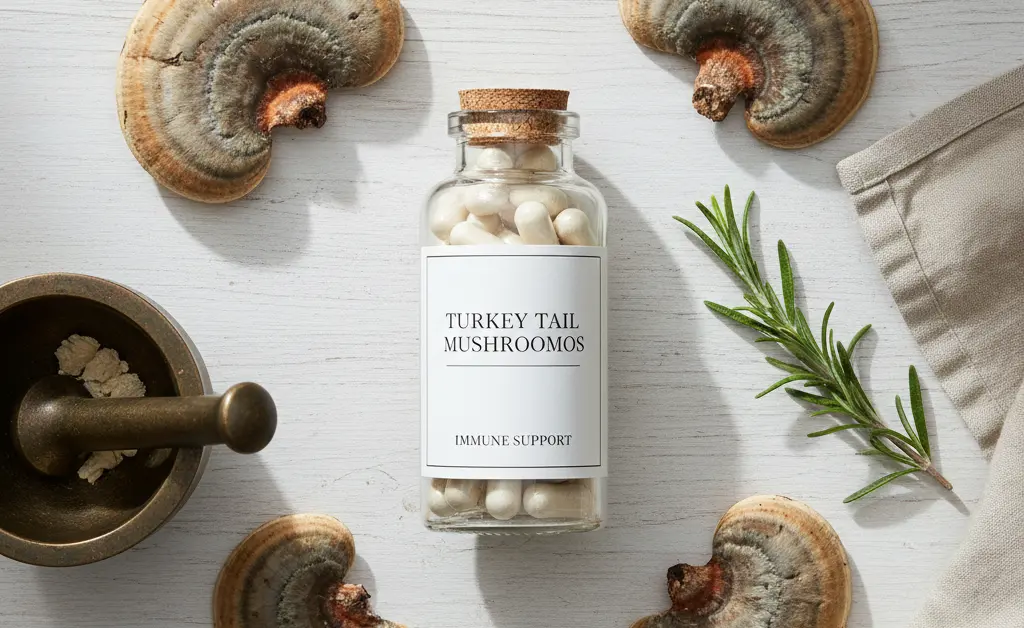
Turkey Tail mushroom is available in various forms, most commonly as powders and concentrated extracts. Mushroom extracts are typically more potent than raw mushroom powders, as they concentrate the beneficial compounds. This difference in concentration means that the “safe dosage” can vary significantly between forms. For instance, a smaller amount of a high-potency extract might deliver an equivalent or even greater effect than a larger amount of a standard mushroom powder. Always pay close attention to the specific instructions for the product form you are using, as extracts often require much smaller serving sizes. Ensuring the purity and quality of both powders and extracts from reputable sources is also paramount for safety. Organizations such as the EFSA provide guidelines on food safety.
When to Consult a Healthcare Professional
Deciding when to consult a healthcare professional about Turkey Tail mushroom use is a critical step for informed and safe supplementation. This is especially true given its classification as a dietary supplement, which often lacks the rigorous testing required for pharmaceutical drugs.
Recognizing Signs of an Adverse Reaction
Despite Turkey Tail mushroom’s generally good safety profile, individuals should be vigilant for any signs of an adverse reaction. If you experience persistent or severe digestive upset, skin rashes, unexpected changes in energy levels, or any other concerning symptoms after starting Turkey Tail mushroom, discontinue use immediately. These symptoms could indicate an allergic reaction, an intolerance, or an interaction with another substance. Promptly consult a healthcare professional to investigate the cause of these reactions and receive appropriate guidance.
Consulting a Healthcare Professional Before Use
It is strongly recommended to consult a healthcare professional before beginning any new supplement regimen, including Turkey Tail mushroom. This is particularly important for individuals with pre-existing medical conditions, those who are pregnant or breastfeeding, or anyone currently taking prescription medications. Individuals researching specific conditions like turkey tail mushroom and HPV should also seek medical advice. A doctor or qualified health practitioner can provide personalized advice, assess potential interactions with existing conditions or medications, and help determine if Turkey Tail mushroom is appropriate for your specific health needs and goals. They can also offer guidance on the purity and regulation of supplements and help you interpret scientific studies related to Turkey Tail mushroom safety.
The information presented in this article is educational and not meant as professional medical counsel. It is intended for general knowledge and informational purposes only, and does not constitute medical advice, diagnosis, or treatment. Always seek the advice of your physician or other qualified health provider with any questions you may have regarding a medical condition or before starting any new diet, supplement, or fitness program.
FAQ
— Is turkey tail mushroom safe for daily use?
Many individuals incorporate turkey tail mushroom into their daily wellness routines, with studies often examining its long-term use in various contexts. These studies generally note its tolerability for consistent intake. As with any natural supplement, individual responses can vary, so paying attention to your body’s signals is key.
— What are the negative side effects of turkey tail mushroom?
While generally well-tolerated, some individuals might experience mild digestive upset, such as gas, bloating, or changes in stool consistency. These effects are typically transient and tend to subside as the body adjusts. Rarely, skin reactions have been noted.
— Who should not take turkey tail mushroom?
Individuals with compromised immune systems, those undergoing organ transplants, or those with known mushroom allergies are often advised to exercise caution. Pregnant or breastfeeding individuals should also discuss any supplement use with a healthcare professional. It is always prudent to consult with an expert if you have underlying health conditions.
— Can turkey tail mushroom interact with medications?
Turkey tail mushroom has been studied for its potential effects on the immune system, which could theoretically impact certain immunosuppressant medications. Additionally, components in the mushroom might influence blood clotting mechanisms, warranting caution if you are on anticoagulant therapy. Consulting a healthcare provider is essential to assess any specific interaction risks with your current medications.
— What happens if you take too much turkey tail mushroom?
Taking excessive amounts of turkey tail mushroom beyond recommended guidelines may exacerbate common mild side effects like digestive discomfort. While serious adverse events from overconsumption are not widely reported, it is always advisable to adhere to product instructions. Listening to your body’s response is a crucial indicator.
— Is turkey tail mushroom safe for liver or kidney health?
Research has explored the impact of turkey tail mushroom on various physiological systems, including liver and kidney function. Studies generally indicate that for most healthy individuals, is turkey tail mushroom safe to take without adverse effects on these organs. However, if you have pre-existing liver or kidney conditions, discussing its use with a healthcare professional is particularly important.
— Are there any allergic reactions to turkey tail mushroom?
While uncommon, allergic reactions to turkey tail mushroom are possible, especially in individuals with existing mushroom allergies. Symptoms might include skin rashes, itching, or, in rare cases, more severe respiratory responses. If you experience any signs of an allergic reaction, discontinue use immediately and seek medical attention.