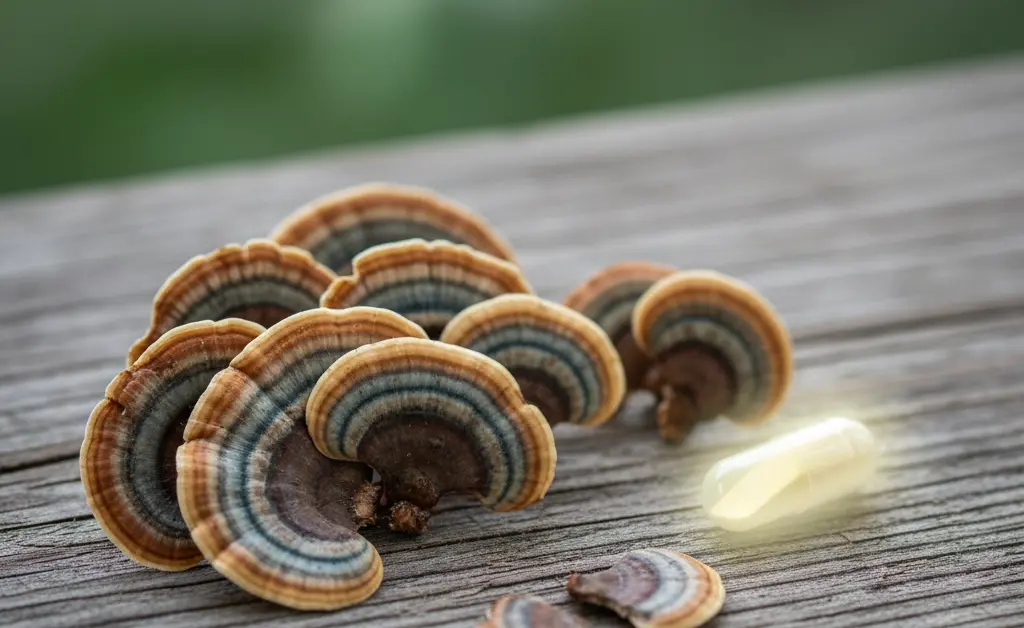
Many individuals assume that because certain supplements are natural, they can be safely combined with prescription medications without concern. This often leads to a misconception that ‘natural’ equates to ‘harmless’ when introduced alongside pharmaceuticals. However, the reality of drug-supplement interactions is far more nuanced, demanding careful consideration and informed guidance. Navigating the complexities of combining therapeutic agents requires an understanding of potential effects, even if not immediately obvious. This is particularly true when exploring the compatibility of substances like turkey tail mushroom and Zoloft, where comprehensive, large-scale human studies are still emerging. Prioritizing your health involves acknowledging that even seemingly innocuous combinations warrant professional medical advice to ensure safety and efficacy, avoiding unforeseen complications.
Turkey Tail Mushroom and Zoloft: Understanding Interactions

Exploring the potential interactions between a natural supplement like turkey tail mushroom and a prescription antidepressant such as Zoloft (sertraline) is a crucial aspect of patient safety. While turkey tail mushroom is recognized for its potential health benefits, particularly its role in supporting the immune system, its interaction profile with potent pharmaceuticals like SSRIs is not extensively documented. The absence of widespread clinical studies on the specific combination of turkey tail mushroom and Zoloft means that individuals should approach this pairing with informed caution. Understanding drug interactions involves considering how each substance might influence the body’s metabolism, efficacy, or side effects of the other. The goal is to avoid adverse reactions that could compromise treatment effectiveness or lead to unexpected health concerns.
What Current Research and Data Suggest
Current research on medicinal mushrooms, including turkey tail mushroom, primarily focuses on their immunomodulatory properties, antioxidant capacity, and potential support for overall wellness. Studies often highlight compounds like polysaccharides and beta-glucans, which are believed to contribute to many turkey tail benefits. Some research also explores the potential benefits of turkey tail mushroom and HPV, especially concerning immune support. However, specific clinical studies investigating the direct interactions between turkey tail mushroom and sertraline, the active ingredient in Zoloft, are limited. Most available data does not provide detailed pharmacokinetics or pharmacodynamics information for this particular herbal supplement and antidepressant combination. For more extensive scientific literature, resources like PubMed can be consulted. The general understanding of how turkey tail mushroom might affect drug metabolism pathways, such as those involving CYP450 enzymes in the liver, remains an area requiring more targeted investigation, especially concerning its potential impact on prescription medication efficacy and safety.
Interpreting “No Known Interaction” or “No Found Interaction”
When reviewing information about turkey tail mushroom and Zoloft, you might encounter statements like “no known interaction” or “no found interaction.” It is vital to understand that these phrases do not necessarily guarantee the absence of an interaction. Instead, they often indicate that specific, robust clinical trials or comprehensive research on that particular combination have not yet been conducted or published. For herbal supplements, which are not subject to the same rigorous testing as prescription drugs, the lack of reported interactions can simply mean a gap in scientific investigation. Therefore, interpreting such statements requires caution, acknowledging that an unknown risk might still exist. A thorough risk assessment should always consider the possibility of theoretical interactions, especially when combining potent medications with substances that can influence physiological processes.
Understanding Potential Unknown Risks
Given the limited specific research on turkey tail mushroom and Zoloft, it is important to consider potential unknown risks. Herbal supplements can sometimes influence the metabolism of prescription drugs, often through effects on liver enzymes responsible for drug breakdown. If turkey tail mushroom were to inhibit or induce these enzymes, it could potentially alter the concentration of sertraline in the body, either increasing its side effects or reducing its therapeutic effect for depression or anxiety. It’s also important to consider the possibility of a turkey tail mushroom allergy, as with any natural supplement. Another theoretical concern involves the potential for turkey tail mushroom to influence neurotransmitter systems, which could, in rare cases, interact with the mechanism of action of an SSRI like Zoloft, which primarily affects serotonin levels. While these are theoretical considerations, they underscore the importance of patient safety and the need for a cautious approach when combining complementary medicine with existing prescription medication regimens.

The Role of Your Healthcare Provider
Your healthcare provider plays an indispensable role in navigating the complexities of combining turkey tail mushroom and Zoloft. Before introducing any new herbal supplement, especially when taking prescription medications, a consultation with your doctor is essential. They possess a comprehensive understanding of your medical history, current health conditions, and all prescribed medications, allowing them to provide personalized medical advice. A healthcare provider can assess your individual safety profile, discuss the potential for drug interactions, and help determine if the turkey tail mushroom is appropriate for your specific situation. They can also provide guidance on whether turkey tail mushroom is safe to take in your specific case. This professional guidance ensures that any decisions made about complementary medicine align with your overall treatment plan and prioritize your well-being.
Open Communication with Your Doctor or Pharmacist
Maintaining open and honest communication with your doctor or pharmacist is paramount when considering the use of any herbal supplement alongside prescription drugs like Zoloft. It is crucial to disclose all substances you are taking, including over-the-counter medications, vitamins, and natural health products like turkey tail mushroom. Your pharmacist, in particular, is an invaluable resource for information on potential drug interactions and adverse effects. They can often access databases and clinical information that provide insights into how different substances might interact. This transparency allows your healthcare team to make informed recommendations, monitor for any potential issues, and help you achieve a holistic health approach while ensuring maximum patient safety and avoiding unintended complications.
Monitoring for Any New or Unusual Symptoms
When considering or commencing the use of turkey tail mushroom alongside Zoloft, active monitoring for any new or unusual symptoms is a critical aspect of responsible health management. Changes in mood, energy levels, sleep patterns, digestive function, or the appearance of any unexpected side effects should be noted. Another point to consider is potential turkey tail mushroom side effects. For example, if you experience increased anxiety, agitation, changes in liver function (e.g., unexplained fatigue, dark urine, or jaundice), or any symptoms that seem different from your baseline or from known Zoloft side effects, it is imperative to contact your healthcare provider immediately. Prompt reporting allows your doctor to evaluate the situation, determine if there is a potential interaction, and make necessary adjustments to your treatment plan, ensuring your continued health and safety.
While this article discusses health-related topics, it does not provide medical guidance. The information presented is for informational purposes only and should not be used as a substitute for professional medical advice, diagnosis, or treatment. Always consult with a qualified healthcare provider regarding any health concerns or before making any decisions about your health or treatment plan, especially concerning medications and supplements.
FAQ
— Is it safe to take turkey tail mushroom with Zoloft?
Combining any supplement, including turkey tail mushroom, with prescription medication like Zoloft always requires professional consultation. Potential interactions can vary significantly among individuals, making personalized advice essential for your health and safety.
— Can turkey tail mushroom affect Zoloft?
While specific interaction studies involving turkey tail mushroom and zoloft are not widely available, the metabolism of medications like Zoloft can sometimes be influenced by other substances, including certain botanical extracts. It is always prudent to consider that any supplement could potentially impact drug efficacy or side effects, underscoring the importance of discussing all substances with a healthcare provider.
— Are there any contraindications for combining turkey tail and sertraline?
Comprehensive data on specific contraindications for combining turkey tail with sertraline are not extensively documented in clinical literature. Given that individual physiological responses vary, it is crucial for a healthcare professional to assess potential risks and benefits based on your unique health profile and medication regimen.
— What should I do if I want to take turkey tail with Zoloft?
If you are considering incorporating turkey tail into your routine while taking Zoloft, the most responsible step is to consult with your prescribing physician or a qualified pharmacist. They can provide personalized guidance, considering your specific health circumstances and the potential for interactions between the mushroom and your medication.