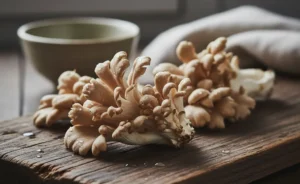

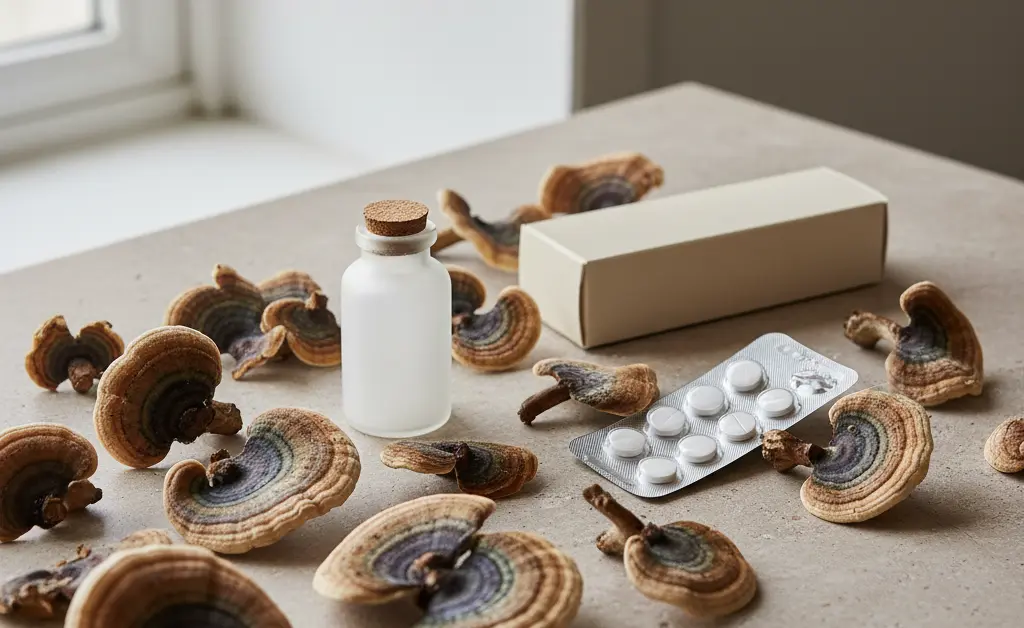
Turkey Tail (Trametes versicolor) is a distinctive medicinal mushroom, celebrated in traditional wellness for its vibrant, fan-like appearance and its rich content of polysaccharides, particularly PSK and PSP. Often incorporated into health routines as supplements, teas, or extracts, it’s widely researched for its potential to support immune function. While generally well-tolerated, the bioactive compounds within turkey tail can interact with certain pharmaceutical drugs, making it crucial for individuals to understand potential contraindications. Navigating natural supplements alongside conventional medicine requires careful consideration to ensure safety and efficacy. Therefore, it is essential to determine what medications should not be taken with turkey tails to prevent adverse effects and ensure optimal health outcomes, especially for those managing existing health conditions.
What Medications Should Not Be Taken With Turkey Tails: A Comprehensive Overview

Understanding the general mechanisms of herbal-drug interactions is fundamental when considering supplements like Turkey Tail. Many prescription drugs are metabolized by specific enzyme pathways in the liver, notably the cytochrome P450 (CYP450) enzyme system. Herbal supplements can sometimes influence these pathways, either by inhibiting or inducing enzyme activity. Such modulation can alter the rate at which medications are broken down, potentially leading to higher or lower drug concentrations in the body than intended. Elevated levels might increase the risk of adverse effects, while reduced levels could diminish the drug’s therapeutic efficacy. Therefore, knowing what medications should not be taken with turkey tails involves a careful assessment of how its bioactive compounds, such as polysaccharides and beta-glucans, might influence these critical metabolic processes and other physiological systems. It is also important to consider the potential for synergistic or antagonistic effects on various bodily functions, such as immune response, blood clotting, or blood sugar regulation, which are often targets of both herbal supplements and conventional medications.
Prior to starting Turkey Tail, it is advisable to consider any existing health conditions or current over-the-counter medications. Additionally, understanding specific sensitivities, such as a potential turkey tail mushroom allergy, is crucial for safe use.
Specific Medications and Health Conditions to Consider

Immunosuppressant Drugs and Turkey Tail
Turkey Tail mushroom is widely recognized for its immune-modulating properties, potentially enhancing certain aspects of immune function. This characteristic can be a significant concern for individuals taking immunosuppressant drugs, which are prescribed to reduce the activity of the immune system. These medications are crucial for preventing organ rejection in transplant recipients or managing autoimmune diseases. If Turkey Tail were to stimulate immune activity, it could theoretically counteract the effects of immunosuppressants, potentially leading to serious health consequences, such as organ rejection or worsening of autoimmune symptoms. Patients on such regimens must exercise extreme caution. For broader health guidance and information, consulting organizations like the WHO is also recommended. Consulting with a healthcare provider is paramount to determine what medications should not be taken with turkey tails, especially those that aim to suppress the immune system.
Blood Thinners (Anticoagulants and Antiplatelets)
Individuals taking blood thinners, including anticoagulants like warfarin or antiplatelet drugs like aspirin, need to be particularly cautious with herbal supplements that might affect blood clotting. While specific robust data on Turkey Tail’s direct impact on blood clotting is still emerging, the general principle with medicinal mushrooms is to consider their potential influence on various physiological pathways. Any substance that could increase or decrease the blood-thinning effect of these medications could lead to serious adverse effects, such as excessive bleeding or, conversely, an increased risk of blood clots. Therefore, patients on these medications should always discuss potential drug-supplement interactions with their doctor before incorporating any new supplement to ascertain what medications should not be taken with turkey tails in their specific case.
Diabetes Medications (Hypoglycemic Agents)
Some studies and traditional uses suggest that certain medicinal mushrooms, including Turkey Tail, might have an influence on blood sugar levels. For individuals managing diabetes with hypoglycemic agents (medications that lower blood sugar), this potential interaction could be significant. If Turkey Tail were to exert a blood sugar-lowering effect, taking it alongside diabetes medications could lead to excessively low blood sugar (hypoglycemia), which can be dangerous. Symptoms of hypoglycemia can include dizziness, confusion, sweating, and in severe cases, loss of consciousness. Close monitoring of blood sugar levels is essential, and adjustment of medication dosage might be required under medical supervision. It is crucial to consult a healthcare provider to understand what medications should not be taken with turkey tails, particularly if managing diabetes.
Can I take Atorvastatin and Turkey tail together?
Atorvastatin is a commonly prescribed medication for lowering cholesterol, and like many drugs, it is metabolized by specific enzymes in the liver. While there is currently limited direct research specifically detailing the interaction between Turkey Tail and Atorvastatin, it’s prudent to consider the general principle of potential interactions with medications metabolized by the liver. Some herbal supplements can influence the activity of these liver enzymes, potentially altering the pharmacokinetics of drugs like Atorvastatin. This could lead to either increased side effects or reduced efficacy of the medication. Given the lack of specific safety information, individuals taking Atorvastatin should consult their doctor or pharmacist before adding Turkey Tail to their regimen to determine what medications should not be taken with turkey tails, or if such a combination is suitable for their health status. Understanding if turkey tail mushroom is safe to take with existing medications like Atorvastatin is essential for informed health decisions.
Turkey Tail and Blood Pressure Medications
The interaction between Turkey Tail and blood pressure medications (antihypertensives) is another area where caution is warranted. While Turkey Tail is not typically known to have a strong blood pressure-lowering effect, some natural substances can subtly influence cardiovascular parameters. If Turkey Tail were to have even a mild effect on blood pressure, it could potentially amplify the effects of antihypertensive drugs, leading to blood pressure dropping too low (hypotension). Symptoms of hypotension can include dizziness, lightheadedness, and fainting. Conversely, if it somehow interfered with the medication’s action, it could reduce its efficacy. Patients taking medications for high blood pressure should always discuss any new herbal supplements with their healthcare provider to ensure there are no potential contraindications or adverse effects.
For individuals taking specific antidepressant medications, such as turkey tail mushroom and Zoloft, consulting a healthcare provider is essential due to potential interactions with liver enzyme pathways.
Readers should understand that this article does not offer medical diagnosis or treatment. The information provided is for educational purposes only and is not intended to be a substitute for professional medical advice. Always seek the advice of a qualified healthcare provider for any questions regarding a medical condition or before making any decisions about your health or treatment.
FAQ
— What drugs should you avoid when taking Turkey Tail mushroom?
It’s important to understand that functional mushrooms, including Turkey Tail, can have biological activity that might interact with certain pharmaceutical medications. This interaction often stems from their potential influence on the immune system or liver enzyme activity, which plays a role in drug metabolism. Therefore, discussing what medications should not be taken with turkey tails with a healthcare professional is crucial to ensure personal safety and avoid unintended effects.
— Can Turkey Tail mushroom interfere with warfarin or other blood thinners?
Indeed, Turkey Tail mushroom, like many botanicals, is relevant to discussions concerning anticoagulant medications such as warfarin. Some compounds found in functional mushrooms are known for their potential to influence various physiological processes, including those related to blood coagulation. Consequently, individuals using blood thinners should always consult with their doctor before incorporating Turkey Tail to prevent any possible impact on medication effectiveness.
— Does Turkey Tail mushroom interact with medications for diabetes?
Some research suggests that Turkey Tail mushroom contains compounds that play a role in metabolic processes, which could potentially impact blood sugar levels. This effect is relevant for individuals who manage their glucose with diabetes medications, as it might alter the desired therapeutic outcome. Consulting a healthcare provider is always recommended to understand any potential interactions and ensure safe integration into your wellness routine.