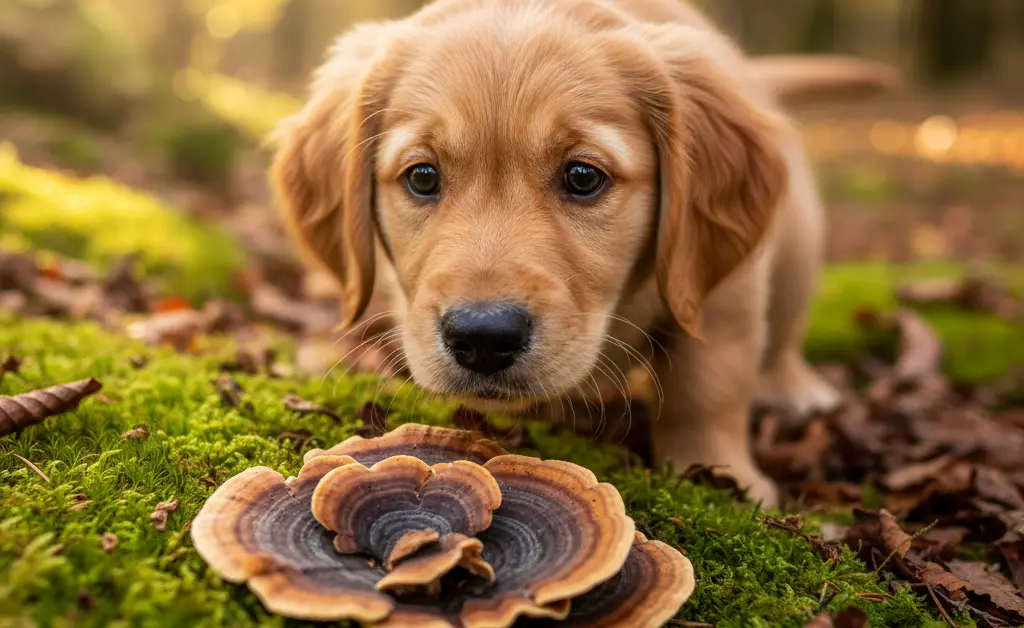
Observing a puppy transition from general susceptibility to a more resilient state of health is a goal for many pet owners. Young canines often face the developmental challenges of a maturing immune system and occasional digestive upsets as they explore their environment and adapt to new diets. Historically, traditional approaches might involve managing symptoms as they arise. However, by integrating specific natural supports, such as turkey tail mushroom for puppies, owners can proactively contribute to a stronger foundation. This approach helps in fostering improved digestive comfort and a more robust immune response, paving the way for consistent vitality and well-being during their crucial growth phases.
Benefits of Turkey Tail Mushroom for Puppies
The use of certain natural remedies, including medicinal fungi like Turkey Tail Mushroom, has garnered interest in holistic puppy care. These organic mushrooms contain various active compounds, such as beta-glucans and polysaccharopeptides (like PSK), which are studied for their potential health-supporting properties. When considering turkey tail mushroom for puppies, understanding its potential contributions to their developing systems is key. This Fungi, with its rich array of beneficial components, may offer comprehensive support during a critical period of growth.
Supporting Puppy Immune System Development
A puppy’s immune system is still maturing, making them more vulnerable to environmental challenges. Turkey Tail Mushroom is traditionally recognized for its potential to support immune function. The beta-glucans found within the mushroom are believed to interact with immune cells, potentially helping to strengthen canine immunity. This natural support may assist young dogs in building a more robust defense against common stressors, contributing to their overall resilience during puppy development.
Aiding in Healthy Puppy Digestion
Digestive health is fundamental to a puppy’s overall well-being and nutrient absorption. Many young dogs experience sensitive stomachs or occasional digestive upsets. Turkey Tail Mushroom contains prebiotics, which are compounds that can nourish beneficial gut bacteria, thus supporting gut health. By fostering a balanced microbiome, this mushroom may aid in healthy dog digestion, promoting comfort and efficiency in nutrient uptake. A well-functioning digestive system is crucial for a puppy’s growth and energy levels.
Contributing to Overall Puppy Wellness
Beyond specific immune and digestive support, Turkey Tail Mushroom may contribute to a puppy’s general vitality. Its antioxidant properties can help protect cells from oxidative stress, which is a natural process that occurs in the body. By supporting cellular health and providing potential anti-inflammatory benefits, this medicinal fungi could play a role in maintaining consistent puppy health. This holistic approach aims to provide a broad spectrum of support for young dogs as they navigate their formative months. For specific serious health concerns, such as considering turkey tail mushroom hemangiosarcoma support, expert veterinary advice is always crucial.
Dosage and Administration of Turkey Tail Mushroom for Puppies
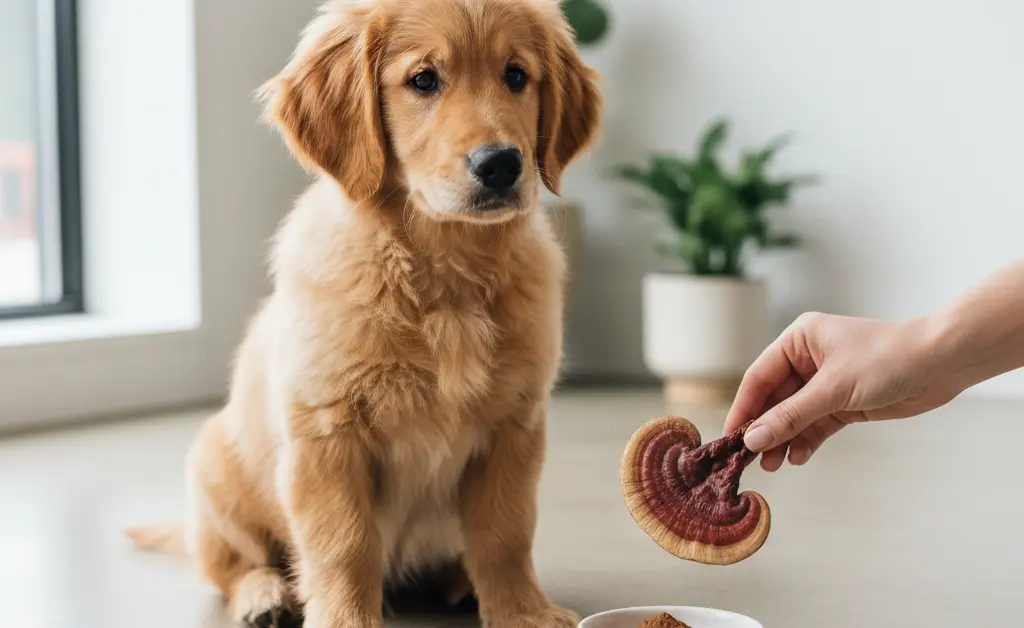
Administering any supplement, especially turkey tail mushroom for puppies, requires careful consideration and, ideally, professional guidance. While the intent is to support puppy health, proper application is essential for safety and efficacy. Understanding Turkey Tail Mushroom for canine health involves more than just the potential benefits; it also involves responsible administration. Always consult your veterinarian before starting any new supplement regimen for your puppy. Your veterinarian can provide specific turkey tail mushroom veterinary advice tailored to your pet’s needs.
Determining Puppy-Specific Dosages by Weight
Determining the appropriate amount of Turkey Tail Mushroom for a puppy is a critical step. Dosage is typically influenced by factors such as a puppy’s weight, age, and individual health status. It is imperative not to guess at amounts. A qualified veterinarian can provide precise recommendations based on a thorough assessment of your specific young dog, ensuring that any supplementation is both safe and effective. This professional consultation is key to avoiding over or under-dosing.
Age Recommendations for Starting Supplementation
The age at which a puppy can safely begin supplementation with Turkey Tail Mushroom is another factor best discussed with a veterinary professional. Puppies have developing systems that may react differently than adult dogs. Your veterinarian can advise on the most suitable developmental stage to introduce pet supplements, taking into account your puppy’s breed, current health, and other specific needs. Early introduction without professional oversight may not be appropriate. Special considerations might apply for specific breeds, such as turkey tail mushroom for Frenchies, due to their unique health profiles.
Best Practices for Administering Turkey Tail to Puppies
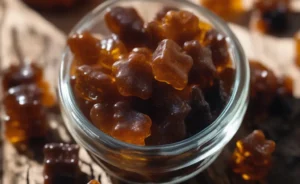
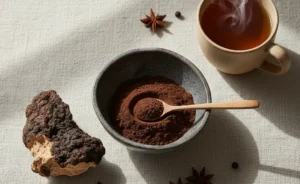
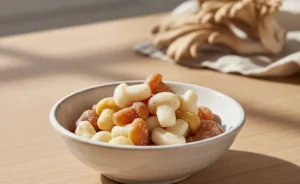
Administering Turkey Tail Mushroom to puppies should be done in a way that minimizes stress and maximizes acceptance. Powdered forms can often be mixed directly into their regular food, wet or dry, to ensure consumption. Some supplements may come in liquid or chewable forms designed for easy palatability. Always follow the specific instructions provided by the supplement manufacturer and your veterinarian. Consistency in administration, as advised by your vet, is also important for observing any potential effects.
Duration of Supplementation for Puppy Health Goals
The duration for which Turkey Tail Mushroom supplementation should be continued for puppy health goals is highly individual and depends on the specific aims and your puppy’s response. This is not typically a short-term fix but rather a supportive measure that may be integrated into a long-term holistic puppy care plan. Regular check-ups with your veterinarian will allow for re-evaluation of the supplementation plan and adjustments as your puppy grows and their health needs evolve.
Safety and Potential Side Effects of Turkey Tail Mushroom for Puppies
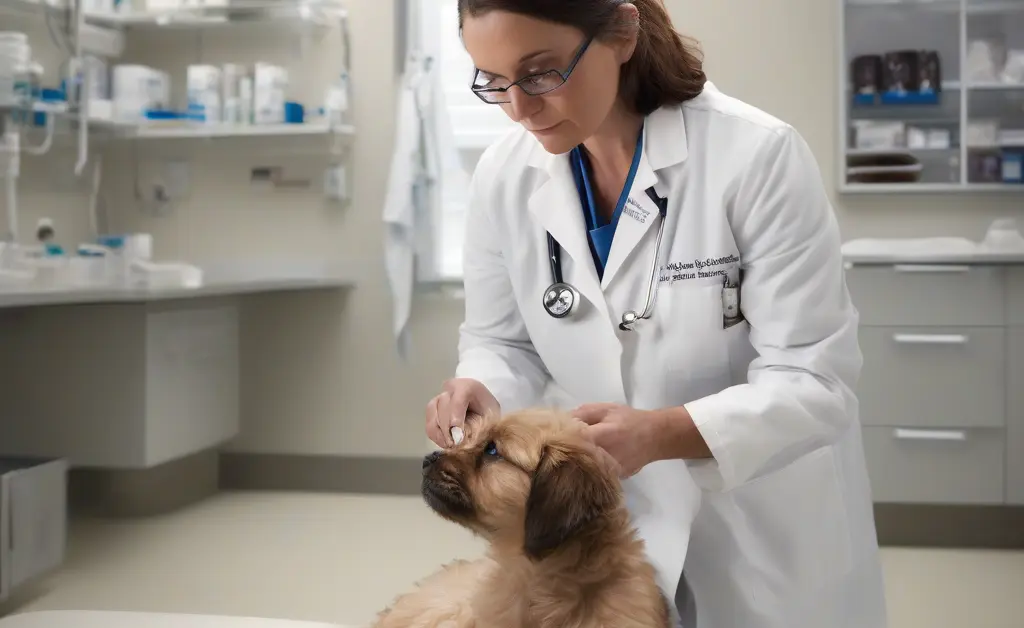
Evaluating the safety of turkey tail mushroom for puppies is paramount for any responsible pet owner. While Turkey Tail For Dogs is generally considered safe, especially when sourced from reputable providers, it’s crucial to be aware of any potential adverse reactions or considerations specific to young animals. Always observe your puppy closely after introducing any new supplement and report any unusual changes to your veterinarian immediately.
Potential Side Effects and Considerations for Young Dogs
Although side effects are rare, some young dogs might experience mild digestive upset, such as loose stools or gas, when first introduced to Turkey Tail Mushroom or other pet supplements. These symptoms are often transient and may be mitigated by starting with a very small amount and gradually increasing it as tolerated, under veterinary guidance. It is also important to consider if your puppy has any pre-existing conditions or is on other medications, as potential interactions could occur. Consulting your veterinarian before supplementation is essential to discuss these considerations and ensure suitability for your individual puppy’s health profile. For human health guidance, resources such as the NHS provide valuable information.
Choosing a Quality Turkey Tail Supplement for Your Puppy
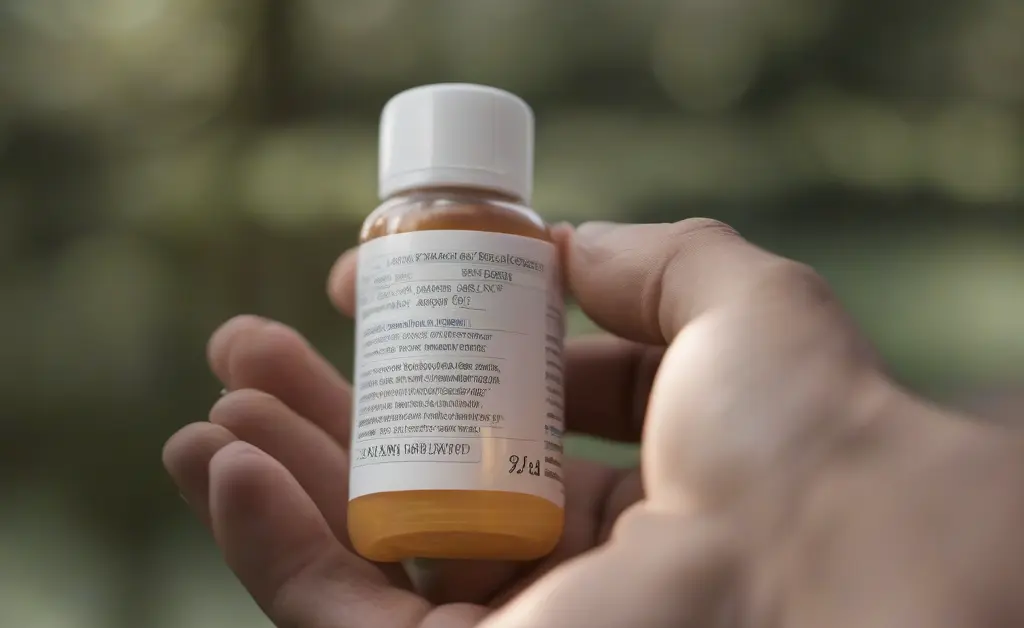
Selecting the right turkey tail mushroom for puppies requires diligence to ensure you are providing a high-quality product. The effectiveness and safety of a pet supplement can vary significantly based on its source, processing, and active compound concentration. Prioritizing quality means looking beyond the label claims and understanding what constitutes a truly beneficial supplement for young dogs.
Importance of 100% Real, Organic Mushrooms
When choosing a supplement, the source material is crucial. Opting for products made from 100% real, organic mushrooms ensures that your puppy is receiving the full spectrum of beneficial compounds without exposure to pesticides or other harmful chemicals. Many products use mycelium grown on grain, which may contain less of the active Fungi compounds and more grain starch. True mushroom supplements utilize the fruiting body, which is generally considered more potent and beneficial. Verify that the product specifies “100% real mushroom fruiting body” and “organic mushrooms.”
Verifying Beta-Glucan Content and Third-Party Testing
Key active compounds like beta-glucans are responsible for many of the immune-modulating properties of Turkey Tail Mushroom. A quality supplement will typically list the guaranteed beta-glucan content on its label, indicating its potency. Furthermore, reputable brands will often engage in third-party testing to verify the purity, potency, and absence of contaminants in their products. This provides an independent assurance of the supplement’s quality and helps answer questions like “What is Turkey Tail Mushroom?” in terms of its verified constituents.
Identifying Reputable Brands and Product Forms
Researching reputable brands with a track record of producing high-quality pet supplements is important. Look for companies that are transparent about their sourcing, manufacturing processes, and testing. Product forms can vary, including powders, capsules, or liquid extracts. The best form will depend on ease of administration for your puppy and your personal preference. Remember to verify the beta-glucan content and third-party testing when identifying reputable brands to ensure you are selecting a premium natural remedy for your puppy’s well-being.
FAQ
— Can puppies safely take turkey tail mushroom?
While some pet owners choose to introduce certain supplements, the safety profile for turkey tail mushroom in very young puppies is not extensively established through formal veterinary guidelines. Consulting with a veterinarian is always the first step to understand potential interactions or suitability for an individual animal’s health needs. Young, developing systems require extra consideration before introducing new dietary components.
— At what age can I give my puppy turkey tail mushroom?
There isn’t a universally established age recommendation from veterinary bodies for introducing functional mushrooms to puppies. A developing puppy’s digestive and immune systems are still maturing, making them more sensitive to new substances. Therefore, any decision regarding supplements should be made in close consultation with your veterinarian, who can assess your specific puppy’s health and development.
— What are the immune benefits of turkey tail for puppies?
Turkey tail mushroom is recognized for its high content of polysaccharides, particularly beta-glucans, which are compounds that interact with the immune system. These compounds are studied for their potential to support various aspects of immune function, helping the body’s natural defenses. For these reasons, turkey tail mushroom for puppies is sometimes explored by owners looking for immune support, always under veterinary guidance.
— How much turkey tail mushroom should a puppy have?
Determining an appropriate amount of any supplement for a puppy is a nuanced process that depends on several factors, including the puppy’s age, weight, overall health, and specific product concentration. It is crucial to discuss this with your veterinarian, as they can provide tailored guidance based on their professional assessment. Providing a general quantity without a veterinary consultation carries inherent risks.
— Are there any side effects of turkey tail mushrooms for young dogs?
While generally considered well-tolerated, like any new dietary addition, some young dogs might experience mild digestive upset such as loose stools or changes in appetite. These reactions are not unique to turkey tail and can occur with many new foods or supplements. Monitoring your puppy closely after introduction and consulting your vet about any unusual observations is always advisable.
— Where can I find organic turkey tail for my puppy?
When sourcing turkey tail, look for products from reputable suppliers that specifically state organic certification and provide third-party testing results for purity and potency. Prioritizing products made for pets can also be a consideration, ensuring they are free from unnecessary fillers or additives. Always research the brand’s commitment to quality and transparency.