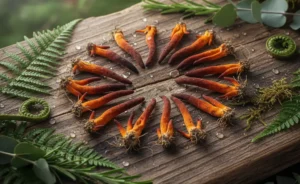


When the rhythmic patter of paws suddenly slows, or a beloved canine companion shows an unexpected dip in energy, many pet owners instinctively feel a shift. A subsequent visit to the veterinarian can sometimes bring life-altering news, such as a diagnosis of hemangiosarcoma, a highly aggressive and devastating cancer in dogs. Facing such a challenge, owners often embark on a journey to explore every possible avenue of support for their furry family member. This natural inclination leads many to investigate complementary therapies that might enhance their dog’s quality of life and potentially extend their time. Among these, the humble turkey tail mushroom has emerged as a topic of significant interest, particularly concerning its potential role in supporting dogs diagnosed with turkey tail mushroom hemangiosarcoma, prompting a closer look at the scientific evidence surrounding its use.
Turkey Tail Mushroom Hemangiosarcoma: Scientific Evidence and Support
Defining Canine Hemangiosarcoma
Canine hemangiosarcoma is a highly malignant and aggressive form of cancer originating from the endothelial cells that line blood vessels. This vascular tumor can occur anywhere in the body, but it is most commonly found in the spleen, heart, and liver. Given its origin in blood vessel cells, hemangiosarcoma is prone to rapid metastasis, spreading quickly to other organs, which makes early diagnosis and intervention critical yet challenging. Symptoms can be subtle in the early stages, progressing to more noticeable signs like lethargy, weakness, abdominal distension due to internal hemorrhage, or collapse. Diagnosis typically involves a combination of imaging techniques like ultrasonography, blood tests, and often a biopsy for histopathology, which is essential to confirm the presence of this sarcoma and differentiate it from other types of tumors.
Current Veterinary Treatments for Hemangiosarcoma
Conventional dog cancer treatment for hemangiosarcoma primarily involves surgical removal of the tumor, particularly if it’s localized, such as in the case of splenic tumors. This is often followed by chemotherapy as an adjuvant therapy to target any remaining cancer cells and help delay metastasis. Despite aggressive conventional veterinary care, the prognosis for canine hemangiosarcoma often remains guarded due to its highly metastatic nature. Radiation therapy may be considered in specific cases, though it is less common for widespread hemangiosarcoma. Veterinary oncology continues to explore new approaches and combinations of treatments to improve survival rates and enhance the quality of life for dogs facing this challenging diagnosis.
Penn Vet Study: Key Findings and Survival Data
Significant research into potential adjunctive therapies for canine hemangiosarcoma includes studies on medicinal mushrooms. One notable clinical trial was conducted at the University of Pennsylvania’s School of Veterinary Medicine (Penn Vet), focusing on the Coriolus versicolor mushroom, also known as turkey tail. This study explored the effects of a specific mushroom compound, Polysaccharopeptide (PSP), on dogs with splenic hemangiosarcoma. The research aimed to assess the impact of this natural supplement on survival time for hemangiosarcoma dogs. The key findings of this clinical research suggested a potentially extended survival time in dogs receiving the mushroom extract compared to those undergoing chemotherapy alone or no adjuvant treatment. These clinical trial results sparked considerable interest among pet owners and the veterinary community, highlighting the potential for immunomodulatory compounds in dog cancer treatment strategies.
How Turkey Tail May Support Dogs with Hemangiosarcoma

Turkey tail mushroom (Coriolus versicolor) is recognized for its rich composition of bioactive compounds, particularly two prominent polysaccharides: Polysaccharide-K (PSK) and Polysaccharopeptide (PSP). These mushroom compounds are primarily responsible for the studied anti-tumor effects and immunomodulatory properties associated with turkey tail mushroom hemangiosarcoma. They may support the immune system, potentially helping it to better recognize and respond to tumor cells. Research suggests that PSK and PSP might exert their benefits through several mechanisms. This support can be beneficial across various breeds, including specific care for turkey tail mushroom for Frenchies.
Furthermore, some studies indicate potential anti-angiogenic effects, meaning they may help inhibit the formation of new blood vessels that tumors need to grow and spread. Other potential benefits include antioxidant properties, which could help combat cellular damage, and a possible role in promoting apoptosis, the programmed death of cancer cells. These multifaceted actions make turkey tail a topic of ongoing interest for adjunctive support in canine oncology. Exploring these various aspects reveals the wide-ranging turkey tail mushroom benefits for dogs.
Administering Turkey Tail to Dogs with Hemangiosarcoma
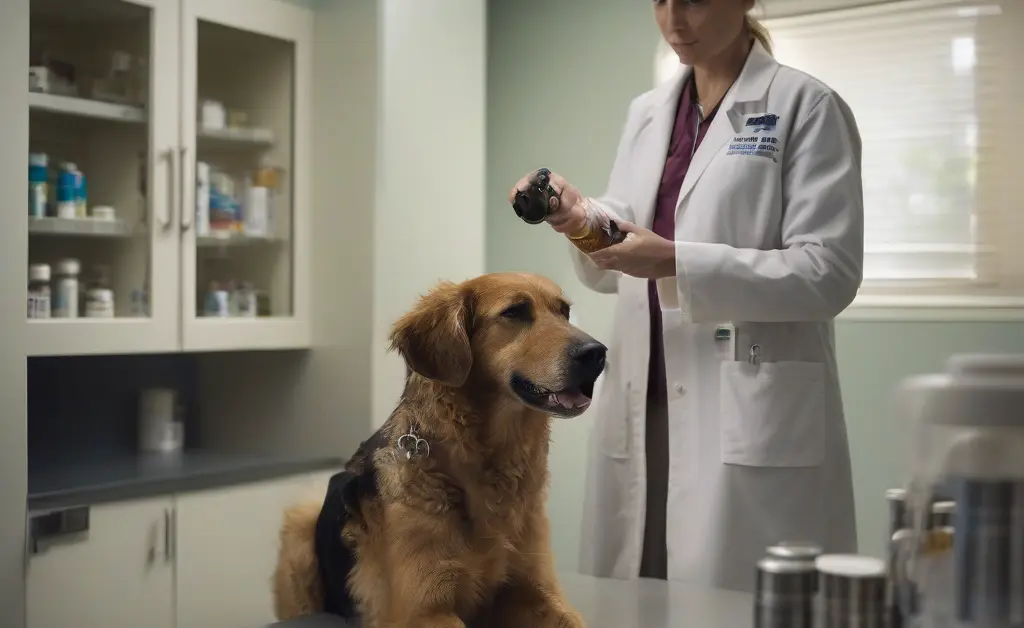
When considering the use of turkey tail mushroom for dogs with hemangiosarcoma, it is crucial to prioritize safe and informed administration. Various forms of turkey tail mushroom products are available, including powders, capsules, and liquid extracts. The quality and concentration of the active compounds, such as PSK and PSP, can vary significantly between products, emphasizing the importance of sourcing from reputable manufacturers. Pet owners should seek out products specifically formulated for pets or those that clearly state their active ingredient content and purity. Before incorporating any new natural supplements into a dog’s regimen, a comprehensive consultation with a veterinarian, ideally one specializing in integrative veterinary medicine or veterinary oncology, is essential. They can provide personalized guidance, discuss potential interactions with other medications, and help monitor the dog’s response. While generally considered well-tolerated, some dogs may experience mild side effects such as digestive upset. Any changes in a dog’s health or behavior should be promptly reported to the veterinarian.
The purpose of this content is to educate, not to diagnose or treat. This information is intended for general knowledge and informational purposes only, and does not constitute medical advice. It is essential to consult with a qualified veterinarian or animal health professional for any health concerns or before making any decisions related to your pet’s health or treatment. Always seek the advice of a professional for diagnosis and treatment of any medical condition.
FAQ
— How long do dogs with hemangiosarcoma live on turkey tail mushroom?
Predicting lifespan for dogs with hemangiosarcoma, even with adjunctive therapies, is highly individual and depends on numerous factors like disease stage and overall health. While research provides insights into potential benefits, it is crucial to understand that outcomes can vary significantly from one case to another.
— What did the Penn Vet study find about turkey tail for canine hemangiosarcoma?
The Penn Vet study explored the effects of a specific extract of turkey tail mushroom in dogs diagnosed with hemangiosarcoma. Findings indicated that dogs receiving the extract showed a statistically significant increase in survival times compared to historical controls. This research has been influential in highlighting the potential supportive role of turkey tail mushroom hemangiosarcoma in canine health.
— What is the recommended dosage of turkey tail for dogs with hemangiosarcoma?
Determining an appropriate dosage for any supplement requires careful consideration of a dog’s specific health condition, size, and existing treatments. It is essential to consult with a qualified veterinary professional to discuss suitability and appropriate integration into a dog’s health plan. They can provide personalized guidance based on individual needs.
— Can turkey tail mushroom replace traditional hemangiosarcoma treatment?
Functional mushrooms like turkey tail are generally considered as complementary components within a broader wellness strategy. They are not intended to serve as standalone replacements for established conventional veterinary treatments for serious conditions like hemangiosarcoma. A comprehensive approach, often combining traditional and supportive therapies, is typically recommended by veterinary oncologists.