Exploring natural avenues to support canine health often leads pet owners and professionals to consider various supplements. Among these, the turkey tail mushroom has garnered significant attention for its potential benefits, particularly in bolstering the immune system and supporting overall well-being in dogs. This comprehensive guide delves into the evidence and applications of turkey tail mushroom veterinary use, providing a balanced perspective on its integration into canine care. We will examine its historical background, the scientific research supporting its efficacy, proper administration techniques, and essential considerations regarding potential side effects. Understanding how this fungal supplement can complement existing treatments is crucial for making informed decisions to enhance your dog’s quality of life.
Turkey Tail Mushroom Veterinary: An Overview
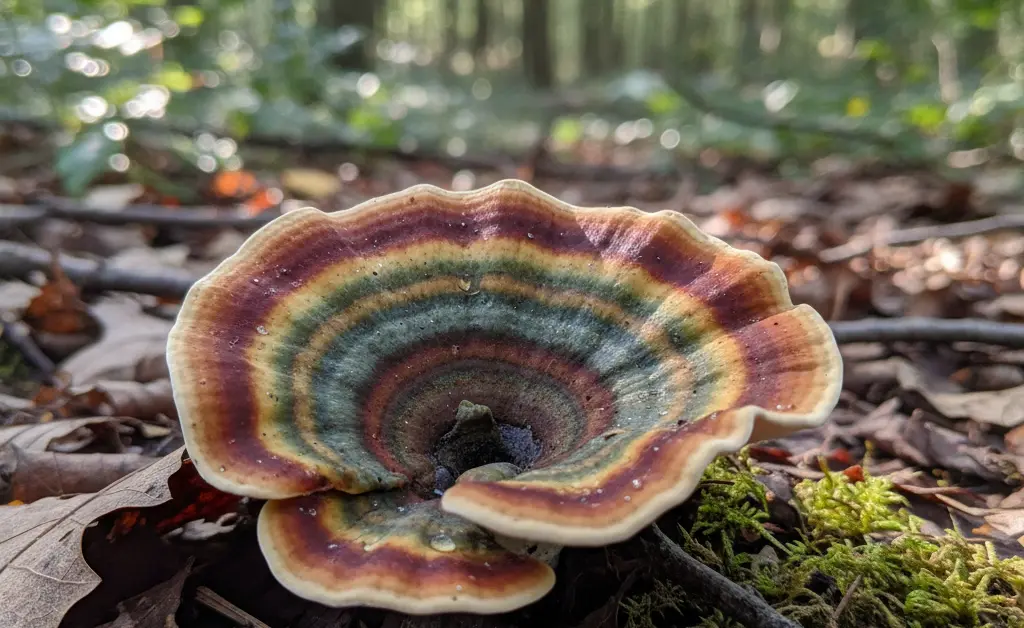
The field of veterinary medicine is continually evolving, with a growing interest in integrative therapies that combine conventional treatments with complementary approaches. Among the natural compounds attracting attention, the turkey tail mushroom (Trametes versicolor or Coriolus versicolor) stands out. This medicinal fungi has a long history of use in traditional practices, and its application in modern veterinary care, particularly for supporting dog health, is a subject of ongoing discussion and research. The potential for turkey tail mushroom veterinary applications often centers on its adaptogenic properties and its capacity to act as an immune modulator, aiding the body’s natural defenses.
Historical Use in Veterinary Care
While the formal study of turkey tail mushroom in veterinary contexts is a more recent development, the broader category of medicinal mushrooms has been a staple in traditional healing systems for centuries. Ancient Eastern medicine, for instance, recognized the various benefits of specific mushrooms for both human and animal well-being. Though not always explicitly termed “veterinary care,” these historical practices laid the groundwork for understanding the general health benefits for canines and other animals. Today, holistic vet practitioners often reference this traditional wisdom when exploring natural pet supplements and adjunctive therapy options for their patients.
Why Veterinarians Consider It for Dogs
Veterinarians consider turkey tail mushroom for dogs primarily due to its studied immune-modulating properties. The mushroom contains compounds believed to support the immune system, which can be beneficial for dogs facing various health challenges or simply for maintaining overall vitality. As pet owners increasingly seek natural ways to support their companions, veterinarians are exploring substances like turkey tail for pets as part of a comprehensive wellness strategy. Its potential to contribute to a dog’s general health, potentially addressing inflammation and overall well-being, makes it an attractive option for consideration within an integrative approach to canine health.
Benefits of Turkey Tail Mushroom for Dogs

The potential benefits of turkey tail mushroom veterinary applications for dogs are primarily linked to its rich array of bioactive compounds. These compounds are believed to support various physiological functions, contributing to improved dog health and an enhanced quality of life. The mushroom is particularly recognized for its role in immune system modulation, helping the body to maintain balance and respond effectively to challenges. Furthermore, turkey tail mushroom contains powerful antioxidants, which can help combat oxidative stress, and some studies suggest it may possess anti-inflammatory properties, supporting a pet’s comfort and well-being.
Integrating with Conventional Veterinary Treatments
Integrating turkey tail mushroom with conventional veterinary treatments represents a key area of interest for many pet owners and veterinarians. It is often considered an adjunctive therapy, meaning it is used alongside standard medical care rather than as a replacement. For example, in situations where a dog’s immune system might be compromised, a veterinarian might suggest turkey tail mushroom extract as a complementary immune support. This integrative therapy approach aims to harness the potential benefits of medicinal mushrooms to optimize the animal’s response to primary treatments and contribute positively to their overall health journey. Understanding the full scope of turkey tail mushroom benefits for dogs can help inform these integrative strategies.
The Science Behind Turkey Tail for Canine Health
The scientific understanding of turkey tail mushroom veterinary benefits for canine health is largely centered on its active polysaccharides, specifically polysaccharide K (PSK) and polysaccharide-peptide (PSP). These key active compounds are believed to be responsible for the mushroom’s notable immune-modulating effects. Research into the mechanisms of action in dogs suggests that PSK and PSP can influence various immune cells, supporting their function and promoting a balanced immune response. This scientific exploration moves beyond traditional use, seeking evidence-based understanding of how this medicinal fungi can contribute to pet wellness. Further information on research into health supplements can often be found through reputable organizations such as the NIH.
Overview of Clinical Trials in Canines
Several clinical studies have investigated the efficacy of turkey tail mushroom in canines, particularly in areas related to immune support. These trials aim to provide empirical data on how specific mushroom extracts can influence dog health parameters. For instance, some research has focused on the use of PSK and PSP in dogs facing certain health challenges, observing their impact on immune markers and overall quality of life. While more extensive research is always valuable, the existing clinical studies offer promising insights into the potential role of turkey tail mushroom as a pet supplement in an integrative veterinary setting, contributing to the growing body of knowledge on medicinal mushrooms. Ongoing research continues to explore the role of turkey tail mushroom in hemangiosarcoma studies, highlighting its potential in specific canine health challenges.
Choosing and Administering Turkey Tail to Dogs
When considering turkey tail mushroom veterinary products for dogs, selection and administration are critical for ensuring safety and efficacy. Pet owners should prioritize high-quality pet supplements, ideally those that are specifically formulated for animals and come with transparent sourcing and manufacturing information. Turkey Tail For Dogs products are available in various forms, including powders, capsules, and liquid mushroom extract. Understanding these forms and their quality considerations is important when making a choice. Consulting with a veterinarian is essential to navigate the options and select a product that aligns with your dog’s individual health needs. Special considerations for specific breeds, such as using turkey tail mushroom for Frenchies, should always be discussed with your vet.
Recommended Dosage Guidelines for Dogs
Determining the appropriate amount of turkey tail mushroom for a dog is a nuanced process that should always involve a veterinarian. Factors such as the dog’s size, age, overall health status, and specific health concerns influence veterinary recommendations. A veterinary professional can provide guidance on suitable product forms and concentrations, ensuring safe and effective integration into the dog’s regimen. It is crucial to follow the advice of your veterinarian to avoid potential issues and maximize the potential benefits of this medicinal mushroom.
Monitoring Your Dog’s Response
Once turkey tail mushroom is introduced into a dog’s routine, closely monitoring their response is an important aspect of responsible pet care. Pet owners should observe their dog for any changes in behavior, appetite, energy levels, or stool consistency. Noting any improvements in their overall well-being, such as increased vitality or comfort, is also valuable feedback. Regular check-ups with a veterinarian are essential to discuss your dog’s progress and make any necessary adjustments to the supplementation plan, ensuring that the chosen turkey tail for pets product is contributing positively to their health.
Side Effects and Veterinary Guidance for Turkey Tail Mushroom in Dogs

While turkey tail mushroom is generally well-tolerated by many dogs, like any supplement, there is a possibility of side effects. Understanding these potential reactions and knowing when to seek professional veterinary guidance is paramount for responsible pet ownership. Open communication with your veterinarian about any pet supplements you are considering is crucial to ensure the safety and well-being of your canine companion. They can provide insights into Turkey Tail Mushroom Safety and help determine if it is an appropriate addition to your dog’s health regimen.
Recognizing Possible Adverse Reactions in Dogs
Though uncommon, some dogs may experience mild adverse reactions to turkey tail mushroom. These can potentially include minor gastrointestinal upset, such as soft stools or mild changes in appetite. Recognizing possible adverse reactions in dogs involves observing for any unusual symptoms after starting the supplement. If any concerning signs appear, even if seemingly minor, it is important to discontinue use and consult a veterinarian promptly to assess the situation and determine the best course of action.
When to Consult Your Veterinarian
Consulting your veterinarian is always recommended before introducing any new supplement, including turkey tail mushroom, into your dog’s diet. This is especially true if your dog has pre-existing health conditions, is on other medications, or is undergoing specific treatments. Furthermore, if you notice any unusual or adverse reactions after starting the supplement, or if you have any questions or concerns about its use, contacting your veterinarian immediately is crucial. A holistic vet or a veterinarian familiar with pet supplements can provide tailored advice and ensure the turkey tail mushroom veterinary approach aligns with your dog’s overall health plan.
FAQ
— Is turkey tail mushroom safe for dogs according to veterinarians?
The safety of turkey tail mushroom for dogs is a topic of ongoing discussion and research within the veterinary community. Generally, it is considered to have a good safety profile when sourced from reputable suppliers and used appropriately. Many veterinarians are open to discussing its potential use as a complementary support.
— How do veterinarians recommend giving turkey tail mushroom to dogs?
When considering turkey tail mushroom for dogs, veterinarians typically emphasize the importance of using high-quality, mushroom-derived products, often in extract form. They counsel pet owners to integrate such supplements thoughtfully, often as part of a broader wellness plan. The discussion around turkey tail mushroom veterinary recommendations centers on individualized approaches tailored to the specific needs and health status of each animal.
— What dosage of turkey tail mushroom is safe for my dog?
Determining an appropriate dosage for any supplement, including turkey tail mushroom, requires careful consideration of a dog’s individual health status, weight, and specific needs. It is crucial to consult with a veterinarian who can provide personalized guidance. General advice on dosage is not suitable for individual pet care.
— Are there any veterinary-approved turkey tail mushroom products for dogs?
While there isn’t a singular “veterinary approval” system for all supplements in the same way pharmaceuticals are approved, many veterinarians advise selecting products from reputable brands that undergo rigorous third-party testing for purity and potency. They often look for products specifically formulated for pets and backed by scientific research into their ingredients. These quality assurances are key factors veterinarians consider when recommending a turkey tail product.