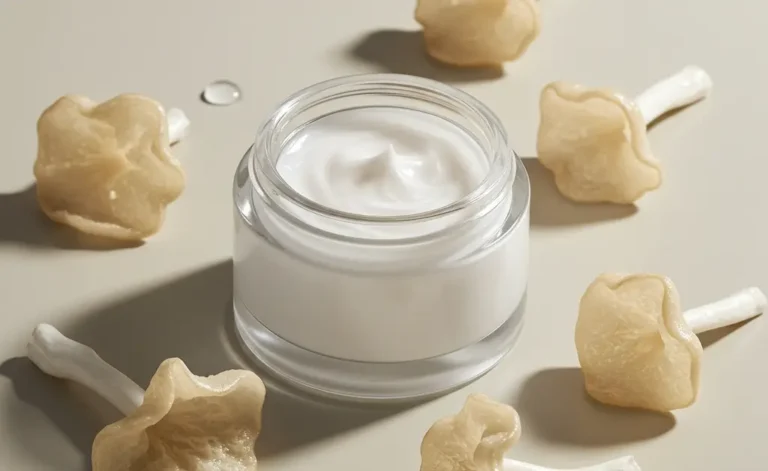
Many individuals consider natural supplements for health benefits, often wondering about potential impacts on vital organs. Historically, there has been a general assumption of safety with many herbal remedies, yet a closer examination often reveals nuances. This article aims to transform uncertainty into clarity by thoroughly exploring the available scientific evidence surrounding turkey tail mushroom liver toxicity. By understanding its interactions and potential effects, consumers can move from speculative use to informed decisions, ensuring a more responsible approach to incorporating this popular fungus into their health regimen. We will delve into research findings, potential side effects, and important precautions, providing a comprehensive guide for those prioritizing liver health.
Understanding Turkey Tail Mushroom and Liver Toxicity
The turkey tail mushroom (Trametes versicolor) is a well-known medicinal mushroom, recognized for its vibrant colors and fan-like shape. It has been traditionally utilized in various cultures for its potential health benefits, particularly its support for immune function. However, as with any supplement or herbal extract, understanding its potential interactions with the body’s vital organs, such as the liver, is crucial. Concerns regarding turkey tail mushroom liver toxicity often arise from the general caution associated with substances metabolized by this organ.
What is Liver Toxicity?
Liver toxicity, also known as hepatotoxicity, refers to damage to the liver caused by exposure to certain substances. The liver plays a central role in metabolizing drugs, toxins, and nutrients, making it susceptible to injury from various compounds. This damage can range from mild, temporary inflammation to severe, life-threatening liver failure. Hepatotoxicity can manifest through elevated liver enzymes, changes in liver function, or structural alterations in liver cells (hepatocytes).
Does Turkey Tail Mushroom Pose a Risk to the Liver?
The question of whether turkey tail mushroom poses a risk to the liver is a critical one for consumers. While the mushroom is widely regarded for its general safety profile, any substance that interacts with the body’s metabolic pathways carries a theoretical potential for adverse effects, especially in susceptible individuals or with concurrent conditions. Current research and clinical observations generally suggest a low incidence of turkey tail mushroom liver toxicity, particularly when used within recommended guidelines. However, vigilance is always advised, especially for those with pre-existing liver conditions or who are taking other medications that impact liver function. Investigating hepatoprotective effects is an ongoing area of research, with some studies exploring its potential to support liver health rather than harm it.
Potential Side Effects and Precautions of Turkey Tail Mushroom

While the turkey tail mushroom is generally considered safe for most individuals, like any supplement, it can be associated with certain potential side effects and requires precautions. The common turkey tail side effects reported are typically mild and may include digestive upset such as bloating, gas, or dark stools. Less commonly, some individuals might experience allergic reactions, though these are rare. Understanding who should avoid turkey tail mushrooms is important; this group may include pregnant or breastfeeding individuals, those with autoimmune conditions, or individuals undergoing specific medical treatments, due to the lack of extensive safety data in these populations.
To mitigate any potential for turkey tail mushroom liver toxicity or other adverse reactions, it is essential to exercise caution. Always source extracts from reputable suppliers to ensure product purity and potency. Starting with a smaller intake and gradually increasing it while monitoring for any changes can help assess individual tolerance. If unusual symptoms develop, discontinuing use and consulting a healthcare professional is advisable. Specific studies are also exploring turkey tail mushroom benefits for women, focusing on unique health aspects. This proactive approach helps ensure that the benefits of turkey tail immune support can be explored responsibly.
Mechanisms of Turkey Tail Mushroom’s Liver Interaction
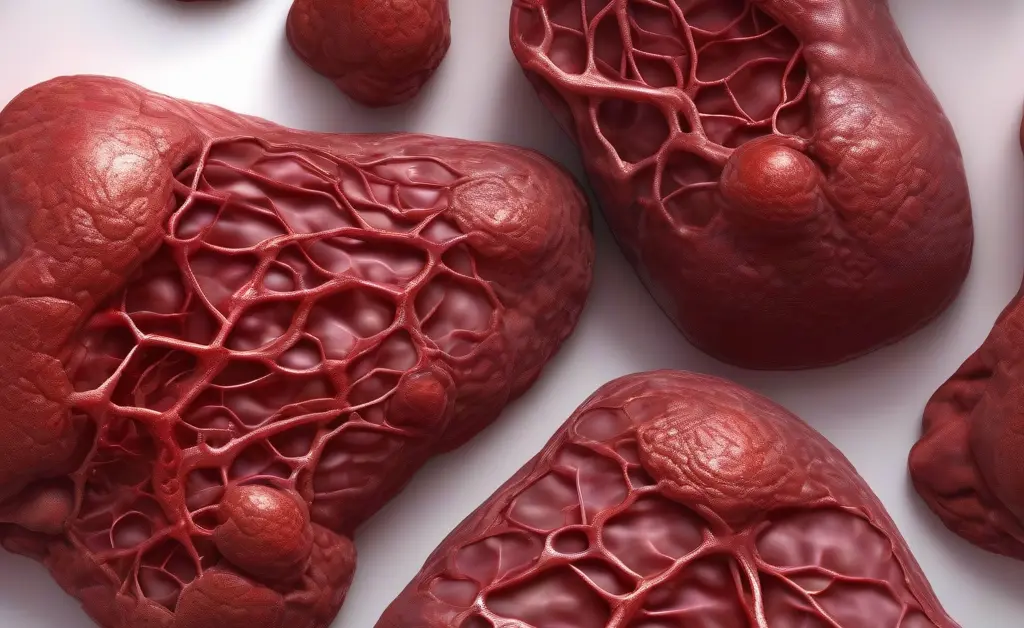
The liver is the primary organ responsible for metabolizing most substances that enter the body, including compounds from herbal supplements like turkey tail mushroom. The mushroom contains various bioactive components, notably polysaccharides and polysaccharide-peptides (PSP and PSK), which are believed to contribute to its observed benefits. These compounds, along with other constituents in the fruiting body and mycelium, are processed by the liver. The liver’s ability to handle these compounds efficiently is key to preventing the accumulation of substances that could potentially lead to turkey tail mushroom liver toxicity.
The unseen risks of herbal supplements on liver health often lie in their complex chemical compositions and the variability between products. The liver’s detoxification pathways work to transform these compounds into forms that can be eliminated from the body. Any disruption to these intricate processes could theoretically impact liver function, highlighting the importance of understanding specific mechanisms of interaction. Further research also explores the broader applications of this mushroom, including its potential role in supporting turkey tail mushroom for brain health.
Impact on Liver Enzyme Activity and Metabolism
One critical aspect of the liver’s role is its production and regulation of liver enzymes, such as those in the cytochrome P450 (CYP450) system. These enzymes are vital for the hepatic metabolism of a vast array of compounds, including many medications and natural substances. Alterations in liver enzyme activity can affect how substances are processed, potentially leading to either reduced effectiveness of medications or increased levels of compounds that could be harmful. Research into turkey tail mushroom liver toxicity often involves observing any changes in these enzyme levels, as significant elevations could signal liver stress or damage.
While some studies investigate whether turkey tail extracts might influence certain liver enzyme pathways, the overall evidence generally suggests that it does not cause significant detrimental changes in healthy individuals. However, the exact impact can be complex and may vary depending on the specific extract, its concentration, and individual physiological factors. A better understanding of how the various components of turkey tail mushroom interact with the liver’s metabolic machinery can help clarify its safety profile.
Drug Interactions: Turkey Tail and Liver Metabolism
Given the liver’s central role in drug metabolism, the potential for drug interactions with herbal supplements like turkey tail mushroom is a significant consideration. Many medications are processed and eliminated from the body by the same liver enzyme systems, particularly the cytochrome P450 enzymes, that also metabolize natural compounds. If turkey tail mushroom components significantly induce or inhibit these enzymes, it could alter the effectiveness or safety of concurrently administered drugs.
Identifying medications metabolized by the liver is a crucial step for anyone considering supplementing with turkey tail mushroom, especially if they are on prescription drugs. Specific drug interactions to avoid would include those where small changes in drug levels could have serious consequences, such as certain blood thinners, immunosuppressants, or seizure medications. While current data do not point to widespread significant interactions or turkey tail mushroom liver toxicity from concurrent drug use, caution is warranted. Always consult a healthcare professional to discuss potential supplement interactions, especially if managing existing health conditions or taking prescribed medications.
Scientific Research on Turkey Tail Mushroom Liver Safety

The safety of turkey tail mushroom, particularly concerning its impact on the liver, has been the subject of various scientific investigations. Reputable organizations, such as the NIH, often provide valuable resources on supplement safety and research. Clinical observations and human data generally support its use as a well-tolerated supplement, with reports of turkey tail mushroom liver toxicity being rare. Much of the research focuses on its immunomodulatory properties, but safety assessments are often integral to these studies. Researchers aim to establish a robust safety profile, looking for any adverse reactions, particularly those related to liver function. Further studies are also emerging regarding the appropriate use of turkey tail mushroom for kids.
Studies often involve analyzing blood markers of liver health, such as liver enzymes and bilirubin levels, in participants consuming turkey tail extracts. The overall consensus from available research indicates that, for the majority of individuals, turkey tail mushroom does not appear to cause significant liver damage or toxicity. However, continuous research is vital to fully understand its long-term effects and interactions in diverse populations.
Acute and Subchronic Oral Toxicity Studies
To evaluate the safety of various substances, including herbal extracts, researchers often conduct acute and subchronic toxicity studies, typically in animal models, before moving to human trials. Acute toxicity studies involve administering a single, high dose of a substance to observe immediate adverse effects or mortality. Subchronic toxicity studies involve repeated administration of a substance over a longer period, usually weeks or months, to identify any cumulative toxic effects or target organ damage, including potential turkey tail mushroom liver toxicity.
In studies on turkey tail mushroom extracts, these toxicity assessments generally show a favorable safety profile. For example, high oral doses in animal models have often demonstrated no significant adverse effects on liver parameters, even at levels far exceeding typical human intake. These findings contribute to the understanding that turkey tail mushroom, in standardized extracts like PSP and PSK, does not typically induce hepatotoxicity under normal conditions. Such studies are foundational in assessing the overall safety of medicinal mushrooms and informing their appropriate use.
Recognizing Signs and Symptoms of Liver Stress
Even though turkey tail mushroom liver toxicity is considered rare, it is always important to be aware of the signs and symptoms of liver stress, regardless of the cause. The liver is a resilient organ, but when it is under strain, it can manifest in various ways. These signs can be subtle at first and may not always be attributed directly to liver issues. General indicators of liver stress can include persistent fatigue, unexplained nausea or loss of appetite, dark urine, pale stools, or itchy skin.
More pronounced symptoms might include jaundice (yellowing of the skin or eyes), pain or tenderness in the upper right abdomen, swelling in the legs and ankles, or easy bruising. If any of these symptoms appear, particularly if they are persistent or severe, it is crucial to consult a healthcare professional promptly for proper evaluation and diagnosis. When to consult a healthcare professional cannot be overstressed, as early detection of liver issues is vital for effective management.
Signs of Liver Toxicity from Supplements
When considering the potential for liver toxicity from supplements, including concerns about turkey tail mushroom liver toxicity, specific signs warrant attention. These signs are generally similar to those of overall liver stress but might arise in correlation with the initiation or change in supplement use. It is challenging to definitively attribute liver issues to a specific supplement without medical assessment, as many factors can influence liver health.
If you experience any of the aforementioned symptoms of liver stress after starting or changing a supplement, it is prudent to stop taking the supplement immediately and seek medical advice. Keeping a detailed record of all supplements, medications, and any symptoms can greatly assist healthcare providers in their assessment. While supplements like turkey tail mushroom are often seen as natural and safe, the liver processes everything we ingest, underscoring the importance of monitoring one’s health vigilantly.
This article is meant for general informational use and awareness. It is not intended to provide medical advice, diagnosis, or treatment. Always consult with a qualified healthcare professional before making any decisions about your health, diet, or lifestyle, especially if you have pre-existing medical conditions or are taking medications.
FAQ
— Is turkey tail mushroom safe for the liver?
Turkey tail mushroom is generally recognized as safe for consumption, with a long history of use in traditional practices. Current scientific research indicates a favorable safety profile with no significant concerns regarding liver health in most contexts. Its regular use has been studied extensively in various health protocols.
— Can turkey tail mushroom cause liver damage?
Current scientific literature does not widely report turkey tail mushroom as a cause of liver damage. While individual sensitivities vary with any natural product, large-scale studies have not indicated a direct link to hepatotoxicity. It is generally well-tolerated when consumed appropriately.
— Does turkey tail mushroom affect liver enzymes?
Studies on turkey tail mushroom have not consistently shown significant alterations in liver enzyme levels within normal physiological ranges. Liver enzymes are crucial indicators of liver function, and maintaining their balance is essential for overall health. While individual responses can differ, data generally supports a neutral or beneficial effect on overall liver health markers.
— Can turkey tail mushroom interact with medications processed by the liver?
Yes, it is possible for some natural substances, including functional mushrooms, to influence liver enzymes involved in drug metabolism. These interactions could potentially alter how medications are processed by the liver, affecting their efficacy or clearance. Therefore, understanding potential interactions and the rare possibility of turkey tail mushroom liver toxicity is important, especially for individuals on prescription drugs.
— What are the symptoms of liver toxicity from supplements?
Symptoms of liver toxicity can include persistent fatigue, nausea, dark urine, or a yellowing of the skin and eyes. These signs typically indicate that the liver is under stress and struggling to function correctly. Monitoring for any unusual changes in your body is always prudent when taking any supplement.
— Are there studies on turkey tail mushroom and hepatotoxicity?
Research into turkey tail mushroom often includes safety assessments, which encompass looking for signs of hepatotoxicity. While comprehensive studies haven’t highlighted widespread concerns regarding liver harm, scientists continue to explore its full physiological impact. This ongoing research helps to build a clearer picture of its overall safety profile.