As parents navigate the daily routines of school, playdates, and everything in between, maintaining their children’s health often becomes a top priority. In an era where natural wellness solutions are increasingly explored, many caregivers are seeking ways to proactively support their little ones’ immune systems and overall vitality. Perhaps while preparing a morning smoothie or packing a lunchbox, the thought of incorporating beneficial supplements arises. This comprehensive guide aims to explore the potential role of turkey tail mushroom for kids, delving into its purported benefits, crucial safety considerations, and practical dosing advice. Understanding how this unique fungi might fit into a child’s wellness regimen requires careful consideration and informed decisions, which this article will help illuminate.
Why Consider Turkey Tail Mushroom for Kids?
The turkey tail mushroom, known scientifically as *Trametes versicolor*, is a type of fungi frequently recognized for its distinctive fan-like appearance and vibrant colors, resembling a turkey’s tail. For centuries, various cultures have valued this mushroom for its traditional uses in supporting general well-being. Today, as interest in natural dietary support grows, parents are increasingly looking into natural options that might support their children’s developing systems. The idea of incorporating a natural supplement like the turkey tail mushroom for kids stems from its historical applications and ongoing scientific investigation into its properties.
Why Parents Might Consider Turkey Tail for Children
Parents often seek ways to strengthen their children’s resilience, especially when faced with the everyday challenges to health that come with school and social environments. Factors such as exposure to common seasonal issues, dietary variations, and the general stresses of growth can influence a child’s overall vitality. Many caregivers are drawn to natural supplements as a proactive approach to maintaining health, rather than solely reacting to wellness concerns. The interest in turkey tail mushroom for children often arises from a desire to provide comprehensive, natural immune support and contribute to a balanced internal environment from a young age.
Benefits of Turkey Tail Mushrooms for Children’s Wellness


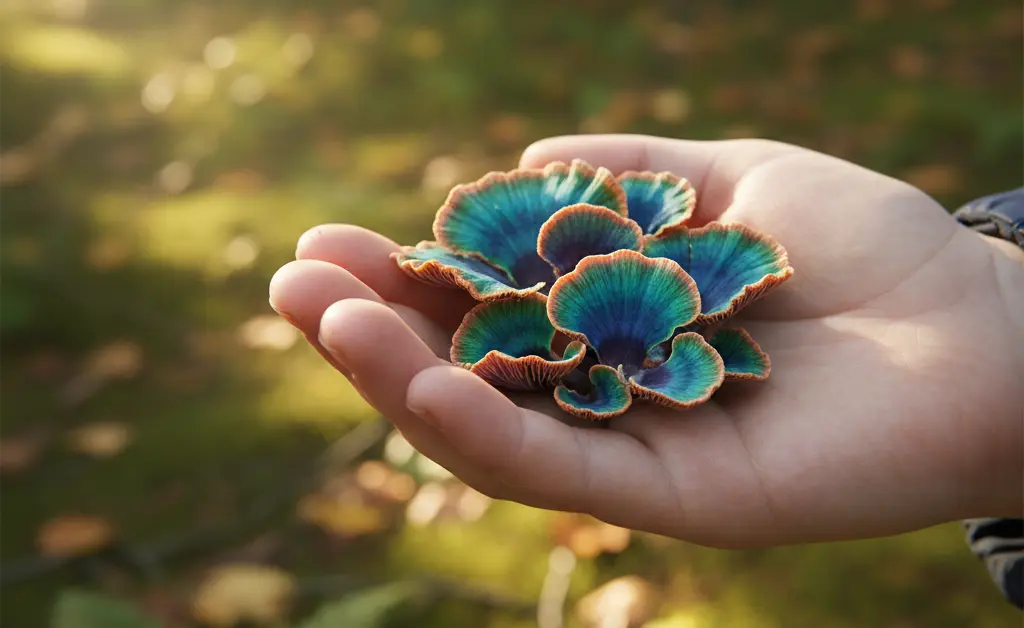
The potential benefits of the turkey tail mushroom for kids are primarily associated with its rich composition of polysaccharides, particularly beta-glucans, which are complex carbohydrates found in the fruiting body and mycelium of the mushroom. These compounds are studied for their potential to interact with the immune system, making turkey tail a subject of interest for supporting children’s wellness. While research often focuses on adult populations, the principles of immune modulation may extend to younger individuals, offering a natural adaptogen to support the body’s balance.
Key Benefits for Children’s Health
When considering natural supplements for children, the focus is often on gentle yet effective support for their developing bodies. Turkey tail mushroom is recognized for its adaptogenic properties, meaning it may help the body adapt to various stressors and maintain equilibrium. For children’s health, this can translate into a general strengthening of their internal systems, contributing to a more robust foundation for growth and daily activities. The mushroom’s unique compounds are believed to offer dietary support that complements a balanced diet, aiming to enhance the body’s natural processes. Additionally, some specific research areas explore applications such as turkey tail mushroom kidney stones, highlighting its diverse potential.
Immune System Support and Balance
One of the most widely discussed attributes of turkey tail mushroom is its potential role in supporting the immune system. The beta-glucans present in the mushroom are thought to act as immune modulators, interacting with immune cells to help maintain a balanced immune response. For children, whose immune systems are still maturing, providing this kind of natural support is a significant consideration. A well-supported immune system can better navigate everyday challenges, contributing to overall health and resilience. The compounds in turkey tail are studied for their ability to support the body’s natural defenses, rather than overstimulating them.
Contributions to Digestive Health
Beyond immune support, turkey tail mushroom also contains prebiotics, which are non-digestible food ingredients that may promote the growth of beneficial microorganisms in the gut. A healthy gut flora is intrinsically linked to overall digestive health and can significantly influence the immune system. For children, a balanced gut microbiome is crucial for nutrient absorption and preventing occasional digestive discomfort. By potentially supporting a healthy gut environment, turkey tail can indirectly contribute to better nutrient utilization and a stronger immune foundation, highlighting its comprehensive benefits for growing bodies.
Promoting Overall Well-being in Growing Bodies
The synergistic effects of immune and digestive support from turkey tail mushroom can collectively contribute to a child’s overall well-being. A robust immune system and a healthy gut are foundational to energy levels, mood, and general vitality. For children, who are constantly growing and developing, providing natural dietary support that targets these key areas can be beneficial. The antioxidants found in turkey tail also contribute to cellular health, protecting against oxidative stress, which further supports the healthy development of all bodily systems. This holistic approach aims to nurture a child’s internal balance as they navigate their formative years. Some also explore the potential of turkey tail mushroom for brain health as part of a holistic wellness approach.
Dosage and Administration of Turkey Tail Mushrooms for Children

Determining the appropriate way to administer turkey tail mushroom for kids requires careful consideration, as children’s bodies process substances differently than adults. It is important to prioritize safety and consult with a healthcare professional before introducing any new supplement into a child’s regimen. While specific recommendations vary, the general approach involves starting with minimal amounts and observing the child’s response. The goal is to find a supportive balance that integrates naturally with their daily life without causing undue stress or potential side effects.
Kid-Friendly Forms and Products
Turkey tail mushroom products designed for children often come in forms that are easy to administer and palatable. These may include liquid extracts, powders that can be mixed into food or beverages, or even chewable options. When selecting a product, it’s crucial to look for high-quality, organic sources that clearly state they are suitable for pediatric use. Reputable brands often provide clear instructions and ingredient transparency, ensuring parents can make informed choices. Opting for products made from the fruiting body and mycelium can ensure a comprehensive profile of beneficial compounds.
General Dosage Guidelines for Children
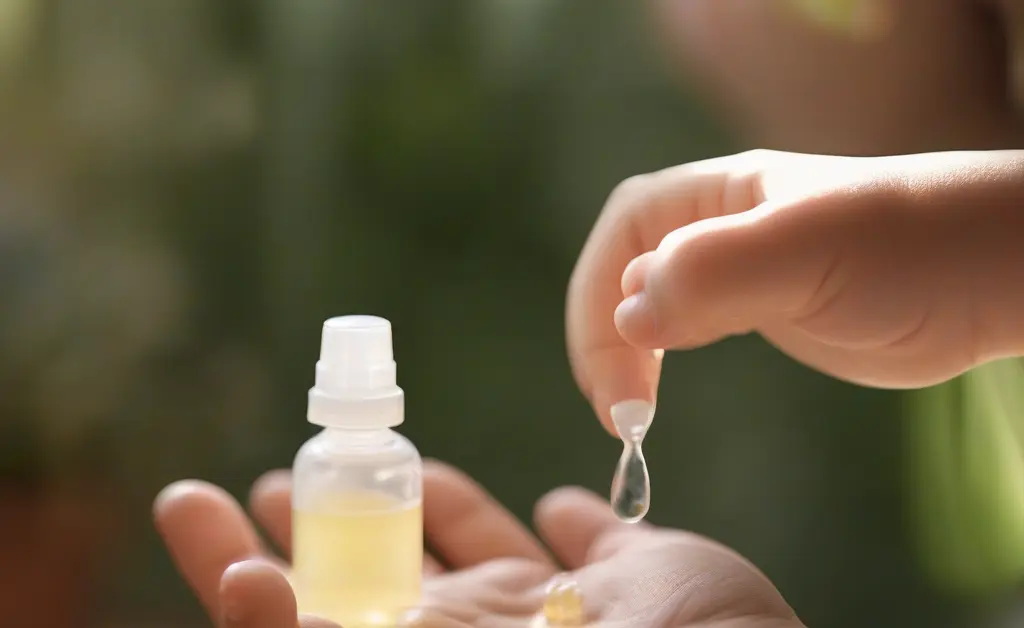
While specific dosage information for turkey tail mushroom in children should always be obtained from a pediatrician or qualified healthcare provider, general guidelines typically suggest starting with a very low amount. Pediatric dosage is often proportional to age and weight, and significantly less than adult recommendations. It’s common practice to begin with the lowest suggested dose and monitor the child for any reactions before making gradual adjustments, if necessary. The aim is to support the child’s body gently, rather than overwhelm it with excessive amounts of the supplement.
Tips for Incorporating into Daily Routines
Integrating turkey tail mushroom into a child’s daily routine can be made easier with creative approaches. For liquid extracts or powders, mixing them into a favorite drink like juice or a smoothie, or stirring them into soft foods such as yogurt or applesauce, can mask the flavor and make consumption more appealing. Consistency is often key for observing any potential benefits, so choosing a time that naturally fits into the child’s day, such as breakfast or an afternoon snack, can help ensure regular intake. Making it a part of a routine can also help children become accustomed to the practice.
Frequency of Use: Daily or as Needed?
The frequency of using turkey tail mushroom for kids depends on individual circumstances and professional guidance. Some parents may choose to incorporate it daily as a general dietary support, while others might use it more strategically during specific times, such as during seasonal changes or when the child’s immune system might need extra support. Discussing the desired frequency with a pediatrician is essential to tailor the approach to the child’s unique needs and health profile. The goal is to provide consistent yet flexible support that aligns with their overall wellness strategy.
Safety, Potential Side Effects, and Pediatrician Consultation

The safety of any supplement, including turkey tail mushroom for kids, is paramount. While turkey tail is generally considered well-tolerated, especially in its pure, high-quality forms, children’s developing systems require extra caution. Understanding potential side effects and interactions, and recognizing the critical role of professional medical advice, are indispensable steps before introducing this natural supplement. Responsible use involves thorough research and open communication with healthcare providers to ensure the child’s well-being. Parents seeking global health guidelines can refer to resources from organizations like the WHO.
Potential Side Effects and Liver Considerations
Although turkey tail mushroom is often regarded as safe, some individuals, including children, could potentially experience mild digestive upset, such as gas or bloating. Allergic reactions, though rare, are also possible. It is important to be vigilant for any unusual changes in a child’s behavior or physical state after administration. Regarding liver considerations, while there is limited research specifically on turkey tail’s impact on children’s livers, any concern about liver health should always prompt immediate consultation with a pediatrician. Choosing certified organic products and adhering to recommended amounts can help minimize risks.
Importance of Pediatrician Consultation
Consulting with a pediatrician or a qualified healthcare provider is the most critical step before giving turkey tail mushroom to children. A pediatrician can assess the child’s overall health history, current medications, and any pre-existing conditions to determine if turkey tail is appropriate. They can also provide personalized guidance on product selection, appropriate amounts, and potential interactions with other supplements or medications. This professional oversight ensures that any decision regarding the use of turkey tail mushroom for kids is made with comprehensive knowledge and the child’s best interest at heart.
Identifying Sensitivities and Interactions
When introducing any new dietary support, it is wise to start with a very small amount and observe the child for any signs of sensitivities or adverse reactions over a few days. Parents should look for symptoms such as skin rashes, digestive issues, changes in breathing, or unusual fatigue. Furthermore, if the child is taking any prescription medications, it is crucial to discuss potential interactions with a pediatrician, as some natural compounds can affect the efficacy or metabolism of certain drugs. Transparency with healthcare providers about all supplements being considered is vital.
Choosing Quality Turkey Tail Products for Kids
The market offers a variety of turkey tail mushroom products, and selecting a high-quality option for children is essential. Look for products that are third-party tested for purity and potency, ensuring they are free from contaminants like heavy metals, pesticides, and unnecessary fillers. Products specifically formulated for children, often in liquid or powder form, are preferable. Checking for certifications such as organic or non-GMO can also indicate a commitment to quality. Prioritizing products made from the whole fruiting body or a combination of fruiting body and mycelium can ensure a broader spectrum of beneficial compounds for immune support for children.
This article is written for general understanding and not for medical decision-making. It aims to provide general information about the topic and should not be considered a substitute for professional medical advice, diagnosis, or treatment. Always seek the advice of a qualified healthcare provider for any questions regarding a medical condition or before making any decisions related to your health or the health of others. Do not disregard professional medical advice or delay in seeking it because of something you have read in this article.
FAQ
— Is turkey tail mushroom safe for children?
Generally, functional mushrooms are evaluated for suitability based on existing research and individual health considerations. While turkey tail is widely consumed by adults, specific data regarding its use in pediatric populations is limited. It is important for parents to consult with a healthcare professional before introducing it to children.
— What are the benefits of turkey tail mushroom for a child’s immune system?
Turkey tail mushroom is known for its rich content of polysaccharides, particularly beta-glucans, which play a significant role in modulating immune responses. These compounds are linked to supporting immune cell activity and overall immune balance, relevant to maintaining a healthy immune system in children as they encounter new environments. The general immune support offered by turkey tail mushroom for kids is often what draws parental interest.
— How much turkey tail mushroom should a child take?
Determining appropriate amounts for children is a specialized consideration that requires personalized guidance. Factors like a child’s age, weight, and individual health status all influence such recommendations. Consulting with a qualified healthcare provider is always the appropriate step for individualized advice.
— What age can children start taking turkey tail mushroom?
There are no universally established age guidelines for introducing functional mushrooms like turkey tail to children due to limited specific pediatric research. This lack of standardized recommendations underscores the importance of discussing any such additions with a pediatrician or healthcare professional familiar with a child’s health history. They can provide tailored advice based on individual circumstances.
— Are there any side effects of turkey tail for kids?
While turkey tail is generally well-tolerated in adults, specific data on side effects in children is scarce. As with any new supplement, there is always a possibility of individual sensitivities or mild digestive upset. Observing a child closely and consulting a healthcare provider if any concerns arise is a prudent approach.
— What forms of turkey tail mushroom are suitable for children?
Turkey tail is typically available in forms such as powders, capsules, or liquid extracts. For children, forms that are easy to consume, like powders that can be mixed into food or drinks, or carefully formulated liquid extracts, are often considered. Always ensure any product is sourced from a reputable supplier, focusing on purity and lack of contaminants.