For centuries, certain natural compounds have been revered for their profound impact on human well-being, with a particular focus on organ health. Among these, the humble turkey tail mushroom stands out as a subject of increasing interest, renowned for its rich profile of bioactive compounds. As we delve into the intricate relationship between functional fungi and vital organs, it becomes clear that the liver, a cornerstone of our body’s detoxification and metabolic processes, could significantly benefit from specific nutritional support. This exploration aims to uncover the potential of turkey tail mushroom for liver health, examining its mechanisms and the scientific insights accumulating around its use. Understanding how this distinctive fungus interacts with the body offers a pathway to appreciating its role in maintaining crucial physiological balance.
Understanding Turkey Tail Mushroom and its Liver Connection
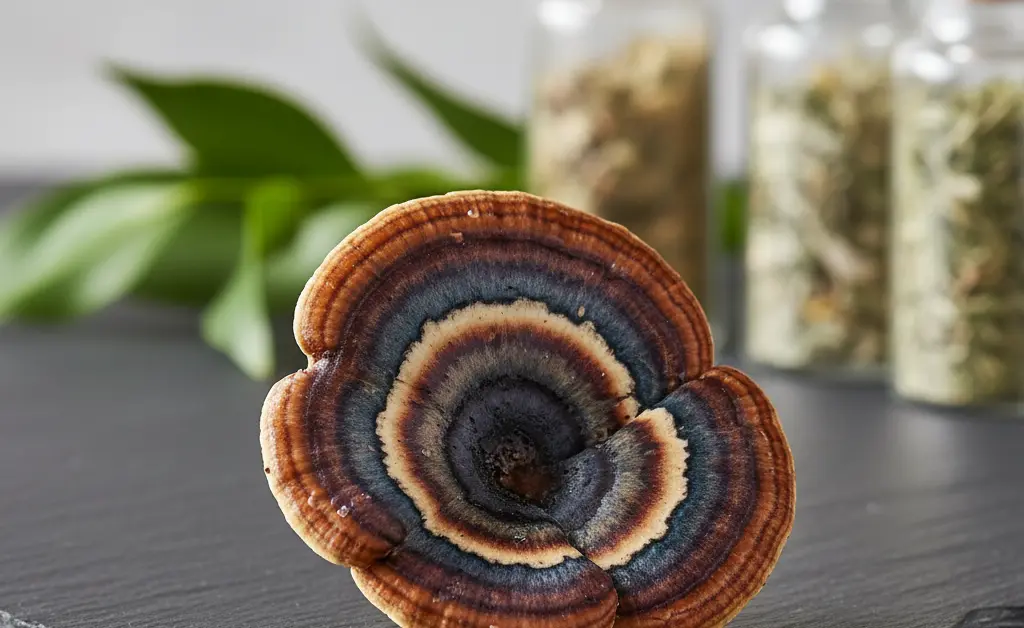
The turkey tail mushroom, scientifically known as Coriolus versicolor or Trametes versicolor, is a fascinating fungus widely recognized for its vibrant, fan-shaped appearance reminiscent of a turkey’s tail. Used for centuries in traditional medicine systems, particularly in Asia, this mushroom is celebrated for its diverse health properties. It contains a rich array of bioactive compounds that have been the subject of extensive scientific investigation. The potential of turkey tail mushroom for liver health has garnered significant attention due to its role in supporting various bodily functions, including immune responses and cellular protection. Its holistic impact on the body suggests a broader benefit, with researchers increasingly focusing on its specific interactions with the liver, a central organ for detoxification and metabolism.
Key Bioactive Compounds Relevant to Liver Health
At the heart of the turkey tail mushroom’s acclaimed properties are its unique bioactive compounds. Polysaccharides, particularly polysaccharide krestin (PSK) and polysaccharopeptide (PSP), are among the most well-studied constituents. These complex carbohydrates are known for their immunomodulating effects and are thought to contribute to cellular protection. Beta-glucans, another class of polysaccharides, are also present and are recognized for their ability to support a healthy immune system. Beyond these, turkey tail contains antioxidants, triterpenes, and other compounds that collectively contribute to its biological activities. These components are believed to interact with various pathways in the body, potentially supporting the liver’s natural functions and helping to maintain its structural integrity against oxidative stress and inflammation. It’s worth noting that some individuals also explore turkey tail mushroom for its potential kidney benefits.
Benefits of Turkey Tail Mushroom for Liver Health

The liver is a vital organ responsible for countless processes, including nutrient metabolism, detoxification, and the production of essential proteins. Maintaining optimal liver health is crucial for overall well-being, and certain natural compounds may offer supportive benefits. The exploration into turkey tail mushroom for liver function underscores its potential to contribute positively to this critical organ. Its complex profile of bioactive compounds suggests multiple pathways through which it may support liver health, ranging from cellular protection to immune system modulation.
Hepatoprotective Effects of Turkey Tail Mushroom
One of the most compelling areas of research involves the potential hepatoprotective effects of turkey tail mushroom. The liver is constantly exposed to various stressors, including toxins, medications, and metabolic byproducts, which can lead to cellular damage. Some studies suggest that the compounds within turkey tail mushroom may help shield liver cells from such damage, thereby supporting the organ’s overall resilience. This protective action is thought to be multi-faceted, involving mechanisms that bolster the liver’s natural defenses and potentially aid in its recovery processes.
Antioxidant Properties for Liver Protection
Oxidative stress is a significant contributor to liver damage and the progression of various liver conditions. It occurs when there is an imbalance between the production of free radicals and the body’s ability to neutralize them with antioxidants. Turkey tail mushroom is known to contain natural antioxidants that can help scavenge these harmful free radicals. By mitigating oxidative stress, these antioxidant properties may play a crucial role in protecting liver cells, maintaining their integrity, and supporting the organ’s ability to function efficiently.
Anti-Inflammatory Effects on Liver Tissue
Chronic inflammation can severely impact liver health, leading to cellular damage and potentially contributing to the development of liver diseases. The bioactive compounds in turkey tail mushroom are studied for their potential anti-inflammatory properties. By helping to modulate inflammatory responses, the mushroom may contribute to reducing inflammation within liver tissue. This reduction in inflammation could support a healthier liver environment, potentially alleviating stress on the organ and promoting its long-term well-being.
Role in Liver Detoxification Pathways
The liver is the primary organ for detoxification, processing and eliminating toxins from the body. Supporting these complex detoxification pathways is essential for maintaining overall health. While specific mechanisms are still under investigation, some research indicates that compounds found in turkey tail mushroom may play a role in supporting the liver’s natural detoxification processes. This could involve enhancing certain enzymes or pathways that facilitate the breakdown and elimination of harmful substances, thereby aiding the liver in its critical cleansing functions.
Immune Modulation in the Context of Liver Health
The immune system and the liver have an intricate relationship; a well-regulated immune response is vital for liver health. Turkey tail mushroom is widely recognized for its immune-modulating properties, attributed primarily to its polysaccharide content. By helping to balance and optimize immune function, it may indirectly support the liver. For instance, a healthy immune system can better address cellular threats and inflammatory challenges that might otherwise burden the liver, contributing to a more robust and resilient organ.
Scientific Evidence of Turkey Tail for Liver Conditions
The growing interest in natural health solutions has spurred extensive research into medicinal mushrooms. For the liver, a vital organ susceptible to various conditions, exploring natural adjuncts is particularly relevant. Scientific inquiry into turkey tail mushroom for liver diseases and overall health is ongoing, with both preclinical and some clinical studies providing insights into its potential. While research is still developing, the initial findings suggest promising avenues for its application in supporting liver well-being.
Research on Fatty Liver Disease
Fatty liver disease, including non-alcoholic fatty liver disease (NAFLD), is a prevalent condition that can progress to more severe liver damage if unaddressed. Researchers have begun to investigate the effects of turkey tail mushroom on models of fatty liver disease. Some studies suggest that certain extracts or compounds from the mushroom may help in managing aspects associated with fatty liver, such as reducing fat accumulation or mitigating inflammation in liver tissue. These early findings warrant further investigation through rigorous clinical trials to fully understand the scope of its benefits. Organizations like the CDC provide valuable information on the prevalence and management of various health conditions.
Potential Benefits for Hepatitis
Hepatitis, characterized by inflammation of the liver, can be caused by viral infections, autoimmune conditions, or other factors. Given turkey tail mushroom’s known immune-modulating and anti-inflammatory properties, its potential role in supporting individuals with hepatitis has been a subject of study. While not a cure, some traditional uses and preliminary research explore its capacity to support the body’s response to viral challenges or to help manage inflammatory markers associated with the condition. It is important to remember that such approaches should only be considered as complementary and under professional medical guidance.
Practical Use and Dosage of Turkey Tail for Liver Support
For those considering turkey tail mushroom for liver support, understanding its practical application is essential. This includes knowing the various forms available and general considerations for its use. As with any natural supplement, factors such as quality, individual health status, and potential interactions must be taken into account to ensure safe and effective integration into a wellness regimen. It is always advisable to approach supplementation with an informed perspective and, ideally, under the guidance of a healthcare professional.
General Dosage Considerations for Liver Support
Determining appropriate usage involves considering several factors. Turkey tail mushroom is available in various forms, including powders, capsules, and liquid extracts, typically derived from the fruiting body or mycelium. The concentration of active compounds can vary significantly between products, depending on the extraction method and the part of the mushroom used. For liver support, the specific amount one might consider can be influenced by individual health needs, the severity of the condition, and the form of the supplement. Many individuals also explore the potential of turkey tail mushroom for brain health, considering its broad health implications. It is crucial to follow the guidelines provided by reputable manufacturers and, most importantly, consult with a healthcare professional to determine the most suitable approach for personal health goals.
Potential Side Effects Affecting the Liver
While turkey tail mushroom is generally considered well-tolerated, some individuals may experience mild side effects. These can include digestive upset such as bloating or dark stools, particularly when first introduced. Although rare, any substance metabolized by the liver has the theoretical potential to impact liver enzymes, especially in sensitive individuals or those with pre-existing liver conditions. If any unexpected symptoms or changes in well-being occur, especially those related to liver function such as jaundice, abdominal pain, or fatigue, it is critical to discontinue use and seek immediate medical attention.
Drug Interactions (especially liver medications)
The bioactive compounds in turkey tail mushroom, particularly those that modulate the immune system or affect metabolic pathways, may interact with certain medications. This is especially pertinent for medications that are metabolized by the liver or those that impact immune function. Individuals taking prescription drugs, particularly immunosuppressants, anticoagulants, or any medications for liver conditions, should exercise caution. Consulting a healthcare provider before incorporating turkey tail mushroom is vital to avoid potential adverse interactions that could diminish drug effectiveness or increase the risk of side effects.
The Unseen Risks of Herbal Supplements on Liver Health
The market for herbal and dietary supplements is vast, and while many products offer genuine benefits, they are not always subject to the same rigorous testing and regulation as pharmaceutical drugs. This can present unseen risks, particularly concerning liver health. Issues such as mislabeling, contamination with heavy metals or pesticides, and the inclusion of undeclared pharmaceutical ingredients or other herbs can pose a threat. Inconsistent potency and a lack of standardized active ingredients are also concerns. For these reasons, choosing high-quality, third-party tested products from reputable sources is paramount, and discussing any supplement use with a healthcare professional is always the safest approach to protect liver health.
It is important to note that this content is not intended as medical advice. The information provided is for educational purposes only and should not be used for diagnosing, treating, or preventing any health condition. Always consult with a qualified healthcare professional before making any decisions related to your health, especially when considering new supplements or changes to your diet or medical treatment plan. Individual responses to supplements can vary, and what is suitable for one person may not be for another.
FAQ
— Is turkey tail good for liver repair?
Turkey tail mushroom contains compounds like polysaccharopeptides, which are recognized for their antioxidant properties. These antioxidants help protect cells from oxidative stress, a process relevant to maintaining healthy liver function rather than directly repairing damage.
— Can turkey tail mushroom help with fatty liver disease?
Research has explored the potential of **turkey tail mushroom for liver** support, particularly in conditions involving metabolic stress. Its compounds are studied for their role in modulating inflammation and supporting cellular health, factors which are relevant to managing aspects of fatty liver.
— What are the liver benefits of turkey tail?
The bioactive compounds in turkey tail, particularly its polysaccharides, are known for their immune-modulating and antioxidant capabilities. These actions are relevant to supporting overall liver vitality and protecting its cells from various stressors.
— How does turkey tail mushroom affect liver enzymes?
Studies have indicated that the protective effects of turkey tail on liver cells, partly due to its antioxidant content, might contribute to maintaining balanced liver enzyme levels. When the liver is under less oxidative stress, its cellular processes, including enzyme production and regulation, tend to function more optimally.
— What is the recommended dosage of turkey tail for liver health?
I cannot provide specific dosage recommendations, as appropriate intake levels depend on numerous individual factors and product formulations vary. Consulting with a qualified healthcare professional is always advisable to determine what might be suitable for your specific needs.
— Are there any side effects of turkey tail for the liver?
Generally, turkey tail mushroom is well-tolerated, with side effects being uncommon and typically mild, such as digestive upset. While significant liver-specific side effects are not widely reported, individual responses can vary, and it’s always prudent to monitor your body’s reactions.