
Just as incorporating fiber-rich foods into one’s diet is a recognized strategy for heart health, there’s growing interest in how specific natural compounds might support cardiovascular well-being. This interest extends to the potential benefits of certain fungi. Many are now exploring mushroom supplements for blood pressure and cholesterol management, recognizing their traditional use in various cultures. These natural adjuncts contain bioactive compounds, such as beta-glucans and triterpenes, which are thought to interact with the body’s systems responsible for lipid metabolism and vascular function. Understanding the science behind these claims and how to safely integrate them into a health regimen is crucial for those considering their use. This article delves into the specific mechanisms and varieties of mushrooms that may offer these supportive effects.
Mushroom Supplements for Blood Pressure and Cholesterol: An Overview
The burgeoning field of nutraceuticals has brought renewed attention to traditional remedies, with mushroom supplements for blood pressure and cholesterol garnering significant interest. These natural compounds are not intended as replacements for conventional medical treatments, but rather as complementary approaches that may support overall cardiovascular health. The potential benefits stem from a rich array of bioactive compounds, including polysaccharides (like beta-glucans), triterpenes, polyphenols, and ergosterols, each contributing to a complex interplay within the body’s systems. Understanding the overall mushroom supplements benefits can guide informed decisions.
Mechanisms of Cholesterol Inhibition
Research into the mechanisms by which certain mushrooms might influence cholesterol levels suggests several pathways, as evidenced by studies available on PubMed. One primary area of focus involves the inhibition of cholesterol synthesis in the liver. Some bioactive compounds found in mushrooms are thought to modulate key enzymes involved in this process. Additionally, these compounds may play a role in reducing the absorption of dietary cholesterol from the gut, thereby impacting the overall lipid profile. This could lead to a reduction in LDL cholesterol, often referred to as “bad” cholesterol, while potentially supporting healthy HDL cholesterol levels and managing triglycerides, all crucial aspects of hyperlipidemia management.
Mechanisms of Blood Pressure Support
For blood pressure support, various mechanisms have been explored. Certain mushroom compounds are believed to possess vasodilatory properties, meaning they may help relax and widen blood vessels, which can contribute to healthier blood pressure levels. This effect can improve circulation and reduce the strain on arteries. Furthermore, some mushrooms exhibit antioxidant and anti-inflammatory properties, which are vital for maintaining vascular health. Chronic inflammation and oxidative stress can contribute to arterial stiffness and dysfunction, factors closely associated with hypertension. By mitigating these issues, mushroom supplements may offer a supportive role in managing blood pressure.
Impact on Cholesterol Synthesis and Absorption
The dual impact on cholesterol synthesis and absorption is a key aspect of how mushroom supplements may influence lipid metabolism. When cholesterol synthesis in the liver is modulated, the body produces less endogenous cholesterol. Simultaneously, compounds that interfere with cholesterol absorption in the digestive tract mean that less dietary cholesterol enters the bloodstream. This comprehensive approach underscores the potential of these natural agents to help maintain balanced cholesterol levels and contribute to overall heart health. The beta-glucans, for example, are soluble fibers that can bind to cholesterol in the gut, facilitating its excretion, while triterpenes may directly influence cholesterol production pathways.
Key Mushroom Varieties for Blood Pressure and Cholesterol Support
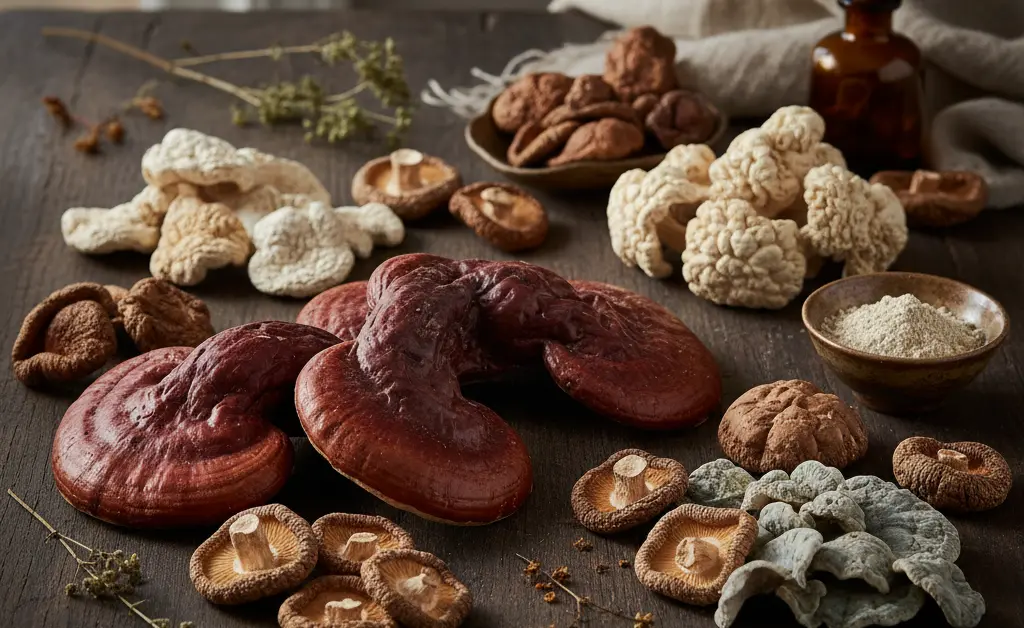
Several specific mushroom varieties have been the subject of traditional use and modern scientific inquiry regarding their potential to act as mushroom supplements for blood pressure and cholesterol. Each offers a unique profile of bioactive compounds that contribute to their studied effects on cardiovascular markers.
Which mushroom supplement lowers cholesterol?
Among the varieties studied for their impact on cholesterol levels, shiitake mushrooms (Lentinula edodes) are frequently highlighted. They contain eritadenine, a compound thought to play a role in supporting healthy cholesterol metabolism, particularly in reducing total cholesterol and LDL cholesterol. Other varieties such as reishi mushrooms (Ganoderma lucidum) and turkey tail mushrooms (Trametes versicolor) are also noted for their potential to influence lipid profiles, often attributed to their rich content of beta-glucans and triterpenes. These compounds may help modulate lipid levels and support a balanced lipid profile, contributing to improved cardiovascular health.
What mushroom supplement lowers blood pressure?
When considering which mushroom supplements may support healthy blood pressure, reishi mushrooms are often at the forefront. Traditionally used in East Asian medicine for their adaptogenic properties, reishi contains triterpenes and ganoderic acids that have been studied for their potential to influence blood pressure regulation. These compounds may help support vascular function and contribute to a healthy circulatory system. Cordyceps mushrooms (Cordyceps sinensis) and chaga mushrooms (Inonotus obliquus) are also explored for their general cardiovascular benefits, including antioxidant effects that may indirectly support blood pressure by reducing oxidative stress and inflammation within the arteries.
Choosing and Using Mushroom Supplements Safely

The decision to incorporate mushroom supplements for blood pressure and cholesterol into one’s health regimen should be approached with careful consideration. Understanding the available forms, general administration principles, potential effects, and the importance of professional guidance is paramount for safe and effective use. Some research also explores mushroom supplements for vagus nerve regulation, which may impact overall well-being.
Forms of Mushroom Supplements (Extracts, Powders, Capsules)
Mushroom supplements are available in various supplemental forms, each with its own characteristics. Extracts, often concentrated liquid or powdered forms, are typically made by extracting the beneficial compounds from the mushroom fruiting body or mycelium. These are highly concentrated and may offer a more potent effect. Powders, on the other hand, usually consist of dried and ground whole mushrooms, offering a broader spectrum of nutrients including fiber, though their concentration of specific bioactive compounds might be lower than extracts. Capsules are a convenient option, providing pre-measured doses of either powdered mushrooms or extracts, simplifying administration. Beyond cardiovascular support, some people also consider mushroom supplements for weight loss management.
Dosage and Administration Guidelines
General guidelines for dosage and administration of mushroom supplements emphasize a personalized approach. Due to variations in product concentration, individual responses, and specific health goals, there is no universal recommendation. It is common for manufacturers to provide suggested serving sizes on their product labels. Adhering to these instructions and beginning with a lower amount to assess tolerance is often recommended. Consistency in administration is also considered important for observing potential long-term effects. It’s also important to understand the distinctions between mushroom supplements vs eating mushrooms for nutritional and therapeutic benefits.
Potential Side Effects and Interactions
While generally considered safe for most individuals, some people may experience potential side effects when taking mushroom supplements. These can include mild digestive upset, skin rashes, or allergic reactions. Furthermore, mushroom supplements may interact with certain medications, such as blood thinners or immunosuppressants. Individuals with existing health conditions, especially those related to blood pressure or high cholesterol, or those taking prescription medications, should exercise caution.
Consulting a Healthcare Professional
Before beginning any new supplement regimen, especially when considering mushroom supplements for blood pressure and cholesterol, consulting a healthcare professional is strongly advised. A doctor or qualified health practitioner can provide personalized guidance based on an individual’s specific health status, medical history, and current medications. This step ensures that the supplements are appropriate and can be integrated safely into an existing health plan, helping to prevent potential adverse effects or interactions.
The exploration of mushroom supplements for blood pressure and cholesterol continues to reveal promising avenues for supporting cardiovascular health. With a rich history in traditional medicine and growing scientific interest, these natural compounds offer a multifaceted approach to maintaining well-being. Individuals considering their use should prioritize informed decisions, understanding the potential benefits alongside the importance of professional medical advice for optimal and safe integration into their health journey.
The content presented here is not a substitute for professional medical guidance. It is intended for informational purposes only and does not offer medical advice, diagnosis, or treatment recommendations. Always consult with a qualified healthcare provider before making any decisions about your health, starting a new supplement, or making changes to your current medical regimen. Individual results with supplements may vary.
FAQ
— Which mushroom supplements are beneficial for high cholesterol?
Reishi and Shiitake mushrooms have been explored for their potential to support healthy cholesterol levels. These functional mushrooms contain compounds like beta-glucans and eritadenine, which are studied for their roles in lipid metabolism and may influence cholesterol synthesis. Research suggests these components could help maintain cholesterol balance within the body.
— Can mushroom supplements effectively lower blood pressure?
Some mushroom supplements for blood pressure and cholesterol are investigated for their properties that may support cardiovascular health. Reishi mushrooms, for instance, are known to contain triterpenes and ganoderic acids which have been studied for their potential vasorelaxant effects and their role in modulating the renin-angiotensin system, contributing to the body’s natural blood pressure regulation. This research explores how these natural compounds interact with the body’s systems relevant to blood pressure.
— Are there any side effects of taking mushroom supplements for blood pressure or cholesterol?
While many functional mushroom supplements are generally well-tolerated, individual responses can vary. Some people might experience mild digestive upset, such as gas or bloating, especially when first introducing them. It is always prudent to discuss any new supplement with a healthcare professional to ensure it is appropriate for your individual health profile.