
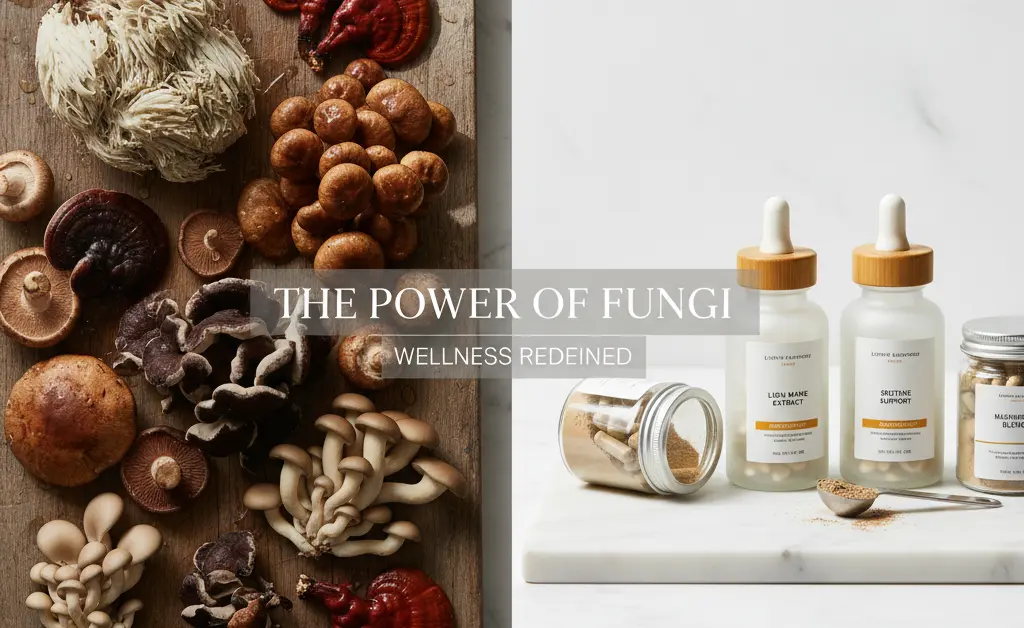
Many wellness enthusiasts aim to harness the potent health benefits of functional mushrooms, yet consistently integrating them into daily cooking can be a challenge. The effort involved in sourcing, preparing, and ensuring adequate intake of various species often leads to frustration, leaving individuals wondering if their efforts are truly yielding optimal results. This common dilemma often prompts a crucial question: is it more effective to consume whole culinary mushrooms, or do concentrated supplement forms offer a more convenient and potent alternative? This article delves into the core distinctions, exploring the efficacy and practicalities of mushroom supplements vs eating mushrooms to help you make informed choices for your health regimen.
Mushroom Supplements vs. Eating Mushrooms: An Overview
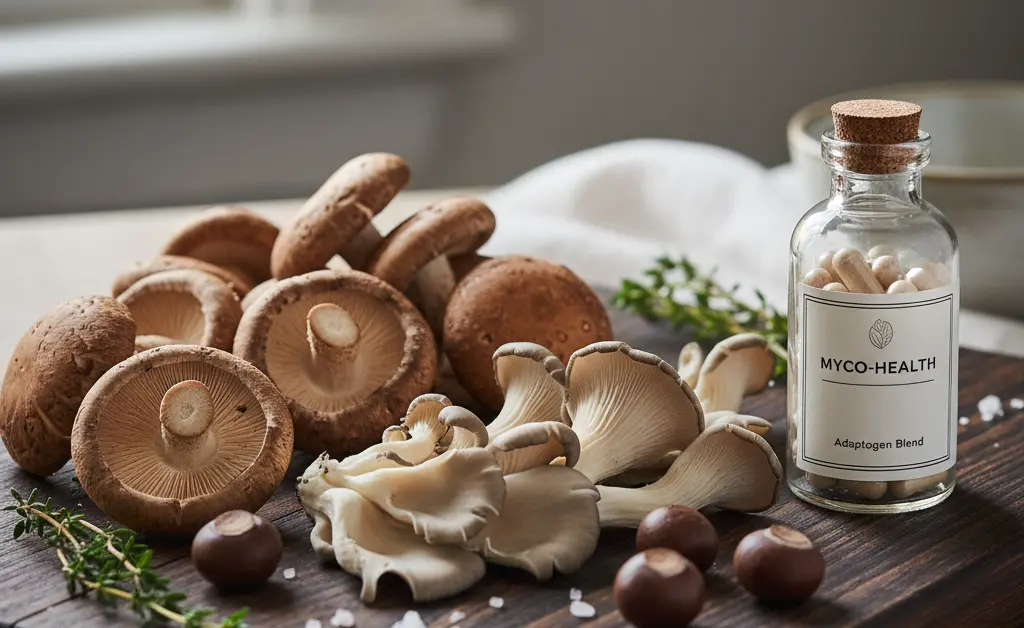
Understanding the fundamental differences between mushroom supplements vs eating mushrooms involves considering several practical aspects, from daily integration to cost and storage. Both approaches offer unique advantages, making the “better” choice highly dependent on individual priorities and health goals. It is also important to consider how mushroom supplements compare to ashwagandha or other adaptogens.
Ease of consumption and consistency
One of the most significant advantages of mushroom supplements, whether in capsules, powders, or tinctures, is their ease of consumption. They offer a straightforward way to incorporate beneficial compounds into a daily routine, promoting consistency. Eating whole mushrooms, while enjoyable, requires regular sourcing, preparation, and culinary creativity to maintain a steady intake, which can be challenging for some.
Convenience and preparation
Mushroom supplements excel in convenience. A daily capsule or a scoop of mushroom powder in a beverage requires minimal effort. In contrast, fresh mushrooms demand time for cleaning, slicing, and cooking, which may not fit into every busy lifestyle. While fresh mushrooms offer culinary versatility and enjoyment, supplements are designed for efficiency.
Cost comparison
The cost comparison between mushroom supplements and eating mushrooms can be complex. While high-quality mushroom extracts or standardized supplements might have a higher upfront cost, they often provide concentrated active compounds in a convenient form. Buying fresh mushrooms regularly can also accumulate in cost, particularly for less common or specialty varieties like Reishi, Lion’s Mane, or Cordyceps. Evaluating the cost per serving and the concentration of beneficial compounds is key.
Extended shelf life
Mushroom supplements typically boast a significantly longer shelf life compared to fresh mushrooms, which are perishable. Even dried whole mushrooms have a shorter longevity than well-packaged supplement forms like capsules or powders, making supplements a practical option for long-term storage and consistent access.
Are mushroom powders as good as whole mushrooms?
Mushroom powders are often made from dried and ground whole mushrooms, retaining much of their dietary fiber and some nutrients. However, their efficacy compared to whole mushrooms or concentrated extracts can vary. While they offer a “whole food” perspective, they might not deliver the same concentration or bioavailability of specific active compounds as mushroom extracts, which undergo processes like hot water extraction or dual extraction to isolate and concentrate beneficial constituents such as beta-glucans and triterpenes.
Factors to consider (e.g., specific health needs, lifestyle, budget)
When deciding between mushroom supplements and whole mushrooms, consider your specific health needs. Are you seeking general wellness support, or are you targeting particular outcomes? Your lifestyle plays a role; busy individuals may gravitate towards the convenience of supplements. Budget also matters, as does your culinary preference for integrating these beneficial fungi into your diet. For instance, some individuals seek mushroom supplements for blood pressure and cholesterol management.
Can you incorporate both into your diet?
Absolutely. Many individuals choose to incorporate both fresh mushrooms into their cooking for their flavor, texture, and broader nutritional value, while also using mushroom supplements for targeted support and consistent intake of specific compounds. This synergistic approach allows for a comprehensive embrace of the benefits functional mushrooms offer.
Key Differences & Benefits: Supplements vs. Eating
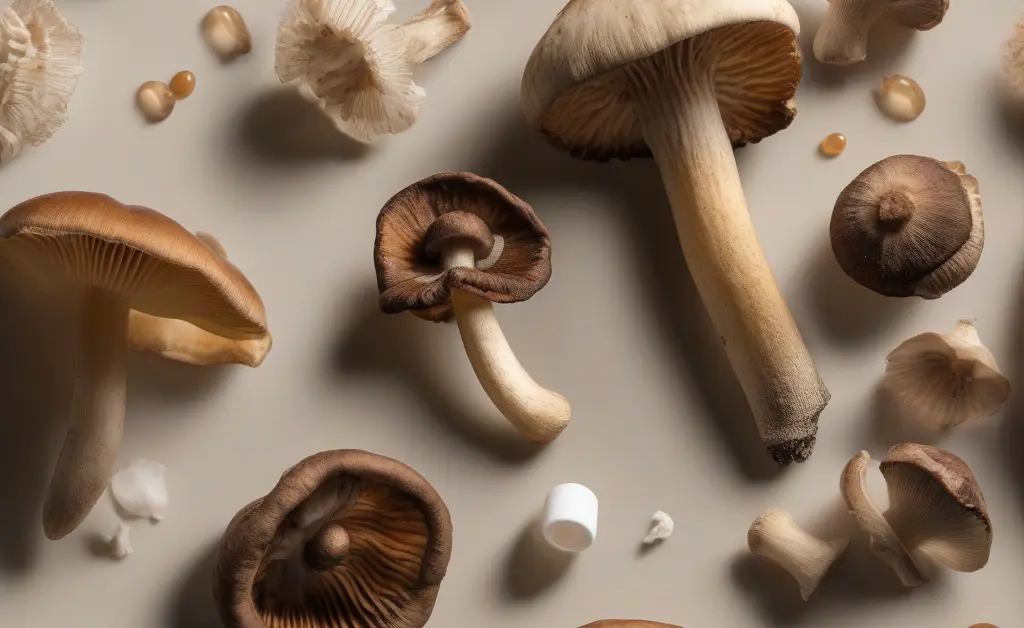
The choice between mushroom supplements vs eating mushrooms often boils down to a deeper understanding of their distinct biological and practical differences, particularly concerning nutrient profiles, concentration, and how the body processes them.
Whole food advantages and dietary fiber
Eating whole mushrooms provides the complete nutritional matrix, including dietary fiber, prebiotics, vitamins, minerals, and enzymes, in their natural synergy. This whole food approach can support gut health and offer a broader spectrum of nutrients that work together, potentially enhancing overall wellness. Fresh mushrooms like Shiitake, Maitake, and Oyster varieties are excellent sources of these comprehensive benefits.
Broader spectrum of nutrients
Beyond targeted active compounds, whole mushrooms offer a diverse array of micronutrients. They contribute B vitamins, selenium, copper, potassium, and antioxidants, along with beneficial polysaccharides. While supplements may focus on specific compounds, the complete profile of whole mushrooms provides a holistic nutritional contribution.
Digestibility of whole mushrooms
The digestibility of whole mushrooms can depend on their preparation. Cooked mushrooms are generally easier to digest than raw mushrooms, as cooking helps break down chitin, a fibrous compound in their cell walls. This improved digestibility allows the body to access the nutrients and beneficial compounds more readily. Some individuals find that the fiber content of whole mushrooms also aids healthy digestion.
Nutrient concentration and bioavailability
Mushroom supplements, particularly extracts (liquid tinctures or powders), are often designed to concentrate specific active compounds. Processes like hot water extraction or dual extraction can significantly increase the concentration of compounds like beta-glucans and triterpenes compared to dried whole mushroom powder. This higher concentration can lead to enhanced bioavailability, meaning the body may absorb and utilize these beneficial compounds more effectively.
Targeted compounds and potency
Supplements often allow for a more targeted approach, providing specific functional mushrooms like Reishi, Lion’s Mane, Cordyceps, Chaga, or Turkey Tail, with standardized levels of their key active compounds. This offers a precise way to harness their particular adaptogenic or immune-modulating properties, potentially leading to higher potency for specific wellness goals than what might be achieved through general consumption of whole mushrooms. Many also explore the potential of mushroom supplements for sleep support.
Dosage and standardization
One of the distinct advantages of mushroom supplements is the ability to achieve consistent dosage. Manufacturers often standardize extracts to ensure a specific percentage of active compounds, such as polysaccharides or triterpenes, is present in each serving. This standardization provides transparency regarding the potency and purity of the product, which can be challenging to achieve with varied whole mushroom consumption, and is often verified by organizations such as the NIH.
FAQ
— Is it better to eat fresh mushrooms or take mushroom supplements?
Eating fresh mushrooms provides dietary fiber and a wide array of nutrients, contributing to overall dietary health. Mushroom supplements, conversely, are designed to deliver concentrated bioactive compounds that might be difficult to obtain in significant amounts from typical culinary portions. The “better” option depends on whether you seek general nutrition or targeted support from specific mushroom constituents.
— Do mushroom supplements offer the same benefits as eating whole mushrooms?
The benefits from mushroom supplements can differ from those gained by eating whole mushrooms, primarily due to concentration. Supplements often provide standardized or highly concentrated amounts of specific compounds like beta-glucans, whereas whole mushrooms offer a broader spectrum of nutrients, fiber, and the synergistic effect of all their natural components. This means the overall experience and intake profile vary between the two forms.
— Are mushroom extracts more effective than consuming raw mushrooms?
Mushroom extracts are generally considered more bioavailable and potent than consuming raw mushrooms, especially for certain compounds. Raw mushrooms contain chitin, a fibrous material that can make their beneficial compounds less accessible for human digestion and absorption. Extraction processes, such as hot water or dual extraction, break down these cell walls, concentrating the desired compounds and making them easier for the body to utilize.
— What are the main differences between mushroom powder and fresh mushrooms?
Fresh mushrooms are largely composed of water, offering a wide array of micronutrients and fiber in their natural, hydrated state. Mushroom powder, on the other hand, is made from dried and ground mushrooms, resulting in a more concentrated form of compounds with a significantly longer shelf life. The drying process removes water, concentrating the other constituents, which changes its culinary and functional applications compared to the fresh form.
— Can I get enough beneficial compounds from eating mushrooms instead of supplements?
Whether you can obtain sufficient beneficial compounds from eating mushrooms instead of supplements largely depends on the specific compounds you’re seeking and the quantity of mushrooms consumed regularly. While eating a variety of mushrooms can certainly contribute to your dietary intake of various beneficial compounds, achieving the concentrated levels studied in research for certain functional benefits might require consuming very large amounts consistently. This brings into focus the discussion around mushroom supplements vs eating mushrooms as each has its place in a wellness routine.







