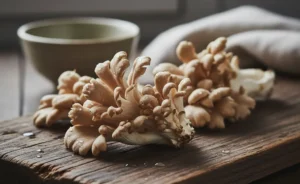
The vagus nerve is a critical component of our autonomic nervous system, playing a pivotal role in regulating numerous bodily functions, from digestion to mood. Optimizing its function is key to achieving a state of balanced well-being, influencing everything from stress response to immune health. Many are now exploring natural avenues to support this vital nerve, recognizing the profound impact it has on overall vitality. As a wellness writer, I’ve observed a growing interest in how ancient remedies can integrate with modern health practices. Among these, the intelligent application of fungi presents a compelling case. This exploration delves into the burgeoning potential of mushroom supplements for vagus nerve regulation, examining how these powerful natural compounds can contribute to a healthier, more resilient nervous system and enhance our physiological harmony.
Mushroom Supplements for Vagus Nerve Regulation: The Connection
The intricate relationship between our diet, gut health, and nervous system is increasingly understood, with the vagus nerve acting as a major communication highway. Emerging research highlights how certain natural compounds, particularly those found in medicinal mushrooms, may influence this pathway. The concept of utilizing mushroom supplements for vagus nerve regulation is rooted in their diverse bioactive compounds, which are studied for their potential to support overall nervous system balance and resilience. This involves their capacity to interact with various physiological systems that, in turn, affect vagal activity, thereby contributing to an improved vagal tone and a more balanced parasympathetic nervous system response.
Overview of Mushroom Influence on Vagal Activity
Mushrooms are rich in compounds like beta-glucans, triterpenes, and other polysaccharides, which are believed to exert effects on the body’s inflammatory responses and immune system. Given the vagus nerve’s role in immune modulation and its close ties to the gut-brain axis, these properties are particularly relevant. Some mushrooms are also recognized for their adaptogenic properties, helping the body to adapt to various stressors and maintain homeostasis. By supporting a balanced stress response and reducing neuroinflammation, these fungi may indirectly foster a healthier environment for optimal vagal function. Their influence on the gut microbiota, acting as prebiotics, is another critical avenue, as a healthy gut microbiome is known to send positive signals via the vagus nerve to the brain, influencing mood, cognitive function, and digestive health.
Specific Mushroom Supplements for Vagus Nerve Support

A variety of medicinal mushrooms have garnered attention for their potential to support neurologic health and overall well-being, making them subjects of interest for those seeking natural ways to influence vagal activity. Among these, Lion’s Mane (Hericium erinaceus) is particularly noted for its neuroprotective qualities and its potential to support nerve regeneration and brain health. Reishi mushroom, often referred to as the “mushroom of immortality,” is valued for its adaptogenic and nerve calming properties, which may contribute to a more balanced stress response and improved mental well-being. Cordyceps, Chaga, and Turkey Tail also offer unique profiles of compounds studied for their immune-modulating and anti-inflammatory effects, all of which indirectly support a healthy nervous system environment. Beyond these, some also investigate the potential of mushroom supplements for liver support. Exploring the benefits of specific mushroom supplements for vagus nerve regulation involves understanding the distinct contributions of each type.
Benefits of Mushroom Blends for Vagal Health
While individual mushrooms offer distinct advantages, combining several types into a mushroom blend can potentially offer synergistic effects. A thoughtfully formulated blend might combine the neurotrophic support of Lion’s Mane, the calming influence of Reishi, and the immune-modulating properties of Turkey Tail or Chaga. This comprehensive approach aims to address multiple facets of vagal health, from supporting the gut microbiome and modulating immune responses to enhancing the body’s ability to manage stress. The idea is that the diverse phytochemicals and compounds from various mushrooms work together, creating a more holistic impact on the nervous system regulation and overall vitality than a single mushroom might achieve alone. Such blends can be a practical way to harness the broad spectrum of mushroom nutrition to foster greater physiological harmony.
Mechanisms and Benefits of Mushroom Supplements for Vagal Tone

The mechanisms by which mushroom supplements may influence vagal tone are multifaceted, primarily revolving around their interaction with the gut-brain axis, immune system, and stress response pathways. Many medicinal mushrooms contain compounds that act as prebiotics, nourishing beneficial gut microbiota. A robust and diverse gut microbiome is crucial for producing neurotransmitters and other compounds that signal directly to the brain via the vagus nerve, promoting a healthy parasympathetic activation. Additionally, many are exploring the specific role of mushroom supplements for gut health. Furthermore, the anti-inflammatory properties of certain mushrooms may reduce systemic inflammation and neuroinflammation, which can otherwise impede optimal vagal pathways and function. By mitigating inflammation, these mushrooms help create a more favorable environment for nerve signaling and overall nervous system balance. The adaptogenic qualities of some mushrooms also contribute by helping the body manage stress more effectively, reducing the sympathetic nervous system’s overdrive and allowing the vagus nerve to better exert its calming influence, thus enhancing mental health, mood support, and the body’s overall stress resilience. This comprehensive approach illustrates how mushroom supplements for vagus nerve regulation can support fundamental physiological processes.
Integrating Mushroom Supplements for Optimal Vagus Nerve Health

Incorporating mushroom products into a daily wellness routine for optimal vagus nerve health should be approached with thoughtfulness and an understanding of individual needs. The growing body of scientific evidence, as compiled by reputable sources like the Cochrane Library, supports the broad benefits of various medicinal mushrooms, from enhancing brain health to supporting immune function, which indirectly contributes to a resilient vagus nerve. To maximize the potential benefits of mushroom supplements for vagus nerve regulation, it is often advisable to consider the quality and source of the supplements, opting for reputable brands that provide transparency about their sourcing and extraction methods. It is also beneficial to understand how mushroom supplements compare to ashwagandha and other adaptogens. Understanding that these are natural compounds, their effects can be subtle and cumulative, often best observed as part of a consistent, holistic approach to health that also includes lifestyle factors like diet, exercise, and stress management.
Recommended Dosage and Usage
When considering any dietary supplement, including mushroom supplements, it is always important to approach usage with a clear understanding of personal needs and product guidelines. For optimal vagus nerve health, it is generally recommended to adhere strictly to the instructions provided by the supplement manufacturer. Individual responses can vary, and what is suitable for one person may not be for another. Consistency in usage, as directed, is often key to experiencing potential benefits. Consulting with a qualified health professional or a practitioner knowledgeable in herbal medicine is always a prudent step before starting any new supplement regimen, especially to ensure it aligns with your specific health goals and current health status.
Potential Interactions and Safety
While mushroom supplements are generally well-tolerated by many, it is essential to be aware of potential interactions and safety considerations. Individuals with pre-existing health conditions or those who are taking other medications should exercise caution. Certain mushroom compounds may interact with specific pharmaceuticals, potentially altering their effects. For instance, some mushrooms might have properties that influence blood clotting or blood sugar levels. Pregnant or nursing individuals, and those undergoing surgery, should also seek professional medical advice before integrating mushroom supplements into their regimen. Always prioritize an open discussion with a healthcare provider to assess any risks, especially when combining supplements or if you experience any adverse reactions. Your health professional can provide personalized guidance to ensure the safe and effective use of mushroom supplements.
FAQ
— How do mushroom supplements affect the vagus nerve?
Mushroom supplements are thought to influence the vagus nerve indirectly through their impact on the gut microbiome and inflammatory pathways. A healthy gut environment, supported by beneficial compounds in mushrooms, is known to communicate with the brain via the vagus nerve, potentially modulating its activity. This interaction can contribute to balanced physiological responses.
— Which specific mushrooms are good for vagus nerve regulation?
Certain mushrooms like Lion’s Mane and Reishi are often highlighted for their potential to support overall neurological and stress response health. Lion’s Mane is studied for its nerve growth factor support, which is relevant to neuronal health, while Reishi is known for its adaptogenic properties that help the body manage stress. These qualities contribute to the discussion around mushroom supplements for vagus nerve regulation, as a balanced stress response and healthy neural pathways are crucial for optimal vagal function.
— Can mushroom supplements improve vagal tone?
Mushroom supplements may support factors that contribute to a healthy vagal tone, rather than directly “improving” it. Their potential to modulate stress responses, reduce inflammation, and foster a balanced gut microbiome are mechanisms linked to enhanced vagal activity. These indirect benefits can help the body maintain a more resilient physiological state.
— What are the benefits of using mushrooms for vagus nerve health?
Supporting vagus nerve health through mushroom use can contribute to several systemic benefits, given the nerve’s broad influence. These may include more balanced mood states, improved digestive comfort, and a more adaptive stress response. Overall, the goal is to promote a greater sense of physiological equilibrium.
— Is there scientific evidence for mushrooms regulating the vagus nerve?
Research into the direct regulation of the vagus nerve by mushrooms is still an evolving field, with current evidence often focusing on indirect pathways. Studies investigate how mushroom compounds can influence the gut-brain axis, immune system modulation, and neuroinflammation, all of which are relevant to vagal nerve function. While direct human trials specifically on vagus nerve regulation are limited, the foundational research is promising.
— How long does it take for mushroom supplements to impact the vagus nerve?
The timeframe for experiencing any potential impact from mushroom supplements on vagus nerve-related functions is highly individual and not immediate. Consistent, regular use over several weeks or months is typically emphasized, as these supplements work by supporting the body’s natural systems over time. Effects can manifest subtly as improvements in overall well-being and physiological balance.