Just as a diverse forest contains a multitude of tree species, each with unique characteristics and ecological roles, the world of fungi similarly boasts an incredible array of forms. Among these, cordyceps stands out as a fascinating genus, known for its parasitic nature and wide distribution across various ecosystems. However, many people often encounter the term “cordyceps” without realizing the extensive biological classification it encompasses. Delving deeper reveals a complex spectrum of organisms, each with distinct features, habitats, and potential applications. This article aims to demystify these varied organisms, providing a comprehensive overview of the different cordyceps mushroom types and their intricate classifications.
Exploring the Diverse Cordyceps Mushroom Types
Cordyceps Species Overview
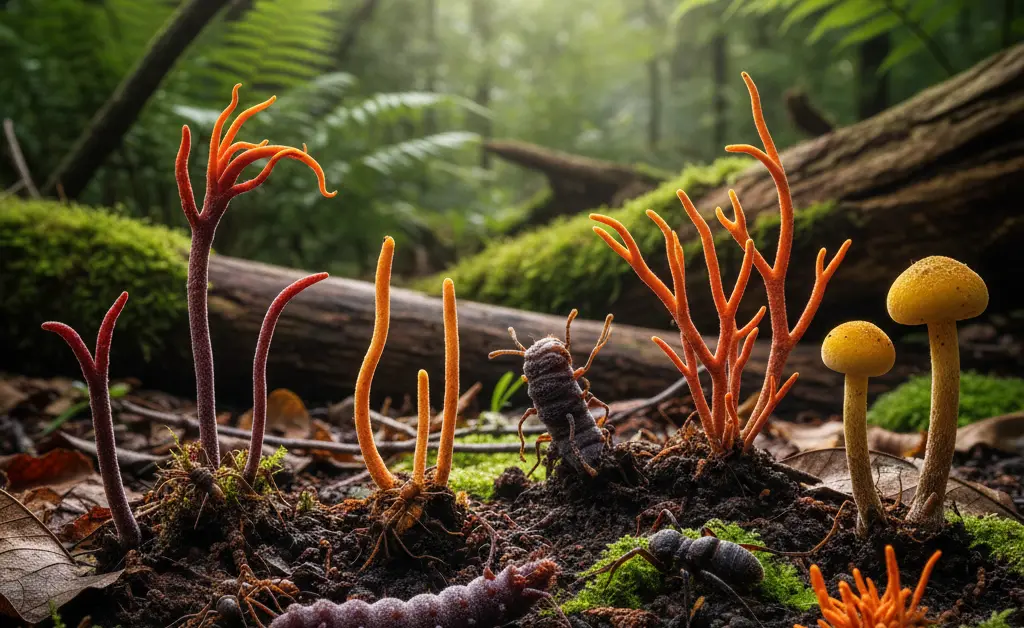
The genus Cordyceps, along with its related genera, represents a remarkable group within the fungal kingdom, primarily known for their entomopathogenic (insect-parasitizing) or mycopathogenic (fungus-parasitizing) lifestyles. These fungi often infect insects and other arthropods, eventually taking over their hosts’ bodies and producing fruiting bodies that emerge from the host. This intricate life cycle is a defining characteristic of many cordyceps mushroom types. The diversity within these species is vast, with many still being discovered and scientifically documented, showcasing unique adaptations to their respective hosts and environments.
How Many Types of Cordyceps Exist?
Estimates suggest that there are several hundred, possibly over 400, known species within the broader group that includes what are commonly referred to as cordyceps. The precise number is fluid due to ongoing mycological research, taxonomic revisions, and the continuous discovery of new species, especially in biodiverse regions like tropical rainforests. Each species typically exhibits specific host preferences and geographical distributions, contributing to the rich diversity of these fungi. This extensive number underscores the complexity when discussing different cordyceps mushroom types.
Regional Cordyceps Varieties
Cordyceps species exhibit significant regional variation, adapting to local climates, hosts, and ecosystems. For instance, some of the most well-known varieties thrive in specific high-altitude regions of the Himalayas and Tibetan Plateau, while others are found in the humid forests of Asia, South America, or even temperate zones. The unique environmental conditions and availability of specific insect hosts in these regions contribute to the distinct characteristics and prevalence of various cordyceps mushroom types. This geographic isolation has led to the evolution of specialized forms, each with unique morphological and biochemical profiles, shedding light on the broader cordyceps mushroom origin.
Understanding Cordyceps Classification and Genera
Genus Cordyceps Explained
The genus Cordyceps traditionally served as a broad classification for a large group of parasitic fungi. These fungi are ascomycetes, meaning they produce spores within a sac-like structure called an ascus. Historically, this genus encompassed numerous species known for infecting insects and producing distinctive, often club-shaped, fruiting bodies. However, recent advancements in molecular phylogeny have led to significant reclassifications, splitting the original Cordyceps genus into several distinct genera. This reevaluation helps to more accurately reflect the evolutionary relationships among the various cordyceps mushroom types.
Taxonomic Hierarchy of Cordyceps
The taxonomy of cordyceps has undergone considerable changes. Originally, many species were simply classified under the genus Cordyceps within the family Cordycipitaceae. Modern genetic analysis, however, has revealed that many species previously grouped under Cordyceps are not as closely related as once thought. Consequently, the family Cordycipitaceae has been re-examined, leading to the creation of new families and genera to better represent their evolutionary lineage. Key genera that emerged from this reclassification include Ophiocordyceps, Elaphocordyceps, and Metacordyceps, among others. This updated classification provides a clearer understanding of the diverse cordyceps genera and their place within the fungal kingdom.
Key Varieties of Cordyceps Mushrooms
Cordyceps Militaris
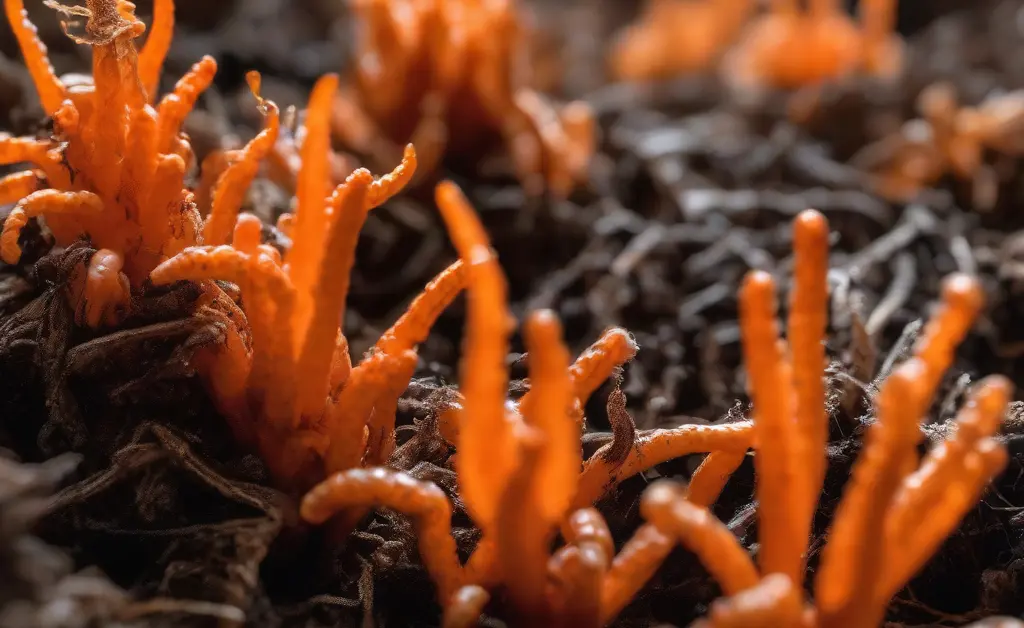
Cordyceps militaris is one of the most widely recognized and cultivated species within the broader cordyceps group. Unlike some other species, C. militaris typically infects lepidopteran (moth and butterfly) pupae and larvae, emerging as vibrant orange to red, club-shaped fruiting bodies. It is often cultivated on artificial substrates, making it more readily available for study and use compared to wild-harvested counterparts. This species has been extensively researched for its potential applications and is a prominent example among the many cordyceps mushroom types due to its accessibility and distinctive appearance. It is important to understand the cordyceps mushroom legal status in different regions due to these varied forms and sources.
The Ophiocordyceps Genus
The genus Ophiocordyceps emerged from the taxonomic reclassification of the broader Cordyceps group. It is a significant genus, housing several well-known species, most notably Ophiocordyceps sinensis. Fungi in this genus are primarily known for their parasitic relationships with insects, particularly ants, cicadas, and lepidopterans. The species within Ophiocordyceps often exhibit distinct morphological features and host specificities, differentiating them from other cordyceps mushroom types. This genus has gained considerable attention due to the unique properties associated with its members.
Ophiocordyceps Sinensis
Ophiocordyceps sinensis, commonly known as “caterpillar fungus,” is perhaps the most famous and historically valued species. This fungus is endemic to the high-altitude regions of the Himalayas and the Tibetan Plateau, where it parasitizes the larvae of ghost moths (genus Thitarodes). The fungus colonizes the caterpillar, eventually mummifying it and growing a dark, slender fruiting body from the head of the dead larva. Its unique growth habit and specific habitat requirements have made it a prized and often rare natural resource, standing out among other cordyceps mushroom types. Regulations such as cordyceps mushroom UK law can impact its collection and trade.
Caterpillar Fungus (Common Name)
The term “caterpillar fungus” is widely used to refer to Ophiocordyceps sinensis, aptly describing its parasitic nature on moth caterpillars. This common name highlights the striking visual of the fungal fruiting body emerging from the mummified larval host. It serves as a simple descriptor for a complex organism, often used in traditional contexts and general discussions to refer to this specific cordyceps variety.
Common Names for Ophiocordyceps Sinensis
Beyond “caterpillar fungus,” Ophiocordyceps sinensis is known by various other names reflecting its cultural and regional significance. These include “Himalayan gold,” “winter worm, summer grass,” and “yartsa gunbu” (Tibetan). These names often allude to its origin, appearance, or the perceived value it holds in traditional practices. Understanding these common names helps in recognizing this particular species when discussing the diverse cordyceps mushroom types in different contexts.
The Elaphocordyceps Genus
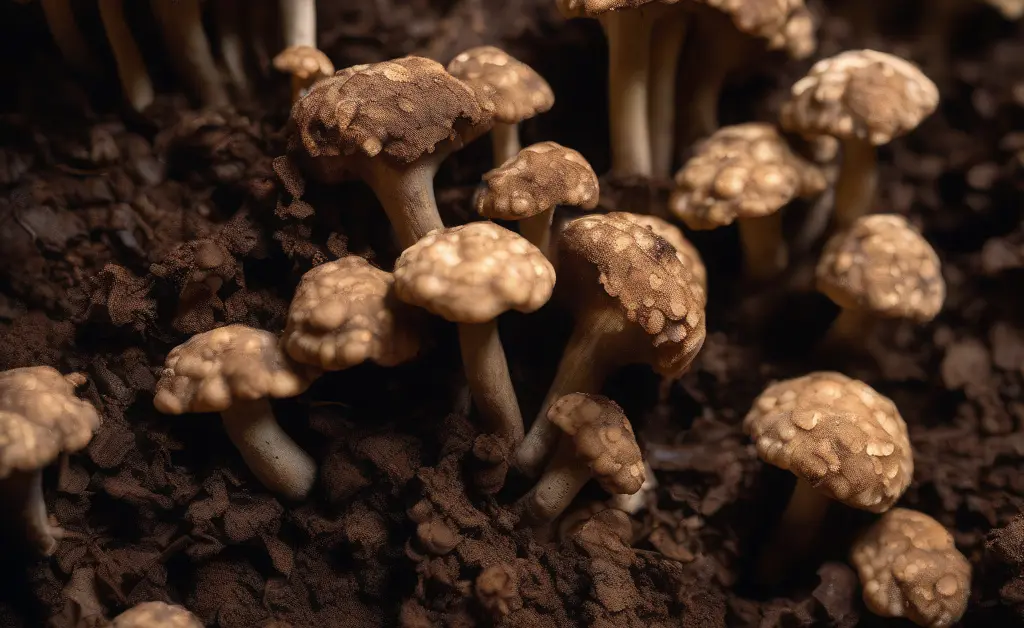
The genus Elaphocordyceps represents another distinct group that was reclassified from the original Cordyceps genus. Fungi in this genus are typically associated with truffle-like false truffles, often parasitizing the fruiting bodies of certain subterranean fungi belonging to the genus Elaphomyces. This makes their life cycle and host preference quite different from the insect-parasitizing cordyceps species. The unique ecological niche of Elaphocordyceps species contributes to the overall diversity of cordyceps mushroom types and highlights the varied parasitic strategies within this fungal group.
The Metacordyceps Genus
The genus Metacordyceps is another significant reclassification, containing species that were previously grouped under Cordyceps. Members of this genus are often associated with various insect hosts, including beetles, caterpillars, and other arthropods. Some Metacordyceps species are also known for their potential to produce various bioactive compounds. Their distinct genetic lineage and specific host interactions provide further insights into the complex evolutionary pathways within the broader Cordyceps family, contributing to our understanding of the many cordyceps mushroom types.
Comparing Different Cordyceps Forms and Potencies
When evaluating the various cordyceps mushroom types, a comparison of their forms and potential potencies often arises. It is also interesting to consider a cordyceps mushroom vs lions mane comparison, given both are popular in mycology. Different species exhibit unique chemical profiles due to their distinct genetics, hosts, and environments. For instance, Ophiocordyceps sinensis, due to its rare natural occurrence and specific compounds, has traditionally been highly valued. Cordyceps militaris, being more amenable to cultivation, offers a more accessible source of similar, though not identical, compounds. Researchers often analyze the presence and concentration of specific active components, such as cordycepin or polysaccharides, to understand the potential differences between these forms. These variations mean that the effects or applications potentially associated with one species may not be identical to another, emphasizing the importance of precise identification when considering various cordyceps mushroom types.
Recent Taxonomic Updates and New Classifications
Mycology is a dynamic field, and the classification of fungi, including cordyceps, is continually refined through advanced molecular techniques. Recent taxonomic updates have significantly reorganized the Cordyceps genus, moving many species into new genera and even families. These changes are based on phylogenetic analyses that provide a more accurate picture of evolutionary relationships. For example, what was once broadly called “cordyceps” is now understood to encompass distinct genera like Ophiocordyceps, Elaphocordyceps, and Metacordyceps. This ongoing evolution of cordyceps taxonomy is crucial for scientists to precisely identify and study different cordyceps mushroom types, ensuring that research and discussions are based on the most current and accurate classifications. Further research and scientific developments can be found through resources like the NIH.
The world of cordyceps fungi is incredibly diverse, encompassing numerous species with unique life cycles, host preferences, and geographical distributions. From the well-known Ophiocordyceps sinensis to the cultivated Cordyceps militaris and the lesser-known species within genera like Elaphocordyceps and Metacordyceps, the variety is immense. Understanding the intricate classification and the distinctions between these many cordyceps mushroom types is essential for appreciating their biological complexity and potential applications.
FAQ
— What are the main types of Cordyceps mushrooms?
When discussing the primary cordyceps mushroom types, *Cordyceps militaris* and *Ophiocordyceps sinensis* are the two species most frequently referenced. *Cordyceps militaris* is often cultivated on grain or insect substrates, while *Ophiocordyceps sinensis* is famously wild-harvested at high altitudes, growing from insect larvae. These two distinct fungi are widely studied for their unique biological compounds and traditional uses.
— How many Cordyceps species exist?
The genus *Cordyceps* is incredibly diverse, encompassing hundreds of known species, with estimates suggesting over 400. Many of these species exhibit unique host specificities, primarily infecting insects and other arthropods, showcasing a vast array of ecological roles. New species continue to be identified, reflecting the extensive biodiversity within this fungal group.
— What is Ophiocordyceps sinensis?
*Ophiocordyceps sinensis* is a highly prized entomopathogenic fungus traditionally found in the high-altitude grasslands of the Himalayan region. It is notable for its unique life cycle, where it parasitizes the larvae of ghost moths, eventually emerging from the mummified insect host. This rare fungus has a long history of use in traditional practices.
— Are Ophiocordyceps, Elaphocordyceps, and Metacordyceps different types of Cordyceps?
Yes, *Ophiocordyceps*, *Elaphocordyceps*, and *Metacordyceps* are now understood to be distinct genera, not merely different types within the *Cordyceps* genus. Modern phylogenetic analyses have led to their reclassification, acknowledging significant genetic and morphological differences among these fascinating fungi. While historically grouped together, scientific understanding has evolved to separate them into these related yet distinct fungal groups.