
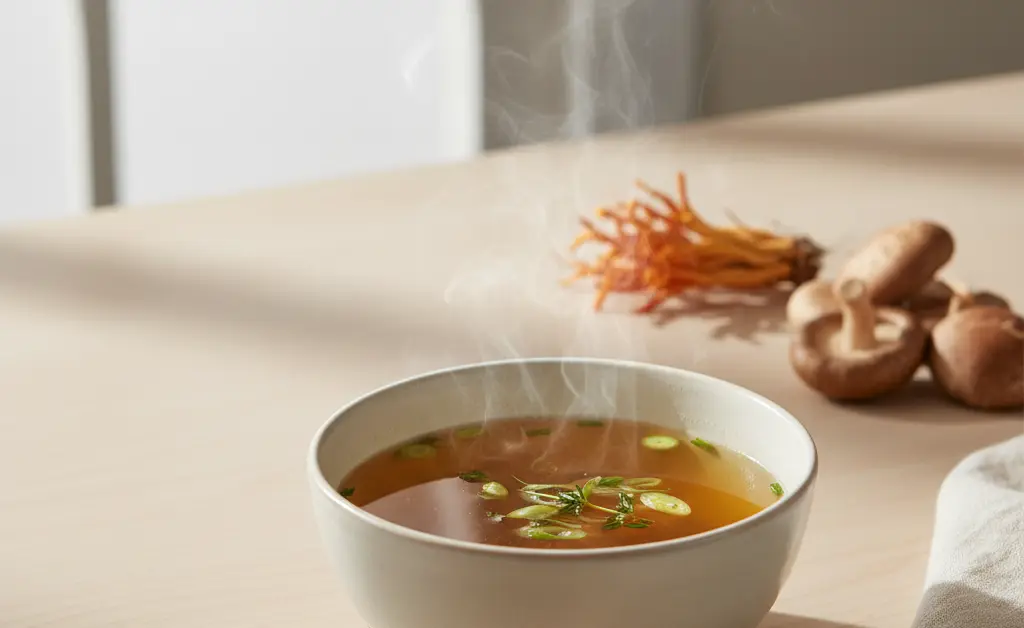
Many people, upon learning about cordyceps’ unique lifecycle—often involving insects—might immediately assume it’s something exotic, unsafe, or even a bizarre ingredient unsuitable for the human diet. This perception, fueled by its unusual origin, often overshadows its long-standing use in traditional practices and and its increasing presence in modern health supplements. Dispelling the notion that its peculiar growth habit translates to danger, we can explore the real question: can humans eat cordyceps? This article delves into the safety, various consumption methods, and potential benefits and risks associated with incorporating this fascinating fungus into your diet, moving beyond initial assumptions to offer a clear, evidence-based perspective on its place in human nutrition.
Is it Safe for Humans to Eat Cordyceps?
A definitive answer to edibility
For centuries, specific species of cordyceps have been highly valued in traditional Asian medicine for their perceived health-supporting properties. Modern research, often documented on platforms like PubMed, and widespread availability of cultivated forms further support the notion that, yes, can humans eat cordyceps, particularly the commonly available species, when sourced and prepared correctly. They are generally recognized as safe for most healthy individuals, given appropriate considerations.
What happens if a human gets cordyceps?
When a human consumes cordyceps, it’s a vastly different scenario than its parasitic interaction with insects. The fungus does not colonize or parasitise human tissues. Instead, the bioactive compounds within the cordyceps are digested and absorbed by the body. These compounds, which include polysaccharides, cordycepin, and various other beneficial molecules, are then able to interact with human physiological systems, potentially contributing to various health effects. The idea that *can humans eat cordyceps* without succumbing to its insect-host mechanisms is a fundamental distinction, ensuring that it is processed like any other food or supplement, releasing its nutritional and bioactive components.
Can you eat cordyceps raw?
While some adventurous eaters might consider consuming certain mushrooms raw, it is generally not recommended for cordyceps. Consuming cordyceps raw may present digestive challenges for some individuals, as the chitin in mushroom cell walls can be difficult for the human digestive system to break down without heat. Cooking or processing, such as through extraction into a powder or liquid, helps to break down these tough cell walls, making the beneficial compounds more bioavailable and easier for the body to absorb. Therefore, for optimal benefit and digestion, cordyceps is typically consumed after some form of preparation.
How to Consume Cordyceps
How can humans eat cordyceps?
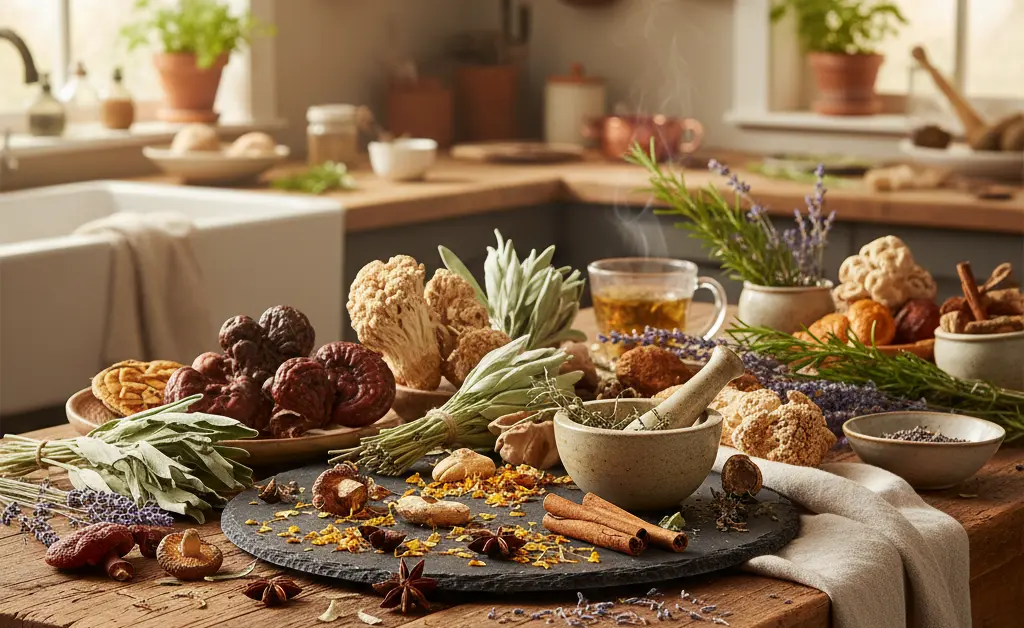
The ways in which humans can consume cordyceps are diverse, ranging from traditional culinary uses to modern supplemental forms. Understanding these methods is key to appreciating how this unique fungus integrates into human diets and wellness routines. Whether you’re interested in incorporating it into meals or taking a concentrated extract, there are several pathways for consumption, addressing the core question: *can humans eat cordyceps* in a practical sense? Many users also seek to understand the benefits of cordyceps mushroom tea as a popular consumption method.
Culinary preparation methods (e.g., cooking, teas, soups)
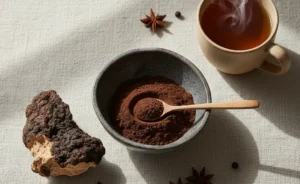
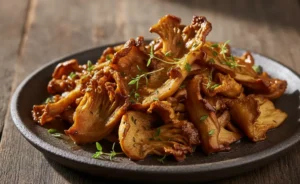
In many cultures, cordyceps has a long history of culinary use. It can be simmered into nourishing broths and soups, often alongside other medicinal herbs and meats, to create a deeply flavorful and health-promoting dish. Dried cordyceps can also be steeped to make a cordyceps mushroom tea, offering a simple way to consume its beneficial compounds. Some people incorporate cordyceps powder into smoothies, coffee, or other beverages. When cooked, cordyceps can add an earthy, slightly savory note to dishes, making it a versatile ingredient for those looking to explore its edible properties beyond supplements.
Cordyceps in supplement form (capsules, powders, extracts)
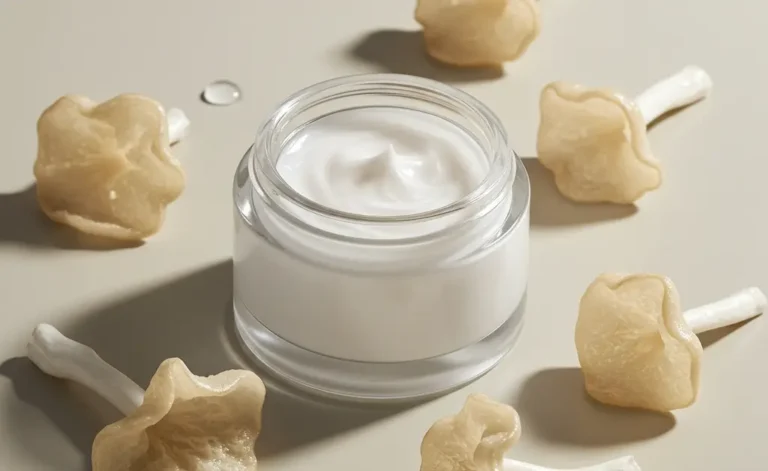
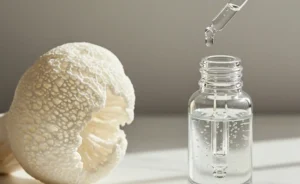
For many people, the most convenient way to consume cordyceps is through dietary supplements. These often come in the form of capsules, making it easy to take a precise amount. Cordyceps powder is another popular option, allowing for flexible integration into various foods and drinks, from protein shakes to oatmeal. Extracts, which are often concentrated liquid or powdered forms, are designed to deliver a higher potency of bioactive compounds. These supplemental forms ensure consistent quality and provide a straightforward answer to the question of how to consume cordyceps regularly.
Recommended dosages and usage
Determining the appropriate intake of cordyceps is important for maximizing potential benefits while minimizing any potential risks. Due to variations in product concentration, individual physiology, and desired outcomes, there is no universal recommendation for everyone. It is advisable to follow the serving suggestions provided on reputable product labels. For personalized guidance, particularly for long-term use or specific health concerns, consulting with a qualified healthcare professional is always recommended. They can offer advice tailored to your individual health profile and needs, ensuring safe and effective integration of cordyceps into your wellness regimen.
cordyceps mushroom taste
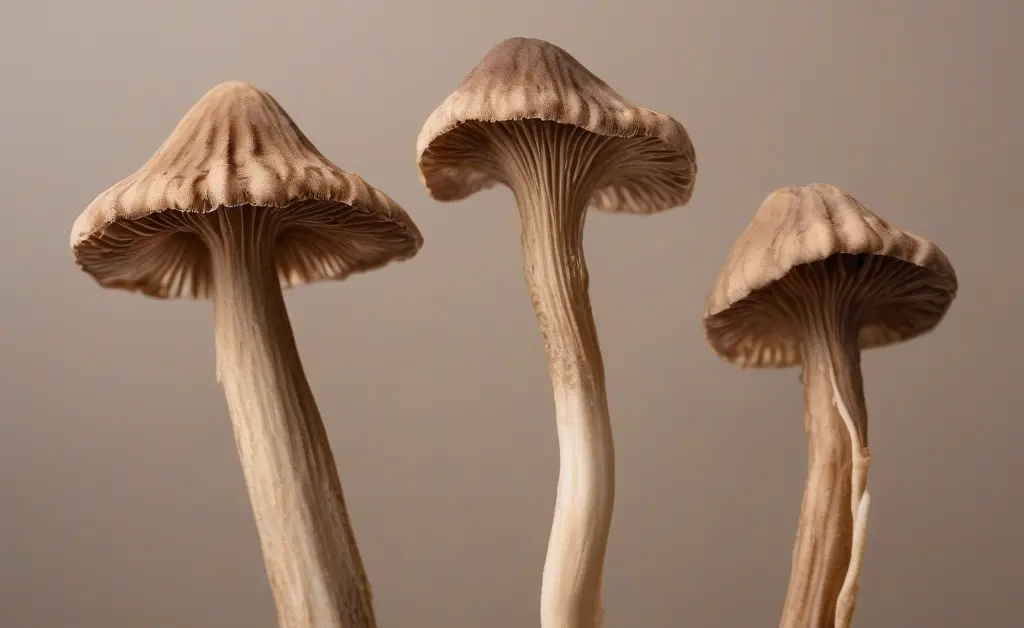
The taste of cordyceps mushrooms can vary depending on the specific species, whether it’s wild or cultivated, and how it is prepared. Generally, cordyceps is described as having a mild, earthy, and slightly savory flavor profile. It’s often subtle, making it easy to incorporate into various dishes without overpowering other ingredients. Some people detect a hint of umami, while others describe a slightly sweet undertone, especially in dried forms or teas. This neutral yet intriguing taste profile contributes to its versatility in both culinary applications and supplemental forms, where it’s often combined with other flavors. This makes the question *can humans eat cordyceps?* less about overcoming an unpleasant taste and more about appreciating its nuanced contribution.
Potential Risks and Side Effects

While cordyceps is generally considered safe for consumption by most healthy adults, it’s important to be aware of potential risks and side effects. Some individuals may experience mild digestive upset, such as diarrhea, constipation, or stomach discomfort, particularly when first introducing cordyceps to their diet or if consuming larger amounts. Allergic reactions, though rare, are also possible, manifesting as skin rashes or other sensitivities. It is always wise to start with a small amount to assess individual tolerance. Although the query *can humans eat cordyceps* is often met with a positive response regarding safety, vigilance regarding personal reactions remains important.
Who should avoid Cordyceps? (Contraindications)
Certain individuals and groups should exercise caution or avoid cordyceps altogether. Pregnant and breastfeeding individuals are generally advised to avoid cordyceps due to a lack of sufficient research on its effects in these populations. People with autoimmune diseases, such as lupus, rheumatoid arthritis, or multiple sclerosis, should also be cautious, as cordyceps may stimulate the immune system, potentially exacerbating their condition. Individuals on blood-thinning medications or those with bleeding disorders should consult a healthcare provider before use, as cordyceps might have anticoagulant effects. Similarly, anyone with an upcoming surgery should discontinue cordyceps use well in advance. Consulting a medical professional is crucial for anyone with pre-existing health conditions or those taking prescription medications.
In conclusion, the answer to the question, “can humans eat cordyceps?” is generally affirmative, with a long history of traditional use and growing scientific interest supporting its edibility and potential benefits. While consuming it raw is not typically recommended, cordyceps can be safely enjoyed through various culinary preparations like teas and soups, or more conveniently, as dietary supplements in capsule, powder, or extract form. It presents a mild, earthy taste profile that integrates well into different diets. However, like any supplement or food, it’s important to be mindful of potential side effects and specific contraindications, especially for pregnant individuals, those with autoimmune conditions, or people on certain medications. Always prioritize safe sourcing and consider professional advice to ensure it aligns with your individual health needs.
The information presented in this article is educational and not meant as professional medical counsel. It is intended for general knowledge and informational purposes only, and does not address individual circumstances. It is not a substitute for professional medical advice, diagnosis, or treatment. Always seek the advice of your physician or other qualified health provider with any questions you may have regarding a medical condition.
FAQ
— Is it safe to consume cordyceps daily?
Many individuals incorporate cordyceps into their daily wellness routines, appreciating its consistent presence. While generally well-tolerated, individual responses to any supplement can vary, so listening to your body is always important. Consistent intake is a common approach for those seeking its potential benefits.
— What are the common ways to take cordyceps?
Cordyceps is most commonly consumed as a powdered extract, which can be easily mixed into beverages like coffee, tea, or smoothies, demonstrating that yes, humans can eat cordyceps. It is also available in capsule form, offering a convenient option for daily intake. Some traditional culinary practices also feature it in broths or soups, showcasing its versatility.
— Can pregnant women eat cordyceps?
The research specifically examining the consumption of cordyceps during pregnancy is currently limited. Due to this lack of extensive data, it is generally recommended that pregnant individuals discuss any supplement use with a healthcare professional to ensure safety for both mother and child. Prioritizing caution in such situations is always advisable.
— How much cordyceps is safe to consume?
Determining an appropriate quantity of cordyceps for individual consumption depends on various factors, including the specific extract concentration and personal needs. Reputable product manufacturers typically provide guidance based on their formulations. For personalized recommendations, consulting a knowledgeable healthcare practitioner is always a prudent step.
— What does cordyceps taste like?
The taste of cordyceps is generally considered earthy and somewhat mild, often described as subtly mushroom-like without being overpowering. When incorporated into foods or drinks, its flavor tends to blend in well, adding a delicate, umami-rich undertone rather than a distinct, strong taste. This makes it quite versatile for various preparations.
— Who should not consume cordyceps?
Individuals on certain medications, such as immunosuppressants or anticoagulants, should exercise caution and consult with their healthcare provider before consuming cordyceps. Additionally, those with autoimmune conditions or bleeding disorders are often advised to seek professional medical advice. Understanding potential interactions is key to responsible supplement use.