As a seasoned advocate for holistic well-being, I’ve seen countless ingredients rise and fall in popularity, but few offer the sustained intrigue and potential benefits of cordyceps. These remarkable fungi, long revered in traditional practices, are now finding their way into modern culinary creations, promising not just unique flavors but also significant contributions to a balanced diet. Crafting a nourishing bowl of cordyceps mushroom soup allows us to harness these ancient wisdoms in a comforting, accessible form. This exploration delves into the nuanced world of incorporating cordyceps into your daily routine, from understanding its core components to mastering various preparations that delight the palate while supporting your health journey. It’s time to elevate your culinary repertoire with this potent natural ingredient.
What is Cordyceps Mushroom Soup?
Cordyceps mushroom soup is a savory and often herbal liquid preparation centered around the unique fungi known as cordyceps. Traditionally valued for their potential wellness properties, cordyceps have been a staple in traditional Chinese medicine and cuisine for centuries. The soup typically involves simmering cordyceps, either whole or in various forms, with a broth base and other ingredients to extract their essence and flavor. It is often celebrated not just for its comforting warmth but also for the traditional belief that it may contribute to overall vitality and well-being. This nourishing soup represents a harmonious blend of culinary tradition and a pursuit of healthy living, offering a unique flavor profile that can be both earthy and subtly sweet, depending on the other components. A well-prepared cordyceps mushroom soup offers a delicious and accessible way to incorporate these revered fungi into a balanced diet.
Cordyceps Mushroom Soup Recipe
Main Soup Components
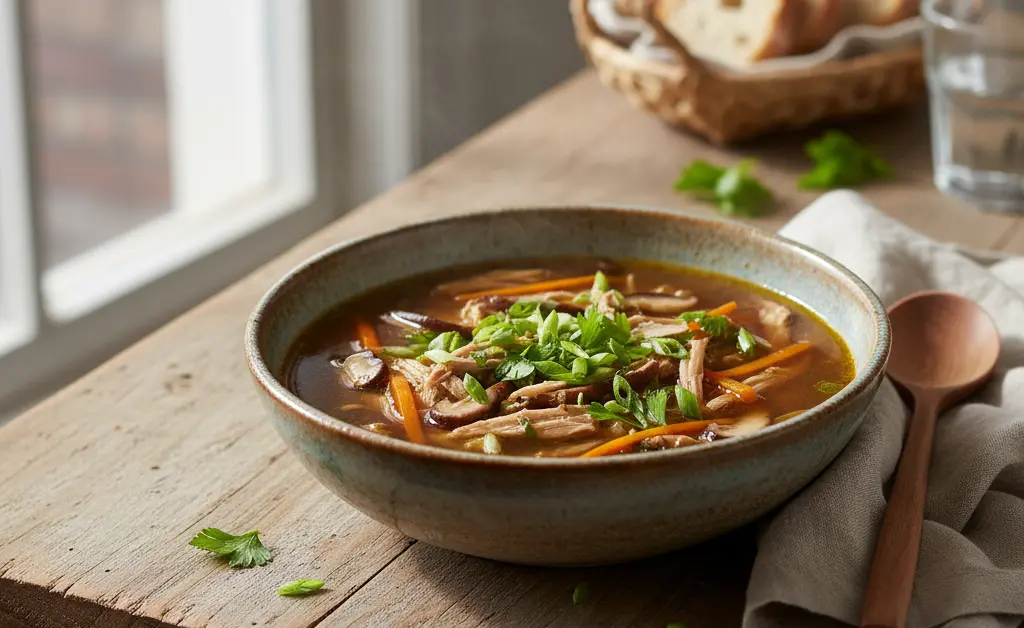
A foundational cordyceps mushroom soup typically begins with a robust broth base, often made from chicken broth or a rich vegetable stock, providing a savory foundation. The star ingredient, dried cordyceps mushrooms, contribute their distinctive flavor and traditional properties. Common additions include lean proteins such as chicken or pork, and an array of vegetables like carrots, ginger, and green onions. Other ingredients like a touch of sesame oil for aroma, a dash of white pepper for subtle spice, and a whisked egg for texture are also frequently incorporated. For those seeking an extra layer of flavor and potential benefits, a pinch of turmeric can add warmth and color. To create your own delicious cordyceps mushroom recipe, consider these main components.
Preparing Your Ingredients
Proper preparation is key to unlocking the full potential of a cordyceps mushroom soup. Begin by rehydrating dried cordyceps mushrooms according to package instructions, which typically involves soaking them in warm water until pliable. While they rehydrate, prepare your other ingredients: finely chop aromatics like ginger and garlic, slice any chosen vegetables, and cut proteins into bite-sized pieces. If using fresh herbs like cilantro, wash and roughly chop them for later garnish. Having all components ready before cooking streamlines the process and ensures an enjoyable culinary experience.
Cooking Instructions
Once your ingredients are prepared, the cooking process for cordyceps mushroom soup typically involves a few key steps. Start by sautéing aromatics in a pot with a little oil until fragrant. Next, add your chosen protein and cook until lightly browned. Pour in the broth base and the rehydrated cordyceps mushrooms, bringing the mixture to a gentle simmer. Allow the soup to cook, ensuring the ingredients meld together and the flavors deepen. The total cooking time can vary, often ranging from a slow simmer to ensure maximum extraction of flavors, to a quicker preparation for a lighter broth. Adjust seasonings as desired before serving.
Health Benefits of Cordyceps Mushroom Soup
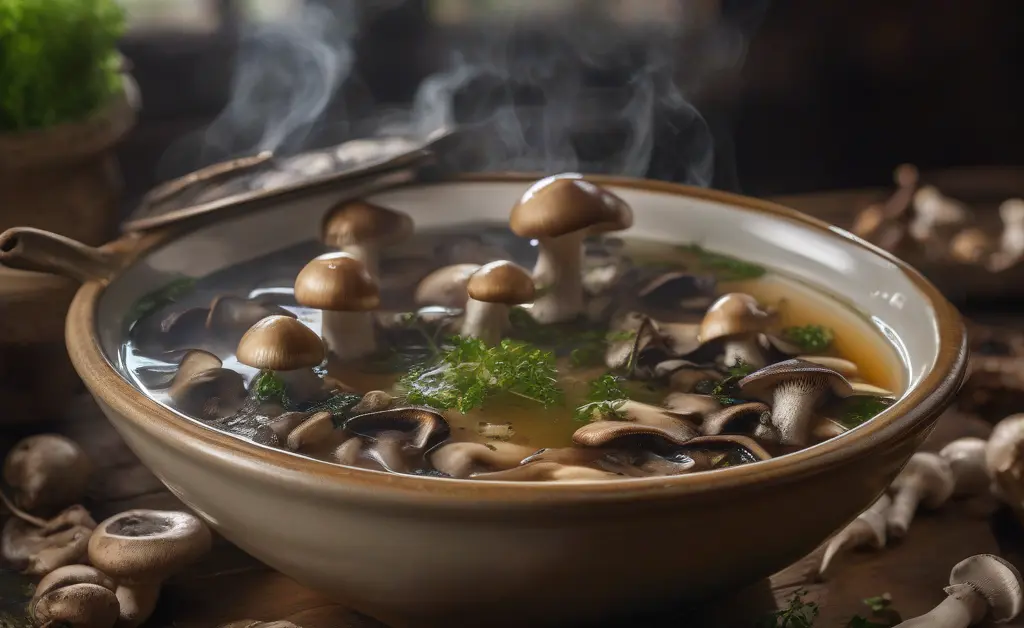
Cordyceps mushroom soup is traditionally associated with various potential health benefits, largely attributed to the fungi themselves. These adaptogenic mushrooms have been studied for their possible roles in supporting energy levels and vitality. They are also traditionally believed to contribute to a balanced immune response, making a warm bowl of cordyceps mushroom soup a comforting choice during seasonal changes or when seeking general wellness support. The compounds within cordyceps are thought to interact with various bodily systems, potentially offering a broad spectrum of supportive effects. As a healthy and nourishing preparation, this soup embodies the integration of medicinal tradition with everyday nutrition, providing a gentle way to incorporate these fungi into one’s diet for potential holistic advantages. Further scientific insights into cordyceps can be found on PubMed.
Popular Cordyceps Soup Recipes and Variations
The versatility of cordyceps allows for numerous delightful soup recipes and variations beyond the basic preparation. One of the most beloved is Cordyceps Chicken Soup, often double-boiled to extract maximum essence, providing a deeply nourishing and comforting dish. Recipes like Cordyceps Flower Soup and Golden Mushroom and Cordyceps Flower Chicken Soup highlight different forms of cordyceps and other fungi, creating diverse textures and flavor profiles. For those seeking plant-based options, Cordycep Mushroom and Lentil Soup offers a hearty and wholesome alternative. Asian-inspired variations often include Cordyceps & Pak Choi Soup or Braised Chicken Soup with Cordyceps & Agaricus, incorporating traditional vegetables and mushrooms. Even more elaborate preparations like Wild Matsutake Morel and Cordyceps Mushrooms Soup showcase the fungi alongside other gourmet ingredients. Each variation of cordyceps mushroom soup offers a unique culinary experience while delivering the traditional benefits associated with cordyceps.
Ingredient Variations and Substitutions
The beauty of cordyceps soup lies in its adaptability. While chicken broth is a popular broth base, vegetable or mushroom broth can create a delightful vegetarian option. Proteins can vary from chicken to lean pork, fish, or even tofu for a plant-forward meal. Beyond common vegetables, consider adding bok choy, corn, or daikon radish for different flavors and textures. For an earthy twist, incorporating other fungi such as shiitake or oyster mushrooms can enhance the depth of the soup. Spices like star anise or goji berries can also be included to align with traditional Chinese flavors, offering a wider range of sensory experiences.
Tips for Serving and Enhancing Cordyceps Soup

Recommended Seasonings and Garnishes
To elevate the flavor and presentation of your cordyceps soup, thoughtful seasonings and garnishes are key. A drizzle of quality sesame oil just before serving can add a nutty aroma. A dash of white pepper provides a subtle warmth without overwhelming the delicate flavors. Freshly chopped cilantro or green onions offer a vibrant, fresh counterpoint. For added richness, a perfectly poached or soft-boiled egg can be placed in each bowl. A sprinkle of crispy fried shallots or garlic chips also provides an appealing textural contrast.
Optimal Serving Suggestions
Cordyceps mushroom soup is best enjoyed warm, allowing its comforting and nourishing qualities to shine. It can serve as a light appetizer or a complete meal, especially when substantial proteins and vegetables are included. For a traditional approach, serve it in individual ceramic bowls, allowing the steam to rise and carry its subtle aromas. Pair it with a simple side of steamed rice or a light salad to complement its rich flavors. The goal is to create a serene and comforting dining experience, highlighting the healthful and savory nature of this beloved preparation. This ensures the full appreciation of a well-crafted cordyceps mushroom soup.
Cordyceps mushroom soup represents a wonderful fusion of traditional wisdom and modern culinary exploration. Whether you are drawn to its potential wellness benefits or simply its unique, earthy flavor, incorporating this nourishing soup into your diet can be a delightful experience. Its versatility allows for endless creative variations, making it a perfect addition to any wholesome meal plan. Embrace the comfort and subtle power of cordyceps mushroom soup as a regular part of your journey toward balanced living.
This article aims to inform, not to replace professional healthcare advice. Information provided should not be considered a substitute for consultation with a qualified healthcare professional. Always consult your doctor or another qualified health provider with any questions you may have regarding a medical condition or before making any decisions related to your health or well-being.
FAQ
— How do you make cordyceps mushroom soup?
Preparing cordyceps soup typically involves gently simmering the mushrooms in a liquid base, allowing their beneficial compounds to infuse. This slow cooking process helps to extract the distinctive notes and properties from the fungi into the broth, creating a nourishing liquid.
— What ingredients are needed for cordyceps soup?
The core ingredients usually include the cordyceps itself and a liquid base such as water or broth. Many preparations also incorporate lean protein, vegetables, and aromatic elements to build a well-rounded and flavorful soup.
— How long does cordyceps mushroom soup take to cook?
A gentle simmer for at least one to two hours is often recommended to ensure optimal extraction of the compounds from the cordyceps. This extended cooking time helps to fully develop the flavor profile and ensures the mushrooms release their unique properties into the broth.
— Can I use dried cordyceps mushrooms in soup?
Absolutely, dried cordyceps mushrooms are commonly used for making cordyceps mushroom soup. Rehydrating them by simmering directly in the broth helps them soften and release their full flavor and beneficial components into the liquid. This method ensures both texture and potency are well-integrated into the final dish.
— What are common seasonings for cordyceps soup?
Many traditional recipes often rely on minimal seasoning to allow the natural flavor of the cordyceps to shine through. A touch of salt, white pepper, and perhaps a subtle splash of sesame oil are frequently used to complement the earthy notes without overpowering them.