


Elevating humble ingredients into culinary delights is a rewarding kitchen endeavor. For many, the wood ear mushroom, with its unique texture and subtle flavor, might seem challenging to integrate. However, with the right approach, it can transform from an unfamiliar item into a versatile staple. This guide aims to demystify the preparation and application of wood ear mushrooms, moving beyond basic techniques to unlock a world of delicious possibilities. We will explore how this fascinating fungus can add a satisfying chew and visual appeal to a variety of dishes, making your cooking more adventurous and your meals more exciting, demonstrating that a great wood ear mushroom recipe is well within reach for any home cook.
Wood Ear Mushroom Recipe Variations
The true beauty of the wood ear mushroom lies in its culinary adaptability. Its mild, slightly earthy flavor allows it to absorb the tastes of sauces and broths, while its distinctive crunchy, gelatinous texture holds up well to various cooking methods. This makes it a fantastic addition to a wide range of dishes across different cuisines, from quick stir-fries to slow-simmered soups and refreshing salads.
wood ear mushroom stir fry
In a stir-fry, wood ear mushrooms contribute a wonderful textural contrast to softer vegetables and tender proteins. After rehydrating and cleaning, they can be sliced into strips and added to the wok along with other ingredients. They cook quickly and readily soak up the flavors of soy sauce, ginger, garlic, and rice vinegar. For a balanced dish, consider pairing them with bell peppers, snow peas, broccoli, and a protein such as chicken, pork, or tofu. The key is to add them towards the end of the cooking process to preserve their signature crisp-chewy bite.
Wood ear mushroom recipe Korean
Wood ear mushrooms are a valued ingredient in Korean cooking, prized for their texture, known as “jjolgit-jjolgit.” They are a classic component in the popular glass noodle stir-fry, where they are sliced thinly and mixed with spinach, carrots, onions, and beef. They also appear in various soups and stews, contributing substance and a satisfying mouthfeel. Additionally, they can be prepared as a simple side dish (banchan) by blanching and dressing them with sesame oil, soy sauce, and minced garlic, offering a delightful and refreshing bite.
Wood ear mushroom recipe chinese

In Chinese cuisine, the wood ear mushroom is a pantry staple, celebrated for its textural qualities and its role in creating balanced dishes. It is rarely the star of the show but serves as an essential supporting actor, adding a pleasant crunch and visual appeal with its dark, frilly appearance. Whether used dried and rehydrated or fresh, its versatility is unmatched. Finding a good wood ear mushroom recipe is a gateway to exploring authentic Chinese home cooking, as it features prominently in everything from classic salads to hearty braises. Common preparations involve pairing it with ingredients that provide strong flavors, which the mushroom readily absorbs. For those who enjoy restaurant-quality dishes at home, exploring a wood ear mushroom din tai fung recipe can be a rewarding culinary adventure.
Wood Ear Mushroom Salad
This classic cold appetizer is a perfect example of how Chinese cuisine balances flavors and textures. The mushrooms are typically blanched briefly to ensure they are clean and have the perfect crisp-tender texture. They are then plunged into an ice bath to halt the cooking process and enhance their crunchiness. The dressing is the key to this dish, usually a vibrant mixture of black vinegar, soy sauce, sesame oil, minced garlic, and sometimes a touch of sugar and chili oil for heat. The salad is often garnished with fresh cilantro and toasted sesame seeds, creating a refreshing, savory, and appetizing start to any meal.
Simple wood ear mushroom recipe
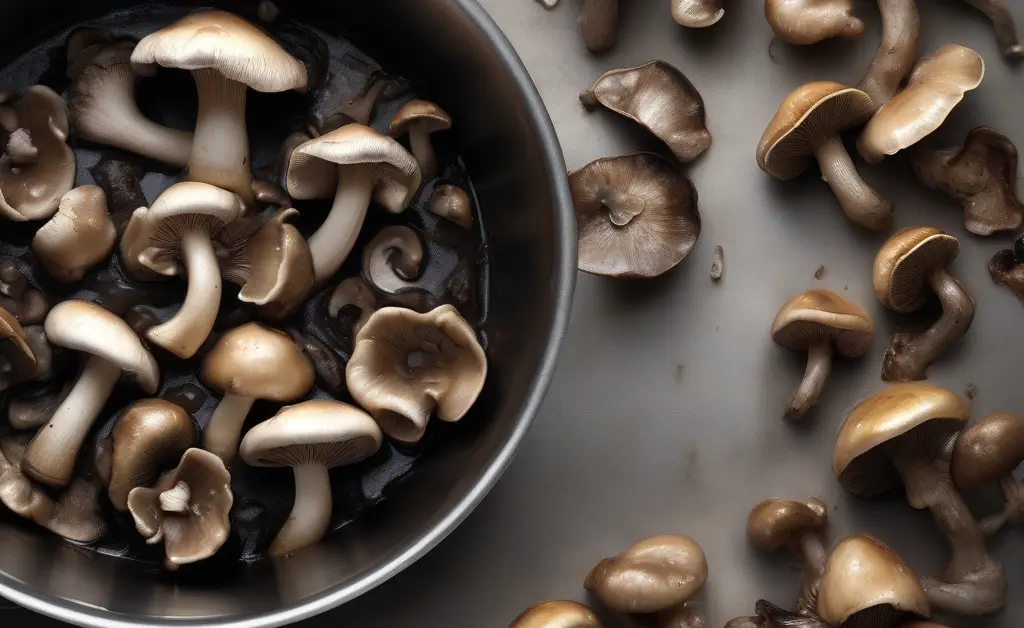
Creating a delicious dish with wood ear mushrooms doesn’t require a long list of ingredients or complex techniques. A simple sauté is one of the best ways to appreciate its unique qualities. This basic method can serve as a foundation that you can easily customize with different seasonings or additions. The focus is on proper preparation of the mushrooms to achieve the ideal texture, followed by a quick cooking process that melds the flavors together.
Ingredients
For a foundational recipe, you will typically need the following components. Specific quantities can be adjusted to your preference.
- Wood ear mushrooms (dried or fresh)
- Aromatic elements like fresh garlic, ginger, or scallions
- A liquid for seasoning, such as soy sauce or tamari
- An acidic component, like rice vinegar or black vinegar
- Cooking oil with a high smoke point
- Optional additions for flavor and texture, such as sesame oil or chili flakes
Instructions
The process begins with preparing the mushrooms. If using dried mushrooms, they must be rehydrated in warm water until they are fully softened and expanded. Afterward, trim any tough, woody parts where they were attached to the growing medium. Clean them thoroughly to remove any grit. Following proper food safety guidelines, such as those provided by EFSA, is crucial when preparing any ingredient. Slice the mushrooms into bite-sized strips. Heat your cooking oil in a pan or wok, and briefly sauté the aromatics until fragrant. Add the prepared mushrooms and stir-fry for a few minutes until they are heated through. Finally, add the liquid seasonings and toss everything together to combine before serving.
Wood ear mushroom recipe vegetarian
Wood ear mushrooms are an excellent ingredient for vegetarian and vegan cooking. Their firm, slightly chewy texture can provide a satisfying quality that is sometimes missing in plant-based dishes. Because their own flavor is very subtle, they act as a brilliant carrier for the sauces and spices used in a dish. This makes them incredibly versatile for building a flavorful and texturally interesting vegetarian wood ear mushroom recipe. They can be incorporated into tofu scrambles, added to vegetable and noodle soups, or mixed into hearty grain bowls. For a complete and flavorful plant-based dish, consider a dedicated wood ear mushroom tofu recipe.
In vegetarian stir-fries, they pair beautifully with firm tofu or tempeh, alongside a colorful array of vegetables. They also add substance to meatless dumpling fillings or spring rolls. For a simple yet elegant preparation, they can be sautéed with garlic and greens like spinach or bok choy, finished with a splash of soy sauce and sesame oil. Their ability to absorb flavor and provide a unique mouthfeel makes them a valuable asset in any vegetarian kitchen.
Fresh wood ear mushroom recipes

While dried wood ear mushrooms are more commonly available, using fresh ones offers a slightly different culinary experience. Fresh wood ear mushrooms have a more delicate, tender texture and do not require the rehydration step, which significantly cuts down on prep time. They can be found in some Asian markets or specialty grocery stores. When preparing fresh mushrooms, simply wipe them clean with a damp cloth and trim off the tough base.
Because of their tenderness, a fresh wood ear mushroom recipe often involves lighter cooking methods. They are fantastic when quickly sautéed with a little garlic, butter, and herbs. They can also be added to soups and broths during the last few minutes of cooking to preserve their delicate crunch. Another excellent use is to blanch them for a minute and toss them into salads, where their unique, almost gelatinous texture can be fully appreciated without being altered by heavy sauces or prolonged heat.
Wood Ear Mushroom Salad Recipe
A well-executed salad is one of the best ways to showcase the singular texture of wood ear mushrooms. For a delightful variation, a wood ear mushroom tofu skin salad recipe offers a unique blend of textures and flavors. The key to success is achieving the perfect crisp-yet-tender bite, which is accomplished by blanching the mushrooms briefly in boiling water and then immediately transferring them to an ice bath. This process, known as shock-chilling, stops the cooking and locks in the crunchy texture. Once prepared, the mushrooms provide a fantastic base for a variety of dressings.
A classic vinaigrette for a wood ear mushroom salad might include rice vinegar, soy sauce, sesame oil, minced garlic, and a hint of sweetness. For a different profile, consider a dressing with lime juice, cilantro, and a touch of chili. The mushrooms’ neutral flavor profile makes them a blank canvas. To build a more substantial salad, you can add other thinly sliced vegetables like cucumber, red onion, and bell peppers. This simple yet elegant wood ear mushroom recipe results in a dish that is refreshing, texturally exciting, and full of flavor.
In conclusion, the wood ear mushroom is a remarkably versatile ingredient that deserves a place in every adventurous cook’s repertoire. From its foundational role in Chinese cuisine to its application in stir-fries, salads, and vegetarian dishes, its unique texture and ability to absorb flavor make it a culinary asset. By understanding the simple preparation techniques, such as rehydrating and blanching, you can unlock a world of delicious possibilities. Whether you are using them fresh or dried, these fascinating fungi offer an easy way to add textural complexity and visual interest to a wide array of meals.
not applicable
FAQ
How do you cook wood ear mushrooms for salad?
Wood ear mushrooms require rehydration before cooking, which is easily done by soaking them in warm water until softened. Once rehydrated, they can be quickly blanched or stir-fried for a minute or two to improve their texture, making them suitable for salads. This brief cooking process helps to remove any residual sliminess and develops their signature crisp-chewy consistency.