“`html
Struggling to get that perfect, savory depth into your wood ear mushrooms? Often, these unique fungi can end up a little bland, missing that exciting burst of flavor that elevates a dish from ordinary to exceptional. The key to unlocking their full potential lies not just in the cooking method, but in the preparation beforehand. A well-crafted marinade is essential for infusing the mushrooms with complementary tastes, ensuring each bite is packed with deliciousness. This guide will walk you through the nuances of creating and using the ideal wood ear mushroom marinade, transforming your culinary creations and impressing your diners.
Wood Ear Mushroom Marinade: A Comprehensive Guide
Understanding the Role of Marinades
Marinades serve a crucial dual purpose when preparing wood ear mushrooms: infusing flavor and enhancing texture. Unlike denser ingredients, the porous and gelatinous nature of wood ear mushrooms makes them exceptionally receptive to liquids. A marinade penetrates the mushroom’s delicate folds, delivering a complex taste that the mushroom itself lacks. Beyond flavor, the acidic components in a marinade can help to lightly “cure” the blanched mushroom, firming up its unique snappy texture and making it even more satisfying to eat. It’s a transformative step that turns a neutral ingredient into the star of the dish.
Flavor Profile of Wood Ear Mushroom Marinade
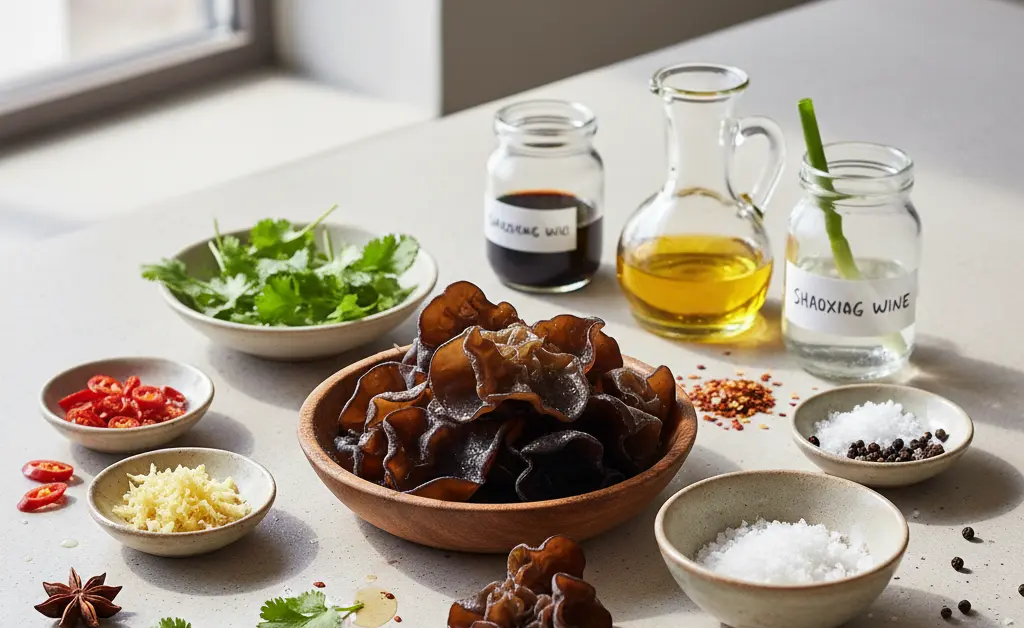
The classic flavor profile of a wood ear mushroom marinade is a harmonious balance of five key elements: savory, tangy, aromatic, sweet, and nutty. Savory notes typically come from soy sauce, which provides a deep umami foundation. Acidity is introduced through vinegars like rice vinegar or black vinegar, cutting through the richness and adding a bright, tangy kick. Aromatics such as minced garlic, grated ginger, and sliced chilies provide pungent, spicy notes that excite the palate. A touch of sweetness from sugar or a liquid sweetener balances the acidity and saltiness, while a final drizzle of toasted sesame oil imparts a rich, nutty aroma and finish. This combination is designed to complement, not overpower, the mushroom’s subtle earthiness.
Mixing the Marinade
Creating a successful marinade is about more than just combining ingredients; it’s about building layers of flavor in the correct sequence. A good practice is to start by dissolving any sweeteners, like sugar, into the liquid components such as soy sauce and vinegar. This ensures the sugar doesn’t remain granular. Next, whisk in the aromatics—minced garlic, ginger, and any chilies. Finally, slowly drizzle in the oil, particularly sesame oil, while whisking continuously. This helps to create a temporary emulsion, ensuring the oil is well-distributed throughout the marinade rather than simply floating on top.
Marinating Time and Temperature
The duration of marination directly impacts the intensity of the flavor. For a lighter, more subtle infusion, a brief marinating period may be sufficient. For a deeper, more pronounced taste, you can allow the mushrooms to marinate for a longer duration. Regardless of the time, for food safety, marination should always occur in the refrigerator. The cool temperature slows bacterial growth while still allowing the flavors to meld and penetrate the mushrooms effectively. It’s best to bring the marinated mushrooms closer to room temperature before serving for the best flavor experience.
Techniques for Even Coating
To ensure every single mushroom is perfectly flavored, an even coating of marinade is essential. The simplest method is to use a bowl that is large enough to allow for easy tossing without spilling. Gently fold the mushrooms into the marinade with a spatula or large spoon. For a more thorough and hands-off approach, you can place the mushrooms and marinade in a resealable plastic bag, press out the excess air, and seal it. This allows you to easily massage the bag and flip it over periodically, guaranteeing complete and even exposure to the marinade.
Customizing Your Marinade
While the classic combination is delicious, a marinade is a canvas for customization. You can adjust the core components to suit your taste.
- Acids: Beyond rice vinegar, consider Chinese black vinegar for a deeper, maltier flavor, or a splash of lime juice for a brighter, citrusy note.
- Savory Elements: For a gluten-free option, tamari is an excellent substitute for soy sauce. A small amount of miso paste can be whisked in to add another layer of complex umami.
- Aromatics: Finely chopped scallions or fresh cilantro stems can be added for fresh, herbal notes. A pinch of Sichuan peppercorn powder can introduce a unique, numbing tingle.
- Sweeteners: Honey or maple syrup can be used instead of sugar, adding their own subtle background flavors.
- Oils: While toasted sesame oil is traditional, you can experiment with chili oil for extra heat or a neutral vegetable oil if you want the other flavors to be more prominent.
Preparing and Using Marinated Wood Ear Mushrooms
Washing and Preparing the Mushrooms
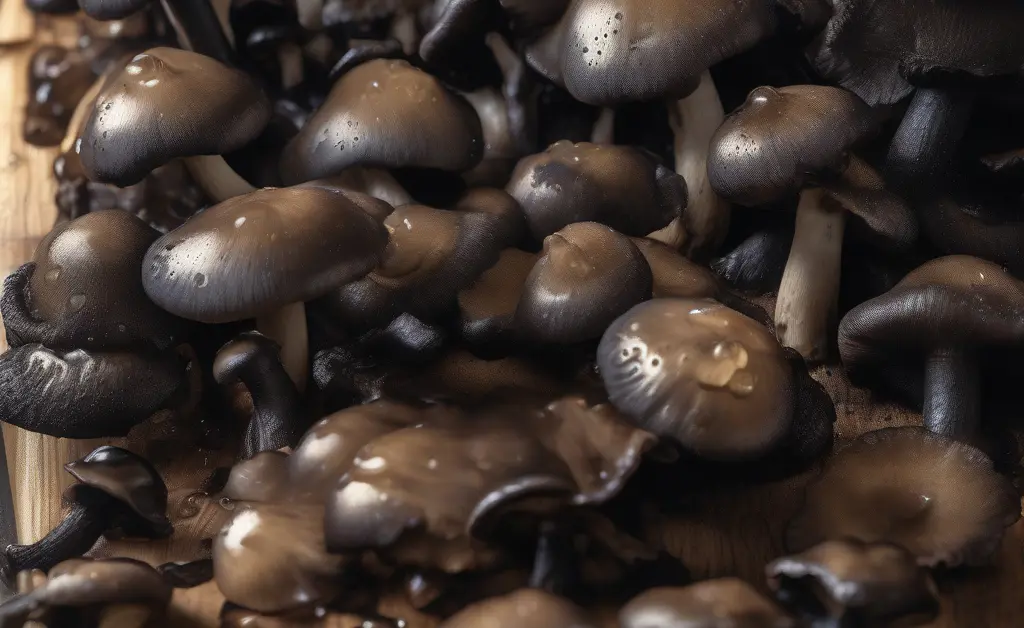
Proper preparation of wood ear mushrooms is fundamental to their final taste and texture. If using dried mushrooms, they must be fully rehydrated in warm water until they are soft and pliable. This can take some time, depending on their size. Once rehydrated (or if starting with fresh mushrooms), it’s crucial to rinse them thoroughly under cold running water, as their crevices can trap grit. After rinsing, inspect each mushroom and trim off the tough, woody knob where it was attached to the wood. This part remains hard even after cooking and is unpleasant to eat. The mushrooms should then be blanched briefly in boiling water before being submerged in an ice bath to stop the cooking process.
Achieving the Right Texture
The coveted texture of wood ear mushrooms is a delightful combination of crunchy, snappy, and slightly gelatinous. This texture is achieved through proper preparation, not the marinade itself. The key steps are rehydration and blanching. It’s important not to over-soak the mushrooms, as they can become waterlogged and lose their characteristic bite. Blanching them for a short period in boiling water cooks them safely and firms up their structure. Immediately shocking them in ice water is a critical step that preserves this crunchiness, preventing them from becoming soft or limp when they sit in the marinade.
Can you eat wood ear mushrooms raw after marinating?
No, wood ear mushrooms should not be eaten raw, even after marinating. The marinating process is for flavoring, not cooking. Raw wood ear mushrooms are tough and can be difficult to digest. For safety and to achieve the best possible texture, they must be cooked before consumption. The standard method is to blanch them in boiling water for a few minutes and then cool them down before adding them to your wood ear mushroom marinade. This brief cooking step ensures they are safe to eat and gives them their signature crisp-tender texture.
Storage and Shelf Life
Once your wood ear mushrooms are marinated, they should be stored in an airtight container in the refrigerator. This keeps them fresh and prevents the aromatic flavors of the marinade from permeating other foods. For the best quality in terms of texture and flavor, marinated wood ears are typically best consumed within a few days. Over time, the acidic components of the marinade will continue to work on the mushrooms, which can eventually alter their delightful crunchiness.
Serving Suggestions for Marinated Wood Ear Mushrooms

As a Salad Component
One of the most popular and traditional ways to serve marinated wood ears is in a cold salad. A classic Wood Ear Mushroom Salad often features the marinated mushrooms as the main ingredient, tossed with other crisp vegetables like thinly sliced cucumber, julienned carrots, and sometimes threads of bell pepper or onion. The dish is frequently garnished with fresh cilantro, toasted sesame seeds, and perhaps some crushed peanuts for added texture. It’s a refreshing, flavorful dish that highlights the mushroom’s unique texture.
As a Side Dish
Marinated wood ears make for an exceptional cold side dish, similar to Korean banchan or Chinese liang cai. Served in a small bowl, they provide a bright, acidic, and textural contrast to richer, heavier main courses. A well-made wood ear mushroom marinade creates a side dish that can cut through the fat of a braised pork belly or refresh the palate between bites of a savory noodle dish. Its intense flavor means a small portion goes a long way in complementing the entire meal.
As an Appetizer
Served on their own, marinated wood ear mushrooms are a fantastic appetizer. Their complex flavor profile—a blend of savory, tangy, and spicy—and intriguing crunchy texture work to stimulate the palate and build anticipation for the meal to come. Presenting them in a small, elegant dish at the beginning of a dinner party is a simple yet sophisticated way to introduce guests to a unique and delicious ingredient.
Pairing with Other Dishes
The versatility of marinated wood ears extends to their use as a component in other dishes. They can be added to noodle bowls, both hot and cold, to provide a burst of flavor and a textural counterpoint to the soft noodles. They are also an excellent topping for simple rice bowls or congee, elevating a humble dish with their savory and tangy notes. When pairing, consider how the flavors of the wood ear mushroom marinade will complement the other elements; it pairs particularly well with other Asian-inspired flavors, grilled meats, and steamed vegetables.
The true beauty of a wood ear mushroom marinade lies in its ability to transform a humble fungus into a culinary delight. By understanding the balance of flavors and the importance of proper preparation, you can unlock the full potential of this unique ingredient. Whether served as a refreshing salad, a zesty side dish, or a flavorful appetizer, marinated wood ear mushrooms offer a unique textural experience and a complex taste that can elevate any meal. Don’t be afraid to experiment with the components of your marinade to create a signature flavor that is all your own.
This content is for informational use and should not be considered medical instruction. The information provided is not intended to be a substitute for professional culinary or dietary advice. Always consult with a qualified professional for any specific dietary questions or concerns. Proper food handling and cooking practices should always be followed for safety.
“`
FAQ
How do you prepare wood ear mushrooms for a marinade?
Wood ear mushrooms require rehydration before they can be used in a marinade. Begin by soaking the dried mushrooms in warm water until they become pliable and expand. Afterward, thoroughly rinse them to remove any residual grit or debris, ensuring they are clean and ready to absorb flavors.
What kind of vinegar is best for wood ear mushroom marinade?
Rice vinegar is often chosen for wood ear mushroom marinades due to its mild acidity and subtle flavor profile. This type of vinegar complements the earthy taste of the mushrooms without overpowering them. Other light vinegars, like white wine vinegar, can also be effective.
How long should wood ear mushrooms marinate?
The ideal marinating time for wood ear mushrooms typically ranges from 30 minutes to a few hours, depending on the desired intensity of flavor. Allowing them to marinate for a shorter period will result in a lighter infusion, while a longer duration will lead to a more deeply penetrated taste.