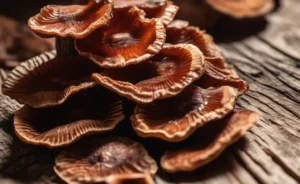


Wood ear mushrooms are a unique ingredient, often found dried and requiring a bit of preparation before they can be used in recipes. Known for their distinct, slightly chewy texture and mild flavor, they readily absorb the tastes of other ingredients, making them a versatile addition to many dishes. This guide will walk you through the essential steps for preparing and cooking these fascinating fungi, ensuring you can confidently incorporate them into your culinary creations. Whether you’re new to cooking with wood ear mushrooms or looking to refine your technique, understanding the basics of how to cook wood ear mushroom is key to unlocking their full potential in your kitchen.
How to Prepare Wood Ear Mushrooms for Cooking
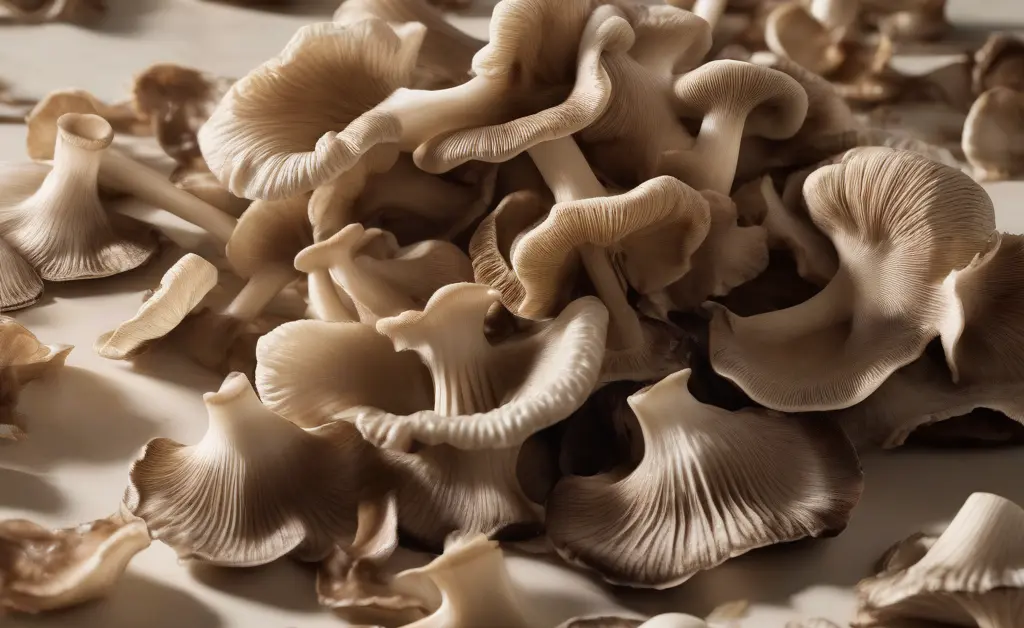
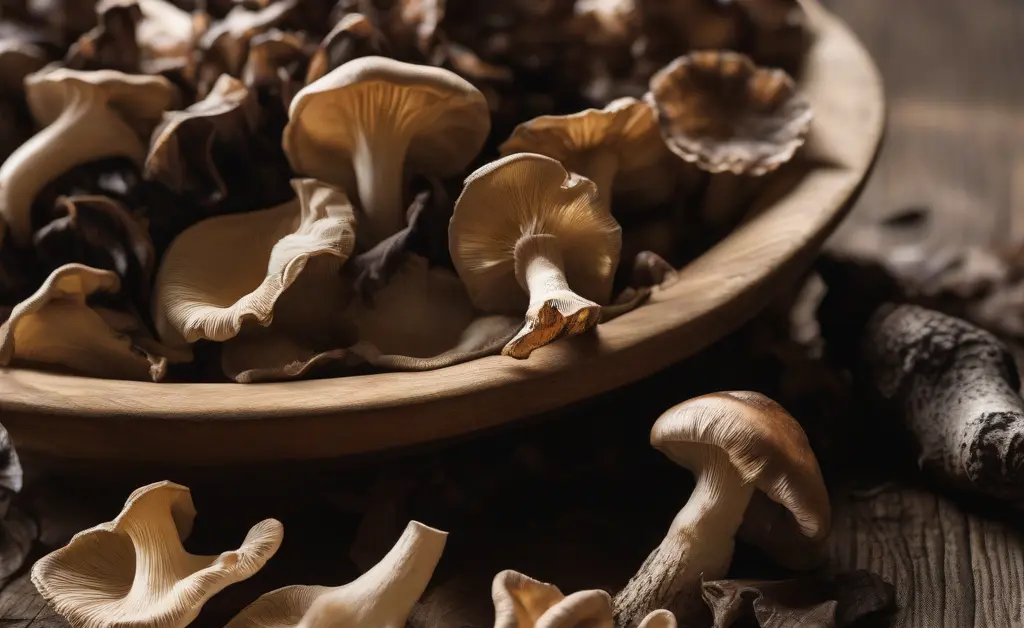
Proper preparation is the most important step in unlocking the delightful texture and culinary potential of wood ear mushrooms. Because they are most commonly sold in a dried, shriveled state, they require rehydration before they can be used in any recipe. This process transforms them from hard, brittle pieces into the soft, gelatinous fungi valued in many Asian cuisines. The preparation method differs slightly between dried and fresh varieties, but both require careful cleaning to ensure a pleasant eating experience. For more scientific information on nutritional aspects of fungi, refer to resources like NIH.
Rehydrating Dried Wood Ear Mushrooms
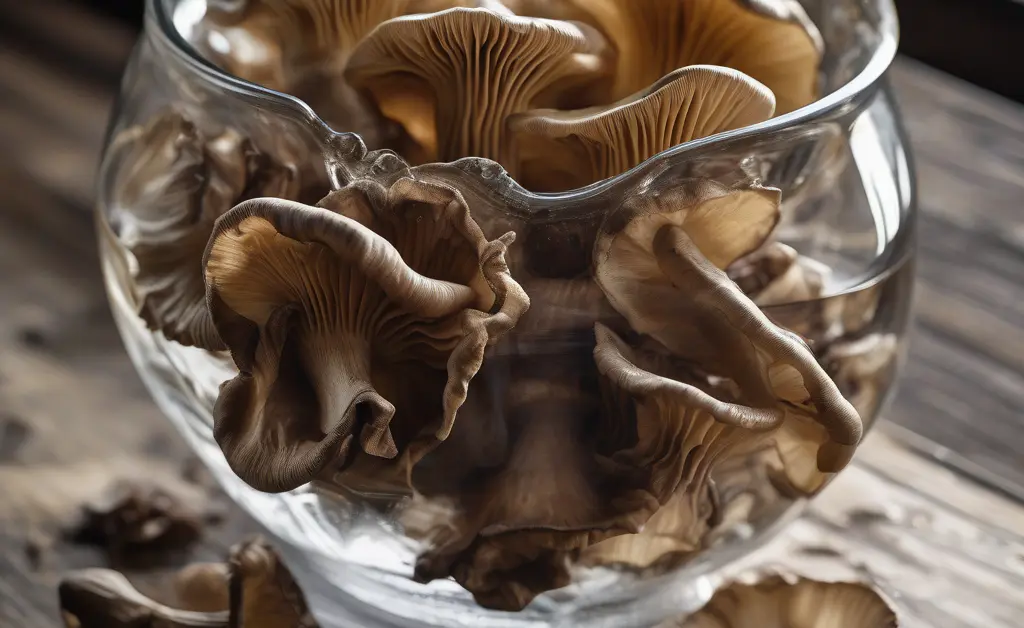
To rehydrate dried wood ear mushrooms, place them in a large bowl and cover them completely with water. Using warm water can speed up the process, causing them to expand and soften more quickly. However, cold water works perfectly well, though it may take longer. You will notice the mushrooms swell significantly, often to several times their original size. Once they are fully pliable and have lost all hardness, they are ready. After soaking, it is important to discard the soaking water, as it may contain debris.
Cleaning and Trimming Wood Ear Mushrooms
Once rehydrated, the mushrooms must be cleaned thoroughly. Rinse them under cool, running water to remove any lingering grit or particles from the drying process. Pay close attention to their many folds and crevices where debris can hide. After rinsing, inspect each mushroom for a small, tough, and woody nub where it was attached to the tree. This part is inedible and should be trimmed off with a small knife. Depending on your recipe, you may use them whole or slice them into thinner, bite-sized strips.
How to cook fresh wood ear mushroom
While less common in stores, you may occasionally find fresh wood ear mushrooms. Their preparation is much simpler as they do not require rehydration. To prepare them, gently wipe any dirt from the surface with a damp cloth or paper towel. Avoid soaking them in water, as they can become waterlogged. Just like their dried counterparts, fresh wood ears have a tough attachment point that should be trimmed away before cooking. Their texture is often slightly more delicate than rehydrated mushrooms, but they can be used in all the same applications. Cooking is always recommended, and you might wonder can you eat raw wood ear mushroom, but cooking helps ensure proper texture and safety. This simple approach is a key part of understanding how to cook wood ear mushroom when you find it fresh.
Common Cooking Methods for Wood Ear Mushrooms
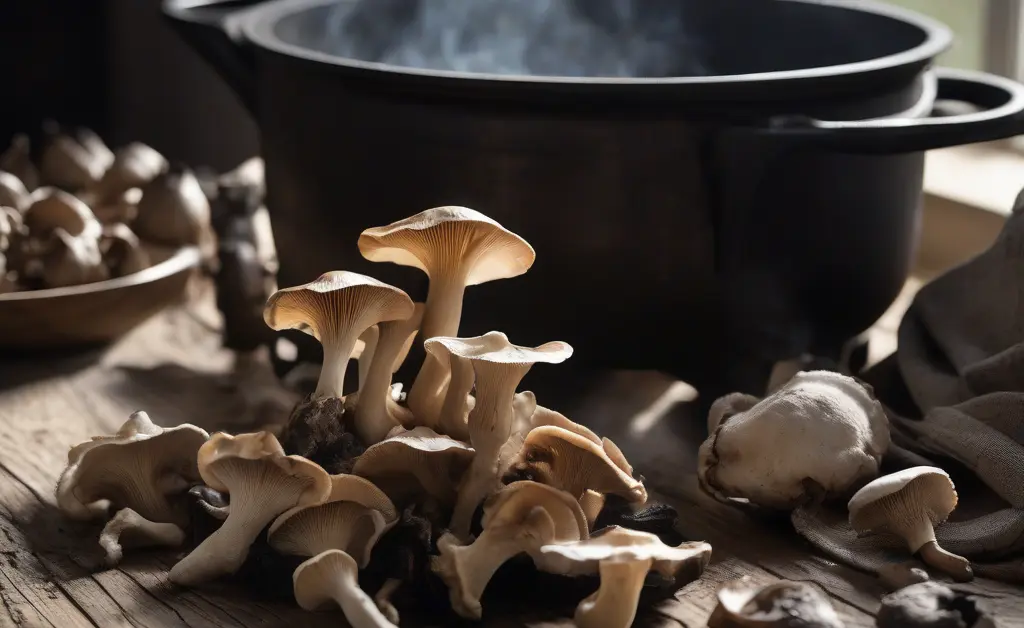
Wood ear mushrooms are prized for their unique, springy texture rather than their flavor, which is quite mild. This makes them incredibly versatile, as they readily absorb the tastes of broths, sauces, and other ingredients they are cooked with. Their ability to hold up to various cooking methods without becoming mushy is one of their greatest culinary strengths. From quick stir-fries to long-simmering soups, there is a method suited for almost any dish. Exploring different techniques is the best way to discover your favorite way for how to cook wood ear mushroom.
Steaming Wood Ear Mushrooms
Steaming is a gentle cooking method that preserves the mushroom’s signature crunchy-chewy texture. To steam them, place cleaned and trimmed wood ears in a steamer basket over a pot of boiling water. They cook very quickly, usually becoming tender in just a few minutes. Steamed wood ear mushrooms are excellent for use in cold salads, often dressed with a simple vinaigrette of soy sauce, vinegar, and sesame oil.
Sautéing Wood Ear Mushrooms
Sautéing in a hot pan with a little oil brings out a satisfying texture in wood ear mushrooms. This method is quick and allows for the easy addition of aromatics like garlic, ginger, or scallions. When sautéed, the mushrooms remain pleasantly chewy and can take on a slight crispness around the edges. This method works well for simple side dishes or as a component in a larger medley of sautéed vegetables. A wood ear mushroom marinade can further enhance their flavor before cooking.
Boiling/Simmering Wood Ear Mushrooms
Boiling or simmering is an ideal method for incorporating wood ear mushrooms into soups, stews, and hot pots. When simmered in a flavorful broth, they act like sponges, soaking up the surrounding flavors while contributing a wonderful textural contrast. Unlike many other mushrooms, wood ears maintain their distinct, slightly crunchy texture even after being cooked in liquid for an extended period, making them a reliable ingredient for slow-cooked dishes.
Stir-Frying Wood Ear Mushrooms
Stir-frying is perhaps the most classic application for wood ear mushrooms. Their ability to withstand high heat and cook quickly makes them a perfect fit for a hot wok. When stir-frying, it is best to add the prepared mushrooms towards the end of the cooking process, as they only need a minute or two to heat through and absorb the sauce. They add a delightful crunch that complements softer ingredients in the dish.
Wood ear mushroom stir fry
A wood ear mushroom stir-fry is a popular dish that showcases the mushroom’s textural qualities. They are frequently paired with a variety of colorful vegetables like bell peppers, carrots, snow peas, and bamboo shoots. Protein such as chicken, pork, or tofu is also a common addition. The sauce is typically savory, often made with a base of soy sauce, oyster sauce, and a touch of sesame oil, which coats the mushrooms and other ingredients beautifully.
Wood ear mushroom cooking time
The cooking time for wood ear mushrooms is generally very short. Because they are primarily added for texture, the main goal is simply to heat them through and allow them to absorb the flavors of the dish. Whether sautéing, stir-frying, or steaming, a few minutes is usually sufficient. In soups and stews, they can be simmered for longer without losing their characteristic bite. Overcooking is rarely an issue in terms of texture degradation, but their best quality is maintained with shorter cooking times in high-heat methods.
How to cook wood ear mushroom for ramen
Wood ear mushrooms are a classic topping for ramen, where they are known as kikurage. To prepare them for ramen, the rehydrated and cleaned mushrooms are typically sliced into very thin, julienned strips. These strips are often quickly blanched or simmered in a seasoned liquid before being added to the finished bowl of ramen. Their chewy, noodle-like texture provides a fantastic contrast to the soft noodles, rich broth, and other toppings.
Understanding how to prepare and cook wood ear mushrooms opens up a world of textural possibilities in the kitchen. Their mild flavor makes them a versatile team player, ready to absorb the character of any dish they join. From the simple step of rehydration to their quick cooking time in stir-fries, soups, and salads, these fungi are remarkably easy to work with. By embracing their unique springy and crunchy consistency, you can add a new and exciting dimension to your favorite recipes.
This article is written for general understanding and not for medical decision-making. The information provided is intended for culinary purposes and should not be considered a substitute for professional nutritional or health advice. Always consult with a qualified healthcare provider or registered dietitian for any health-related questions or concerns. The consumption of any food should be based on personal dietary needs and preferences.
FAQ
How do you rehydrate dried wood ear mushrooms?
Dried wood ear mushrooms require rehydration before use, typically by soaking them in warm water for about 20 to 30 minutes until they become soft and pliable. After soaking, they are often rinsed thoroughly to remove any grit or debris. This process restores their natural texture and makes them ready for culinary applications.
What is the texture of wood ear mushrooms when cooked?
When cooked, wood ear mushrooms offer a distinctive textural experience, often described as slightly crunchy or chewy with a subtle, gelatinous quality. This unique mouthfeel provides a pleasant contrast in dishes, absorbing flavors well while retaining its structure.
How long do wood ear mushrooms take to cook?
The cooking time for wood ear mushrooms is generally quite brief due to their rehydrated state and relatively thin structure. They typically require only a few minutes of simmering or stir-frying to become tender and absorb the flavors of the dish they are in. Knowing how to cook wood ear mushroom properly ensures they are perfectly prepared.