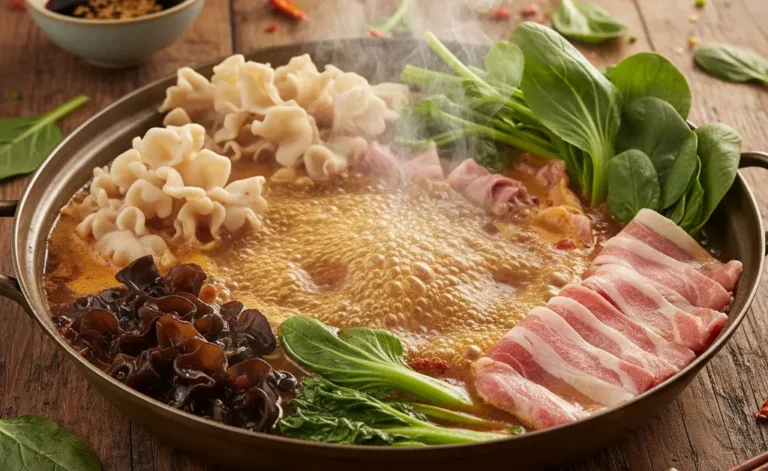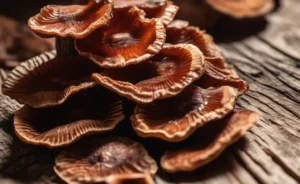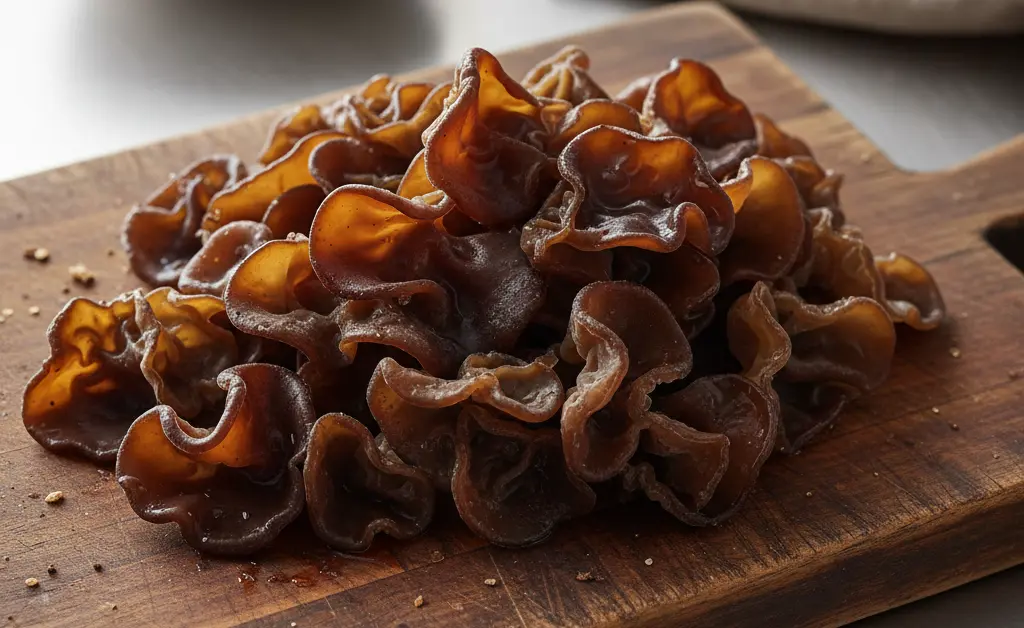
Just as you might check the freshness of produce before cooking, it’s essential to be mindful of the potential for unwelcome microscopic inhabitants on edible items. Wood ear mushrooms, prized for their unique texture in various cuisines, are no different. While generally safe when properly sourced and prepared, they can, like many raw foods, harbor bacteria. Understanding the nature of wood ear mushroom bacteria and the best practices for handling these fungi is crucial for ensuring your culinary creations are both delicious and safe to consume. This guide provides essential information for home cooks and food enthusiasts looking to enjoy wood ear mushrooms with confidence.
Understanding Wood Ear Mushroom Bacteria
Wood ear mushrooms, like all plants and fungi grown in natural environments, exist in a world teeming with microorganisms. Bacteria are a natural part of this ecosystem. When these mushrooms are harvested, transported, and stored, they carry these microorganisms with them. The concern is not the mere presence of bacteria, but the potential for harmful types to multiply to levels that could pose a health risk if the mushrooms are not handled and cooked properly. Organizations like the European Food Safety Authority (EFSA) provide guidelines on food safety and hygiene.
Common Bacteria Found on Wood Ear Mushrooms
The types of bacteria found on wood ear mushrooms are typically those common to soil, water, and the general environment. These can include a wide range of microorganisms that thrive on organic matter. Most are harmless, but some have the potential to cause foodborne illness if they proliferate. The specific bacterial profile can vary based on the growing substrate, harvesting methods, and post-harvest handling conditions.
Factors Contributing to Bacterial Growth
Several key factors can encourage bacterial growth on wood ear mushrooms. Moisture is a primary contributor, as bacteria need water to multiply. The gelatinous texture of wood ear mushrooms can retain moisture, creating an ideal environment. Temperature is another critical factor; bacteria grow most rapidly in the “danger zone” of temperatures typically found at room temperature. Improper storage, such as leaving mushrooms in a sealed, non-breathable container, can trap moisture and accelerate spoilage and bacterial proliferation. Finally, the longer mushrooms are stored, the more time bacteria have to grow.
Risks Associated with Wood Ear Mushroom Bacteria
The primary risk associated with consuming improperly handled wood ear mushrooms is foodborne illness. While cases are not common, they underscore the importance of safe food practices. When pathogenic bacteria are allowed to multiply on the surface of the mushrooms and are not eliminated through proper cooking, they can be ingested and lead to a bacterial infection. For individuals managing specific health concerns, such as gout, general food safety practices remain paramount.
The risk of issues from wood ear mushroom bacteria is significantly higher for individuals in high-risk populations, such as the elderly, young children, pregnant individuals, and those with compromised immune systems. These groups may experience more severe reactions from contaminants that might only cause mild discomfort in a healthy adult.
Wood Ear Mushroom Bacteria Symptoms

The symptoms related to consuming contaminated wood ear mushrooms are consistent with general foodborne illnesses. These can include gastrointestinal distress, such as stomach cramps, nausea, vomiting, and diarrhea. The onset and severity of symptoms can depend on the type of bacteria and the amount consumed. It is important to differentiate these symptoms from those of an allergic reaction or poisoning from a misidentified toxic mushroom, which can have different and sometimes more severe effects. It’s also useful to be aware of potential wood ear mushroom side effects if not prepared properly.
Signs of Spoilage and Bacterial Growth
Visual and sensory cues are your best indicators that wood ear mushrooms have spoiled and may have significant bacterial growth. Fresh wood ear mushrooms should feel firm and pliable. Signs of spoilage include a slimy or sticky film on the surface, which is a clear sign of bacterial activity. Other red flags include the development of dark, mushy spots, an off-putting or sour odor, or the visible presence of fuzzy mold, which can be white, green, or black. If any of these signs are present, the mushrooms are no longer safe to eat.
Wood Ear Mushroom Poisoning
It’s crucial to distinguish between food poisoning caused by bacterial contamination and mushroom poisoning caused by ingesting a toxic species. In the context of edible wood ear mushrooms, “poisoning” almost always refers to a foodborne illness resulting from spoilage or contamination. This type of illness occurs when the mushrooms have not been stored or prepared safely, allowing harmful bacteria to flourish. This is different from the severe, often life-threatening toxicity associated with foraging and accidentally consuming a poisonous mushroom variety. Proper cooking is a key defense against the risk of illness from wood ear mushroom bacteria.
Preventing Bacterial Contamination
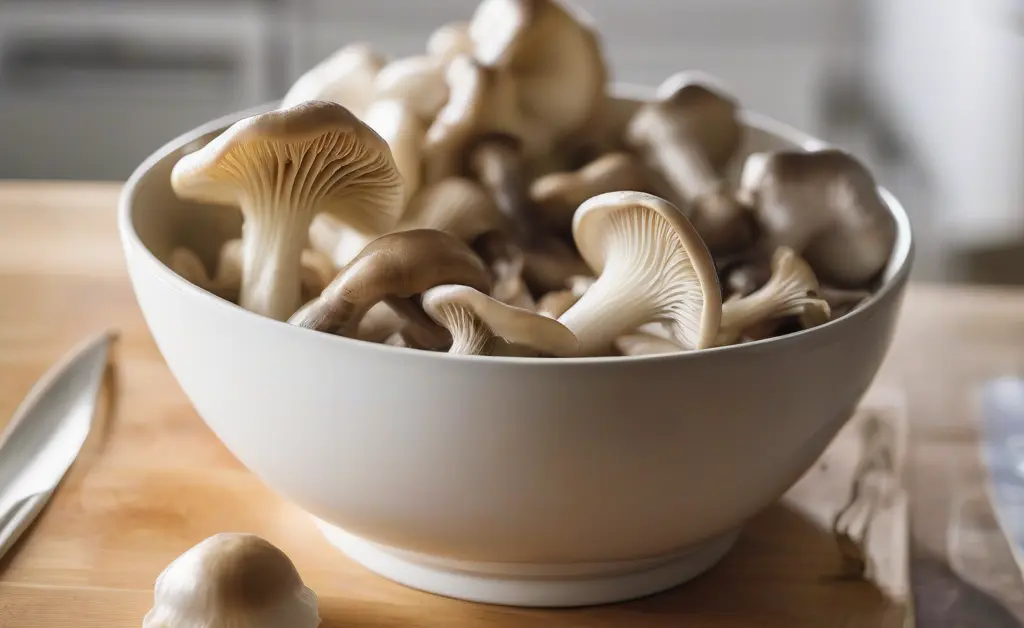
Preventing bacterial issues with wood ear mushrooms begins with mindful sourcing and continues through storage and preparation. Always purchase mushrooms from a reputable supplier who follows safe handling practices. At home, store fresh wood ear mushrooms in the refrigerator in a container that allows for air circulation, like a paper bag, to prevent moisture buildup. Before use, clean them thoroughly. Blanching—briefly boiling them—is an excellent step to clean the mushrooms and reduce the surface bacterial load before adding them to your main dish. Always cook wood ear mushrooms thoroughly; they should never be consumed raw. Finally, practice good kitchen hygiene by preventing cross-contamination. Use separate cutting boards and utensils for raw mushrooms and other ready-to-eat foods, and wash your hands before and after handling them. Following these steps greatly minimizes any risk associated with wood ear mushroom bacteria.
When to Discard Wood Ear Mushrooms
Knowing when to discard wood ear mushrooms is a critical aspect of food safety. The guiding principle should always be: “when in doubt, throw it out.” Do not attempt to salvage mushrooms that show clear signs of spoilage. If they have developed a slimy coating, a foul odor, or soft, discolored patches, they must be discarded. Never just cut away a spoiled section, as microscopic bacteria and mold spores can permeate the entire mushroom, even if not visible. Trust your senses. If the look, feel, or smell of the mushrooms seems off, it is safest to dispose of them and avoid any potential health risk from wood ear mushroom bacteria or mold.
Enjoying the delightful, crunchy texture of wood ear mushrooms in your meals can be a safe and rewarding experience. The key to confidence in the kitchen lies in understanding and respecting food safety principles. By sourcing your mushrooms from trusted suppliers, storing them correctly, cleaning and cooking them thoroughly, and being vigilant for any signs of spoilage, you can effectively mitigate risks. These simple yet crucial practices ensure that your culinary explorations with this unique fungus remain a source of pleasure and nourishment.
The content provided in this article is intended for informational learning, not clinical application. This information should not be used as a substitute for professional medical advice, diagnosis, or treatment. Always seek the advice of your physician or another qualified health provider with any questions you may have regarding a medical condition or food safety concerns. Never disregard professional medical advice or delay in seeking it because of something you have read here.
FAQ
Can wood ear mushrooms cause food poisoning?
Wood ear mushrooms, like any raw food, can carry bacteria if not properly handled and cooked. This is why thorough preparation is essential to minimize potential risks. Ensuring they are sourced from reputable suppliers and prepared hygienically is key to enjoying them safely.
How do you clean wood ear mushrooms to remove bacteria?
To prepare wood ear mushrooms, it’s important to rinse them thoroughly under cool running water to remove any visible dirt or debris. For dried wood ear mushrooms, rehydrating them in warm water is the first step, followed by rinsing. This process helps to wash away surface contaminants, including potentially harmful bacteria.
What are the risks of eating contaminated wood ear mushrooms?
Consuming wood ear mushrooms contaminated with bacteria can lead to foodborne illnesses. These pathogens can cause gastrointestinal distress and other symptoms. Proper cooking effectively neutralizes most harmful microorganisms that might be present.
What are the symptoms of bacterial infection from mushrooms?
Symptoms of a bacterial infection from improperly prepared mushrooms can include nausea, vomiting, diarrhea, and abdominal cramps. In some cases, fever may also be present. These symptoms typically appear within a few hours to a couple of days after ingestion.