


As a seasoned culinary explorer and health advocate, I’ve encountered a wide spectrum of edible fungi. The wood ear mushroom, with its distinctive texture and subtle flavor, is a frequent guest on many plates, particularly in Asian cuisine. However, like any wild or cultivated food, it’s crucial to approach it with informed awareness. My experience has taught me that while generally safe and nutritious when properly identified and prepared, there are nuances to its consumption that warrant careful consideration. Understanding these aspects is key to enjoying this unique ingredient without concern for wood ear mushroom poisoning, ensuring a safe and delightful culinary journey.
Is Wood Ear Mushroom Toxic?
When properly identified, sourced, and cooked, wood ear mushrooms (species in the Auricularia genus) are widely considered non-toxic and safe for consumption. They have a long history of use in various culinary traditions and are cultivated commercially on a large scale. The primary concerns regarding their toxicity do not typically stem from the mushroom itself but from external factors. These can include misidentification with a poisonous look-alike, contamination from the environment, or issues arising from improper preparation and storage.
Toxins in Wood Ear Mushrooms
Unlike notoriously poisonous fungi like the death cap, edible wood ear mushrooms do not contain potent, life-threatening toxins. The discussion around potential issues is more nuanced. Some sources suggest that, like many foods, they may contain compounds that could cause digestive discomfort if consumed raw. The cooking process is believed to help break down these compounds, making the mushrooms easier to digest and neutralizing any mild substances that could cause irritation. Therefore, the focus is less on inherent toxins and more on the importance of thorough cooking as a standard safety practice.
What Are the Effects of Eating Wood Ear Mushrooms?
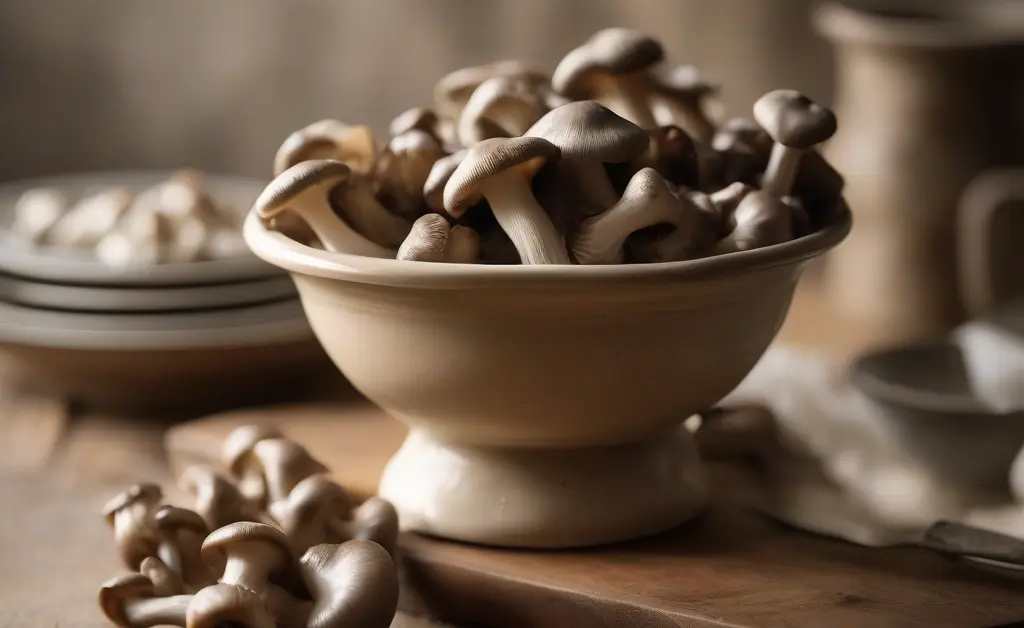
For most people, the effect of eating well-cooked wood ear mushrooms is simply enjoying a unique, gelatinous texture and subtle earthy flavor in their meal. However, in certain circumstances, some individuals may experience adverse effects, which are often related to individual sensitivity, preparation methods, or contamination. Individuals with certain conditions, like gout, may also need to exercise caution.
Gastrointestinal Symptoms
The most commonly reported adverse effects are gastrointestinal in nature. If wood ear mushrooms are undercooked or if an individual has a particular sensitivity, they might experience symptoms such as bloating, gas, stomach cramps, or diarrhea. These symptoms are generally mild and transient, similar to reactions one might have to other high-fiber foods that are not properly prepared.
Neurological Symptoms
True neurological symptoms are not associated with the consumption of correctly identified and prepared wood ear mushrooms. Any report of neurological effects like confusion, hallucinations, or dizziness after eating mushrooms should be taken extremely seriously, as it strongly suggests the consumption of a misidentified toxic species. Distinguishing edible from poisonous varieties is a critical skill, and any doubt should lead to discarding the mushroom.
Allergic Reactions
As with any food, an allergic reaction to wood ear mushrooms is possible, though not common. An individual with a specific allergy to this type of fungus could experience symptoms ranging from mild to severe. These may include skin issues like hives or rashes, itching in the mouth or throat, swelling of the lips or face, and, in rare cases, more severe systemic reactions. Anyone with a known mold or mushroom allergy should exercise caution.
Wood Ear Mushroom Poisoning Symptoms

The term “poisoning” in the context of wood ear mushrooms usually refers to adverse food reactions rather than a true toxic event from the mushroom itself. The symptoms of what might be called wood ear mushroom poisoning are typically confined to the digestive system. An individual might experience nausea, vomiting, abdominal pain, and diarrhea shortly after consumption. The severity can depend on the quantity eaten and the individual’s sensitivity. If symptoms are severe, persistent, or accompanied by other concerning signs like fever or dehydration, it is crucial to consider it a medical issue, as it could also be due to bacterial contamination or the accidental ingestion of a different, more dangerous mushroom.
Risks and Dangers of Wood Ear Mushroom Consumption
The primary dangers associated with eating wood ear mushrooms are almost always preventable. They center on proper identification, sourcing from a clean environment, and ensuring the mushrooms are fresh and correctly cooked before being served. Foragers, in particular, must be experts in identification to avoid accidentally harvesting toxic look-alikes. Additionally, individuals should consider specific concerns such as wood ear mushroom pregnancy safety before consumption.
Contamination Risks
One of the most significant risks is contamination. Mushrooms are highly absorbent and can accumulate harmful substances from their growing environment. Wild wood ear mushrooms growing on treated wood or in areas with soil or water pollution may absorb heavy metals, pesticides, or industrial chemicals. Even commercially grown mushrooms can be subject to bacterial contamination (like Salmonella or E. coli) if not handled, stored, or processed in hygienic conditions. Additionally, it is important to know how to tell if a wood ear mushroom is bad; any signs of spoilage, such as a slimy texture, off-putting smell, or visible mold, mean the mushroom should be discarded immediately.
What to Do If You Suspect Wood Ear Mushroom Poisoning

If you or someone else experiences any adverse symptoms after eating wood ear mushrooms, especially if they are severe or involve more than mild digestive upset, you should seek professional medical attention without delay. Do not wait for symptoms to worsen. Contacting a local poison control center or heading to the nearest emergency department is the most responsible course of action. If possible and safe to do so, bring a sample of the mushroom that was consumed (uncooked, if available) to help medical professionals with identification. Attempting to self-diagnose or treat suspected mushroom poisoning at home is not recommended. For reliable health information, resources from the NIH are often helpful.
Prevention Strategies
Enjoying wood ear mushrooms safely is straightforward with a few key precautions. The most effective prevention strategy is to source your mushrooms from a reputable supplier, such as a well-known grocery store, farmers’ market, or trusted online vendor. This minimizes the risk of misidentification and ensures the mushrooms were cultivated in a controlled environment. If you purchase them dried, rehydrate them in clean water and inspect them carefully before cooking. Always cook wood ear mushrooms thoroughly to improve digestibility and eliminate potential surface contaminants. Following these simple steps is the best way to prevent any issues related to wood ear mushroom poisoning and enjoy this ingredient with confidence. Furthermore, those monitoring their uric acid levels should consult with a healthcare professional.
In summary, wood ear mushrooms are a nutritious and texturally unique food that is generally safe for consumption. The potential risks are not typically inherent to the mushroom itself but arise from external factors. By practicing due diligence—sourcing from reputable suppliers, ensuring freshness, and always cooking them thoroughly—you can effectively mitigate these risks. An informed and cautious approach allows this fascinating fungus to be a safe and welcome addition to your culinary repertoire.
This article aims to inform, not to replace professional healthcare advice. The information presented is for educational purposes only and should not be used for diagnosis or treatment. If you experience adverse effects after consuming any food, including mushrooms, or have concerns about food allergies, it is essential to consult with a qualified healthcare professional or contact a poison control center immediately.
FAQ
Can you get sick from eating wood ear mushrooms?
Yes, it is possible to experience adverse effects from consuming wood ear mushrooms, particularly if they are not properly identified, prepared, or are contaminated. Like any wild or cultivated mushroom, improper handling can lead to illness.
What are the symptoms of eating bad wood ear mushrooms?
Symptoms can vary depending on the cause of the adverse reaction and may include gastrointestinal distress such as nausea, vomiting, and diarrhea. Allergic reactions are also a possibility.
How long does wood ear mushroom poisoning last?
The duration of symptoms following the consumption of contaminated or improperly prepared wood ear mushrooms can range from a few hours to a couple of days. Recovery often depends on the individual and the severity of the reaction.