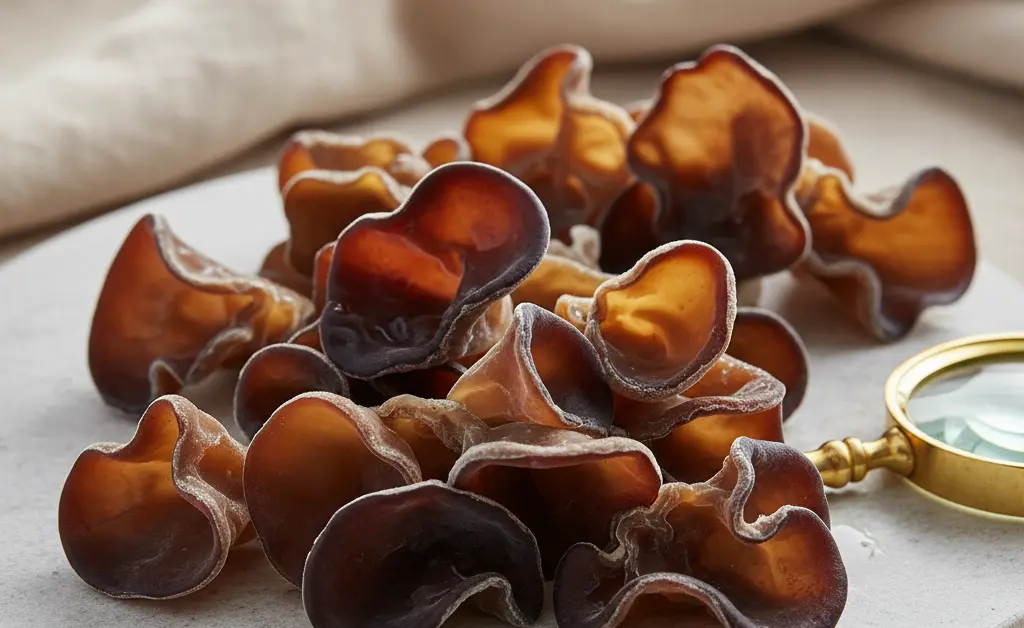
It’s often said that certain foods are strictly off-limits for those managing gout, leading to a diet that can feel quite restrictive. However, the world of nutrition is complex, and sometimes popular beliefs don’t quite align with what the science suggests. For instance, many might assume that all mushrooms are a no-go when dealing with gout due to their purine content. But what if one type, the distinctively textured wood ear mushroom, could actually offer some surprising benefits for individuals looking to manage their gout? This review aims to explore the nutritional profile of wood ear mushrooms and examine the current understanding of their relationship with gout, moving beyond generalizations to offer a more nuanced perspective.
Wood Ear Mushrooms and Purine Content
To understand the relationship between any food and gout, it is essential to first discuss purines. Purines are natural chemical compounds found in the cells of all living things, including humans, animals, and plants. When the body breaks down purines from food or from its own cells, it produces a waste product called uric acid. For most people, uric acid dissolves in the blood and is excreted by the kidneys. However, in individuals with gout, the body either produces too much uric acid or does not excrete it efficiently. This can lead to the formation of sharp, needle-like crystals in the joints, causing the sudden and severe pain characteristic of a gout attack.
Purine Levels in Wood Ear Mushrooms
Foods are often categorized as having high, moderate, or low purine levels. High-purine foods, such as organ meats, some types of seafood like anchovies and sardines, and certain alcoholic beverages, are typically limited in a gout-management diet. Many vegetables and fungi, including wood ear mushrooms (also known as black fungus), fall into the low-to-moderate purine category. While they do contain purines, the concentration is significantly lower than in high-purine animal products. Furthermore, some studies suggest that the body may process purines from plant-based sources differently, potentially having a lesser impact on blood uric acid levels compared to purines from meat and seafood.
Wood Ear Mushroom Gout: Benefits and Considerations

Beyond their purine content, wood ear mushrooms possess a unique nutritional profile that may offer certain benefits for individuals concerned about gout and systemic inflammation. The connection between wood ear mushroom gout management is an area of interest due to the mushroom’s traditional use and unique bioactive compounds.
Anti-inflammatory Properties
Gout is fundamentally an inflammatory condition. Foods that may help modulate the body’s inflammatory response can be a valuable part of a supportive diet. Wood ear mushrooms are a source of various antioxidants and polysaccharides, which have been studied for their potential anti-inflammatory effects. These compounds may help to counteract oxidative stress in the body, a process linked to chronic inflammation. While not a treatment for gout, incorporating foods with these properties supports overall wellness, which is crucial for managing chronic conditions.
Potential for Uric Acid Reduction
Emerging research has begun to explore the direct effects of certain mushroom extracts on uric acid metabolism. Some preliminary studies on various fungi have investigated compounds that might influence the enzymes involved in uric acid production. While research specifically on wood ear mushrooms and their direct impact on uric acid levels in humans is still limited, their overall nutritional profile, including being low in calories and fat while providing fiber, makes them a favorable addition to a balanced, health-conscious diet for those managing gout.
Incorporating Wood Ear Mushrooms into a Gout-Friendly Diet
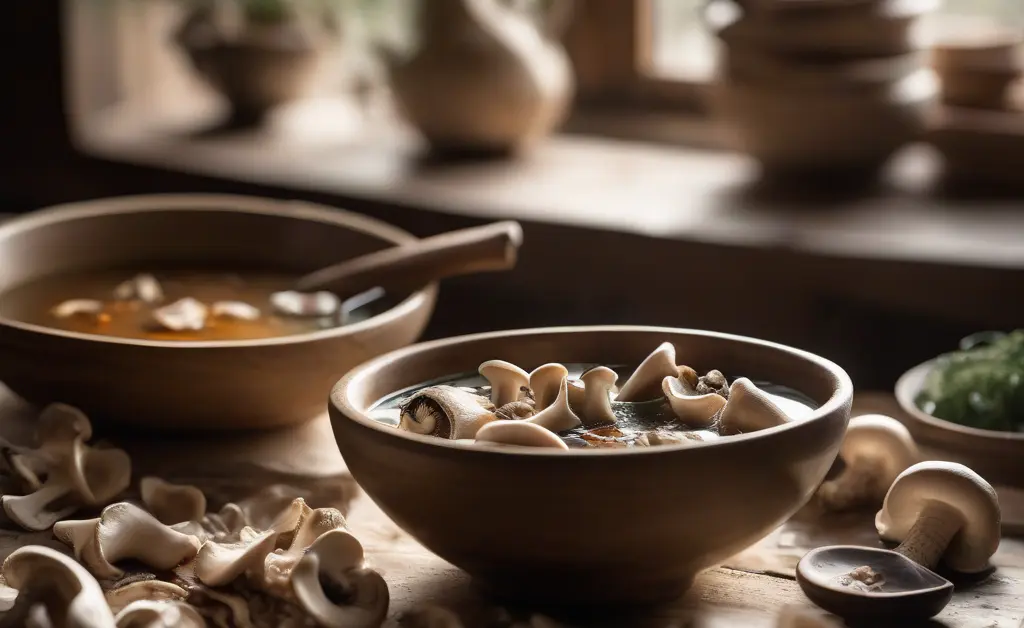
Adding wood ear mushrooms to your meals can be simple and enjoyable. Known for their mild flavor and distinctively chewy, gelatinous texture, they are excellent at absorbing the flavors of the dishes they are cooked in. They are most commonly available in dried form and need to be rehydrated in warm water before use, which expands their size considerably. Once prepared, they can be sliced and added to soups, stir-fries, noodle dishes, and salads. Their unique texture provides a satisfying “bite” to meals, making them a great substitute for meat in some recipes. As with any food, moderation and portion control are key components of a successful dietary strategy for managing gout. Integrating wood ear mushrooms should be part of a broader dietary pattern rich in fruits, vegetables, and whole grains, while being mindful of established gout triggers. The topic of wood ear mushroom gout management should always be approached as part of a holistic lifestyle.
Potential Concerns and Precautions

While wood ear mushrooms are generally considered a healthy food, there are a few considerations to keep in mind, particularly for individuals with underlying health conditions. The context of wood ear mushroom gout management requires a balanced view that includes potential risks alongside benefits. It’s always wise to source mushrooms from a reputable supplier to ensure they are safe for consumption, a practice often guided by recommendations from organizations like the European Food Safety Authority (EFSA). Proper preparation is also crucial; wood ear mushrooms should always be cooked thoroughly and never eaten raw to eliminate any potential bacteria.
As with many foods, understanding potential wood ear mushroom side effects is important for informed consumption.
It is also crucial to be cautious about the source and preparation to avoid potential wood ear mushroom poisoning, which can occur from improper handling or misidentification.
Are Wood Ear Mushrooms Safe for Gout Sufferers?
For most individuals managing gout, wood ear mushrooms are considered safe and can be a beneficial part of a well-rounded diet. Their low-to-moderate purine content, especially when compared to high-purine foods, means they are unlikely to trigger a gout attack when consumed in reasonable amounts. However, it’s important to be aware of their natural anticoagulant (blood-thinning) properties. Individuals taking blood-thinning medications should consult their doctor before adding significant amounts of wood ear mushroom to their diet to avoid potential interactions. As dietary needs are highly individual, discussing any significant changes with a healthcare provider or a registered dietitian is the best way to ensure they align with your specific health needs and treatment plan. Special considerations for wood ear mushroom pregnancy safety should also be discussed with a medical professional.
In conclusion, the idea that all mushrooms must be avoided for gout management is an oversimplification. Wood ear mushrooms, with their low-to-moderate purine levels and potential anti-inflammatory properties, represent a food that can likely be included in a thoughtful, gout-friendly diet. Their unique texture and culinary versatility make them a valuable addition to various dishes, helping to create a diverse and satisfying eating plan. Rather than focusing on strict elimination, a more sustainable approach involves understanding the nutritional profiles of individual foods. The relationship between wood ear mushroom gout management is a good example of how a nuanced perspective can open up more dietary options, supporting overall health while managing a chronic condition. Ultimately, a balanced diet, combined with medical guidance, remains the cornerstone of effective gout management.
It is important to note that this content is not intended as medical advice. The information provided is for educational purposes only and should not be used as a substitute for professional medical consultation, diagnosis, or treatment. Individuals with gout or any other medical condition should consult with a qualified healthcare provider or a registered dietitian before making any significant changes to their diet or lifestyle.
FAQ
Are wood ear mushrooms safe for gout patients?
Wood ear mushrooms have been studied for their potential role in supporting joint health. Research suggests that certain compounds within them may influence inflammatory pathways relevant to conditions like gout. Further scientific investigation is ongoing to fully understand their impact.
Can black fungus lower uric acid?
Black fungus, another name for wood ear mushrooms, contains various bioactive compounds that are being explored for their effects on metabolic processes. Some preliminary studies indicate that these mushrooms may influence pathways related to uric acid production and excretion. However, more extensive research is needed to confirm these findings.
What are the benefits of eating wood ear mushrooms for gout?
Wood ear mushrooms are rich in dietary fiber and contain polysaccharides that are of interest for their potential health properties. These components are linked to various biological activities, including those that may support the body’s natural systems for managing metabolic byproducts. The wood ear mushroom gout connection is an area of active scientific interest.