
Many individuals seek natural ways to support their daily well-being and fortify their body’s inherent systems. Often, navigating the complexities of modern life can leave one feeling a bit out of sync or seeking a gentle boost to maintain balance. Incorporating a simple, natural supplement can often lead to a subtle yet significant shift in how one approaches their health. This guide explores turkey tail mushroom tea, a traditional remedy increasingly recognized for its potential to contribute to overall vitality and immune support. We will delve into its preparation, the science behind its benefits, and practical advice for safely integrating it into a routine, offering a practical path toward enhanced daily wellness without grand claims or dramatic shifts.
Understanding Turkey Tail Mushroom Tea
Turkey tail mushroom, scientifically known as Trametes versicolor or Coriolus versicolor, is a type of shelf fungus commonly found on dead trees and fallen logs in woodlands worldwide. Its distinctive concentric rings of various colors, resembling a turkey’s fanned tail, give it its common name. For centuries, this medicinal mushroom has been a staple in traditional remedies, particularly in East Asian cultures, where it has been valued for its believed health advantages.
The beneficial properties of turkey tail mushroom are often attributed to its rich content of polysaccharides, particularly polysaccharide K (PSK) and polysaccharopeptide (PSP). These compounds are found within both the mycelium and the fruiting body of the mushroom and are extensively studied for their biological activity. When prepared as a beverage, turkey tail mushroom tea offers a convenient way to potentially incorporate these compounds into one’s daily routine, providing an accessible form of this ancient Fungi.
Benefits of Turkey Tail Mushroom Tea

The potential turkey tail mushroom benefits are a subject of ongoing scientific interest and traditional appreciation. Many individuals turn to turkey tail mushroom tea for its perceived ability to offer immune support. The beta-glucans, PSP, and PSK present in the mushroom are thought to interact with the body’s immune system, potentially promoting a balanced and robust response. These compounds are also associated with antioxidant effects, which can help protect cells from oxidative stress.
Beyond immune modulation, some research suggests a connection between turkey tail mushroom and gut health. Certain components of the mushroom may act as prebiotics, supporting the growth of beneficial gut bacteria, which in turn contributes to overall wellness. Further research into these benefits is continuously conducted by organizations like the NIH. As an adaptogen, it is also traditionally believed to help the body adapt to various stressors. While not a cure-all, the consistent use of turkey tail mushroom tea may contribute to a general sense of vitality and help maintain a healthy inflammatory response within the body.
Preparing and Enjoying Turkey Tail Mushroom Tea
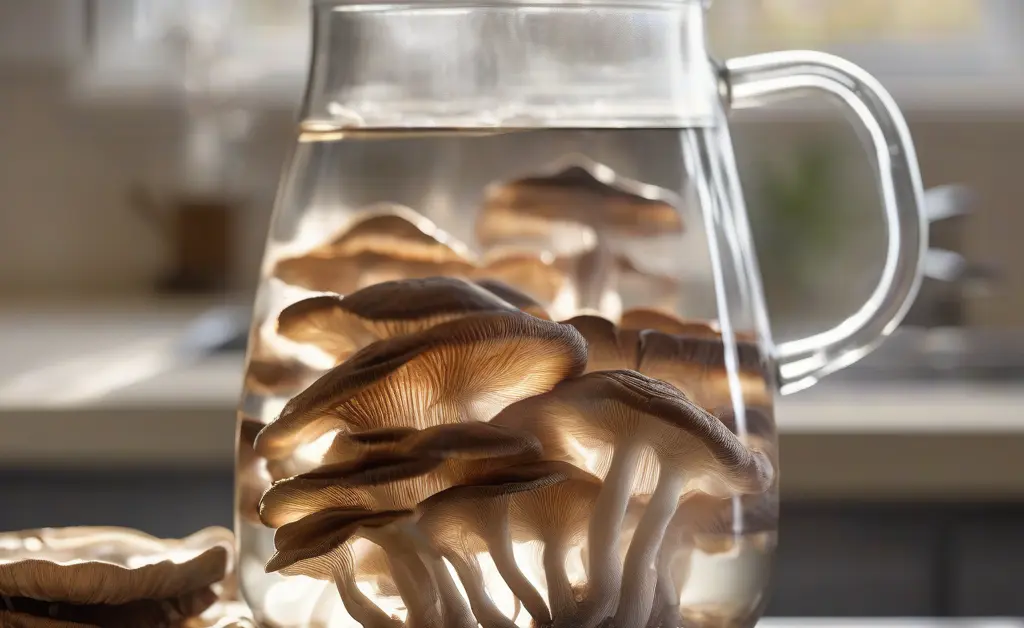
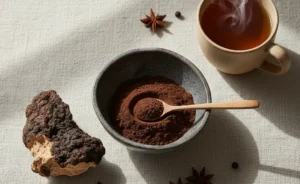
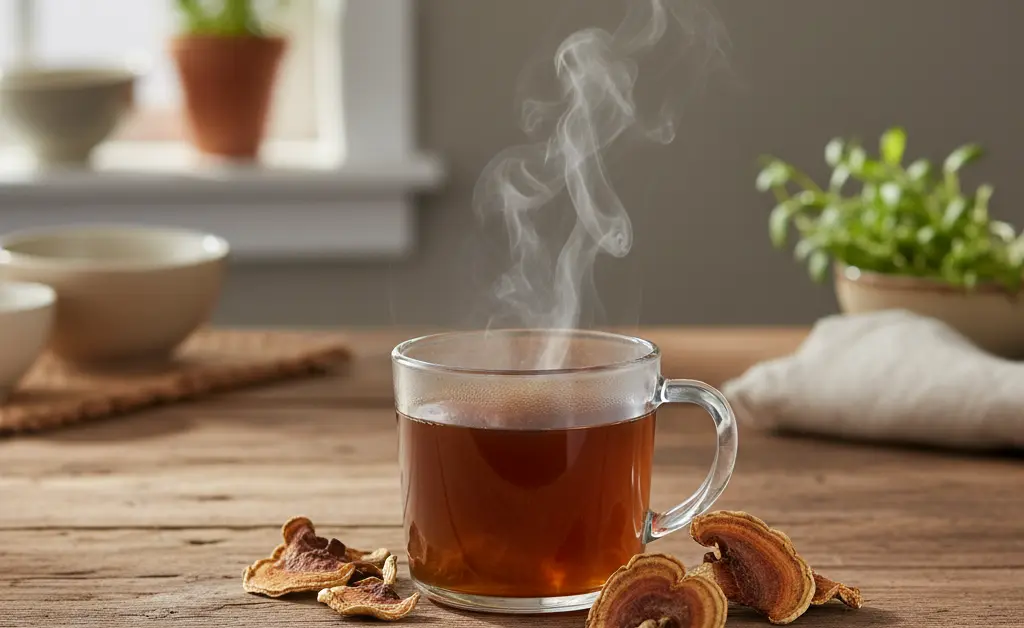
Preparing turkey tail mushroom tea is a straightforward process, allowing you to create a warm and comforting beverage. The brewing process typically involves simmering dried turkey tail mushroom slices or powder in hot water for an extended period, allowing for a thorough infusion. This method helps extract the beneficial compounds from the mushroom effectively. For convenience, mushroom extract can also be dissolved in hot water, offering a quick way to prepare the tea. There are many simple ways to prepare a delicious turkey tail mushroom tea recipe.
Alternatively, pre-packaged tea bags containing ground turkey tail mushroom are available, simplifying the steeping process much like any other herbal tea blend. The natural taste of turkey tail mushroom tea is often described as earthy and mild, sometimes with a slightly roasted flavor. Some people prefer to enhance the flavor by adding a touch of honey, ginger, or other spices. Whether consumed plain or as part of a more complex blend, this beverage can be a pleasant addition to a wellness routine.
Safety and Potential Side Effects of Turkey Tail Mushroom Tea
Generally considered safe for most people, turkey tail mushroom tea is widely consumed as a dietary supplement. However, as with any natural product, awareness of potential considerations is important. While side effects are rare, some individuals might experience mild digestive upset, such as bloating or diarrhea, especially when first introducing the tea into their routine. Others might observe changes in stool color or nail pigmentation, which are usually harmless.
It is always advisable to consult with a healthcare professional before incorporating turkey tail mushroom tea, or any new supplement, particularly if you have pre-existing health conditions, are pregnant or breastfeeding, or are taking medications. This step helps ensure that it is appropriate for your individual health profile and does not interact adversely with other treatments. Prioritizing safety and informed choices is key when exploring traditional remedies.
Choosing and Buying Quality Turkey Tail Mushroom Tea
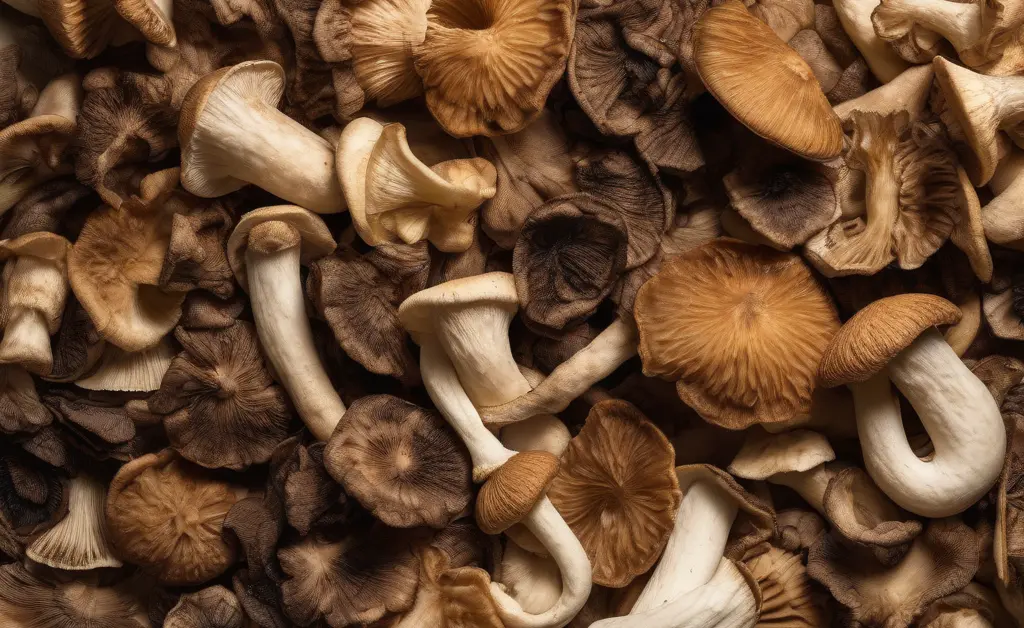
When selecting turkey tail mushroom tea, opting for high-quality products is paramount to ensure you receive the intended benefits. Look for suppliers who prioritize purity and transparency in their sourcing and manufacturing processes. Reputable brands often provide information about where their mushrooms are grown, whether they are organic, and if they undergo third-party testing for contaminants like heavy metals or pesticides.
Consider whether the product specifies using the fruiting body, mycelium, or a blend of both, as the concentration of beneficial compounds can vary. Some products might be labeled as “turkey tail mushroom for tea” and come in various forms, including dried slices, powders, or convenient tea bags. Reading reviews and understanding the brand’s commitment to quality can guide your purchase. Investing in a trusted product ensures that your turkey tail mushroom tea is a beneficial and safe addition to your daily regimen.
This article aims to inform, not to replace professional healthcare advice. It is intended for informational purposes only and should not be used as a substitute for consulting with a qualified healthcare provider. Always seek the guidance of a medical professional for any health concerns or before making any decisions related to your health or treatment. Individual results may vary, and the information presented here is not intended to diagnose, treat, cure, or prevent any disease.
FAQ
— Is turkey tail mushroom tea beneficial for health?
Turkey tail mushroom tea has been studied for its potential to support overall wellness due to compounds like polysaccharopeptides (PSPs) and polysaccharide krestin (PSK). These active components are linked to immune system modulation, which is a key area of research for this mushroom. The rich concentration of these unique compounds is what makes it a subject of scientific interest.
— What does turkey tail mushroom tea taste like?
The flavor of turkey tail tea is generally described as earthy, mild, and sometimes slightly woody. It typically lacks bitterness, making it a relatively palatable option for those new to functional mushrooms. Some people find it has a subtle, neutral taste that blends well with other ingredients if desired.
— What is the best way to prepare turkey tail mushroom tea?
Preparing turkey tail mushroom tea typically involves a decoction method, where the dried mushrooms are simmered in water. This gentle heat extraction helps to release the beneficial compounds into the liquid. Alternatively, powdered extracts can be simply dissolved in hot water for a quicker infusion.
— Where can I purchase turkey tail mushroom tea?
You can typically find turkey tail mushroom products, including dried mushrooms or tea blends, in health food stores and specialized natural wellness retailers. Online marketplaces and websites focusing on functional mushrooms also offer a wide selection. When purchasing, it’s advisable to look for reputable sources that provide information on their sourcing and extraction methods.
— Are there any side effects of drinking turkey tail mushroom tea?
Turkey tail mushroom is generally well-tolerated by most individuals, but as with any dietary addition, some might experience mild digestive upset or allergic reactions. If you have underlying health conditions or are taking medications, consulting a healthcare professional before incorporating new supplements is always recommended. This precaution helps ensure it aligns with your individual health profile.
— How often should I drink turkey tail mushroom tea for benefits?
Consistency is often considered more important than specific frequency when exploring the benefits of functional mushrooms. The body’s response to natural compounds can be gradual, suggesting that regular incorporation over time may be more relevant than sporadic use. However, individual needs and responses vary, making personalized approaches key.