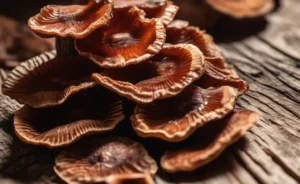


The increasing appreciation for natural compounds derived from fungi has brought several species into the spotlight, particularly those with a history of use in traditional medicine. Among these, the turkey tail mushroom (Trametes versicolor), easily recognizable by its vibrant, fan-shaped appearance, stands out. Historically utilized across Asian cultures for its purported health-promoting properties, this fascinating fungus is now the subject of extensive contemporary research. As scientific understanding expands, many are turning to convenient preparations like tea to explore its potential. This article delves into the comprehensive turkey tail mushroom tea benefits, examining the scientific evidence behind its recognized effects and what consumers can expect.
Health Benefits of Turkey Tail Mushroom Tea
Turkey tail mushroom, known scientifically as Trametes versicolor, has been a staple in traditional medicine systems, notably Traditional Chinese Medicine (TCM), for centuries. Its rich composition of bioactive compounds contributes to its diverse applications. Exploring the specific turkey tail mushroom tea benefits reveals why this fungi has garnered such widespread attention in contemporary wellness circles.
Immune System Enhancement
One of the most highly recognized turkey tail mushroom tea benefits is its potential to support the immune system. This is largely attributed to its unique polysaccharide content, particularly polysaccharopeptides (PSP) and polysaccharide-K (PSK), along with various beta-glucans. These compounds are studied for their immune-modulating properties, potentially helping to balance and strengthen the body’s natural defenses. Research indicates that these polysaccharides may interact with immune cells, promoting a robust and responsive immune system. This immune support contributes to overall cellular health and can be particularly relevant during periods of increased demand on the body’s defenses.
Gut Microbiome Support
The intricate relationship between gut health and overall well-being is increasingly understood. Turkey tail mushroom contains prebiotics, which are non-digestible fibers that can nourish beneficial bacteria in the gut. By supporting a healthy gut microbiome, turkey tail mushroom tea benefits may extend to improved digestive health and nutrient absorption. A balanced gut environment is crucial for various bodily functions, including immune response and even cognitive function, highlighting the systemic impact of gut support.
Antioxidant Power
Turkey tail mushroom is a source of powerful antioxidants, including phenols and flavonoids. These compounds help combat oxidative stress, a process that can contribute to cellular damage over time. By neutralizing free radicals, antioxidants play a crucial role in protecting cells and tissues throughout the body. Regular consumption of antioxidant-rich compounds, such as those found in turkey tail mushroom tea, may contribute to maintaining cellular integrity and overall vitality.
Anti-Inflammatory Properties
Chronic inflammation is a significant concern in modern health. Some research suggests that compounds within the turkey tail mushroom may possess anti-inflammatory properties. By helping to modulate inflammatory responses in the body, these compounds could contribute to discomfort relief and support overall well-being. This potential anti-inflammatory effect is another aspect of the broad turkey tail mushroom tea benefits that warrants further investigation.
Adaptogenic Qualities
Turkey tail is often considered an adaptogen, a class of natural substances that may help the body adapt to various stressors, both physical and environmental. While the precise mechanisms are still being elucidated, adaptogens are thought to support the body’s ability to maintain balance and resilience. This adaptogenic quality contributes to the holistic understanding of turkey tail mushroom’s role in promoting overall health, potentially helping to stabilize energy levels and improve general stamina.
How to Make Turkey Tail Tea

Preparing turkey tail mushroom tea is a popular and accessible way to incorporate this fungi into a wellness routine. The process typically involves a decoction, which helps to extract the beneficial compounds, particularly the polysaccharides, from the tough fruiting body of the mushroom. While various turkey tail mushroom recipes exist, the basic tea preparation focuses on a slow simmer to ensure maximum extraction.
To make a decoction, dried turkey tail mushroom pieces are typically simmered in water for an extended period, often an hour or more. This gentle heat allows the complex compounds to dissolve into the water, creating a potent infusion. The resulting liquid can then be strained and consumed warm or chilled. Some prefer to combine turkey tail with other medicinal mushrooms or herbs to create a more complex flavor profile or to enhance specific wellness goals. Understanding how to properly prepare the tea can optimize the potential turkey tail mushroom tea benefits.
Side Effects and Safety Considerations of Turkey Tail Mushroom

While generally considered safe for most individuals, understanding potential side effects and safety considerations is important when incorporating turkey tail mushroom into a routine. As with any natural product, individual responses can vary. It is always advisable to consult a healthcare professional before starting any new supplement regimen, especially if you have pre-existing health conditions or are taking other medications. For comprehensive global health guidance, you may consult resources from the WHO.
Some individuals may experience mild digestive upset, such as bloating or gas, when first consuming turkey tail mushroom. These reactions are typically temporary. In rare instances, allergic reactions may occur. Specific contraindications can exist, particularly for individuals with certain autoimmune conditions or those undergoing specific medical treatments. A qualified doctor can provide personalized guidance regarding the suitability and safety of turkey tail mushroom tea for your individual health profile. Ensuring safe consumption is paramount to experiencing the potential turkey tail mushroom tea benefits without adverse effects.
Choosing Quality Turkey Tail Mushroom Products
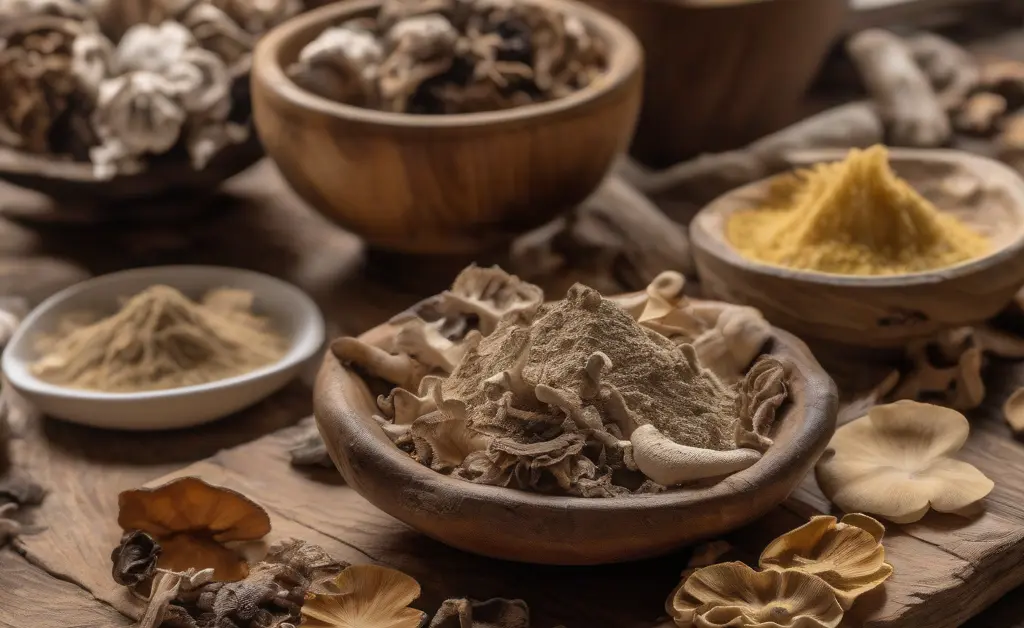
The efficacy of turkey tail mushroom tea benefits is highly dependent on the quality of the product used. When selecting turkey tail mushroom, it is important to consider the form and source to ensure you are getting a product with a high concentration of beneficial compounds. Turkey tail can be found in various forms, including whole dried pieces for tea, powders, and concentrated extracts.
Look for products that specify the use of the fruiting body, as this part of the mushroom is generally considered to contain a higher concentration of the active polysaccharides like PSP and PSK, compared to mycelium-only products. Reputable suppliers often provide information on their sourcing practices, testing for purity, and extraction methods. Choosing a high-quality product ensures better bioavailability and allows for a more consistent experience of the potential turkey tail mushroom tea benefits.
The information in this article is intended for knowledge purposes only. It is not a substitute for professional medical advice, diagnosis, or treatment. Always seek the advice of a qualified healthcare provider with any questions you may have regarding a medical condition or before making any dietary changes or starting a new supplement regimen. Individual results may vary, and the efficacy of traditional remedies is not universally scientifically proven. Consult your doctor before use.
FAQ
What are functional mushrooms?
Functional mushrooms are varieties of fungi known for their health-supporting properties beyond basic nutrition. They contain specific bioactive compounds like triterpenes, polysaccharides, and antioxidants that interact with the body’s systems. These compounds are studied for their potential to support overall wellness and physiological balance.
How do functional mushrooms support immune health?
Many functional mushrooms contain beta-glucans, which are polysaccharides that interact with immune cells. These compounds are known to help modulate the immune system, encouraging a balanced response rather than overstimulation or suppression. This interaction helps the body maintain robust defenses and adapt to daily challenges.
Can functional mushrooms help with stress and mood?
Certain functional mushrooms are classified as adaptogens, meaning they are thought to help the body adapt to various stressors. These mushrooms are known to support the body’s natural stress response systems, contributing to a sense of calm and balanced mood. This adaptive quality can help manage the physiological impact of everyday stress.
What are the main compounds in functional mushrooms responsible for their effects?
The primary compounds driving the effects of functional mushrooms are polysaccharides, particularly beta-glucans, and triterpenes. Additionally, many varieties contain ergosterol, antioxidants, and various other phytonutrients. These diverse compounds work synergistically to support the body’s functions.
Are all mushroom extracts the same?
No, mushroom extracts are not all the same; their quality and efficacy can vary significantly based on extraction methods and the part of the mushroom used. Effective extracts typically concentrate beneficial compounds from the fruiting body. Understanding the specific compounds and their concentration is key to assessing an extract’s potential.
How do functional mushrooms differ from culinary mushrooms?
While many functional mushrooms can be consumed culinarily, their primary distinction lies in their recognized health-supporting properties due to specific bioactive compounds. Culinary mushrooms are primarily valued for their nutritional content and flavor. Functional varieties are specifically sought after for their concentrated beneficial constituents and their role in wellness.
What is the role of adaptogens in functional mushrooms?
Adaptogens in functional mushrooms play a crucial role in helping the body maintain balance and adapt to various stressors, whether physical, chemical, or biological. They are linked to supporting the body’s homeostatic mechanisms without causing overstimulation or depletion. This adaptogenic quality is relevant to maintaining overall resilience and well-being.
Are there any specific functional mushrooms known for gut health?
Yes, some functional mushrooms are recognized for their potential to support gut health through their prebiotics and immune-modulating compounds. For instance, Turkey Tail contains prebiotics that can nourish beneficial gut bacteria, contributing to a balanced microbiome. The ongoing research into turkey tail mushroom tea benefits highlights its relevance to digestive wellness and overall vitality.