Considering adding turkey tail mushrooms to your wellness routine but finding yourself unsure about its culinary appeal? It’s a common dilemma. While its impressive health benefits are widely discussed, the actual turkey tail mushroom taste often remains a mystery, leaving many wondering how to best incorporate this powerful fungus without compromising their meals. This can be particularly challenging when trying new ingredients, as an unexpected flavor can make or break a dish. Understanding its unique flavor profile is crucial for anyone looking to explore its potential without culinary disappointment. This guide aims to demystify its sensory characteristics, offering clarity on what to expect and how to effectively integrate it into your everyday cooking.
What Does Turkey Tail Mushroom Taste Like?
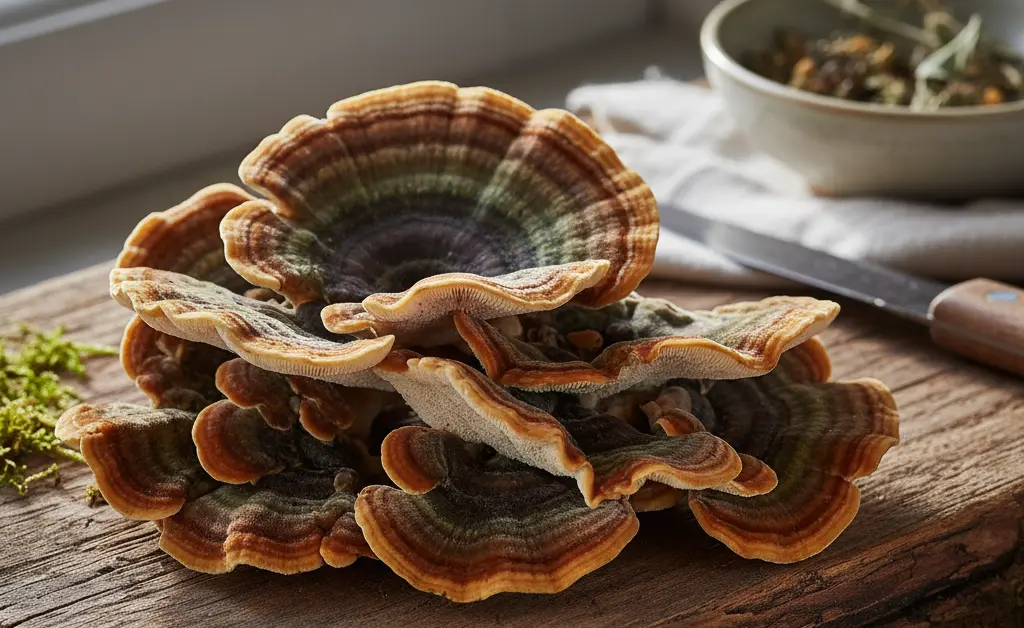
The turkey tail mushroom, scientifically known as Trametes versicolor, possesses a distinctive flavor profile that sets it apart from more common edible fungi. When considering the turkey tail mushroom taste, it’s important to understand that it is generally not consumed for its palatability in the same way button or portobello mushrooms are. Instead, its flavor is often described as subtle and somewhat earthy, forming a foundational note for various culinary preparations rather than dominating the palate.
Unpacking the Primary Taste Notes (Earthy, Mild)
The most prominent characteristics of the turkey tail mushroom’s flavor are its earthy notes and a generally mild taste. Many describe it as having a slight woody or fungal undertone, reminiscent of forest floor aromas. This earthiness is not overpowering but rather provides a grounding quality. The mild taste ensures that it doesn’t dramatically alter the flavor of dishes it’s added to, making it a versatile ingredient for those seeking its beneficial properties without a strong mushroomy flavor.
Identifying the Subtle Aftertaste (Bitter Nuances)
Beyond the initial earthy and mild flavors, some individuals detect a subtle aftertaste in turkey tail mushroom preparations. This aftertaste is often characterized by a slight bitterness. This bitter nuance is usually not intense and can vary depending on the preparation method and the concentration of the mushroom. For instance, strong decoctions or extracts may present a more noticeable bitter note compared to lighter infusions. This particular quality can be an acquired taste for some but can also add depth to certain savory dishes when balanced correctly.
Comparing Turkey Tail’s Flavor to Other Common Mushrooms
When comparing turkey tail to other common mushrooms, its flavor profile stands out. Unlike the rich umami of shiitake or the savory depth of cremini mushrooms, turkey tail lacks that robust, meaty flavor. It doesn’t share the delicate, almost nutty taste of oyster mushrooms or the distinctive aroma of truffles. Instead, its mild, earthy, and slightly bitter notes position it closer to certain medicinal or functional mushrooms, which are often valued more for their beneficial compounds than their culinary impact. It’s not a mushroom you’d typically sauté and serve as a main component, but rather one you’d integrate subtly for its broader advantages.
Factors That Influence Turkey Tail’s Taste

The overall turkey tail mushroom taste can be influenced by several elements, from its state and preparation to its growth environment. These factors play a significant role in determining the intensity and specific nuances of its flavor, impacting the final culinary experience.
Taste Differences Between Fresh, Dried, and Powdered Forms
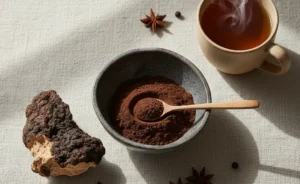
The form in which turkey tail is consumed profoundly affects its taste. Fresh turkey tail mushrooms are generally considered too tough and leathery for direct culinary use, though some might brew them. Their flavor is typically very subtle, woody, and somewhat astringent. Dried turkey tail, which is commonly used, tends to concentrate these earthy and woody notes, making them more pronounced. When rehydrated, the flavor becomes more accessible for teas or broths. Powdered turkey tail, often found in supplements or culinary blends, offers the most concentrated flavor. The finely ground powder can impart its characteristic earthy and slightly bitter notes more readily and uniformly throughout a dish or beverage. This makes it easier to mask or blend with other flavors, but also means its inherent taste is more pervasive.
Culinary Applications and Ideal Flavor Pairings
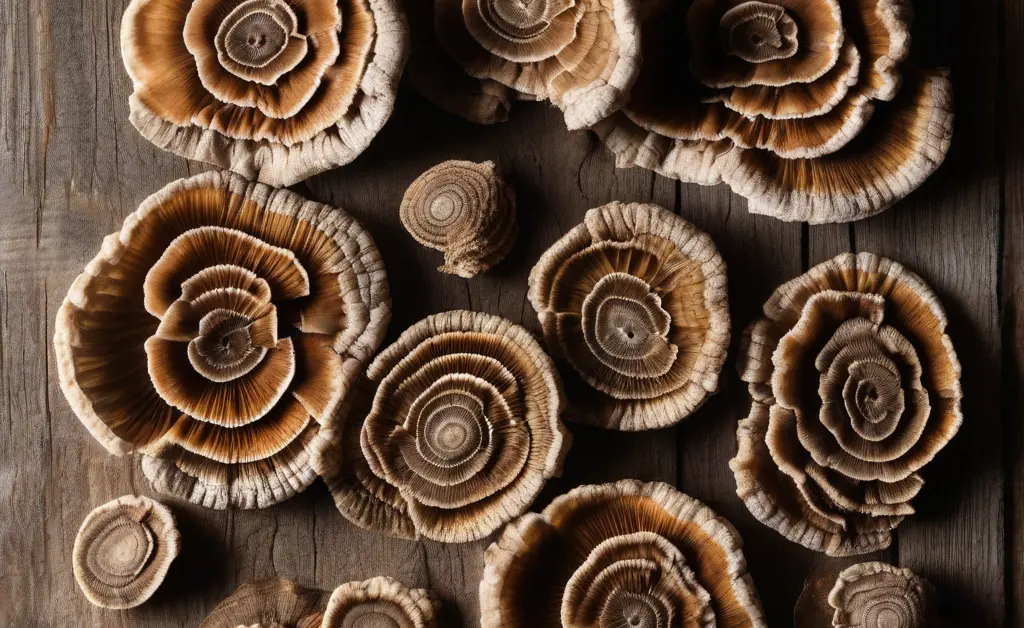
Understanding the unique turkey tail mushroom taste opens up possibilities for its integration into various culinary practices. Given its mild, earthy, and sometimes slightly bitter profile, turkey tail is often best utilized in preparations where its flavor can meld with or be balanced by other ingredients, rather than standing alone. Its tough texture also means it’s rarely eaten whole, making liquid extractions or powdered forms popular for culinary uses.
Preparing turkey tail tea and infusions is a popular method. By simmering dried slices or powder in hot water, you can create a decoction that extracts its beneficial compounds along with its subtle flavors. This tea can be consumed plain, or enhanced with honey, ginger, or lemon to temper any bitter notes and improve palatability. Similarly, turkey tail is an excellent addition to broths, soups, and stews, where its earthy notes can deepen the savory profile without overwhelming other ingredients. It pairs well with robust flavors like garlic, onions, root vegetables, and various herbs. Using turkey tail tinctures is another method, where the concentrated extract offers a convenient way to consume the mushroom, often added to beverages or meals with minimal impact on taste, especially when the tincture itself is alcohol-based and used in small quantities.
Consider pairing turkey tail with ingredients that complement its woody and earthy character. Warming spices like turmeric, cinnamon, and black pepper can harmonize with its natural notes. In savory dishes, it blends well with umami-rich ingredients such as soy sauce, miso, and other mushrooms. Its subtle bitterness can be balanced with a touch of sweetness from carrots or sweet potatoes in soups, or with a hint of acid from citrus or vinegar in dressings. These careful pairings can transform the turkey tail experience, making it a welcome addition to your regular diet.
Setting Taste Expectations and Common Misconceptions
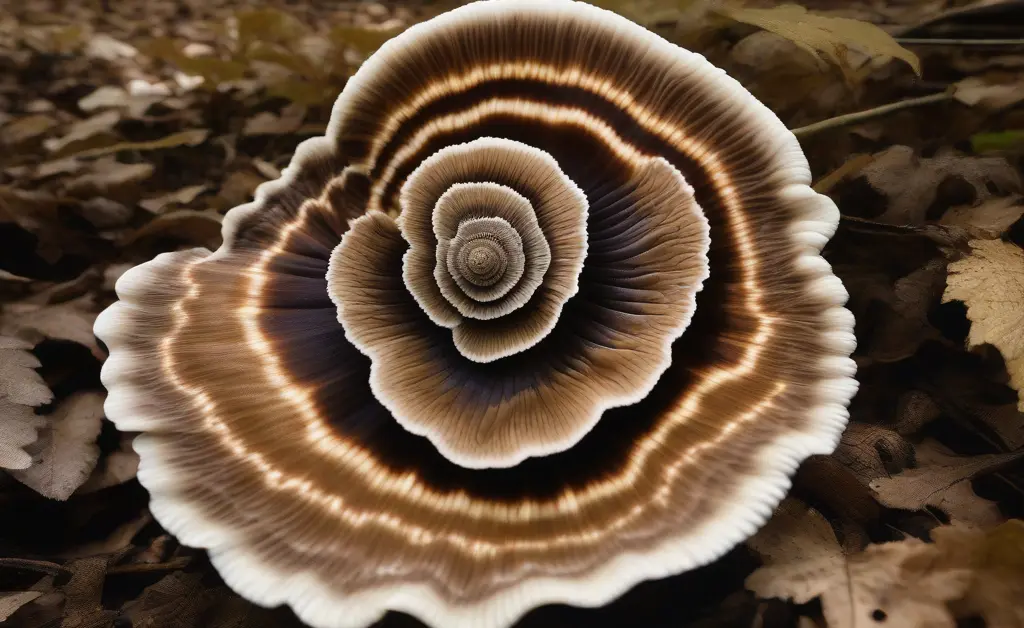
Approaching the turkey tail mushroom taste with realistic expectations is key to appreciating its unique contribution to wellness and cuisine. Many misconceptions arise from comparing it directly to common culinary mushrooms, which can lead to disappointment if one expects a similar sensory experience.
Addressing Perceived Intensity of Its Flavor
One common misconception is that turkey tail will have a strong, “mushroomy” flavor similar to button mushrooms or portobellos. In reality, its flavor intensity is quite low. It’s often described as subtle, gentle, and more aromatic than overtly flavorful. While it does possess earthy notes and a woody aroma, these are typically not as pronounced as in many other fungi. The intensity can increase with concentration, such as in strong extracts or powders, but even then, it tends to be more about depth and a mild astringency rather than a powerful, dominant taste. Those new to turkey tail should expect a nuanced flavor that blends into dishes rather than taking center stage, making it an excellent background player for its wellness benefits.
Distinguishing Flavor from Potency
It’s crucial to distinguish between the turkey tail mushroom’s flavor and its perceived potency or beneficial properties. The mild or subtle taste of turkey tail does not diminish its recognized qualities. Some may mistakenly believe that a strong taste equates to greater effectiveness, but this is not the case with turkey tail. Its powerful compounds, which are often highlighted for turkey tail benefits for female health and general wellness, do not necessarily have a strong or palatable flavor. In fact, many highly beneficial plants and fungi have subtle or even challenging flavors. The focus should be on how it integrates into a holistic health approach, rather than on its taste alone. Its value lies in its rich profile of compounds, not in its culinary deliciousness as a standalone ingredient. Therefore, do not equate a mild flavor with a lack of potency. Research on these compounds is widely available, including from sources like the NCBI. Many also find that turkey tail mushroom host defense supports overall well-being.
The turkey tail mushroom offers a unique profile that prioritizes its wellness advantages over a bold culinary presence. Its mild, earthy, and subtly bitter taste, while distinct, is best appreciated when integrated thoughtfully into recipes like teas, broths, and stews. By understanding the factors influencing its flavor, from form to preparation, and setting realistic expectations, you can effectively incorporate this beneficial fungus into your daily routine. Its subtle flavor allows it to be a versatile ingredient, complementing other tastes without overpowering them, ultimately enhancing your culinary and wellness journey.
The information in this article is intended for knowledge purposes only. It is not a substitute for professional medical advice, diagnosis, or treatment. Always seek the advice of a qualified healthcare provider for any questions regarding a medical condition or before making any decisions about your health or treatment. Reliance on any information provided in this article is solely at your own risk. Individual results and experiences may vary.
FAQ
— Does Turkey Tail mushroom have a strong taste?
Turkey Tail mushroom is generally known for a mild, earthy flavor rather than a strong or overpowering one. Its taste profile is subtle, allowing it to blend well without dominating other ingredients, which is why it’s often used in teas or extracts.
— Is Turkey Tail mushroom bitter to eat?
Bitterness is not a primary characteristic of the turkey tail mushroom taste. While some find a slight astringency, it’s more commonly described as mild and earthy, lacking the pronounced bitter notes found in some other medicinal mushrooms. This makes it quite palatable for regular consumption.
— What does Turkey Tail mushroom tea taste like?
When brewed as a tea, Turkey Tail mushroom typically yields a subtle, earthy, and somewhat woody flavor. It’s often described as having a pleasant, mild mushroom essence that isn’t overwhelming, making it a soothing beverage. Some people detect faint notes of autumn leaves or a gentle forest aroma.
— How can you improve the taste of Turkey Tail mushrooms?
To enhance the palatability of Turkey Tail mushrooms, especially in tea or broth, consider adding complementary ingredients. Spices like cinnamon or ginger, a squeeze of lemon, or a touch of honey can subtly transform the earthy notes into a more appealing flavor profile. Blending it into a smoothie or soup is another effective way to integrate it.
— Are fresh Turkey Tail mushrooms different in taste from dried?
Fresh Turkey Tail mushrooms are rarely consumed directly due to their tough, leathery texture, making direct comparison difficult. However, when processed and dried, their distinct earthy and woody notes become more concentrated and pronounced, which is what most people experience in powders or extracts. The drying process itself deepens the overall flavor profile.